How to Choose the Right Grinding Mill for Diatomite Processing and Production
Introduction: Understanding Diatomite and Its Processing Challenges
Diatomite, also known as diatomaceous earth, is a naturally occurring, soft, siliceous sedimentary rock. It is composed of the fossilized remains of diatoms, a type of hard-shelled algae. Its unique properties—including high porosity, low density, high surface area, and chemical inertness—make it invaluable in a wide range of applications, from filtration aids and functional fillers to insulation materials and absorbents.
The key to unlocking diatomite’s commercial value lies in effective processing, with grinding being the most critical stage. The goal is to liberate the intricate, porous diatom structures without over-grinding them into non-functional, amorphous silica powder. This requires a mill that can deliver precise particle size control, maintain product integrity, and operate efficiently. Selecting the wrong equipment can lead to excessive energy consumption, poor product quality, and reduced profitability.
Key Factors in Selecting a Diatomite Grinding Mill
1. Desired Final Product Fineness and Particle Size Distribution (PSD)
Diatomite applications demand specific fineness ranges. For instance, filter aids typically require products from 10 to 50 microns (150-600 mesh), while high-performance functional fillers may need ultrafine powders down to 5 microns (2500 mesh) or less. The mill must not only achieve the target top size but also produce a consistent, narrow PSD. A wide PSD can compromise performance in applications like filtration.
2. Production Capacity Requirements
The required throughput (tons per hour) directly influences the size and model of the mill. It’s crucial to match the mill’s capacity to both current and projected future production needs to avoid bottlenecks or underutilized capital investment.
3. Raw Material Characteristics
The feed size, moisture content, hardness (though diatomite is generally soft), and abrasiveness of the crude diatomite must be considered. Some mills handle larger feed sizes better, while others are designed for pre-crushed material.
4. Energy Efficiency and Operating Costs
Grinding can be energy-intensive. Mills with higher grinding efficiency and lower specific energy consumption (kWh/ton) significantly reduce long-term operating expenses. This includes not just the main motor power, but also the energy used by classifiers, fans, and dust collection systems.
5. Product Contamination and Wear
Maintaining product purity is essential. The grinding mechanism should minimize contamination from worn metal parts. Therefore, mills with advanced wear protection for grinding elements (rollers, rings, liners) are preferred for producing high-quality diatomite powder.
6. Environmental and Noise Considerations
Modern processing plants must adhere to strict environmental regulations. A closed-system mill with an efficient, integrated pulse dust collector is mandatory to control dust emissions. Low-noise operation is also a significant advantage for plant ergonomics and community relations.
Overview of Common Mill Types for Diatomite Processing
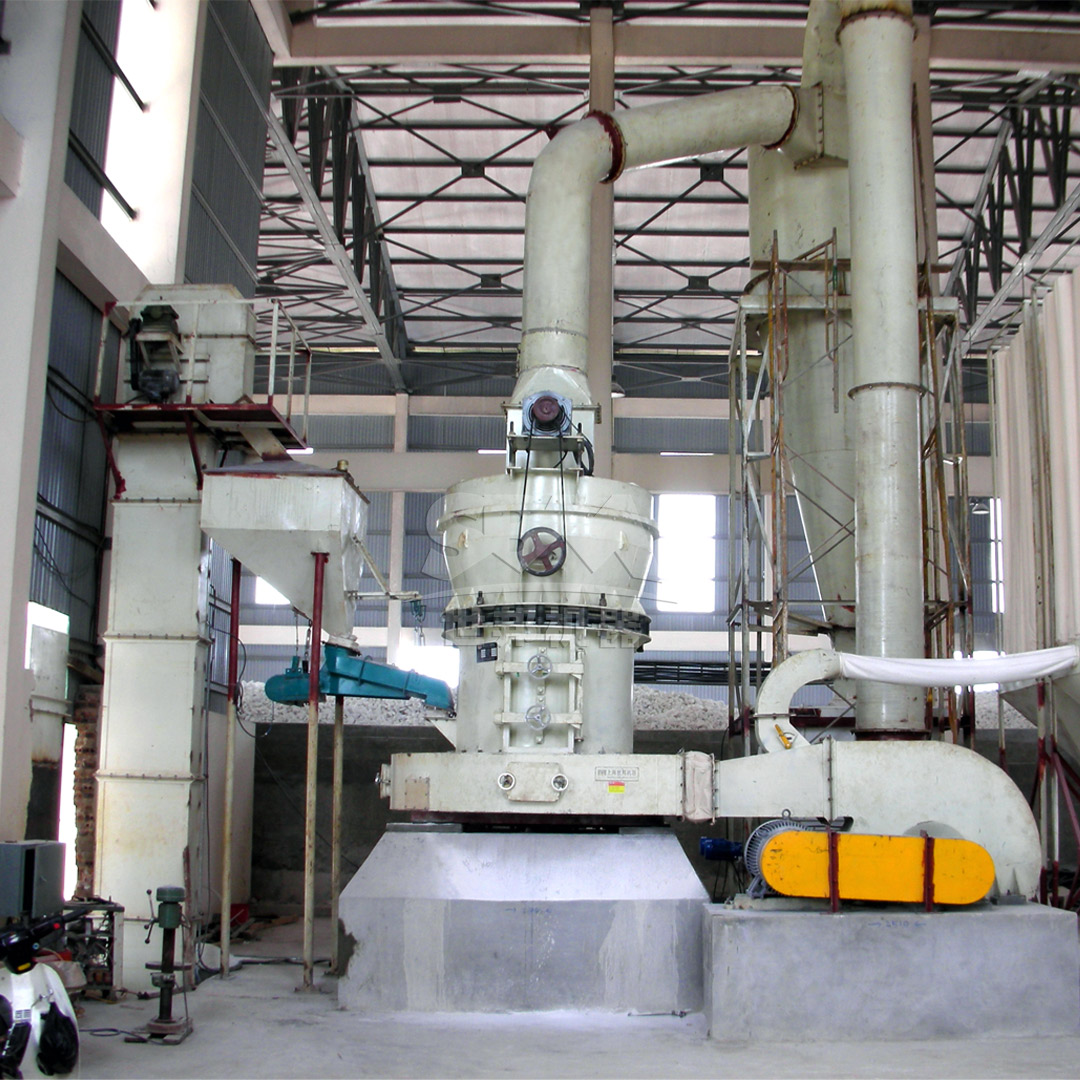
Raymond Mill (Pendulum Roller Mill)
Traditional Raymond mills are suitable for coarse to medium grinding of diatomite (30-325 mesh). They operate on the principle of spring-loaded rollers grinding against a rotating ring. While cost-effective for certain ranges, they may lack the precision for very fine or tightly controlled PSDs and can have higher wear rates compared to newer designs.
Ball Mill
Ball mills use impact and attrition from steel balls to grind material. They are versatile and can produce a wide range of fineness. However, for diatomite, they pose a high risk of over-grinding and destroying the delicate diatom structures, leading to a loss of porosity and functionality. They are also less energy-efficient for fine grinding compared to vertical roller mills.
Vertical Roller Mill (VRM)
VRMs have become a industry standard for medium to fine grinding. Material is ground between a rotating table and rollers under hydraulic pressure. They offer excellent energy efficiency, good drying capability (if equipped with a hot air generator), and better control over PSD than traditional ball mills. They are well-suited for producing diatomite in the 100-400 mesh range for many industrial applications.
Ultrafine Grinding Mills
For producing high-value, superfine diatomite powders (above 400 mesh, up to 2500 mesh), specialized ultrafine mills are required. These include fluidized bed jet mills, which grind by particle-on-particle impact, and advanced vertical roller mills with high-precision turbo classifiers. These mills are designed to apply minimal shear and heat to preserve particle morphology.
Recommended Mill Solutions for Diatomite Production
Based on the critical factors outlined above, two mill series stand out as optimal choices for modern diatomite processing plants, balancing performance, efficiency, and product quality.
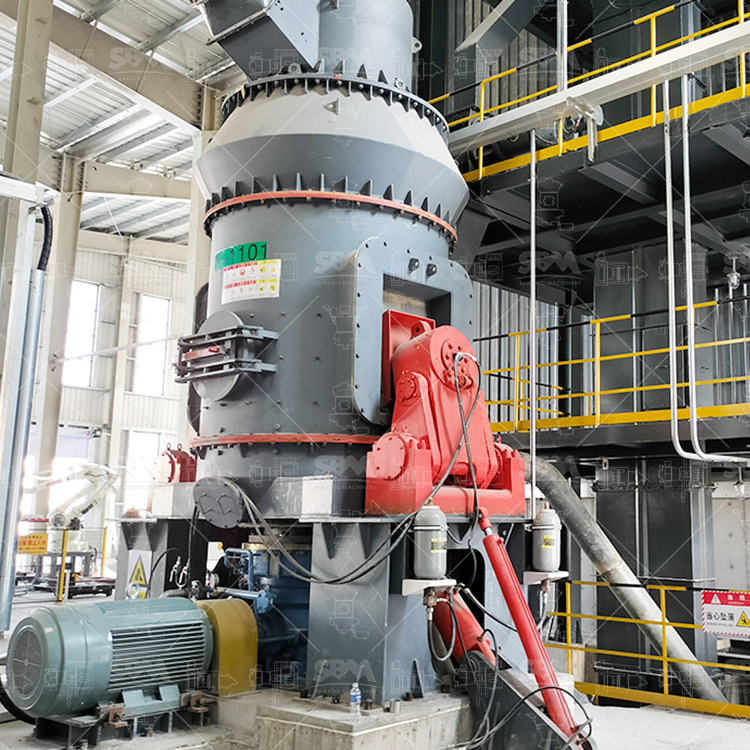
1. For High-Capacity, Fine to Medium Grinding (45-325 mesh): The MTW Series European Trapezium Mill
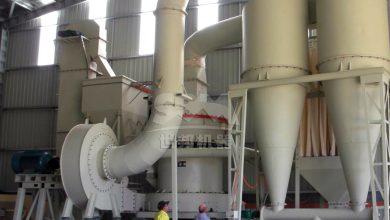
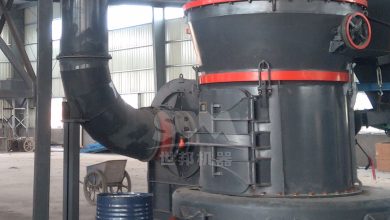
When your production demands high throughput of consistently fine diatomite powder for applications like fillers, carriers, or insecticide bases, the MTW Series European Trapezium Mill is an exceptional choice. This next-generation pendulum mill incorporates numerous technological advancements specifically designed to overcome the limitations of older Raymond mill designs.
For diatomite processing, its advantages are clear:
- Precise Classification: The integral bevel gear-driven classifier allows for stepless adjustment of fineness between 30-325 mesh, ensuring you can reliably hit your target PSD for different product grades.
- Superior Wear Resistance: The curved shovel blade design and wear-resistant volute structure are crucial for processing mildly abrasive materials like diatomite, drastically reducing maintenance downtime and cost.
- High Efficiency & Capacity: With capacities ranging from 3 to 45 tons per hour, it can support large-scale production. The optimized arc air duct and efficient drive system translate to lower energy consumption per ton of product.
- Clean Operation: The mill can be equipped with advanced pulse dust collection technology, ensuring a dust-free workshop and protecting the product from contamination.
For a plant aiming to produce 10-325 mesh diatomite powder at a rate of 15-45 tons per hour, the MTW215G model would be a powerhouse solution, offering the perfect blend of robustness, precision, and efficiency.
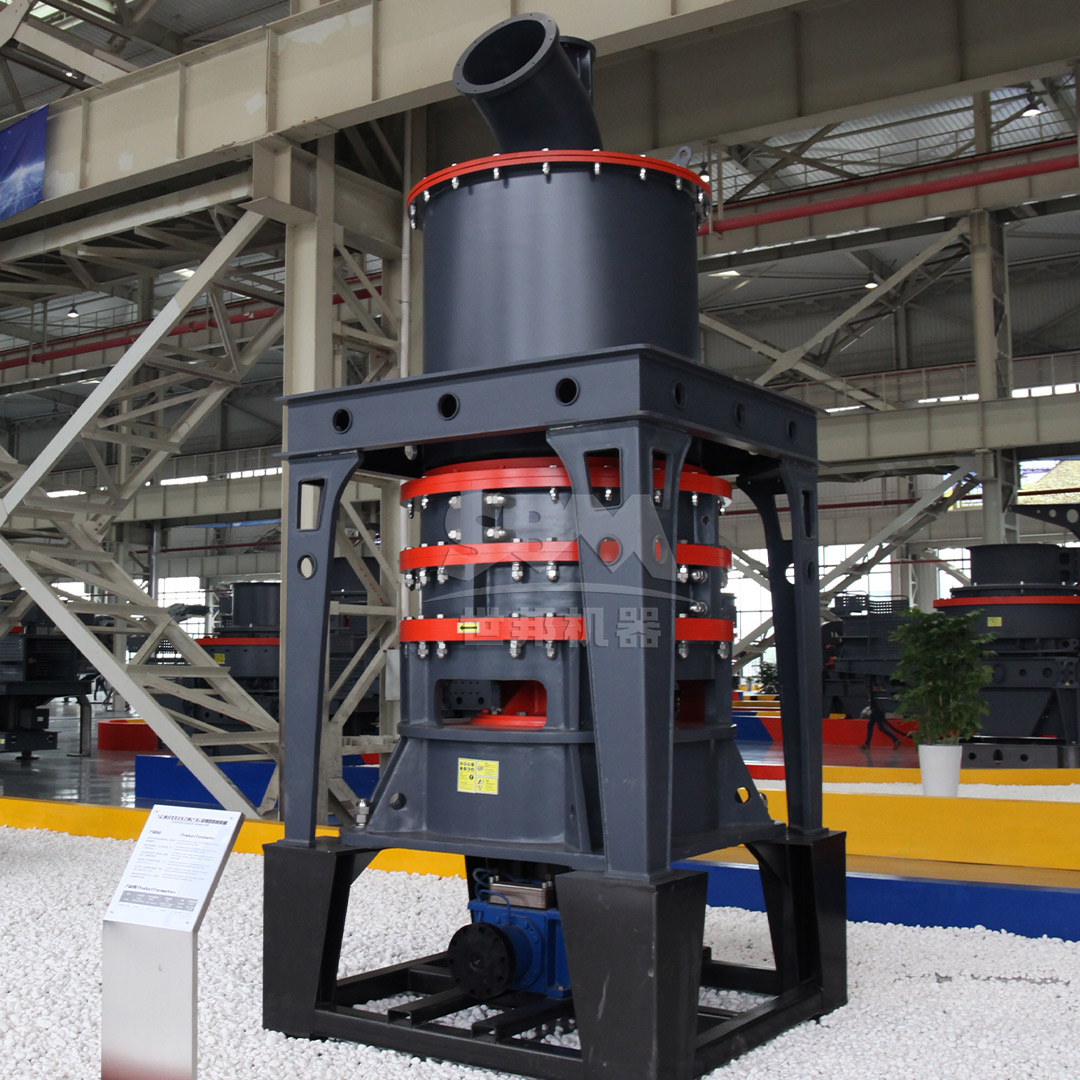
2. For Premium Ultrafine Powder Production (325-2500 mesh): The SCM Series Ultrafine Mill
To access the highest-value markets for diatomite—such as high-efficiency filter aids, advanced composite materials, or specialty chemicals—producing ultrafine powders with intact diatom structures is paramount. The SCM Series Ultrafine Mill is engineered specifically for this demanding task.
This mill is a game-changer for ultrafine diatomite production due to its unique design:
- Unmatched Fineness Control: It reliably produces powder from 325 to 2500 mesh (5μm). The high-precision vertical turbine classifier ensures no coarse particles are mixed into the final product, guaranteeing a uniform and high-quality powder essential for performance-critical applications.
- Exceptional Energy Savings: Compared to traditional jet mills, the SCM series can offer similar or superior fineness with approximately 30% lower energy consumption and double the capacity, dramatically improving production economics.
- Product Integrity Preservation: The grinding principle applies layer-by-layer compression and shear, which is gentler on the fragile diatom skeletons compared to high-impact methods, better preserving their natural porosity and functionality.
- Durable and Stable: Special material rollers and rings, along with a shaftless screw grinding chamber design, ensure long service life and stable, continuous operation crucial for 24/7 production lines.
For a producer specializing in 800-2500 mesh ultrafine filter aid, the SCM1250 or SCM1680 model would provide the perfect combination of ultra-fine grinding capability, high capacity (2.5-25 t/h), and operational reliability.
Conclusion: Making an Informed Investment
Choosing the right grinding mill for diatomite is not a one-size-fits-all decision. It requires a careful analysis of your target product specifications, capacity needs, and total cost of ownership. While traditional mills like ball mills have their place, the future of efficient and high-quality diatomite processing lies in advanced, purpose-built technology.
For robust, high-volume production of fine powders, the MTW Series European Trapezium Mill offers a compelling balance of power and precision. For venturing into the premium ultrafine market where product structure and consistency are king, the SCM Series Ultrafine Mill stands as the technical leader. Investing in the correct grinding technology is the foundational step towards optimizing your diatomite processing line, enhancing product value, and securing a competitive edge in the global market.
We recommend consulting with our technical engineering team to analyze your specific diatomite feedstock and product goals. We can provide tailored recommendations and test grinding services to ensure you select the mill that will deliver the highest return on your investment.