How to Choose the Right Equipment for Hydrated Lime Production
Introduction
The production of high-quality hydrated lime (calcium hydroxide) is a critical process in numerous industries, including construction, water treatment, chemical manufacturing, and environmental remediation. The quality, consistency, and economic viability of the final product are heavily dependent on the selection of appropriate processing equipment. The journey from raw limestone to fine, reactive hydrated lime powder involves several key stages: primary crushing, grinding, classification, and hydration. Each stage demands machinery that is not only efficient and reliable but also tailored to the specific physical and chemical properties of the material. This comprehensive guide will walk you through the essential factors to consider when selecting equipment for hydrated lime production, with a focus on the grinding and classification stages, which are paramount for achieving the desired product specifications.
Key Factors in Equipment Selection
1. Raw Material Characteristics
The initial and most crucial step is a thorough analysis of your raw limestone. Key parameters include:
- Hardness & Abrasiveness: Measured by indices like Bond Work Index or Mohs hardness. Harder, more abrasive limestone will require more robust grinding elements and may influence the choice of grinding principle (e.g., compression vs. impact).
- Moisture Content: High moisture can lead to clogging in certain mill types. Dry grinding processes may require pre-drying, while some mills can handle a certain degree of moisture.
- Feed Size: The maximum size of limestone pieces after primary crushing determines the acceptable input size for the grinding mill.
- Chemical Composition: Impurities like silica or alumina affect abrasiveness and may influence material choices for wear parts.
2. Final Product Specifications
The requirements of your hydrated lime product directly dictate the necessary equipment performance:
- Fineness (Particle Size Distribution): This is the most critical parameter. Hydrated lime applications require specific fineness ranges, often measured in mesh (e.g., 200 mesh, 325 mesh) or microns (μm). Finer powders (e.g., < 45μm or 325 mesh) offer higher reactivity. The equipment must reliably and consistently achieve the target fineness (D50, D97).
- Production Capacity (Ton/Hour): The required hourly or annual output defines the scale and model size of the equipment.
- Product Uniformity: A narrow particle size distribution is often desirable for consistent reactivity. This depends heavily on the efficiency of the mill’s internal or external classification system.
3. Process Efficiency and Operational Costs
Total cost of ownership extends far beyond the initial purchase price.
- Energy Consumption: Grinding is an energy-intensive process. Selecting a mill with high grinding efficiency (low kWh/ton) is vital for long-term operational economy.
- Wear Part Life and Maintenance: Evaluate the lifespan of critical wear parts (rollers, grinding rings, liners) and the ease and cost of their replacement. Downtime for maintenance directly impacts productivity.
- System Integration: Consider whether you need a standalone mill or a complete system including feeding, grinding, classifying, collecting, and dust control. Integrated systems offer better process control.
4. Environmental and Site Considerations
Modern production must adhere to stringent standards.
- Dust Emission Control: The grinding process generates dust. An efficient pulse-jet baghouse dust collector is essential to meet environmental regulations (e.g., emissions < 20 mg/Nm³).
- Noise Level: Equipment should operate within acceptable noise limits (< 85 dB(A) at 1 meter) to protect workers and comply with local codes.
- Space and Layout: The physical footprint of the equipment and its ancillary systems must fit within the available plant space.
Grinding Equipment for Hydrated Lime: A Comparative Analysis
The heart of a hydrated lime plant is the grinding system. Here’s an overview of common technologies, highlighting their suitability for lime processing.
Ball Mill
A traditional and versatile workhorse. Material is ground by impact and attrition as steel balls tumble inside a rotating cylinder.
Pros: Proven technology, can handle wet or dry grinding, high capacity.
Cons: Relatively high energy consumption, lower grinding efficiency for fine products, particle size distribution can be broad, noise and vibration can be significant.
Best for: Large-scale production where extreme fineness is not the primary goal, or for integrated grinding systems with pre-grinding.
Raymond Mill (Pendulum Roller Mill)
Uses spring-loaded rollers that swing outward to press against a stationary grinding ring.
Pros: Well-established, good for medium-fine grinding (30-325 mesh), lower capital cost than some advanced mills.
Cons: Limited ability to produce very fine powders (< 400 mesh), grinding efficiency drops for harder materials, wear on springs and pivots.
Best for: Small to medium-scale production of hydrated lime in the coarse to medium-fine range.
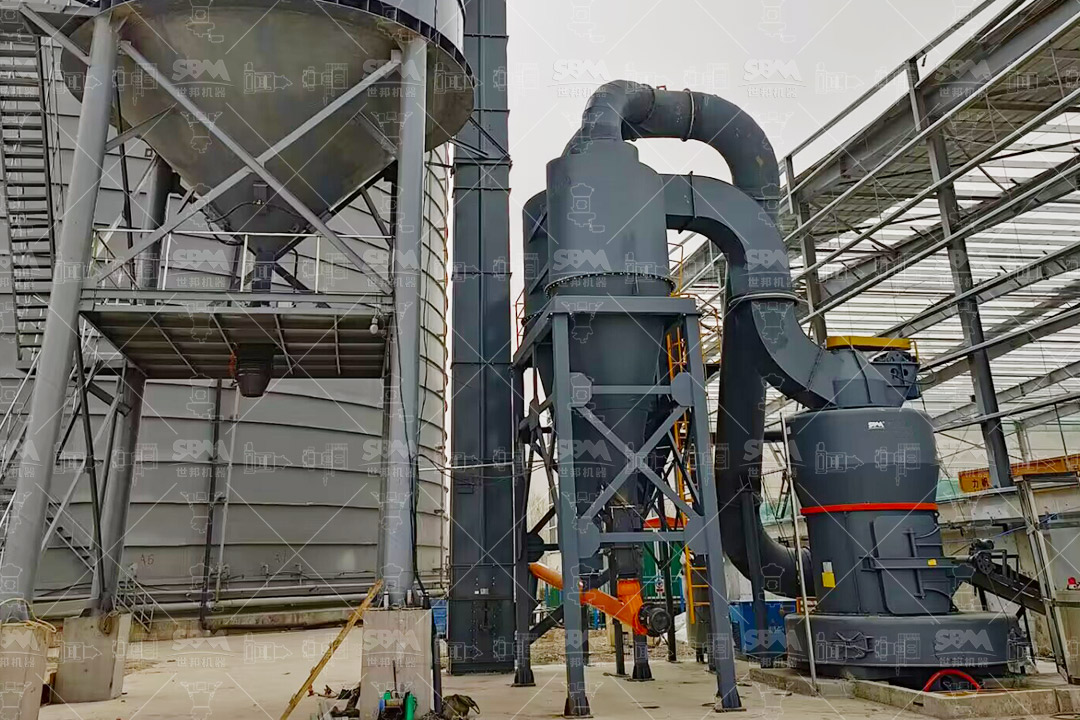
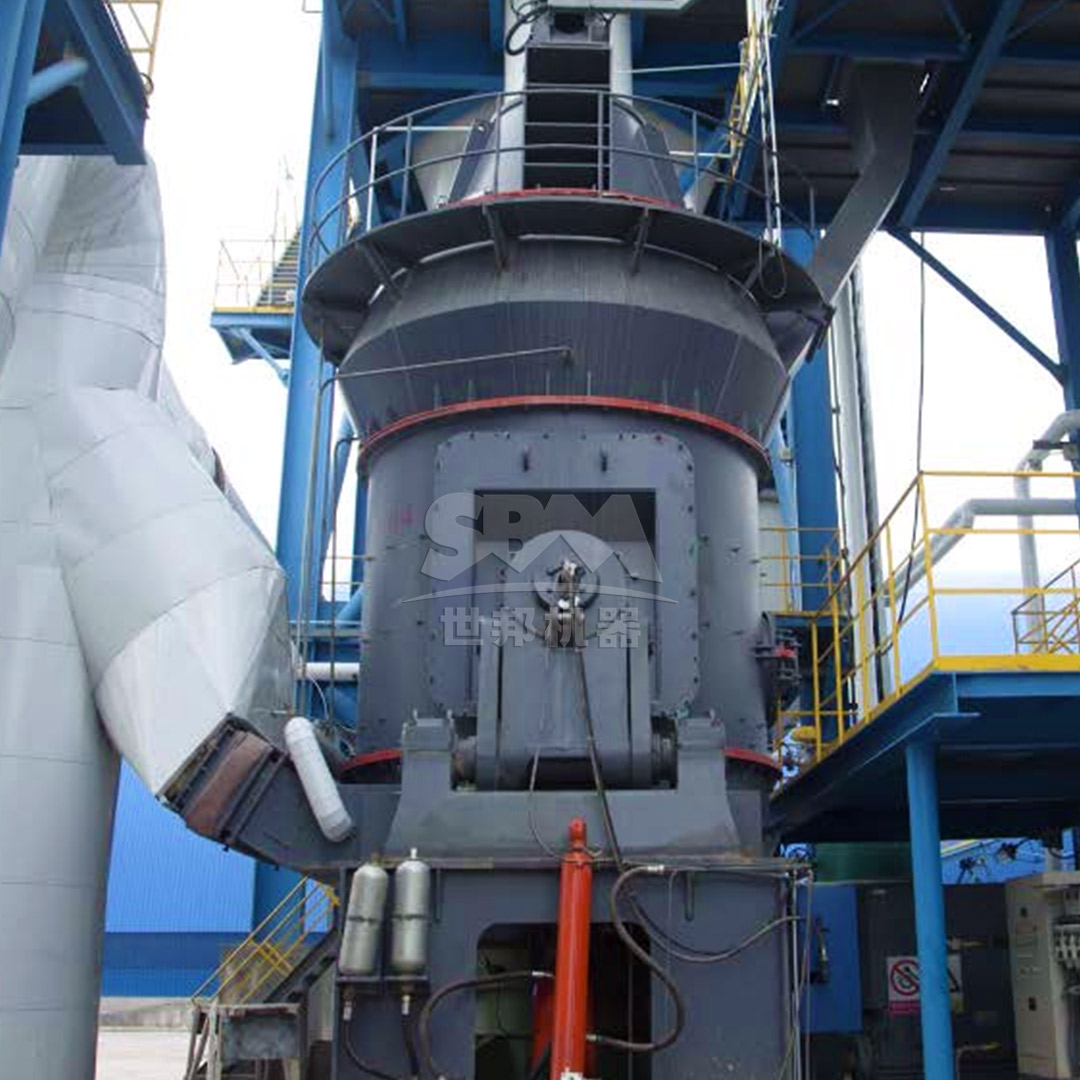
Vertical Roller Mill (VRM)
Material is ground between a rotating table and rollers pressed against it. Integrated classification occurs in the mill housing.
Pros: Excellent energy efficiency (30-50% less than ball mill), integrated drying/grinding/classification, compact footprint, low noise, good for medium to fine grinding (80-400 mesh).
Cons: Higher initial investment, more complex operation and maintenance, may have limitations for ultra-fine grinding.
Best for: Medium to large-scale production of hydrated lime where energy efficiency and integrated processing are priorities.
Recommended Solutions for High-Quality Hydrated Lime Production
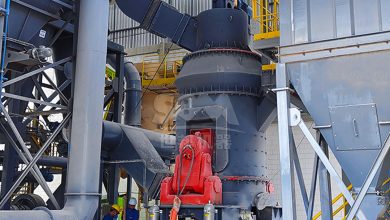
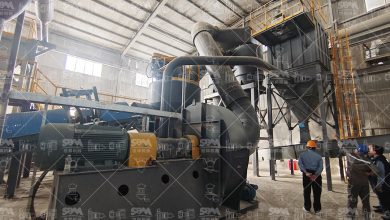
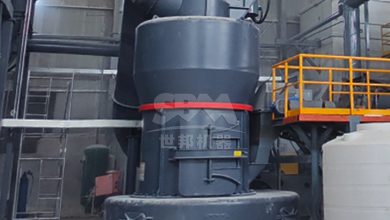
For producers aiming at the premium market, where high reactivity, uniform ultra-fine powder, and production efficiency are paramount, advanced grinding systems are the optimal choice. Based on the detailed technical parameters provided, our SCM Series Ultrafine Mill stands out as an exceptional solution for hydrated lime production.
SCM Ultrafine Mill: Engineered for Excellence
This mill is specifically designed to produce fine and ultra-fine powders with high efficiency and precision, making it ideal for high-value additives like hydrated lime.
Key Advantages for Lime Production:
- Superior Fineness & Uniformity: The SCM mill can achieve an output range of 325-2500 mesh (D97 ≤ 5μm). Its advanced vertical turbine classification system ensures precise particle size cuts, eliminating coarse particles and delivering a consistently uniform product essential for high-reactivity hydrated lime.
- High Efficiency & Energy Savings: With a grinding capacity reported to be twice that of jet mills and energy consumption 30% lower, the SCM mill significantly reduces operational costs. Its intelligent control system automatically adjusts parameters based on feedback from the finished product size.
- Robust and Stable Design: The use of special material rollers and grinding rings extends service life multiple times over conventional mills. The innovative bearing-less screw grinding chamber design enhances operational stability and reduces maintenance points.
- Environmentally Compliant: The system integrates a high-efficiency pulse dust collector that exceeds international standards, ensuring clean operation. Its soundproof room design keeps noise levels below 75dB, creating a better working environment.
Model Selection Example: For a hydrated lime plant requiring a production capacity of 8-10 tons per hour of 800-mesh powder, the SCM1000 model (with a 132kW main motor and a capacity range of 1.0-8.5 t/h) would be a suitable candidate for evaluation, offering a balance of power and output.
Complementary Solution: MTW Series Trapezium Mill
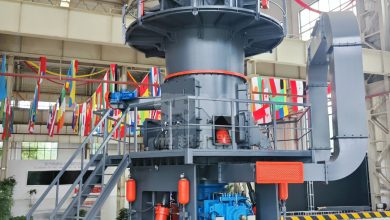
For projects targeting the fine (but not ultra-fine) hydrated lime market or requiring very high throughput, the MTW Series Trapezium Mill presents a powerful and reliable option.
Key Advantages:
- High Capacity & Reliability: With models offering capacities from 3 to 45 tons per hour, it is suited for large-scale production. Its curved air channel and wear-resistant volute structure optimize airflow and durability.
- Advanced Drive & Design: The integral bevel gear transmission achieves 98% efficiency, saving energy and space. The modular wear shovel design simplifies maintenance and reduces costs.
- Wide Fineness Range: It reliably produces powder from 30 to 325 mesh (up to 0.038mm), covering a broad spectrum of hydrated lime specifications.
For instance, the MTW215G model, with a 280kW main motor and a capacity of 15-45 t/h, would be an excellent choice for a high-volume hydrated lime facility focusing on products in the 100-325 mesh range.
Conclusion
Selecting the right equipment for hydrated lime production is a strategic decision that impacts product quality, operational efficiency, and long-term profitability. A methodical approach—starting with a clear understanding of raw material properties and product goals—is essential. While traditional mills like ball mills and Raymond mills have their place, the demands for higher efficiency, finer products, and stricter environmental controls are driving the adoption of advanced grinding technology.
For producers seeking to manufacture premium, highly reactive hydrated lime with superior consistency, our SCM Ultrafine Mill offers a technologically advanced, efficient, and environmentally sound solution. Its ability to deliver precise ultra-fine powder at competitive operational costs makes it a future-proof investment. Similarly, for high-tonnage fine powder production, the MTW Series Trapezium Mill provides robust performance and reliability. Careful evaluation of these options against your specific project parameters will lead to a successful and productive hydrated lime plant.