How to Choose the Right Coal Mill for Your Pulverizing System: Key Selection Principles
Introduction
The selection of an appropriate coal mill is a critical decision that directly impacts the efficiency, reliability, and economic viability of a pulverizing system. An ill-suited mill can lead to excessive energy consumption, inconsistent product quality, high maintenance costs, and frequent downtime. This article outlines the fundamental principles for selecting the optimal coal mill, guiding you through a systematic evaluation of your operational requirements and the available technologies. By understanding these key factors, you can make an informed investment that ensures long-term productivity and profitability.
Understanding Your Raw Material and Process Requirements
The journey to the right mill begins with a thorough analysis of your raw coal and the desired final product. This foundational step dictates all subsequent choices.
1. Coal Characteristics
- Hardness & Abrasiveness (HGI – Hardgrove Grindability Index): Coals with low HGI (harder coals) require mills with higher grinding pressure and more robust wear components. Softer, high-HGI coals can be processed with less aggressive grinding mechanisms.
- Moisture Content: High moisture can lead to clogging and reduced grinding efficiency. Some mill designs incorporate hot air drying capabilities within the grinding chamber, which is essential for handling wet feed.
- Feed Size: The maximum particle size of the raw coal (e.g., ≤20mm, ≤50mm) must be compatible with the mill’s inlet design. Pre-crushing may be necessary for some mill types.
- Volatile Matter & Combustibility: Safety is paramount. The mill’s design must prevent conditions that could lead to fires or explosions, especially when grinding coals with high volatile content.
2. Product Specifications
- Required Fineness: This is the most critical output parameter. Is your target a coarse powder for industrial boilers (e.g., 70% passing 200 mesh/~74µm) or an ultra-fine powder for specialized applications like pulverized coal injection (PCI) or advanced combustion systems (e.g., D97 ≤ 5µm)? The required fineness range narrows down the suitable mill types dramatically.
- Particle Size Distribution (PSD): Consistency is key. A narrow PSD ensures uniform combustion and process performance. The mill’s internal classification system is responsible for achieving this consistency.
- Production Capacity (Ton/Hour): The mill must meet your system’s throughput demands, both at present and with potential future expansion in mind. It’s crucial to select a model that operates efficiently within your target capacity range.
Overview of Major Coal Mill Technologies
Different mill types operate on distinct principles, each with its own set of advantages and ideal applications.
1. Vertical Roller Mills (VRM)
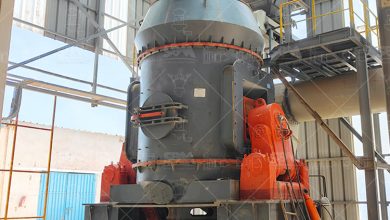
VRMs have become the industry standard for medium to large-scale coal grinding due to their excellent efficiency. They operate on the “bed grinding” principle where material is ground between a rotating table and rollers under hydraulic pressure.
- Advantages: High grinding efficiency (lower specific energy consumption), integrated drying capability, relatively low noise, and compact footprint.
- Considerations: Higher initial investment, sensitive to tramp metal, requires consistent feed material for stable bed formation.
2. Ball Mills & Tube Mills
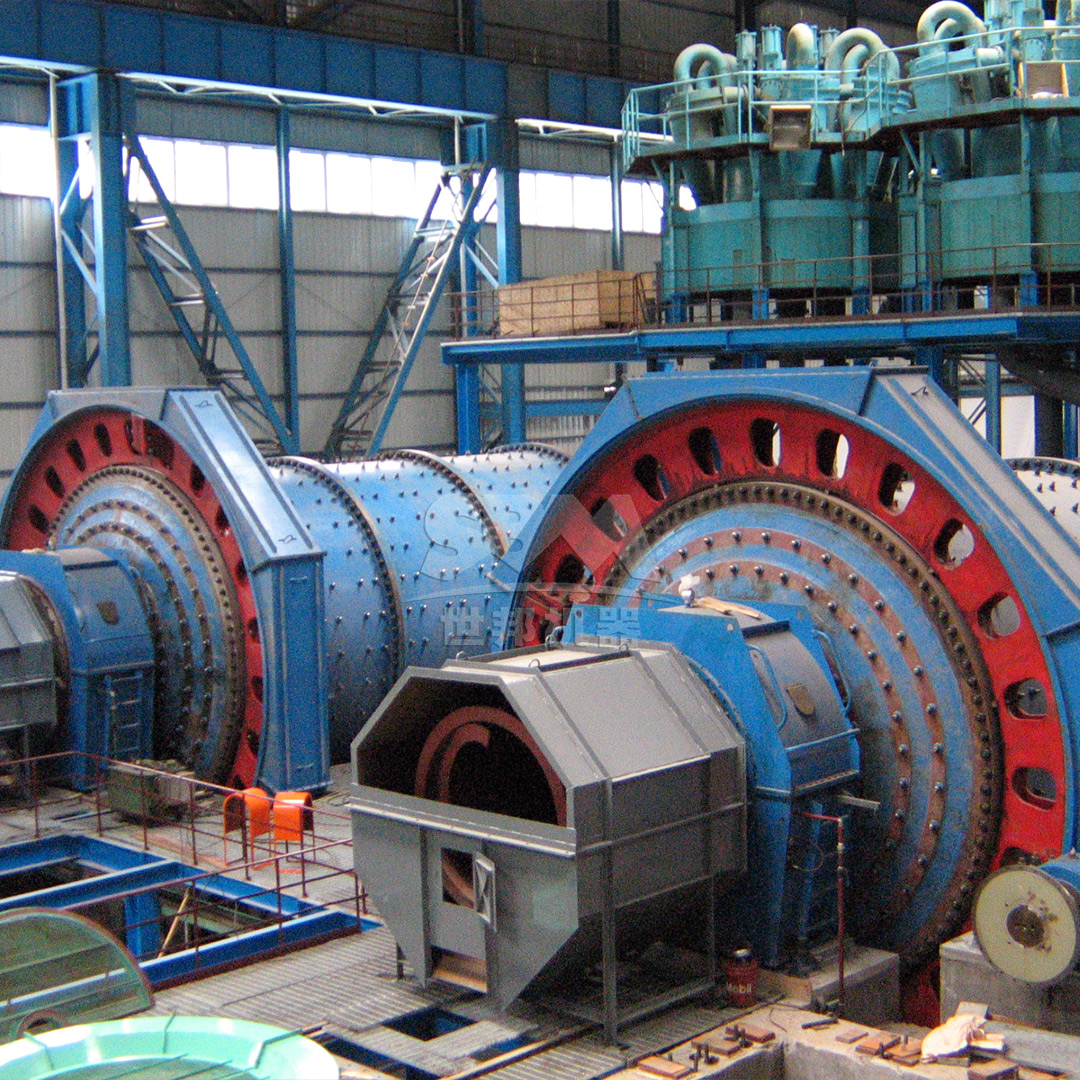
These are traditional tumbling mills where coal is pulverized by impact and attrition as the cylinder rotates, filled with steel balls.
- Advantages: Robust, reliable, capable of handling abrasive materials, well-understood technology.
- Considerations: High energy consumption (low efficiency), large footprint, high noise levels, and less precise particle size control compared to VRMs.
3. Medium-Speed Mills (Bowl Mills, Roll-and-Race)
These mills use tires or rollers that rotate against a stationary bowl/ring to crush the coal. They are a common choice for power generation.
- Advantages: Good fineness control, reliable operation, effective with a variety of coal types.
- Considerations: Grinding elements are subject to wear; maintenance can be more frequent than for VRMs.
4. Ultra-Fine Grinding Mills
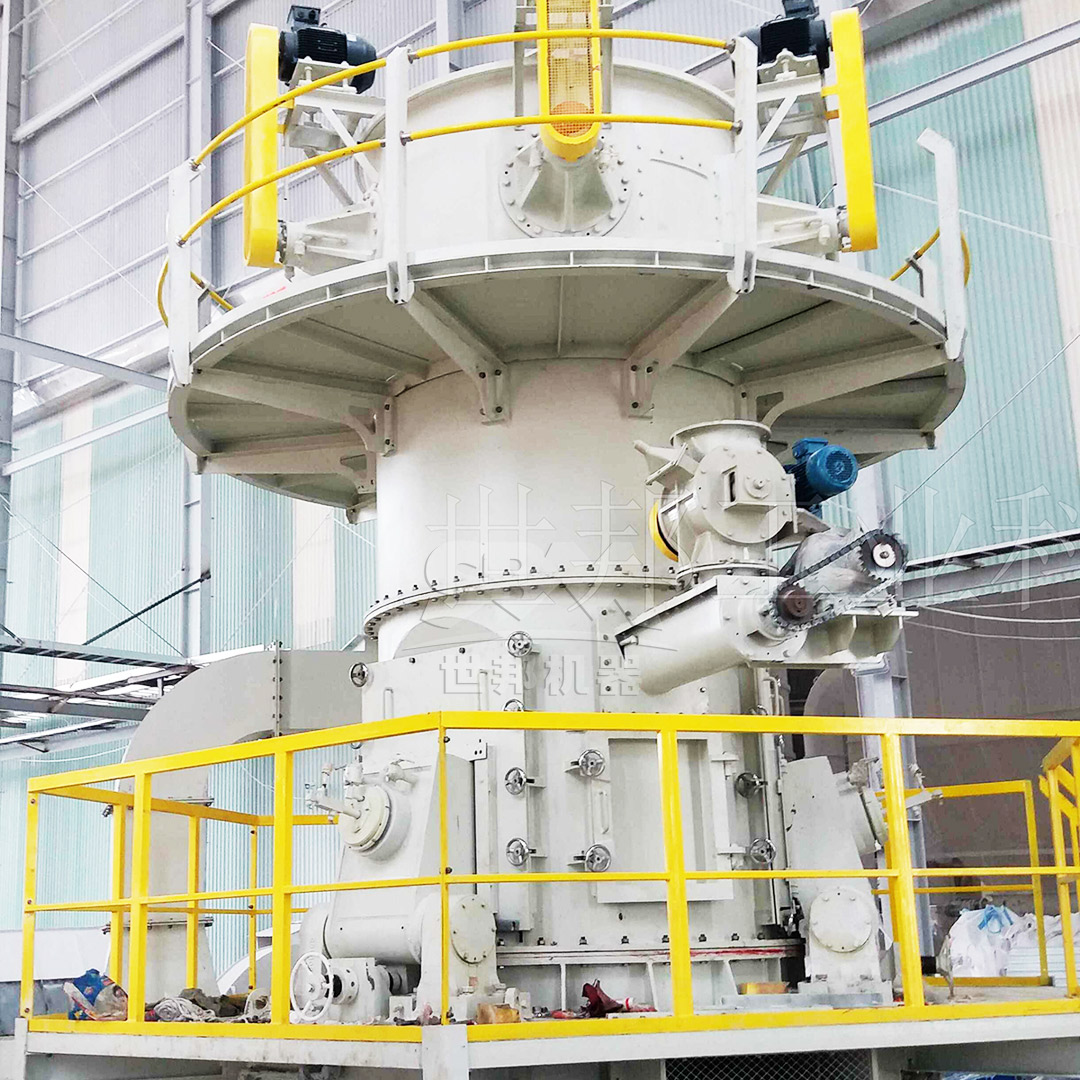
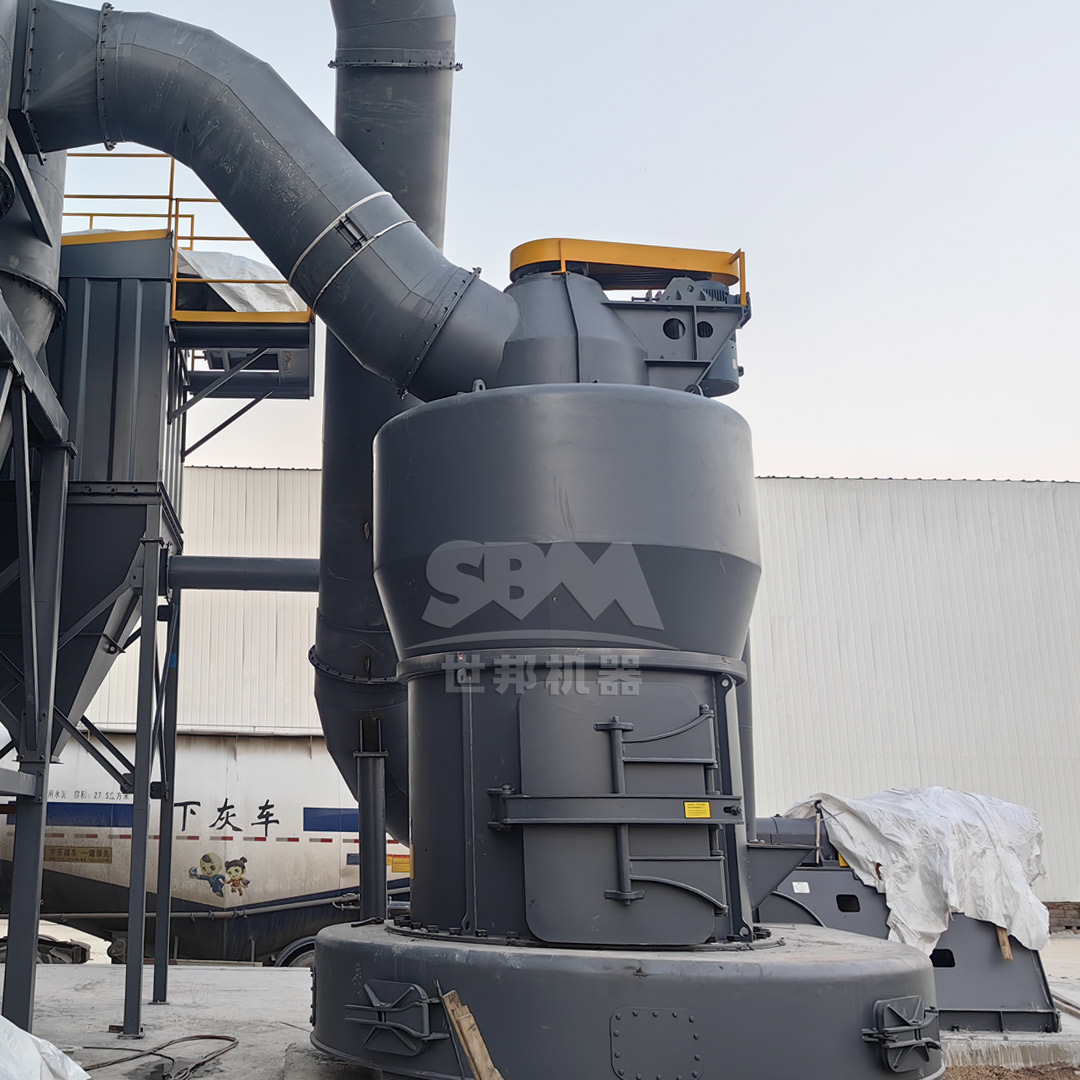
For applications requiring micron or sub-micron level fineness, specialized mills like our SCM Ultrafine Mill are essential. This mill series is engineered for precision, featuring a vertical turbine classifier that ensures sharp particle size cuts and eliminates coarse particle contamination. With an output fineness range of 325-2500 mesh (D97 ≤5µm) and capacities from 0.5 to 25 ton/h, it is ideal for high-value, specialized coal derivatives where superior product uniformity is non-negotiable. Its high-efficiency design offers double the capacity of jet mills while reducing energy consumption by 30%.
Key Selection Principles and Evaluation Criteria
With an understanding of coal properties and mill types, apply these principles to make your final decision.
1. Grinding Efficiency and Energy Consumption
This is the primary operational cost driver. Compare the specific power consumption (kWh/ton) of different mills for your target fineness. VRMs typically lead in efficiency for most applications. Our LM Series Vertical Roller Mill exemplifies this principle. Its集约化设计 (integrated design) combines crushing, grinding, drying, and classifying in a single unit, reducing system energy use by 30-40% compared to traditional ball mill systems. With models like the LM220M (35-50 t/h capacity) designed specifically for coal, it offers a compelling solution for large-scale operations focused on minimizing lifetime operating costs.
2. Wear Resistance and Maintenance Costs
Evaluate the wear life of critical components like rollers, tires, tables, and liners. Mills with easily replaceable wear parts and designs that protect the main shaft and bearings from dust ingress will have lower long-term maintenance costs. Look for features like automatic grinding pressure adjustment to compensate for roller wear.
3. Drying Capacity
If your coal has high inherent or surface moisture, ensure the mill can supply sufficient hot gas flow and temperature to dry the coal during grinding without compromising safety or efficiency.
4. Particle Size Control and System Flexibility
The mill’s internal or external classifier determines the upper size limit of the product. A high-efficiency, adjustable classifier is crucial for achieving a consistent, narrow particle size distribution and for allowing quick adjustments to product fineness as needed.
5. System Footprint and Installation Cost
Consider the physical space required for the mill, its auxiliary equipment (fan, separator, dust collector), and maintenance access. Pre-assembled modules can significantly reduce installation time and cost.
6. Environmental Compliance and Safety
The entire system must operate under negative pressure to prevent dust emissions. Modern mills should integrate seamlessly with high-efficiency pulse-jet baghouse filters to ensure emissions are well below regulatory limits (e.g., <20 mg/Nm³). Explosion venting, inert gas systems, and comprehensive monitoring are mandatory safety features.
Conclusion: A Systematic Approach to Selection
Choosing the right coal mill is not about finding the “best” mill in absolute terms, but about identifying the most suitable mill for your specific combination of coal properties, product requirements, capacity needs, and economic constraints. Begin with a detailed characterization of your feed material and end-product goals. Use this data to narrow down the viable mill technologies. Then, conduct a thorough comparative analysis based on the key principles of efficiency, reliability, maintenance, and total cost of ownership.
For operations demanding standard to fine coal powders with high efficiency and large capacity, vertical roller mills like our LM Series offer a proven, modern solution. For specialized applications requiring ultra-fine, high-purity coal powders, advanced mills like the SCM Ultrafine Mill provide the necessary precision and performance. By partnering with a supplier that offers a comprehensive range of technologies and deep application expertise, you can navigate this critical selection process with confidence, securing a pulverizing system that forms the reliable, efficient heart of your operation for years to come.