How to Choose Steel Slag Grinding Equipment for Fine Powder Production
Introduction to Steel Slag Grinding
Steel slag, a byproduct of steelmaking processes, has gained significant attention as a valuable resource in construction materials, cement production, and various industrial applications. The transformation of steel slag into fine powder requires specialized grinding equipment that can handle its unique characteristics, including high hardness, abrasiveness, and variable composition. Selecting the appropriate grinding system is crucial for achieving optimal particle size distribution, production efficiency, and economic viability.
The grinding process for steel slag involves multiple considerations beyond simple size reduction. Operators must account for the material’s moisture content, iron content, and potential for metal recovery. The choice of equipment directly impacts the final product quality, energy consumption, maintenance costs, and environmental compliance. This comprehensive guide explores the key factors in selecting steel slag grinding equipment and provides detailed technical analysis of available solutions.
Key Factors in Equipment Selection
Material Characteristics Analysis
Before selecting grinding equipment, thorough analysis of the steel slag properties is essential. The Bond Work Index for steel slag typically ranges from 18-23 kWh/t, indicating moderate grindability. However, the presence of metallic iron content (usually 1-15%) significantly impacts equipment selection and wear considerations. Other critical parameters include:
- Initial Particle Size: Raw steel slag often contains lumps up to 50mm, requiring preliminary crushing
- Moisture Content: Typically below 15%, but affects drying requirements and grinding efficiency
- Abrasiveness: High silica and iron content accelerate wear on grinding components
- Target Fineness: Different applications require specific particle size distributions (e.g., cement additive: 400-450 m²/kg Blaine)
Production Capacity Requirements
The required production capacity directly influences equipment selection and configuration. Small-scale operations (1-10 t/h) may opt for vertical mills or medium-speed grinding systems, while large-scale production facilities (20-100+ t/h) typically require high-capacity vertical roller mills or multiple parallel systems. Consider both current requirements and future expansion possibilities when selecting equipment capacity.
Final Product Specifications
The intended application of the ground steel slag powder determines the required fineness and particle size distribution. Common specifications include:
- Cement Replacement: 325-450 m²/kg Blaine fineness
- Concrete Additive: 400-500 m²/kg Blaine fineness
- Specialty Applications: Ultra-fine powders up to 2500 mesh (5μm)
Types of Grinding Equipment for Steel Slag
Vertical Roller Mills (VRM)
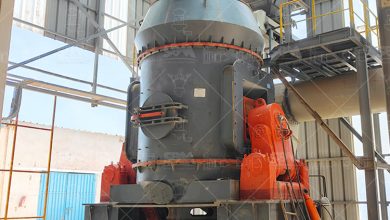
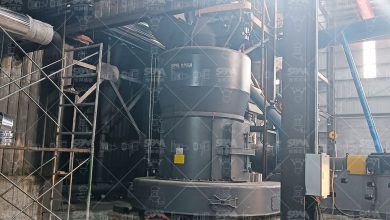
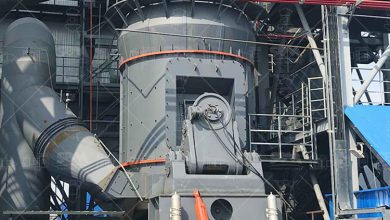
Vertical roller mills have become the preferred solution for large-scale steel slag grinding operations due to their high efficiency and integrated drying capability. The fundamental working principle involves material bed comminution between grinding rollers and a rotating table. This mechanism provides significant advantages for steel slag processing:
- High Grinding Efficiency: Direct pressure application reduces energy consumption by 30-40% compared to ball mills
- Integrated Drying: Hot gas introduction enables simultaneous grinding and drying of moist materials
- Compact Design: Integrated system reduces footprint by up to 50% compared to traditional systems
- Flexible Operation: Quick adjustment of operational parameters to accommodate varying slag characteristics
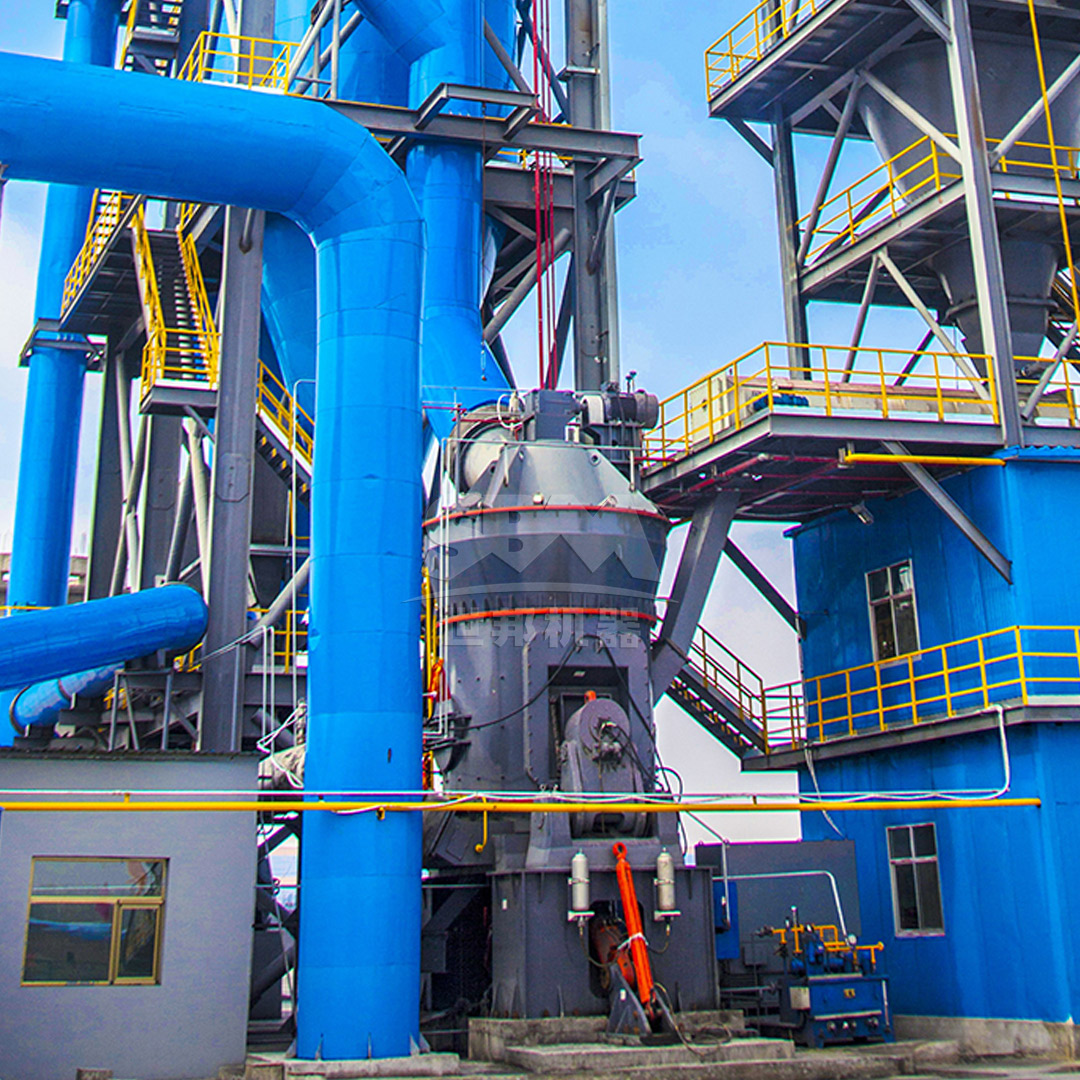
For steel slag applications, specialized vertical slag mills offer enhanced durability and optimized grinding elements to handle the abrasive nature of the material. The LM Series Vertical Roller Mill represents an excellent choice for steel slag grinding applications, particularly for medium to high capacity requirements. This equipment series offers integrated drying, grinding, and classification in a single compact unit, significantly reducing the plant footprint. The non-contact design between grinding rollers and table extends wear part life by up to 3 times compared to conventional systems, while the intelligent control system ensures consistent product quality with minimal operator intervention.
Ultra-fine Grinding Mills
For applications requiring extremely fine steel slag powders (typically above 800 mesh), specialized ultra-fine grinding equipment becomes necessary. These systems employ advanced classification technology to achieve precise particle size control. Key technologies include:
- Vertical Turbine Classifiers: Enable precise cut-point control for narrow particle distribution
- Multi-stage Grinding Chambers: Progressive size reduction improves efficiency
- Advanced Material Handling: Pneumatic conveying systems prevent contamination
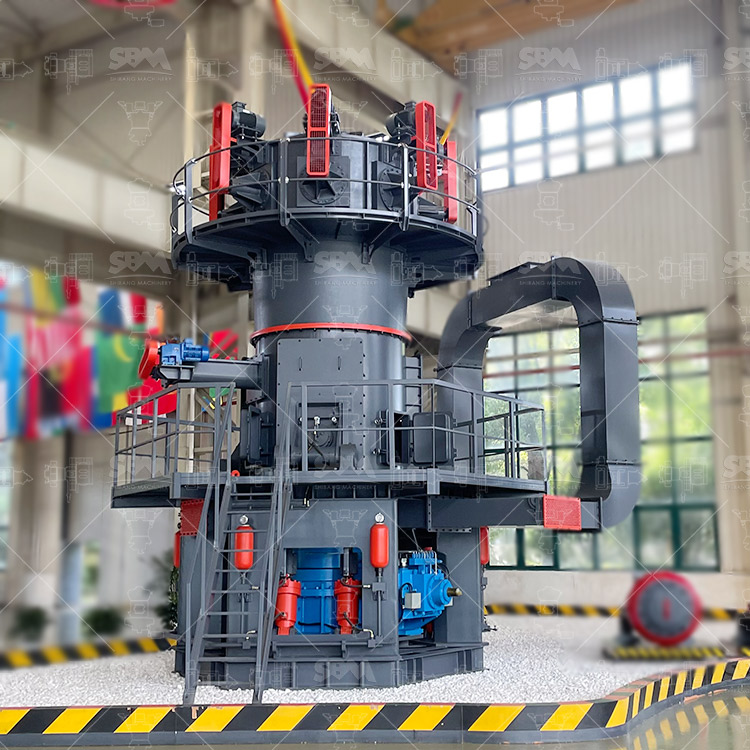
The SCM Series Ultrafine Mill stands out as an optimal solution for producing high-value steel slag powders in the range of 325-2500 mesh (5-45μm). This advanced grinding system combines high-efficiency grinding with precision classification technology, achieving energy savings of up to 30% compared to conventional jet mills. The vertical turbine classifier ensures consistent product quality without coarse particle contamination, while the special wear-resistant materials in the grinding zone provide extended service life when processing abrasive steel slag. With capacities ranging from 0.5 to 25 tons per hour across different models, the SCM series offers scalability for various production requirements.
Ball Mills and Traditional Systems
While increasingly replaced by more efficient vertical mills, ball mills still find application in specific steel slag grinding scenarios, particularly in facilities with existing infrastructure or for specialized product requirements. The tumbling action of grinding media provides certain advantages:
- Proven Technology: Extensive operational experience and straightforward maintenance
- Wet Grinding Capability: Suitable for slurries and applications requiring liquid additives
- Flexible Circuit Configurations: Can be operated in open or closed circuit with various classifiers
However, ball mills typically exhibit 20-30% higher specific energy consumption compared to vertical roller mills and require more space for installation. Their application in new steel slag grinding plants has significantly decreased in favor of more efficient technologies.
Technical Comparison of Grinding Systems
Energy Efficiency Analysis
Energy consumption represents one of the most significant operational costs in steel slag grinding. Comparative analysis reveals substantial differences between technologies:
| Equipment Type | Specific Energy Consumption (kWh/t) | Remarks |
|---|---|---|
| Ball Mill (closed circuit) | 45-55 | Higher for finer products |
| Vertical Roller Mill | 32-42 | 30-40% savings vs. ball mill |
| Ultra-fine Mill | 55-80 | Varies significantly with product fineness |
Wear Part Considerations
The abrasive nature of steel slag necessitates careful consideration of wear protection in grinding equipment. Different technologies exhibit varying wear characteristics:
- Vertical Roller Mills: Experience highest wear on grinding rollers and table segments, typically requiring replacement every 6,000-8,000 operating hours
- Ball Mills: Wear affects liners and grinding media, with consumption rates of 300-600 g/t of product
- Ultra-fine Mills: Specialized ceramic or composite materials extend service life in highly abrasive applications
Auxiliary Equipment Selection
Drying Systems
Most steel slag contains residual moisture that must be addressed before or during grinding. Integrated drying within vertical roller mills represents the most efficient approach, utilizing hot gases (typically 300-400°C) introduced at the mill base. Standalone drying systems may be necessary when:
- Moisture content exceeds 8-10%
- Pre-drying improves downstream process efficiency
- Heat sources are available at favorable cost
Classification and Separation
Efficient classification is essential for achieving target product fineness and optimizing grinding circuit performance. Dynamic classifiers integrated with vertical mills offer advantages for steel slag applications:
- High Efficiency: Capable of sharp separations with d98 values below 45μm
- Adjustability: Online adjustment of rotor speed enables quick product changes
- Metal Separation: Some designs incorporate magnetic elements for tramp metal removal
Dust Collection and Environmental Controls
Modern steel slag grinding plants must comply with stringent emission standards, typically requiring dust concentrations below 20 mg/Nm³. Pulse-jet baghouse filters with PTFE membrane filter media provide reliable collection efficiency exceeding 99.9%. Additional environmental considerations include:
- Noise Control: Equipment enclosures and acoustic insulation to maintain levels below 85 dB(A)
- Water Management: Closed-circuit systems for cooling water where applicable
- Material Handling: Fully enclosed conveying systems to prevent dust emissions

Economic Considerations
Capital Investment Analysis
The initial investment for steel slag grinding equipment varies significantly based on capacity, technology selection, and degree of system integration. Vertical roller mills typically command a 10-20% premium over ball mills of equivalent capacity but offer lower operating costs. Complete system costs (including auxiliary equipment) generally range from $1-5 million depending on scale and complexity.
Operating Cost Optimization
Operating costs for steel slag grinding systems are dominated by energy consumption (50-60% of total), wear parts (20-30%), and maintenance labor (10-20%). Strategies for cost optimization include:
- Energy Management: Operating at optimal loading and utilizing off-peak electricity rates
- Predictive Maintenance: Monitoring wear patterns to optimize replacement schedules
- Process Optimization: Adjusting operational parameters based on real-time quality feedback
Case Study: Equipment Selection for 20 t/h Steel Slag Grinding Plant
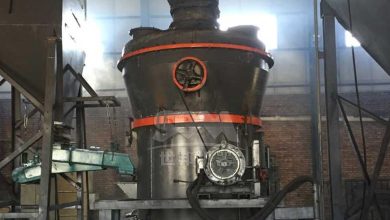
A recent project for a 20 ton per hour steel slag grinding facility demonstrates the practical application of selection criteria. After comprehensive technical and economic evaluation, the project team selected an LM220N Vertical Slag Mill with the following justification:
- Capacity Match: The LM220N provides 20-26 t/h capacity at target fineness (≥420 m²/kg)
- Energy Efficiency: Specific consumption of 38-42 kWh/t compared to 48-52 kWh/t for ball mill alternative
- Space Optimization: 40% reduction in footprint compared to conventional system
- Operating Flexibility: Ability to handle variations in feed moisture and composition
The installation has achieved 94% operational availability in the first year, with product quality consistently meeting specification. The payback period for the technology premium was calculated at 2.3 years based on energy and maintenance savings.
Future Trends in Steel Slag Grinding Technology
The evolution of steel slag grinding equipment continues with several emerging trends:
- Digitalization: Implementation of IoT sensors and AI-based optimization algorithms
- Advanced Materials: Development of composite wear materials with 2-3x service life
- Hybrid Systems: Combinations of different grinding technologies for optimal efficiency
- Carbon Reduction: Integration with carbon capture and utilization technologies
Conclusion
Selecting the appropriate grinding equipment for steel slag fine powder production requires careful consideration of multiple technical, operational, and economic factors. Vertical roller mills, particularly specialized slag grinding models, generally offer the best combination of efficiency, reliability, and operating economy for medium to large-scale applications. For ultra-fine products, advanced grinding systems with precision classification deliver the required product quality while maintaining reasonable energy consumption.
The successful implementation of steel slag grinding projects depends not only on equipment selection but also on proper system integration, operational expertise, and continuous optimization. As sustainability requirements intensify and material value recognition increases, the role of efficient grinding technology in steel slag utilization will continue to grow in importance.