How to Choose Non-metallic Mineral Grinding Equipment for Papermaking Applications
Introduction
The papermaking industry relies heavily on non-metallic minerals as functional fillers and coating pigments to enhance paper properties such as opacity, brightness, smoothness, and printability. Key minerals include calcium carbonate (both ground and precipitated), kaolin, talc, and titanium dioxide. The selection of appropriate grinding equipment is crucial for achieving the desired particle size distribution, morphology, and production efficiency. This article provides a comprehensive guide to choosing the right grinding technology for papermaking applications, focusing on technical requirements, equipment types, and operational considerations.
Key Requirements for Papermaking Minerals
Papermaking applications demand specific mineral characteristics that directly influence the choice of grinding equipment. The primary requirements include:
Particle Size Distribution (PSD)
A narrow and controlled PSD is essential for uniform coating and filling. For fillers, a top cut (D98) of 10-20μm with a D50 of 1-2μm is typical. Coating pigments require even finer particles, often with 90% below 2μm and a D50 of 0.3-0.7μm. The grinding equipment must deliver consistent PSD with minimal oversize particles that could affect paper surface quality.
Particle Morphology
Different minerals and applications benefit from specific particle shapes. For instance, platy kaolin particles enhance coating coverage and gloss, while acicular wollastonite improves reinforcement. The grinding mechanism should preserve or create the desired morphology without excessive comminution that could destroy beneficial crystal structures.
Brightness and Purity
Paper grade minerals must maintain high brightness levels (typically >85% ISO for fillers, >90% for coatings). Grinding equipment must minimize contamination from wear parts, making material selection for grinding elements critical. Additionally, the system should effectively remove impurities during processing.
Production Capacity and Efficiency
Modern paper mills operate at high speeds, requiring consistent mineral supply. Grinding systems must match the required throughput (from a few tons per hour for specialty papers to over 50 tph for large integrated mills) while maintaining energy efficiency, particularly as comminution represents a significant portion of mineral processing costs.
Types of Grinding Equipment for Papermaking Minerals
Various grinding technologies are available for non-metallic minerals used in papermaking, each with specific advantages and limitations:
Ball Mills
Traditional ball mills operate on the principle of impact and attrition as grinding media (balls) cascade inside a rotating cylinder. They offer high reliability and can process a wide range of minerals but generally produce broader particle size distributions compared to more modern technologies. Their energy efficiency decreases significantly for fine grinding applications below 20μm, making them less suitable for high-value paper coating pigments where tight particle size control is required.
Vertical Roller Mills (VRM)
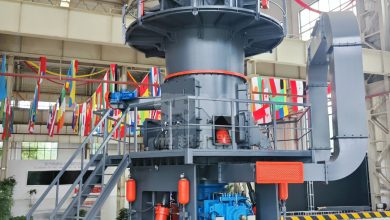
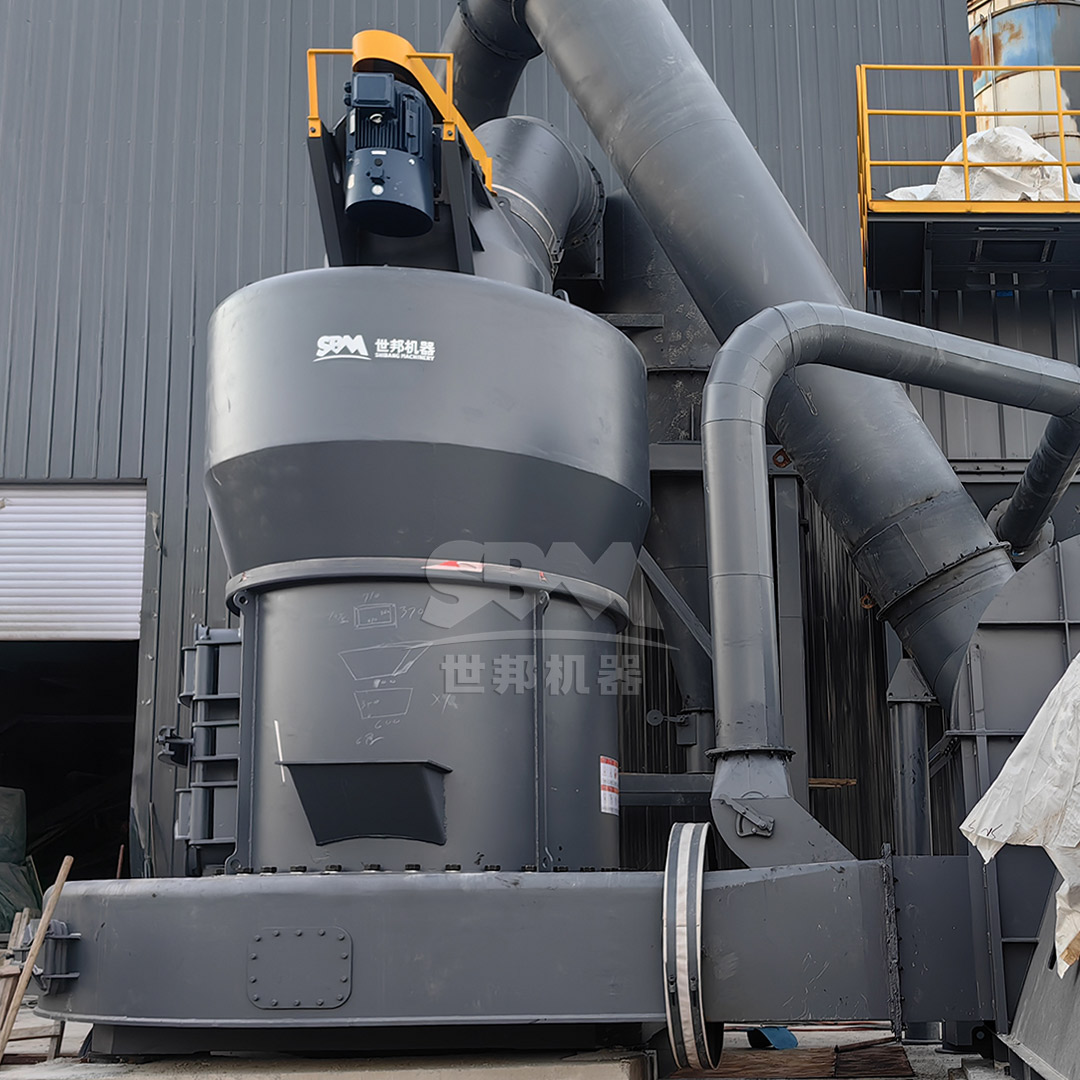
Vertical roller mills utilize hydraulically-loaded rollers that compress and shear material against a rotating grinding table. They offer excellent energy efficiency for medium to fine grinding (approximately 45-600μm or 325-25 mesh) and can handle moist materials with integrated drying capabilities. For paper applications, VRMs are well-suited for producing ground calcium carbonate (GCC) fillers where production volumes are high and the target fineness is in the 2-20μm range.
Ultrafine Grinding Mills
Specialized mills designed for producing particles in the 1-10μm range are essential for high-quality paper coatings. These include stirred media mills, jet mills, and advanced ring-roller mills. They incorporate precise classification systems to ensure tight particle size control and can generate the high surface area materials needed for optimal optical and printing properties.
Critical Selection Criteria
When evaluating grinding equipment for papermaking minerals, consider these key factors:
Target Particle Size and Distribution
Match the equipment’s capability to your specific PSD requirements. For filler applications (D50: 1-3μm), vertical mills and advanced ring-roller mills typically offer the best balance of performance and efficiency. For coating pigments requiring sub-micron particles (D90 < 2μm), stirred media mills or specialized ultrafine mills are more appropriate.
Mineral Hardness and Abrasiveness
The Mohs hardness and abrasion index of the mineral significantly impact wear part life and maintenance costs. For hard minerals like quartz or high-silica kaolin, equipment with robust wear protection and easily replaceable components is essential. Soft minerals like talc and GCC allow for more equipment options but may require special attention to delamination rather than comminution.
Moisture Content and Drying Requirements
Minerals with significant moisture content (>2%) may require integrated drying systems. Vertical roller mills with hot gas generators offer simultaneous grinding and drying, while other technologies may need separate pre-drying systems, adding to capital and operating costs.
Capital and Operating Costs
Evaluate both initial investment and lifetime operating costs, including energy consumption, wear part replacement, maintenance labor, and potential production losses during downtime. Technologies with higher initial costs may offer superior energy efficiency and lower operating costs that justify the investment through reduced cost per ton.
Footprint and Installation Requirements
Consider available space, foundation requirements, and utility connections. Vertical mills typically have smaller footprints than ball mills of equivalent capacity, while some ultrafine grinding systems may require significant height clearance for classifier integration.
Recommended Equipment for Papermaking Applications
Based on the specific requirements of papermaking minerals, certain grinding technologies stand out as particularly suitable:
SCM Ultrafine Mill for Coating Pigments
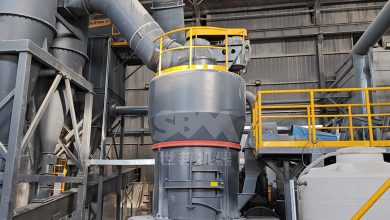
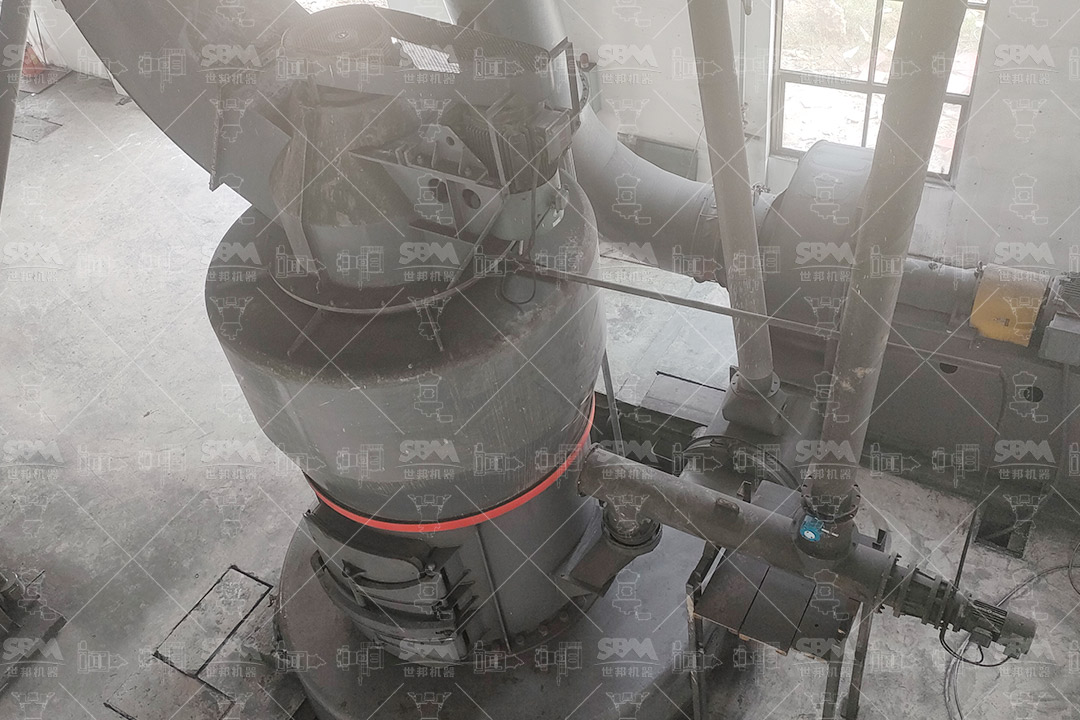
For high-quality paper coating applications requiring ultrafine minerals with tight particle size distribution, the SCM Ultrafine Mill represents an excellent solution. With an output fineness range of 325-2500 mesh (D97 ≤ 5μm), it specifically addresses the needs of premium coating pigments where sub-2μm particles dominate. The vertical turbine classifier ensures precise particle size cuts without coarse particle contamination, critical for achieving smooth paper surfaces and excellent printability.
The SCM series offers significant advantages for paper coating mineral production:
- High Efficiency: With capacity twice that of jet mills and 30% lower energy consumption, it reduces operating costs significantly
- Precision Classification: The vertical turbine classifier enables exact particle size control with no coarse powder contamination
- Durable Construction: Special material rollers and grinding rings extend service life multiple times over conventional mills
- Environmental Compliance: Pulse dust collection exceeding international standards and noise levels below 75dB
For paper coating plants requiring consistent ultrafine mineral production, models like the SCM1000 (1.0-8.5 ton/h capacity, 132kW power) provide an optimal balance of capacity and fineness control.
MTW Series Trapezium Mill for Filler Applications
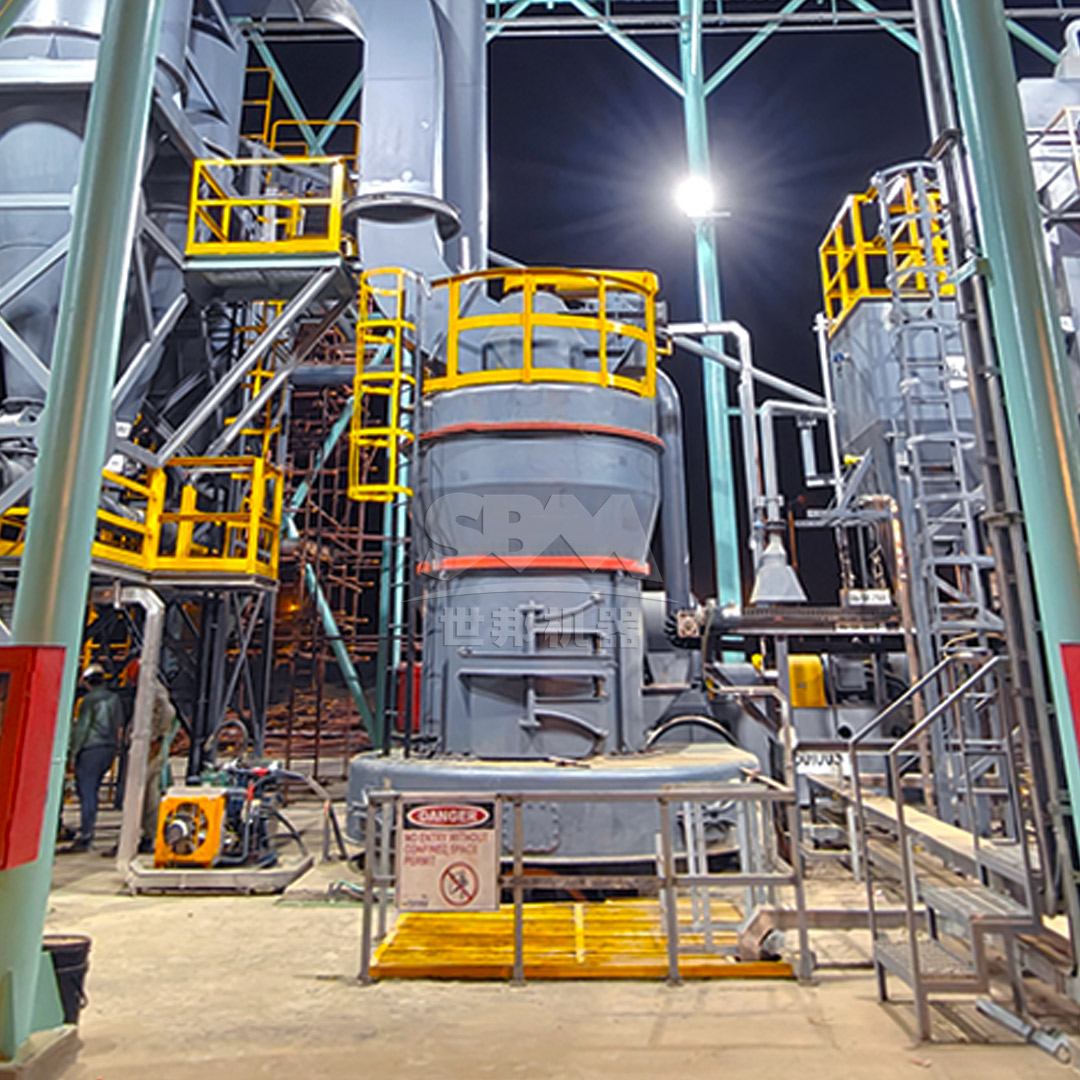
For ground calcium carbonate (GCC) and other filler minerals used in papermaking, the MTW Series Trapezium Mill offers an efficient solution with output fineness of 30-325 mesh (up to 0.038mm). This equipment is particularly well-suited for producing the 1-20μm particles typically used as paper fillers to improve opacity, brightness, and formation.
Key features beneficial for paper filler production include:
- Anti-wear Shovel Design: Combined shovel blades reduce maintenance costs with curved design extending roller life
- Optimized Air Flow: Curved air channel reduces energy loss with high-strength guard plates protecting working surfaces
- Efficient Drive System: Cone gear integral transmission achieves 98% efficiency with space-saving design
- Durable Housing: Wear-resistant volute structure with non-clogging design improves air classification efficiency
With capacities ranging from 3-45 tons per hour across different models, the MTW series can accommodate everything from specialty paper mills to large integrated operations. The MTW175G model (9.5-25 ton/h capacity, 160kW power) is particularly well-matched to medium-to-large scale GCC production for paper filling applications.
Integration with Papermaking Operations
Successful implementation of grinding equipment requires careful consideration of how it integrates with overall papermaking operations:
Slurry vs. Dry Systems
Determine whether dry powder or mineral slurry better suits your paper machine requirements. While dry systems offer flexibility, many modern paper mills prefer in-line slurry production for better dispersion and handling. Some grinding technologies can be adapted for wet grinding or integrated with slurry preparation systems.
Quality Control and Testing
Implement robust quality control measures including regular particle size analysis, brightness testing, and abrasiveness measurements. Modern grinding systems with automated controls can maintain consistent quality with minimal operator intervention, but regular verification remains essential.
Flexibility for Multiple Products
Paper mills often produce different grades requiring various mineral specifications. Grinding systems that can quickly adjust between different fineness levels and switch between minerals provide significant operational advantages. Equipment with quick-adjustment classifiers and easy cleaning capabilities reduces changeover time and cross-contamination risks.
Conclusion
Selecting the right grinding equipment for non-metallic minerals in papermaking applications requires careful analysis of technical requirements, production needs, and economic factors. The target particle size distribution remains the primary consideration, dictating whether standard vertical mills, specialized ultrafine grinders, or other technologies are most appropriate.
For coating pigments requiring ultrafine particles with tight size distribution, the SCM Ultrafine Mill offers precision grinding with excellent energy efficiency. For filler applications where slightly coarser particles are acceptable, the MTW Series Trapezium Mill provides robust performance with lower capital investment. In both cases, consider not just the grinding mechanism but also the classification system, wear protection, and integration with existing operations.
By matching equipment capabilities to specific papermaking requirements and considering total cost of ownership rather than just initial investment, paper manufacturers can optimize their mineral processing operations for quality, efficiency, and profitability.