How to Choose Low, Medium, and High Speed Coal Pulverizers for Anthracite Grinding?
Introduction
Anthracite, known for its high carbon content, low volatile matter, and high hardness, presents unique challenges in pulverization. Selecting the appropriate coal pulverizer is crucial for achieving optimal grinding efficiency, energy consumption, and final product quality. This comprehensive guide explores the technical considerations for choosing low, medium, and high-speed coal pulverizers specifically for anthracite grinding applications.
Understanding Anthracite Characteristics
Anthracite possesses distinct physical and chemical properties that significantly impact pulverizer selection. With a Hardgrove Grindability Index (HGI) typically ranging from 30 to 50, anthracite is classified as hard-to-grind coal. Its low volatile content (below 10%) and high fixed carbon content (above 80%) require specialized grinding approaches. The abrasive nature of anthracite demands wear-resistant materials in grinding components, while its low moisture content simplifies drying requirements but increases fire risks due to potential static electricity buildup.
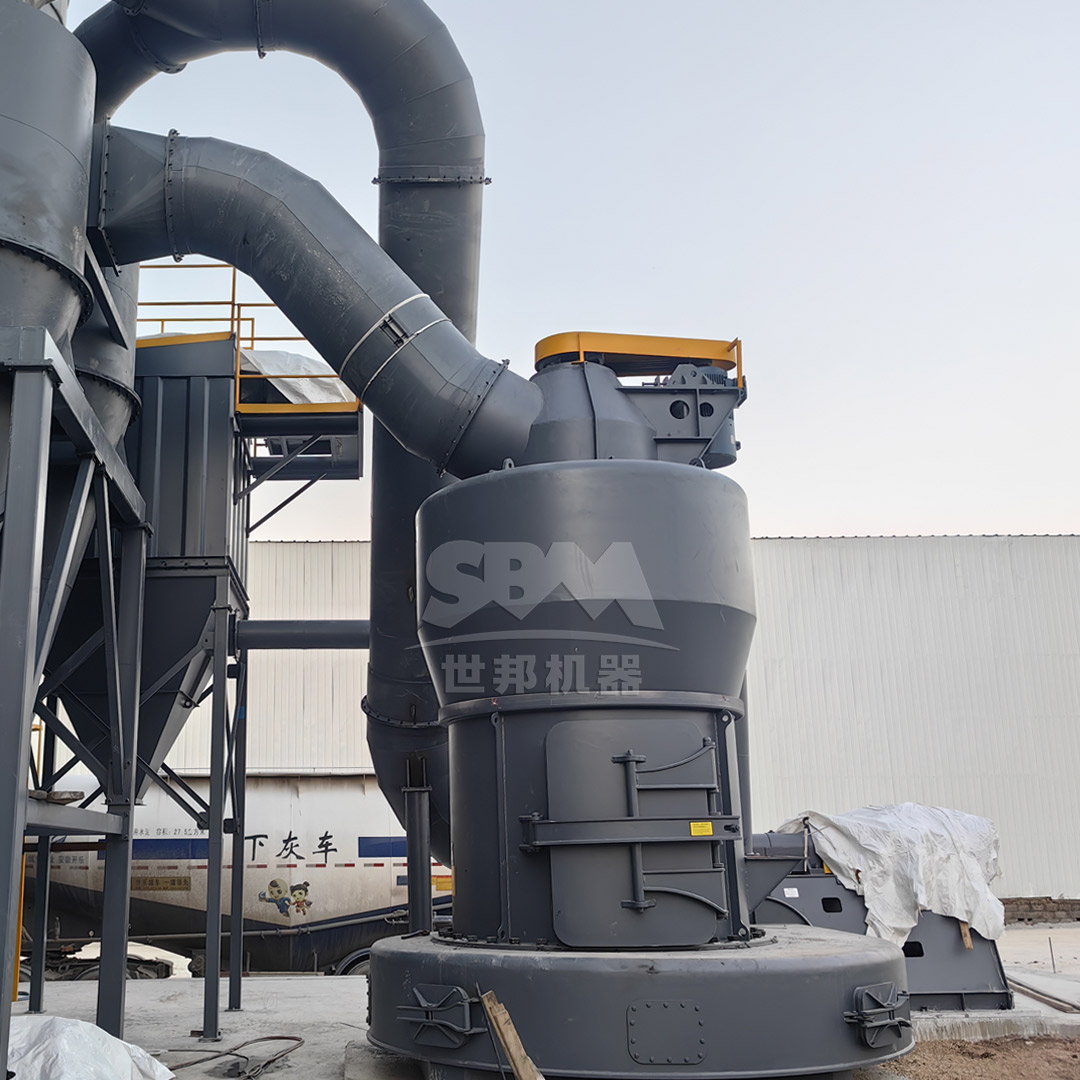
Low-Speed Pulverizers for Anthracite
Low-speed pulverizers, typically operating below 75 rpm, utilize large grinding elements that apply substantial crushing force. These systems are particularly suitable for hard materials like anthracite due to their high inertia and crushing capability.
Ball and Tube Mills
Traditional ball mills operate through impact and attrition between grinding media (steel balls) and coal particles. For anthracite applications, these mills offer several advantages: robust construction capable of handling abrasive materials, tolerance for tramp material and varying feed sizes, and proven reliability in power generation applications. However, they suffer from high specific energy consumption (typically 18-25 kWh/t), significant wear rates of grinding media, large physical footprint, and noise levels often exceeding 100 dB.
Vertical Spindle Mills
Vertical spindle mills combine crushing, grinding, and classification in a single compact unit. The grinding principle involves bed compression between rotating grinding elements and a stationary grinding track. These mills offer superior energy efficiency (12-18 kWh/t for anthracite), compact design reducing installation space, integrated drying capability with hot gas introduction, and lower noise generation (75-85 dB). The primary challenges include higher capital cost and sensitivity to feed size variations.
Medium-Speed Pulverizers for Anthracite
Medium-speed pulverizers operate in the range of 75-225 rpm, balancing impact and attrition grinding mechanisms. These systems represent the most common choice for modern anthracite grinding applications.
Bowl Mills
Bowl mills feature a rotating grinding table with stationary or rotating rollers that crush coal fed from above. The centrifugal force moves coal to the periphery where it is ground between rollers and the grinding track. Finer particles are transported by primary air to the classifier while oversized material returns for regrinding. For anthracite applications, key advantages include excellent fineness control through adjustable classifier vanes, moderate energy consumption (14-20 kWh/t), capability to handle varying moisture content through integrated drying, and relatively compact design compared to ball mills.
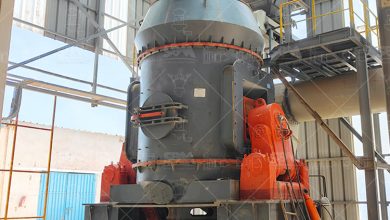
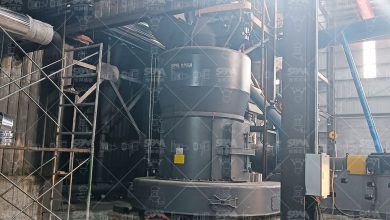
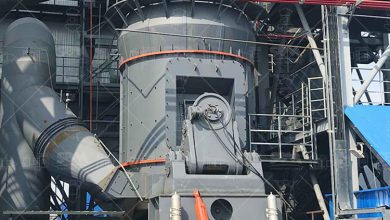
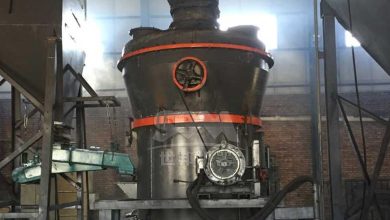
Our Recommended Solution: LM Series Vertical Roller Mill
For anthracite grinding applications requiring high capacity and efficiency, our LM Series Vertical Roller Mill represents an optimal medium-speed solution. Specifically engineered for hard and abrasive materials, this mill features a compact integrated design that reduces footprint by up to 50% compared to traditional systems. With energy consumption 30-40% lower than ball mill systems and wear parts lasting up to 3 times longer due to non-contact grinding design, the LM Series delivers exceptional operational economics.
The intelligent control system enables remote monitoring and automatic adjustment of key parameters, while the full negative pressure operation ensures dust emissions remain below 20mg/m³. For anthracite applications, we particularly recommend the LM190M model with 1900mm grinding table diameter, handling 26-40 t/h capacity with product fineness adjustable between 5-20% R0.08mm. The robust construction and advanced material technology make this mill ideal for continuous anthracite grinding operations in power generation and industrial heating applications.

High-Speed Pulverizers for Anthracite
High-speed pulverizers operate above 225 rpm, primarily utilizing impact and attrition as the dominant grinding mechanisms. These systems are generally less suitable for anthracite due to its hardness and abrasiveness but may find application in specific scenarios.
Attrition Mills
Attrition mills employ high-speed rotating elements that create particle-on-particle impact within a confined chamber. While offering advantages of compact size and rapid startup, their application for anthracite is limited due to high wear rates and difficulty achieving consistent fineness with hard materials.
Impact Mills
Impact mills use high-speed hammers or impellers to shatter coal particles against stationary surfaces. These systems can handle anthracite but typically produce a broader particle size distribution and require frequent component replacement due to the abrasive nature of the material.
Technical Selection Criteria for Anthracite Pulverization
Selecting the optimal pulverizer for anthracite requires careful evaluation of multiple technical parameters:
Grindability Assessment
The Hardgrove Grindability Index (HGI) provides the primary basis for pulverizer selection. For anthracite with HGI below 40, low and medium-speed pulverizers with high crushing capability are preferred. The Bond Work Index offers additional insight, with values above 12 kWh/t indicating difficult grinding characteristics typical of anthracite.
Product Fineness Requirements
Anthracite applications have varying fineness requirements: pulverized coal injection (PCI) typically needs 70-80% passing 75μm, while combustion applications may accept 60-70% passing 75μm. The selected pulverizer must consistently achieve the target fineness with minimal oversize particles that can lead to incomplete combustion.
Capacity Considerations
Pulverizer capacity must match the application requirements with appropriate margin for turndown and potential future expansion. For anthracite, actual capacity may be 10-20% lower than manufacturer ratings for bituminous coal due to the harder grinding characteristics.
Wear Resistance and Maintenance
The abrasive nature of anthracite necessitates special attention to wear protection. Critical components including grinding elements, classifier vanes, and housing liners should feature high-chrome alloys, ceramic composites, or hard-facing materials. Maintenance accessibility and component replacement time significantly impact operational availability.
Advanced Solutions for Anthracite Grinding
Modern pulverizer designs incorporate several technological advancements specifically beneficial for anthracite applications:
Hybrid Grinding Systems
Some manufacturers offer systems combining multiple grinding principles, such as preliminary crushing followed by fine grinding, to optimize energy consumption and wear distribution when processing anthracite.
Intelligent Control Systems
Advanced control algorithms continuously monitor and adjust operating parameters including feed rate, grinding pressure, and classifier speed to maintain optimal performance as wear progresses and coal characteristics vary.
Wear Monitoring Technology
Online wear monitoring systems utilizing vibration analysis, acoustic emissions, or laser scanning provide early detection of component deterioration, enabling planned maintenance and preventing unexpected downtime.
Our High-Capacity Solution: MTW Series Trapezium Mill
For large-scale anthracite grinding operations requiring high throughput with consistent product quality, our MTW Series Trapezium Mill delivers exceptional performance. The innovative curved air channel design reduces flow resistance and improves transmission efficiency, while the combined shovel blade configuration significantly reduces maintenance costs – a critical factor when processing abrasive anthracite.
With integrated bevel gear transmission achieving 98% efficiency and durable grinding elements specifically engineered for hard materials, the MTW Series maintains stable operation even with varying anthracite quality. The advanced classification system ensures precise control of product fineness between 30-325 mesh, with the MTW215G model capable of processing 15-45 t/h – making it ideal for large industrial and power generation facilities. The comprehensive dust collection system exceeds international emission standards, addressing the environmental challenges associated with anthracite processing.

Operational Best Practices for Anthracite Pulverization
Successful anthracite pulverization extends beyond equipment selection to encompass operational strategies:
Feed Size Control
Consistent feed size below the pulverizer design maximum is critical for optimal performance. Pre-crushing to 95% below 19mm significantly improves grinding efficiency and reduces wear in medium-speed pulverizers.
Moisture Management
While anthracite typically has low inherent moisture, surface moisture from storage or handling can impact grinding efficiency. Maintaining feed moisture below 8% prevents packing and ensures proper material flow through the grinding zone.
Preventive Maintenance Planning
Establishing component replacement schedules based on operating hours and throughput rather than waiting for performance degradation prevents unexpected failures and maintains product quality.
Conclusion
Selecting the appropriate pulverizer for anthracite grinding requires careful consideration of the coal’s hard and abrasive characteristics alongside specific application requirements. Medium-speed pulverizers, particularly vertical roller mills and bowl mills, generally offer the best balance of efficiency, maintenance requirements, and product quality for most anthracite applications. Our LM Series Vertical Roller Mill and MTW Series Trapezium Mill provide specialized solutions optimized for the challenges of anthracite processing, delivering reliable performance, reduced operating costs, and consistent product quality across a range of capacity requirements. By matching equipment capabilities to operational needs and implementing sound operating practices, operators can achieve optimal anthracite grinding performance supporting efficient combustion and process applications.