How to Choose Gypsum Powder Processing Equipment and Configure a Production Line?
Introduction
The global demand for high-quality gypsum powder, a crucial material in construction, agriculture, and industrial applications, continues to grow. Selecting the right processing equipment and configuring an efficient production line are critical decisions that directly impact product quality, operational cost, and long-term profitability. This guide provides a comprehensive, professional framework for making these choices, focusing on key technical parameters, process flow, and equipment selection criteria tailored to different production goals.
Understanding Gypsum Processing Fundamentals
Gypsum processing typically involves two main stages: primary crushing of raw gypsum rock and fine grinding to the desired fineness (plaster, stucco, or filler grades). The choice of grinding equipment is paramount and depends heavily on the target particle size distribution, required capacity, and energy efficiency goals. For coarse to medium fineness (30-325 mesh, or 600-45μm), traditional mills like Raymond or trapezium mills are common. For ultra-fine applications (325-2500 mesh, or 45-5μm), advanced grinding systems like ultrafine mills or vertical roller mills with high-precision classifiers are necessary.
Key Factors in Equipment Selection
1. Raw Material Characteristics
Analyze the hardness (Mohs scale ~2), moisture content, feed size (typically ≤50mm after primary crushing), and impurity level of your gypsum ore. These factors determine the necessary crusher type and the grinding system’s robustness.
2. Target Product Specifications
Clearly define the required fineness (mesh or micron size), particle size distribution uniformity, whiteness, and output capacity (TPH). This is the primary driver for selecting the core grinding mill.
3. Energy Consumption & Operational Cost
Grinding is energy-intensive. Evaluate the specific energy consumption (kWh/ton) of different mill types. Modern vertical mills and ultrafine mills often offer significant savings over traditional ball mills.
4. System Integration & Footprint
Consider the complete system layout, including feeding, grinding, classifying, dust collection, and packing. Integrated systems with smaller footprints can reduce civil engineering costs.
5. Environmental Compliance
Ensure the system features efficient pulse-jet bag dust collectors with filtration efficiency >99.9% and noise reduction measures to meet stringent environmental standards.
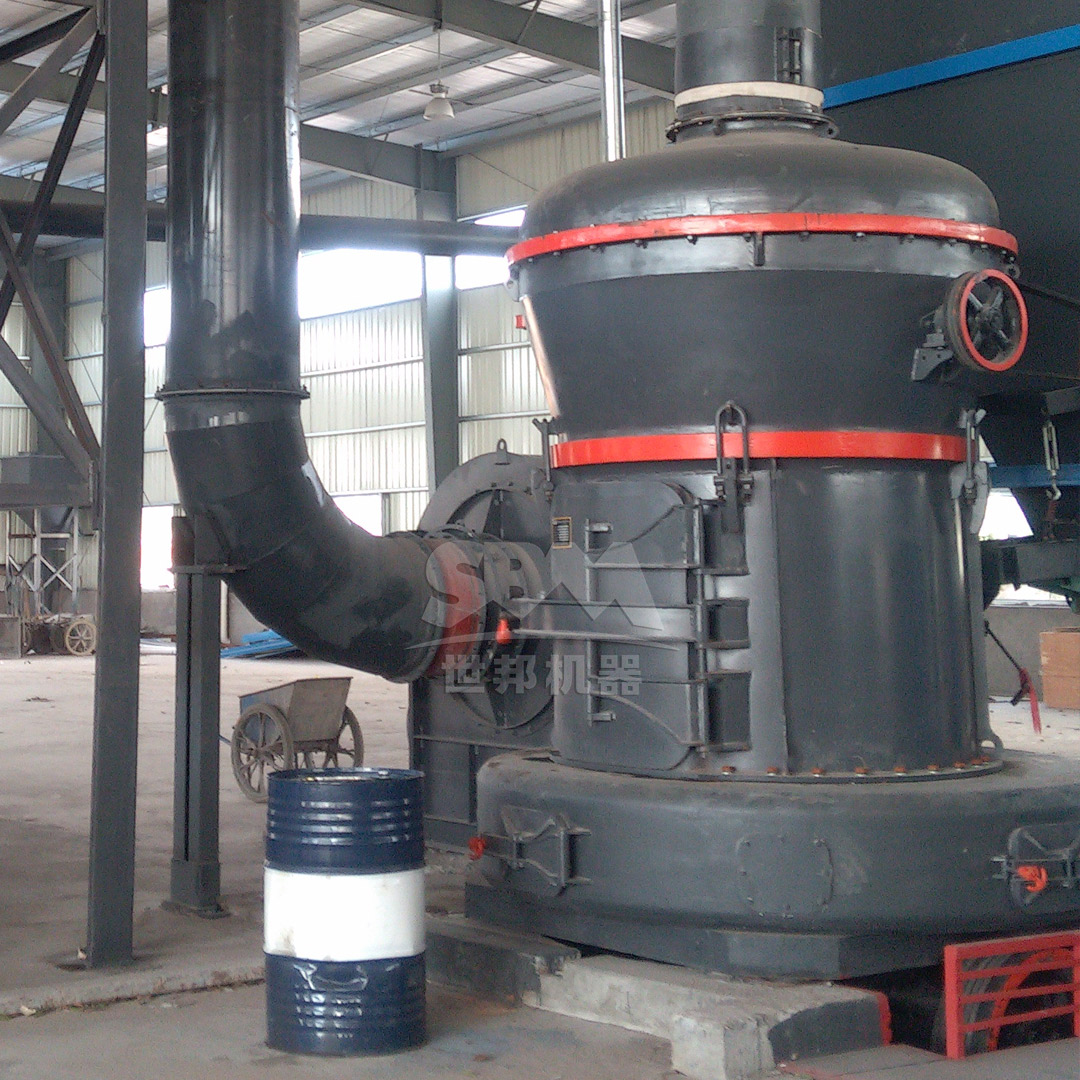
Core Equipment Breakdown and Recommendations
Primary Crushing
For raw gypsum blocks, a jaw crusher or hammer crusher is used to reduce size to below 50mm. A Hammer Mill is highly effective here due to its high reduction ratio and suitability for medium-hardness materials like gypsum.
Fine Grinding & Classification
This is the heart of the plant. The choice depends on your fineness target.
For Coarse to Fine Powder (30-325 mesh / 600-45μm):
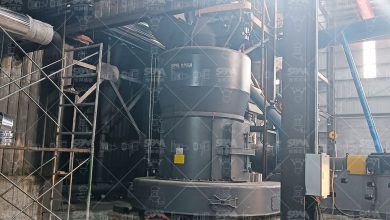
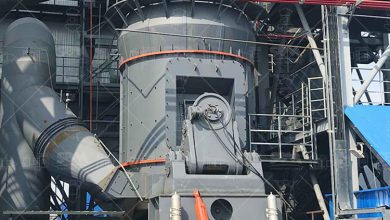
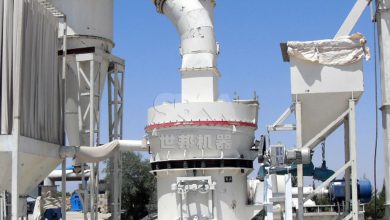
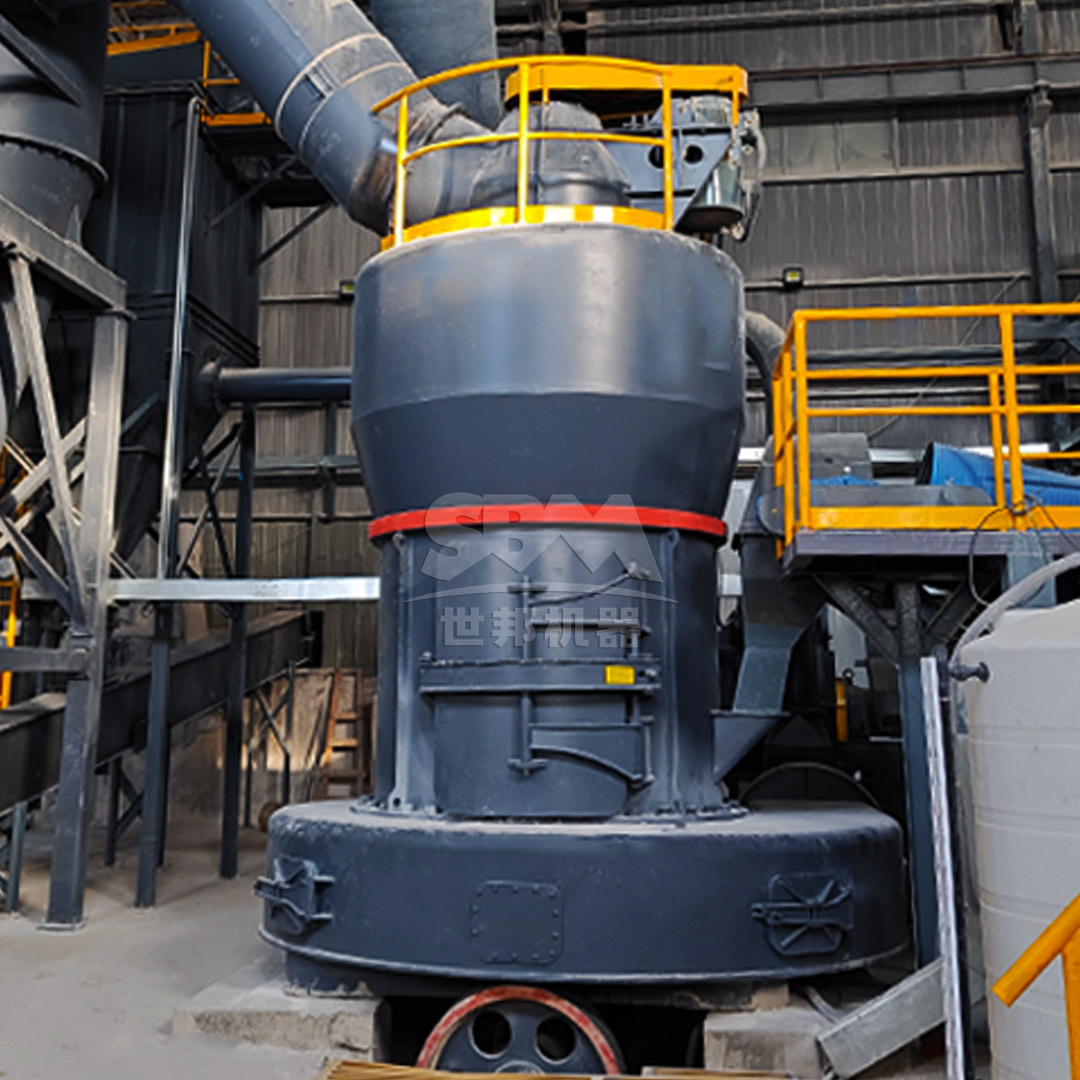
The MTW Series European Trapezium Mill is an industry-leading choice. Its advantages are perfectly suited for high-volume production of construction-grade gypsum powder. The anti-wear shovel design and curved blade geometry significantly reduce maintenance costs when processing abrasive materials. The integral bevel gear drive boasts up to 98% transmission efficiency, saving energy. Furthermore, its optimized arc air duct and wear-resistant volute structure ensure stable output and consistent fineness between 30 and 325 mesh, with capacities scaling from 3 to 45 tons per hour to match any project scale.
For Ultra-Fine Powder (325-2500 mesh / 45-5μm):
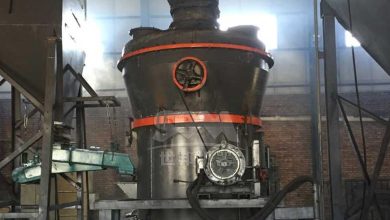
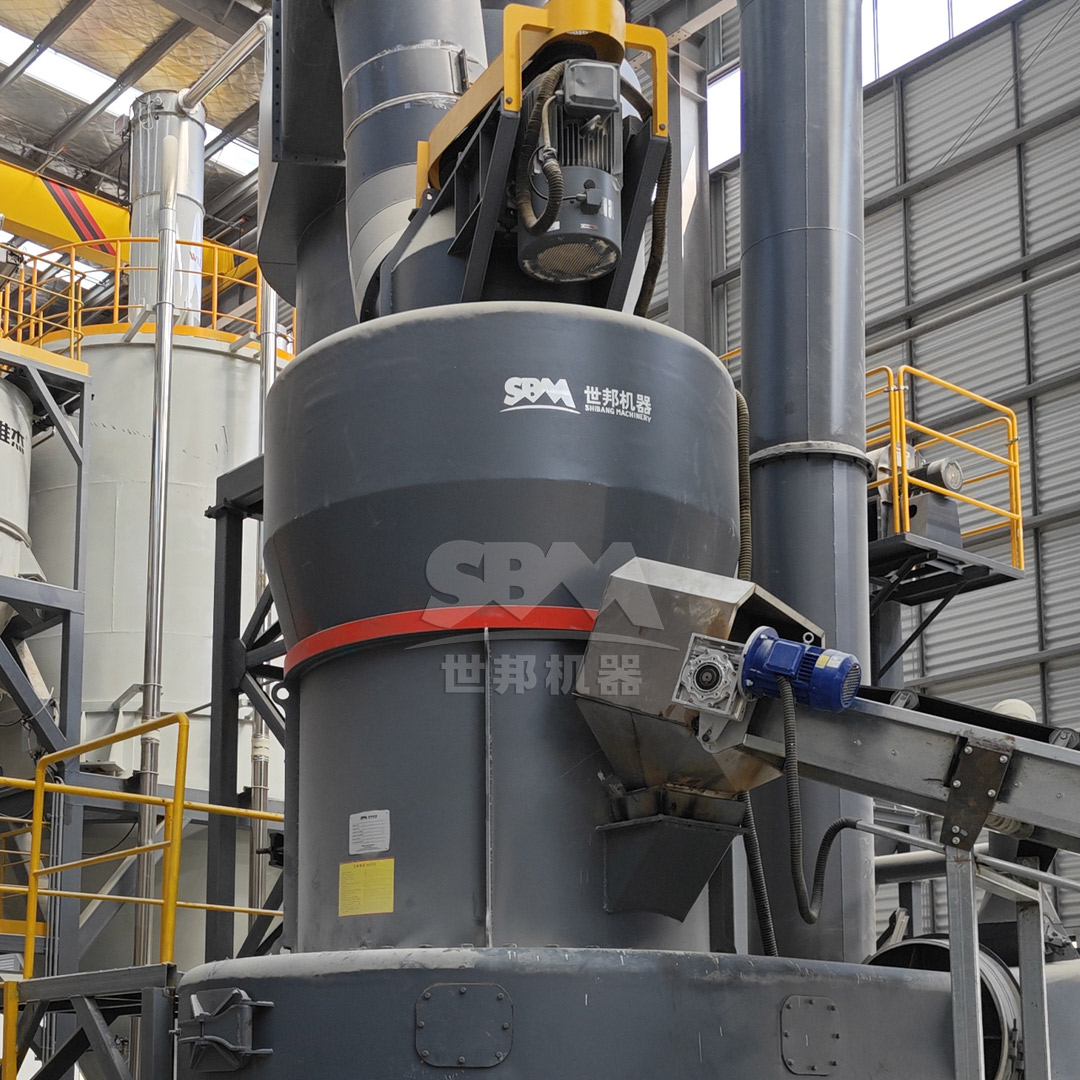
When producing high-value filler or specialty gypsum products requiring ultra-fine and uniform particles, the SCM Series Ultrafine Mill is the superior solution. It excels in high-efficiency, low-energy consumption grinding. Its capacity can be twice that of jet mills while consuming 30% less energy. The key to its performance is the high-precision vertical turbine classifier, which ensures sharp particle size cuts and eliminates coarse powder mixing, guaranteeing a uniform final product. Its durable design, featuring special material rollers and rings, extends service life dramatically. For projects demanding fineness from 325 to 2500 mesh with capacities from 0.5 to 25 TPH, the SCM series offers an unbeatable combination of precision and reliability.
Auxiliary Equipment
- Bucket Elevator & Screw Conveyor: For material transport between stages.
- Storage Silos: For raw material and finished product buffer storage.
- Dust Collection System: A pulse-jet baghouse is essential for environmental control and product recovery.
- Packing Machine: For valve bag or big bag filling.
Sample Production Line Configuration
Line A: High-Capacity Construction Plaster (100 mesh)
- Raw Gypsum Hopper & Vibrating Feeder
- Hammer Crusher (crushing to ≤30mm)
- Bucket Elevator
- Raw Material Silo
- MTW175G European Trapezium Mill (with classifier and integrated fan)
- Cyclone Collector & Pulse Dust Collector
- Screw Conveyor
- Finished Product Silo
- Automatic Packing Machine
Line B: Ultra-Fine Filler Gypsum (1250 mesh)
- Raw Gypsum Hopper & Feeder
- Jaw Crusher + Hammer Crusher (two-stage crushing to ≤15mm)
- Bucket Elevator
- Raw Material Silo
- SCM1250 Ultrafine Mill (with precise classifier and soundproof room)
- High-Efficiency Cyclone & Pulse Dust Collector
- Air Slide Conveyor
- Finished Product Silo with Fluidized Bed
- Big Bag Filling Station
Conclusion and Final Recommendations
Configuring an optimal gypsum powder production line requires a systematic approach that balances technical specifications with economic and operational realities. The core grinding mill selection is the most critical decision. For standard fineness requirements with an emphasis on high capacity and operational economy, the MTW Series European Trapezium Mill represents a robust, efficient, and proven technology. For producers targeting the high-end market with ultra-fine, high-purity gypsum products, investing in the SCM Series Ultrafine Mill with its advanced classification and energy-saving design is the definitive path to achieving superior product quality and maintaining a competitive edge. Always partner with an equipment supplier who can provide comprehensive testing, engineering support, and aftersales service to ensure your plant’s long-term success.