How to Choose Between Ground Calcium Carbonate (GCC) and Precipitated Calcium Carbonate (PCC) – A Guide by Calcium Carbonate Grinding Mill Manufacturer
Introduction: Understanding the Two Faces of Calcium Carbonate
Calcium carbonate (CaCO3) is one of the most versatile and widely used industrial minerals, finding applications in everything from paper and plastics to paints, adhesives, and pharmaceuticals. However, not all calcium carbonate is created equal. The two primary forms—Ground Calcium Carbonate (GCC) and Precipitated Calcium Carbonate (PCC)—possess distinct properties stemming from their different production methods. For end-users and processors, selecting the right type is a critical decision that impacts product performance, cost, and process efficiency. This guide will delve into the fundamental differences, applications, and selection criteria for GCC and PCC, with a special focus on the grinding technology required to unlock the full potential of GCC.
1. Fundamental Differences: Origin and Production
The core distinction between GCC and PCC lies in their origin and manufacturing process.
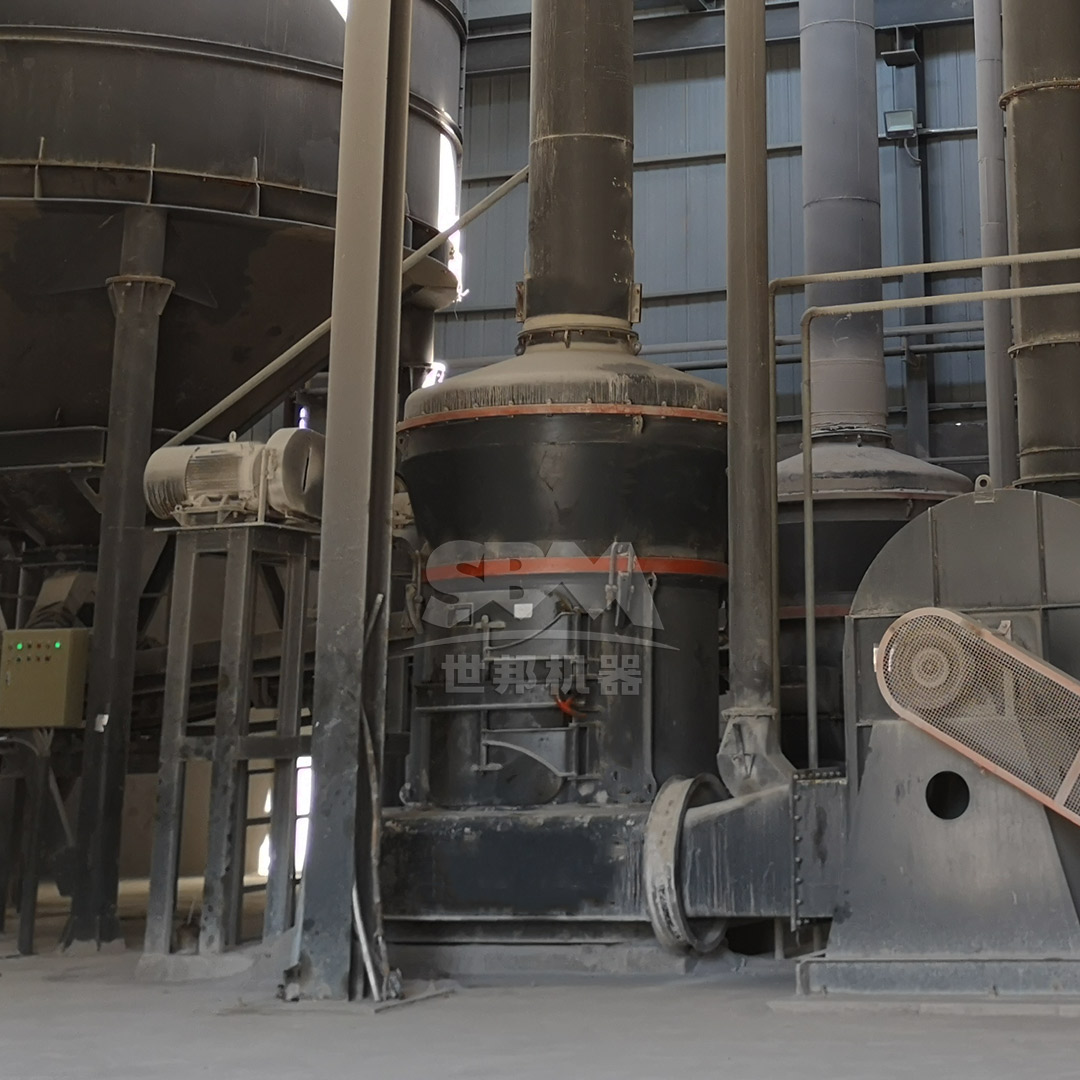
Ground Calcium Carbonate (GCC): This is a naturally occurring mineral obtained by mechanically crushing and grinding high-purity limestone, marble, or chalk. The process involves extraction, primary crushing, and then fine or ultrafine grinding to achieve the desired particle size distribution. The final product retains the original crystal morphology of the source material (typically rhombohedral calcite or needle-like aragonite). Its properties are largely dictated by the geology of the deposit and the efficiency of the grinding and classification system.
Precipitated Calcium Carbonate (PCC): This is a synthetic product manufactured through a chemical process called carbonation. Limestone is first calcined to produce quicklime (CaO), which is then slaked with water to form calcium hydroxide (Ca(OH)2). This milk-of-lime is then reacted with carbon dioxide (CO2) under controlled conditions (temperature, concentration, additives) to precipitate pure CaCO3 crystals. This method allows for precise control over the crystal shape (e.g., scalenohedral, rhombohedral, prismatic), size, and surface chemistry.
2. Comparative Analysis: Key Properties
Understanding the property differences is essential for making an informed choice.
- Purity & Brightness: PCC generally offers higher chemical purity (>98%) and superior brightness (often 92-96% ISO) as impurities are removed during the chemical process. GCC brightness (85-93% ISO) depends on the ore quality but can be improved via beneficiation.
- Particle Size & Distribution: GCC can be ground to a wide range of sizes, from coarse fillers (>10 μm) to ultrafine powders (<2 μm). The distribution can be broad. PCC is inherently fine (typically 0.5-3 μm) with a very narrow, controlled distribution.
- Particle Shape & Surface Area: GCC particles are irregular with rough surfaces. PCC particles are uniform, with engineered shapes that can enhance properties like opacity, reinforcement, and rheology. PCC has a higher specific surface area.
- Oil Absorption: Due to their irregular shape and surface roughness, GCC particles often have lower oil absorption than the more porous or structured PCC particles. This affects resin demand in plastics and paints.
- Cost Structure: GCC production is capital-intensive (mining, grinding) but has lower operational costs. PCC production has a lower capital footprint for the plant but higher variable costs (energy for calcination, CO2). Generally, GCC is more cost-effective per ton, especially for high-volume applications.
3. Application-Based Selection Guide
The optimal choice hinges on the functional requirements of the final product.
Choose GCC when:
- Paper (Filling & Coating): For bulk filling and standard coating applications where cost-effectiveness and high bulk are priorities. Modern ultrafine GCC competes directly with PCC in many coating grades.
- Plastics & Polymers: As a cost-effective filler and extender to reduce compound cost and improve stiffness. Treated GCC enhances compatibility with polymer matrices.
- Paints & Coatings: As an extender pigment to provide dry hide, control sheen, and improve sandability. It contributes to film integrity and weather resistance.
- Adhesives & Sealants: To adjust viscosity, reduce cost, and improve mechanical properties.
- Construction: In flooring, roofing, and other building materials where volume and cost are critical.
Choose PCC when:
- Paper (High-Quality Coating): For premium printing papers requiring exceptional brightness, opacity, gloss, and ink receptivity due to its engineered particle packing.
- Plastics (Reinforcement): When specific crystal shapes (e.g., scalenohedral) are needed to improve impact strength and dimensional stability in engineering plastics.
- Specialty Applications: In pharmaceuticals and food as an antacid or calcium supplement (requires high purity), in rubber for reinforcement, and in dentifrices for its mild abrasivity and brightness.
- When Precise Rheology is Needed: Its uniform shape and surface treatment allow for better control of viscosity in sensitive formulations.
4. The Critical Role of Grinding Technology for GCC
For GCC producers, the choice of grinding mill is not just about reducing size; it’s about creating value by tailoring the powder’s properties. The right technology must achieve target fineness, a favorable particle size distribution, maintain high brightness (low iron contamination), and do so energy-efficiently.
Here, the capabilities of your grinding equipment make all the difference. For instance, producing a GCC product that can compete with PCC in high-end paper coatings requires an ultrafine grind with a tight particle size distribution and superior classification efficiency.
5. Recommended Solutions from Our Product Portfolio
Based on the diverse needs of the GCC industry, we recommend two of our flagship grinding systems, each excelling in different segments of the fineness spectrum.
For High-Capacity, Coarse to Medium-Fine Grinding (30-325 mesh / 600-45μm):
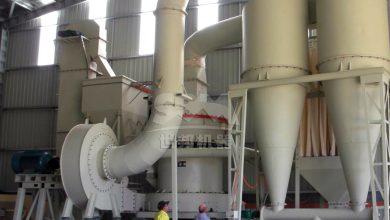
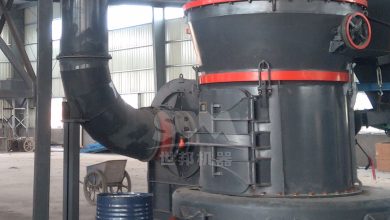
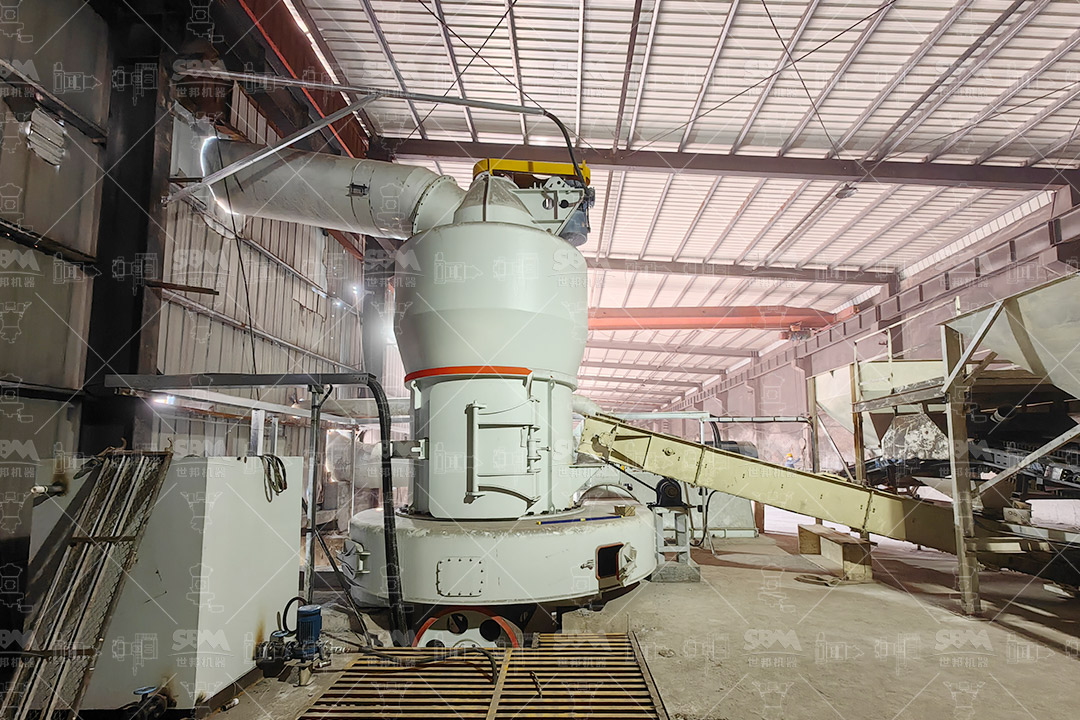
The MTW Series European Trapezium Mill is an ideal workhorse for producing GCC fillers for plastics, paints, and construction materials. Its robust design, featuring an anti-wear shovel and optimized arc air duct, ensures stable, high-volume output with low maintenance costs. The integral bevel gear drive offers transmission efficiency up to 98%, translating to significant energy savings. For operations aiming to produce consistent quality GCC in the 100-400 mesh range for bulk applications, the MTW series provides an unbeatable balance of reliability, efficiency, and cost-effectiveness.
For Premium Ultrafine & Coating-Grade GCC (325-2500 mesh / 45-5μm):
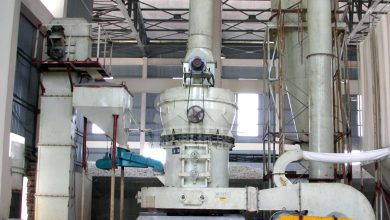
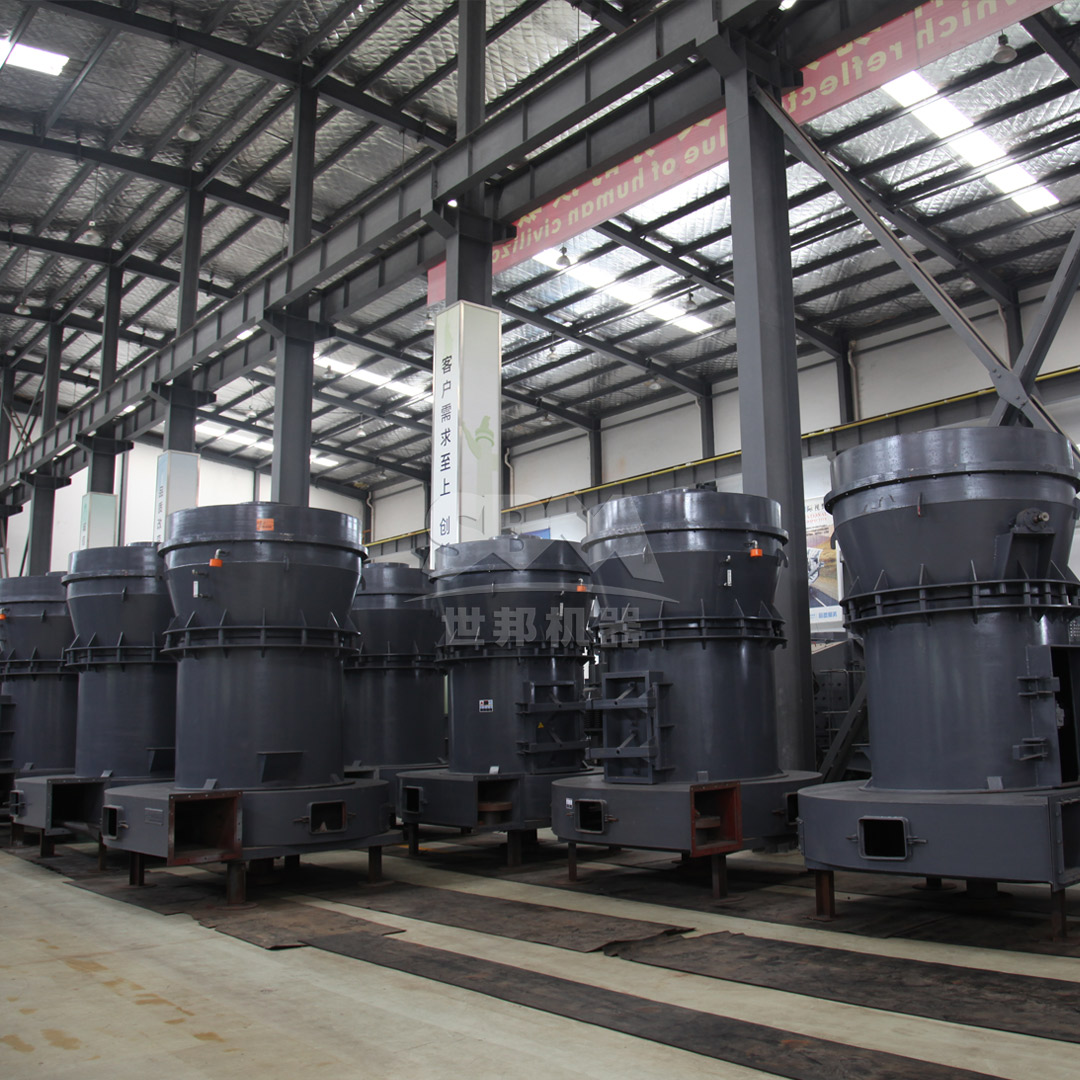
To produce GCC that meets or exceeds the performance of PCC in demanding applications like paper coating and high-end plastics, the SCM Series Ultrafine Mill is the technology of choice. Its high-precision vertical turbine classifier ensures precise particle size cutting with no coarse powder mixing, resulting in a uniform, narrow distribution critical for opacity and gloss. With a capacity 2x that of jet mills and 30% lower energy consumption, it sets a new standard for efficiency in ultrafine grinding. The special material rollers and rings, combined with an intelligent control system, guarantee durable, stable operation perfect for creating high-value GCC products.
Conclusion: A Strategic Decision
The choice between GCC and PCC is a strategic one, balancing performance requirements against budget constraints. While PCC offers engineered consistency for niche, high-performance applications, advanced grinding technology has dramatically expanded the capabilities and competitiveness of GCC.
By investing in the right grinding solution—such as our MTW Series for high-volume filler production or our SCM Series for premium ultrafine products—GCC producers can tailor their offerings to capture market share across a wide spectrum of industries. Ultimately, understanding the material science behind both forms of calcium carbonate, coupled with access to state-of-the-art processing technology, empowers you to make the optimal choice for your specific needs.