How to Choose a Raymond Mill? Raymond Mill Model Comparison Guide
Introduction: Navigating the World of Raymond Mills
Selecting the right grinding equipment is a critical decision that directly impacts production efficiency, product quality, and operational costs. The term “Raymond Mill” has evolved into a broad category encompassing various pendulum roller mills and vertical roller mills used for fine and ultra-fine grinding. This guide will demystify the selection process by comparing different mill types, highlighting key selection criteria, and introducing advanced solutions to match your specific needs.
Chapter 1: Understanding Your Grinding Requirements
Before comparing models, clearly define your project’s non-negotiable parameters. These form the foundation of your selection.
1.1 Feed Material Characteristics
- Hardness & Abrasiveness (Mohs Scale): Softer materials like calcite (Mohs 3) allow for higher capacities, while harder materials like quartz (Mohs 7) require more robust, wear-resistant designs.
- Moisture Content: High moisture can lead to clogging. Some mills integrate drying functions, while others require pre-drying.
- Input Size: The maximum feed size (e.g., ≤20mm, ≤50mm) dictates the preliminary crushing stage needed.
1.2 Desired Final Product Specifications
- Fineness (Mesh/Microns): This is the primary driver. Are you aiming for coarse powder (30-80 mesh), fine powder (200-325 mesh), or ultra-fine powder (400-2500 mesh)?
- Particle Size Distribution (PSD): A narrow, consistent PSD is crucial for high-value applications like coatings or fillers.
- Hourly Capacity (TPH): Determine your required throughput, considering both immediate needs and future expansion.
1.3 Operational & Site Constraints
- Power Availability & Consumption: Total connected power and energy efficiency targets.
- Space & Layout: Footprint and height restrictions in your plant.
- Environmental Standards: Local regulations for dust emission (e.g., <20mg/m³) and noise levels (e.g., ≤75dB).
Chapter 2: Raymond Mill Technology & Model Comparison
Different mill designs excel in different areas. Here’s a breakdown of the core technologies.
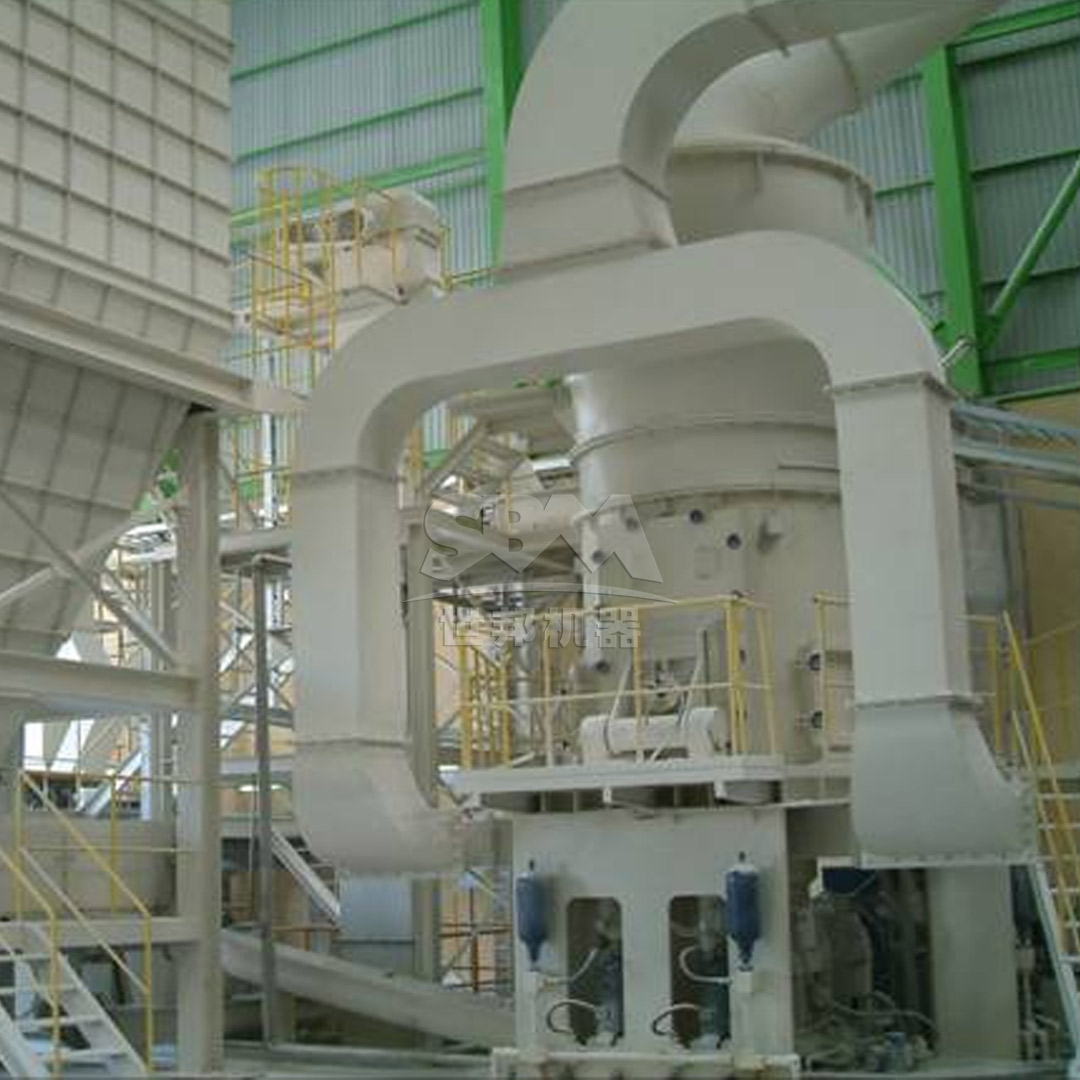
2.1 Traditional & Upgraded Pendulum Roller Mills (Raymond-type)
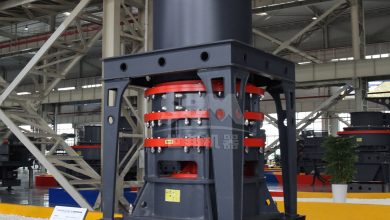
These are the classic “Raymond Mills” featuring a central shaft with suspended grinding rollers that swing outward due to centrifugal force.
- Typical Output: 30-325 mesh (600-45μm).
- Best For: Medium-fine grinding of non-metallic minerals like limestone, calcite, barite, and dolomite.
- Pros: Mature technology, reliable, relatively lower initial investment for standard fineness.
- Cons: Limited ultra-fine grinding capability, higher wear on moving parts compared to some vertical mills.
- Example – MTW Series Trapezium Mill: This represents a significant evolution of the traditional design. It features a conical gear overall transmission with 98% efficiency, an optimized curved air duct for reduced energy loss, and wear-resistant combined shovel blades. With an output range of 30-325 mesh and capacities from 3 to 45 TPH (depending on model like MTW138Z or MTW215G), it’s an excellent choice for high-volume production of fine powders where superior reliability and efficiency are needed.
2.2 Vertical Roller Mills (VRM)
A more modern design where material is ground between a rotating table and stationary or rotating rollers under hydraulic pressure.
- Typical Output: 30-600 mesh (600-20μm).
- Best For: Large-scale grinding of cement raw materials, slag, coal, and non-metallic minerals. Excellent for integrated grinding and drying.
- Pros: Exceptional energy efficiency (30-40% less than ball mills), high single-unit capacity, integrated drying, lower noise.
- Cons: Higher initial cost, more complex operation and maintenance.
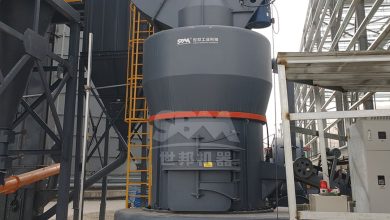
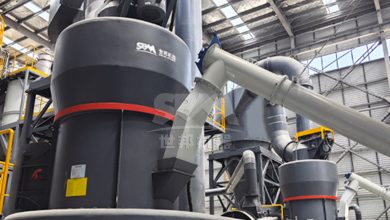
- Example – LM Series Vertical Roller Mill: This series exemplifies集约化设计 (intensive design), integrating crushing, grinding, and classification in one unit, reducing footprint by 50%. Its non-contact grinding roller and disc design triples wear part life. Models like the LM190K (23-68 TPH) or the specialized LM220N Slag Mill (20-26 TPH) offer tailored solutions for massive throughput requirements with low operating costs and full environmental compliance.
2.3 Ultra-fine Grinding Mills
Specialized mills designed to achieve micron and sub-micron level fineness.
- Typical Output: 325-2500 mesh (45-5μm).
- Best For: High-value additives, advanced materials, pharmaceuticals, and cosmetics where extreme fineness and narrow PSD are critical.
- Pros: Unmatched fineness control, high product uniformity.
- Cons: Lower capacity per unit, higher specific energy consumption for the finest grades.
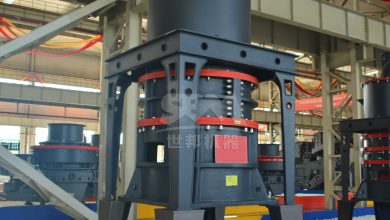
- Example – SCM Series Ultrafine Mill: When your target is ultra-fine powder, this mill is a premier choice. It achieves an impressive output of 325-2500 mesh (D97 ≤ 5μm). Its key advantage lies in its high-precision vertical turbine classifier, which ensures accurate particle size cuts without coarse powder contamination. Furthermore, it is highly energy-efficient, offering twice the capacity of jet mills with 30% lower energy consumption. For projects requiring consistent, high-quality ultra-fine powder, models like the SCM1000 (1.0-8.5 TPH) or the large-scale SCM1680 (5.0-25 TPH) provide robust and reliable solutions.
Chapter 3: Head-to-Head Comparison Table
| Feature / Mill Type | Pendulum Roller (e.g., MTW) | Vertical Roller (e.g., LM) | Ultra-fine Mill (e.g., SCM) |
|---|---|---|---|
| Optimal Fineness Range | 30-325 mesh | 30-600 mesh | 325-2500 mesh |
| Typical Capacity Scale | Medium to High (3-45 TPH) | Very High (3-250+ TPH) | Medium (0.5-25 TPH) |
| Energy Efficiency | Good | Excellent | Very Good (for its fineness range) |
| Wear Part Life | Standard | Long (special designs) | Long (special materials) |
| System Complexity | Moderate | Higher | Moderate to High |
| Integrated Drying | Limited | Yes | Possible |
| Ideal Application | General fine powder production | Large-scale raw material/slag/coal grinding | High-value ultra-fine powder production |
Chapter 4: Making the Final Decision – A Step-by-Step Guide
- Lock in Fineness & Capacity: Cross-reference your required fineness and capacity with the tables above. If you need 400 mesh powder at 15 TPH, an ultra-fine mill (SCM) or a fine-powder VRM (LMX series) becomes a candidate, while a standard pendulum mill is ruled out.
- Evaluate Total Cost of Ownership (TCO): Look beyond the purchase price. Calculate estimated energy consumption, wear part replacement costs and frequency, and required maintenance labor. A VRM often has a higher upfront cost but a lower TCO for large-scale operations.
- Consider Plant Integration: Does the mill need to fit an existing layout? Does it require a separate drying system? VRMs and modern pendulum mills often offer more compact, integrated solutions.
- Prioritize Environmental & Operational Goals: If noise and dust are major concerns, prioritize mills with features like integrated pulse dust collectors with >99.9% efficiency and soundproofing chambers (noise ≤75dB), as seen in both the SCM and MTW series.
- Request a Grinding Test: Reputable manufacturers offer testing services with your actual material. This is the most reliable way to verify capacity, fineness, and power consumption before purchase.
Conclusion: Partnering for Performance
Choosing the right Raymond Mill is a strategic investment. There is no one-size-fits-all solution. By systematically analyzing your material, product, and operational needs against the capabilities of different mill technologies—from the high-capacity MTW Trapezium Mill and the efficient LM Vertical Roller Mill to the precision-focused SCM Ultrafine Mill—you can make an informed decision that optimizes your production line for years to come. Always engage with technical experts who can provide detailed data, case studies, and material test reports to guide you to the perfect grinding solution.