How to Choose a Large Ore Grinding Mill Equipment Manufacturer
Introduction
Selecting the right large ore grinding mill equipment manufacturer is a critical decision that significantly impacts operational efficiency, production costs, and long-term profitability in mining and mineral processing operations. With numerous manufacturers offering various grinding technologies, making an informed choice requires careful evaluation of technical specifications, operational requirements, and manufacturer capabilities. This comprehensive guide provides essential criteria and considerations to help you identify the optimal grinding mill manufacturer for your specific needs.
Understanding Your Grinding Requirements
Material Characteristics Analysis
Before evaluating manufacturers, thoroughly analyze your material properties. Key factors include:
- Hardness and Abrasiveness: Mohs scale rating determines wear resistance requirements
- Moisture Content: Affects drying capacity and mill selection
- Feed Size Distribution: Determines pre-crushing needs and mill inlet design
- Target Product Fineness: Specific surface area or particle size distribution requirements
- Throughput Capacity: Daily production targets and scalability needs
Process Flow Considerations
Evaluate how the grinding mill integrates with your overall process:
- Open vs. closed circuit grinding requirements
- Dry vs. wet grinding processes
- Downstream separation and classification needs
- Material handling and transportation systems
Key Selection Criteria for Manufacturers
Technical Expertise and Experience
Look for manufacturers with proven experience in your specific industry and material type. Consider:
- Years in business and track record with similar applications
- Technical support capabilities and engineering expertise
- Research and development investments
- Patent portfolio and proprietary technologies
Equipment Performance and Efficiency
Evaluate the technical specifications and performance metrics:
- Energy consumption per ton of processed material
- Wear part lifetime and replacement costs
- Maintenance requirements and downtime statistics
- Automation and control system sophistication
Quality and Reliability
Assess manufacturing quality standards and equipment reliability:
- ISO certifications and quality management systems
- Material selection and manufacturing processes
- Testing facilities and quality control procedures
- Warranty terms and after-sales support
Types of Grinding Mills and Their Applications
Vertical Roller Mills (VRM)
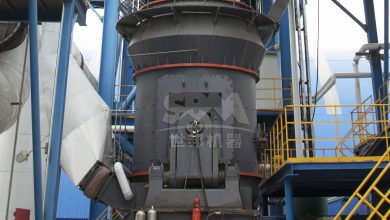
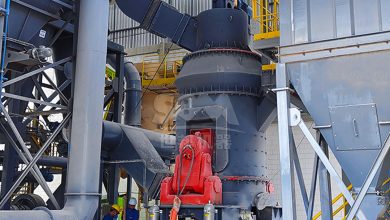
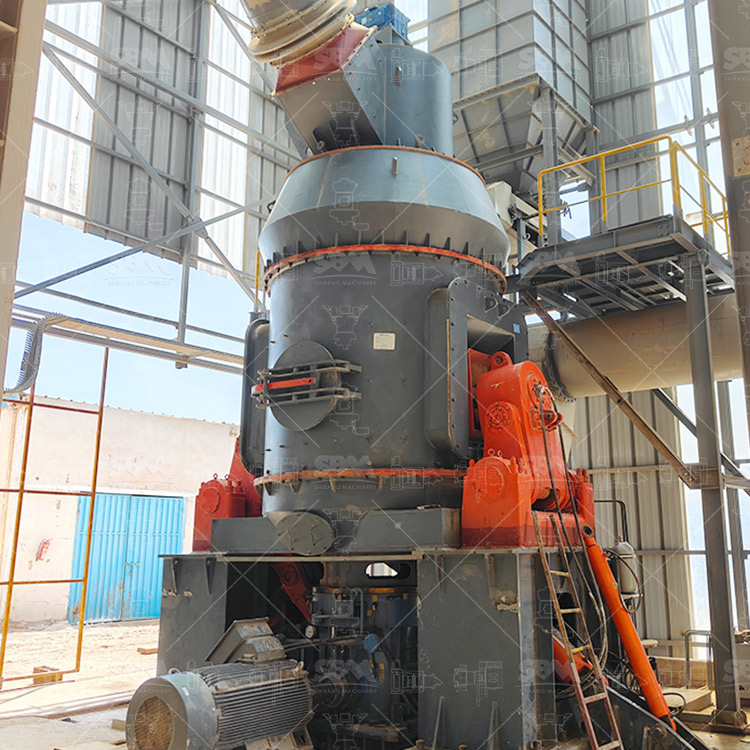
Vertical roller mills have gained significant popularity in recent years due to their high efficiency and compact design. These mills utilize large-diameter grinding tables and multiple rollers to achieve size reduction through compression and shear forces. VRMs offer several advantages:
- Lower specific energy consumption compared to ball mills
- Integrated drying capability for moist materials
- Compact footprint and reduced civil engineering costs
- Quick product fineness adjustment
For operations requiring high capacity with medium to fine grinding, we recommend our LM Series Vertical Roller Mill. This advanced mill system integrates crushing, grinding, and separation functions in a single unit, reducing footprint by 50% and cutting energy consumption by 30-40% compared to traditional ball mill systems. The LM series offers processing capacities from 3-250 tons per hour with output fineness ranging from 30-325 mesh, with special models achieving up to 600 mesh. Its intelligent control system supports remote operation and real-time monitoring, while the sealed negative pressure operation ensures dust emissions remain below 20mg/m³.
Ball Mills
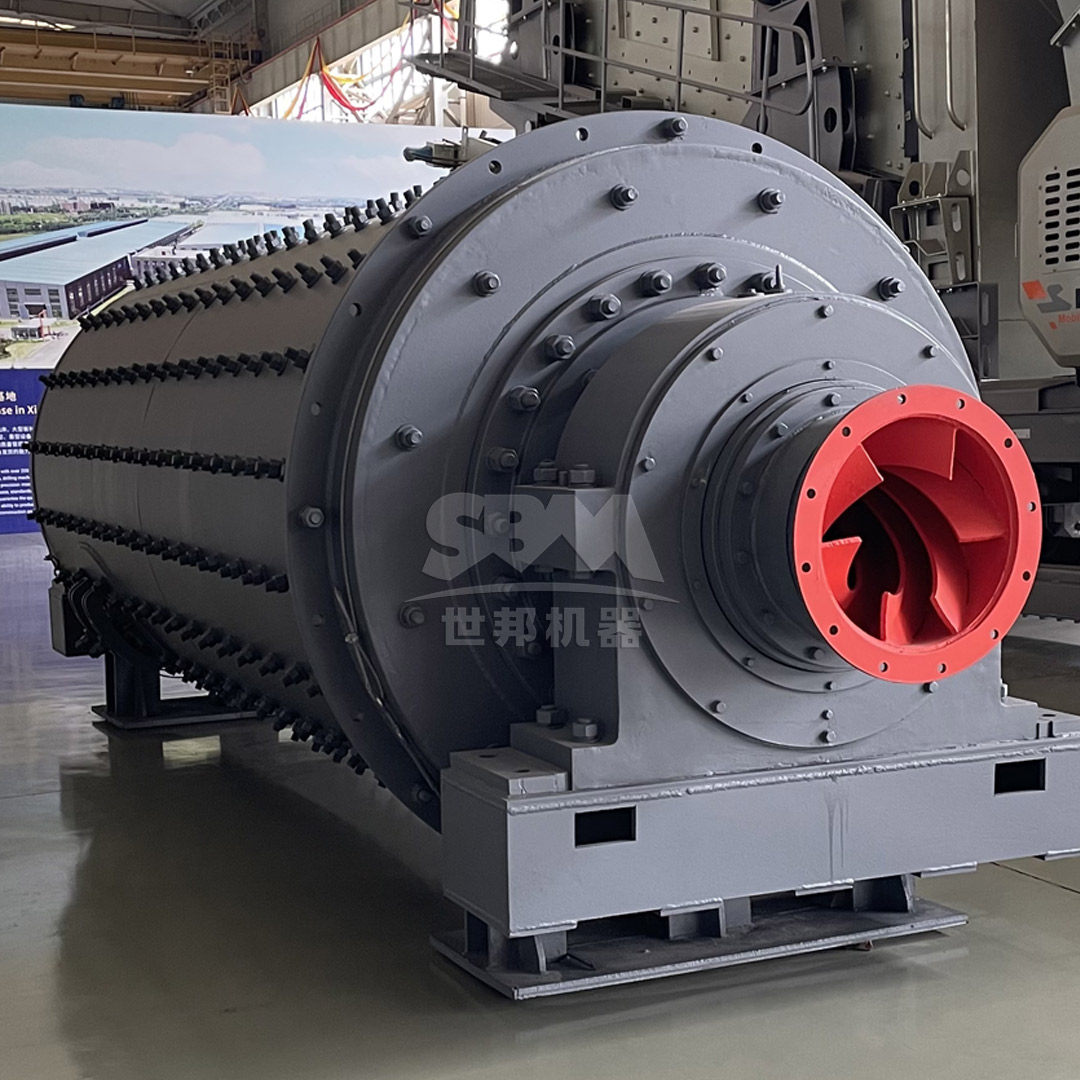
Ball mills remain the workhorse of many grinding circuits, particularly for wet grinding applications and when producing coarse to medium-fine products. Key characteristics include:
- Proven technology with predictable performance
- Ability to handle abrasive materials
- Wide range of sizes and configurations
- Relatively simple operation and maintenance
Ultrafine Grinding Mills
For applications requiring very fine products, specialized ultrafine grinding technologies are essential. These mills typically employ advanced classification systems and precise grinding mechanisms to achieve particle sizes down to the micron range.
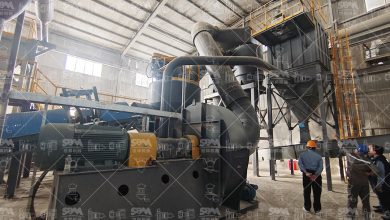
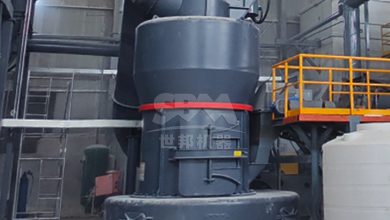
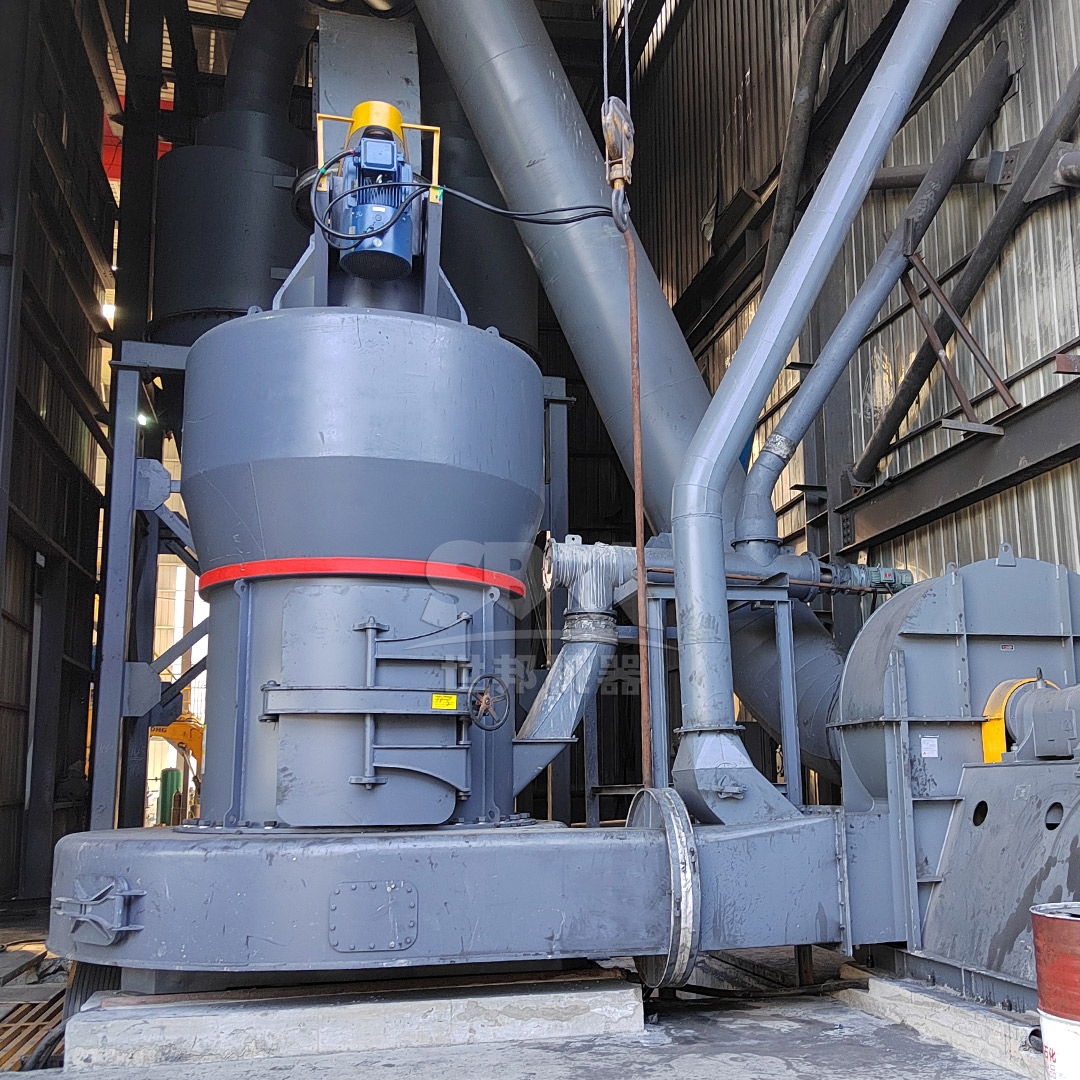
For ultrafine grinding requirements, our SCM Ultrafine Mill represents the pinnacle of fine grinding technology. Capable of producing powders from 325 to 2500 mesh (D97 ≤ 5μm) with throughput capacities ranging from 0.5 to 25 tons per hour, the SCM series delivers twice the capacity of jet mills while reducing energy consumption by 30%. The integrated vertical turbine classifier ensures precise particle size distribution without coarse particle contamination, while special material rollers and grinding rings extend service life significantly. With noise levels below 75dB and pulse dust collection efficiency exceeding international standards, this mill meets the most stringent environmental requirements.
Manufacturer Evaluation Process
Technical Proposal Assessment
When reviewing manufacturer proposals, ensure they include:
- Detailed equipment specifications and performance guarantees
- Flow sheet diagrams and plant layout recommendations
- Utility consumption estimates (power, water, compressed air)
- Installation, commissioning, and training plans
- Spare parts recommendations and inventory requirements
Reference Site Visits
Always visit existing installations with similar applications:
- Verify performance claims with actual operating data
- Discuss maintenance experiences with operations staff
- Evaluate build quality and wear patterns on critical components
- Assess ease of operation and maintenance accessibility
Financial Stability and Support Capabilities
Consider the manufacturer’s financial health and support infrastructure:
- Company financial statements and stability indicators
- Global service network and response time commitments
- Spare parts availability and logistics
- Training programs and technical documentation quality
Total Cost of Ownership Analysis
Initial Investment vs. Operating Costs
Evaluate the complete cost picture beyond the initial equipment price:
- Installation and foundation requirements
- Power consumption over equipment lifetime
- Wear part consumption and replacement frequency
- Maintenance labor requirements and specialized tool needs
- Potential production losses during maintenance downtime
Lifecycle Cost Calculation
Develop a comprehensive lifecycle cost model including:
- Capital investment amortization
- Energy costs based on local electricity rates
- Consumables (grinding media, liners, lubricants)
- Maintenance labor and parts
- Expected equipment lifetime and residual value
Environmental and Safety Considerations
Emission Control and Noise Reduction
Modern grinding mills must comply with increasingly stringent environmental regulations:
- Dust emission control systems and filtration efficiency
- Noise attenuation measures and workplace exposure limits
- Vibration isolation and foundation requirements
- Water consumption and effluent quality for wet grinding
Operator Safety Features
Evaluate built-in safety systems and protective devices:
- Emergency stop systems and interlocks
- Guarding of rotating components and drive systems
- Dust explosion protection where applicable
- Ergonomic design for operation and maintenance
Future-Proofing Your Investment
Scalability and Flexibility
Consider how the equipment can adapt to future requirements:
- Capacity expansion capabilities within the same equipment footprint
- Ability to process different ore types or blends
- Compatibility with emerging automation and control technologies
- Modular design for component upgrades or technology enhancements
Technology Roadmap Alignment
Assess the manufacturer’s commitment to ongoing product development:
- R&D investment levels and innovation pipeline
- Technology upgrade paths for existing equipment
- Digitalization capabilities and Industry 4.0 readiness
- Compatibility with emerging process optimization technologies
Conclusion
Selecting the right large ore grinding mill manufacturer requires a systematic approach that balances technical performance, operational efficiency, total cost of ownership, and long-term reliability. By thoroughly evaluating manufacturers against the criteria outlined in this guide and conducting proper due diligence, you can make an informed decision that will deliver optimal performance throughout the equipment’s lifecycle. Remember that the best choice depends on your specific application requirements, operational constraints, and strategic objectives, making a comprehensive evaluation process essential for success.