
How to Choose a Grinding Mill for Phosphogypsum Utilization?
Introduction
Phosphogypsum, a by-product of phosphoric acid production, presents both environmental challenges and valuable utilization opportunities. With approximately 5 tons of phosphogypsum generated per ton of phosphoric acid, effective processing is crucial for sustainable industrial practices. Proper grinding is the fundamental step that enables phosphogypsum to be transformed into valuable products for construction materials, soil amendments, and other industrial applications. This comprehensive guide examines the critical factors in selecting appropriate grinding equipment for phosphogypsum utilization projects.
Understanding Phosphogypsum Characteristics
Phosphogypsum possesses unique physical and chemical properties that significantly influence grinding equipment selection. The material typically contains 10-20% free moisture, with crystal structures ranging from fine needles to large tabular forms. Its chemical composition includes 90-95% calcium sulfate dihydrate, along with various impurities such as phosphates, fluorides, and trace radioactive elements.
The abrasive nature of phosphogypsum, combined with its tendency to absorb moisture, creates specific challenges for grinding operations. Equipment must handle materials with moderate hardness (Mohs 2-3) while maintaining consistent performance despite potential variations in moisture content and impurity levels.
Key Selection Criteria for Grinding Mills
Required Product Fineness
The intended application dictates the necessary fineness range. Construction applications typically require 80-200 mesh, while high-value applications like plastic fillers may demand 800-1250 mesh. Understanding your target market’s specifications is essential for proper equipment selection.
Production Capacity Requirements
Project scale significantly impacts mill selection. Small-scale operations (1-5 t/h) have different requirements than large industrial plants (20-100 t/h). Consider both current needs and future expansion plans when evaluating capacity.
Moisture Content and Drying Needs
Phosphogypsum’s inherent moisture content often necessitates integrated drying systems. Some mills offer combined grinding and drying capabilities, while others require separate pre-drying equipment.
Energy Efficiency Considerations
Grinding operations typically account for 30-60% of total energy consumption in phosphogypsum processing plants. Selecting energy-efficient equipment can substantially reduce operational costs.
Environmental Compliance
Modern grinding systems must address dust control, noise reduction, and emissions management to meet increasingly stringent environmental regulations.
Types of Grinding Mills for Phosphogypsum
Vertical Roller Mills
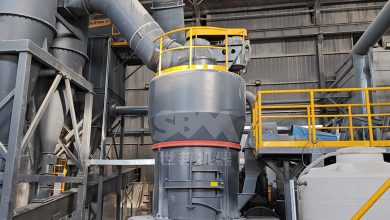
Vertical roller mills offer excellent solutions for medium to large-scale phosphogypsum processing. Their integrated grinding and drying capabilities make them particularly suitable for handling moist phosphogypsum directly without pre-drying.
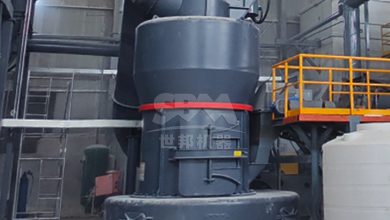
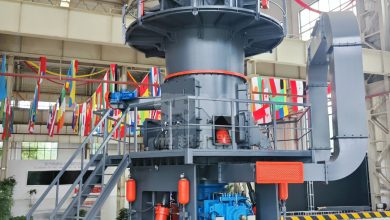
Our LM Series Vertical Roller Mill demonstrates exceptional performance in phosphogypsum applications. With its集约化设计 that reduces footprint by 50% and energy consumption 30-40% lower than ball mill systems, this equipment represents the forefront of grinding technology. The system’s intelligent control capabilities and full-seal negative pressure operation ensure environmental compliance with dust emissions below 20mg/m³.
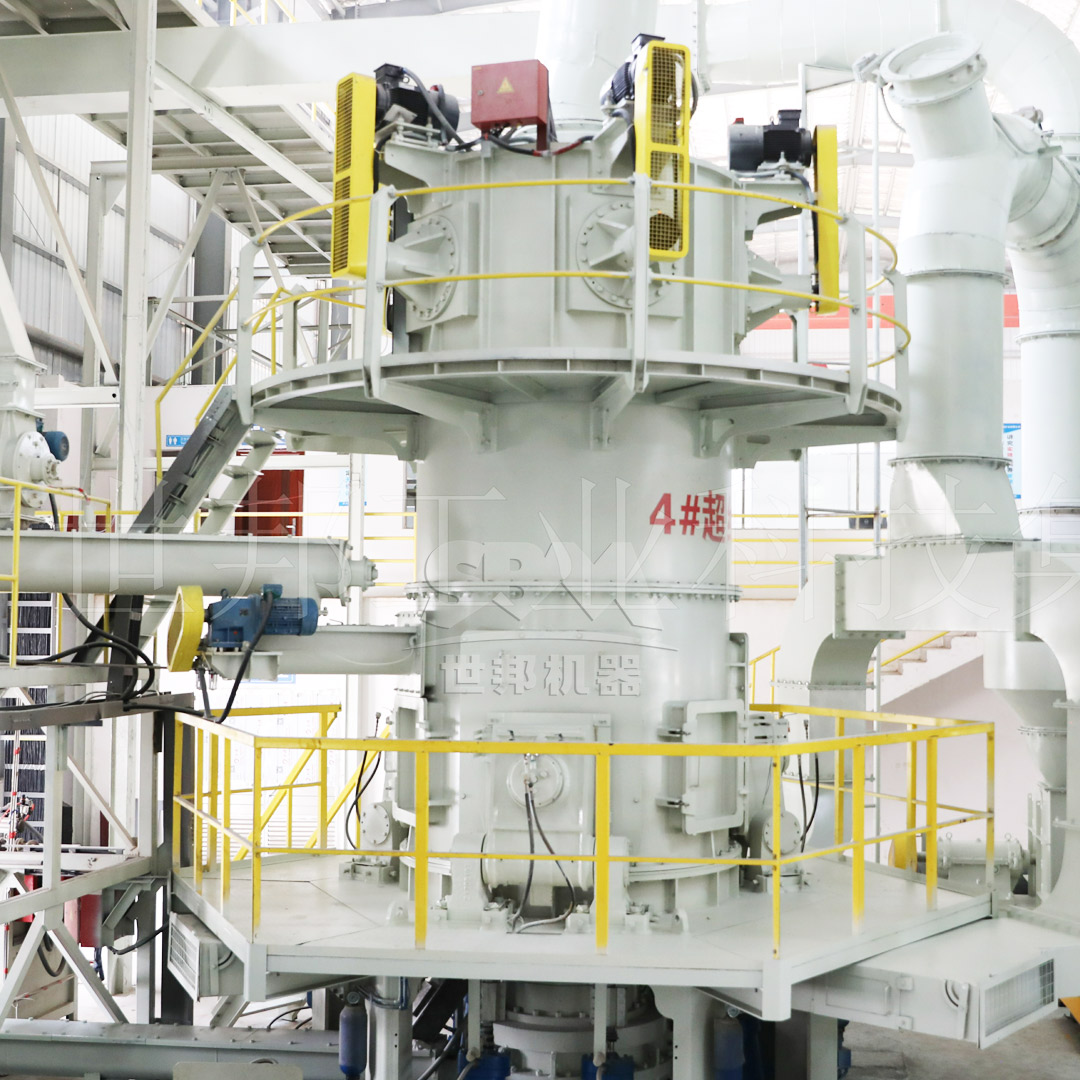
The LM series handles input sizes up to 50mm and delivers output fineness from 30-325 mesh, with special models achieving 600 mesh. With capacities ranging from 3-250 tons per hour, these mills can accommodate projects of virtually any scale. The non-contact design between grinding rollers and disc extends wear part life threefold, significantly reducing maintenance costs.
Ultrafine Grinding Mills
For high-value applications requiring exceptional fineness, ultrafine grinding mills provide the necessary precision and control. These systems are ideal for producing phosphogypsum powders for specialized applications in plastics, coatings, and advanced construction materials.
Our SCM Ultrafine Mill series stands out for phosphogypsum applications requiring fine to ultrafine powders. With output fineness ranging from 325-2500 mesh (D97≤5μm) and capacities from 0.5-25 tons per hour, these mills deliver precision grinding with remarkable energy efficiency. The vertical turbine classifier ensures precise particle size distribution without coarse powder contamination.
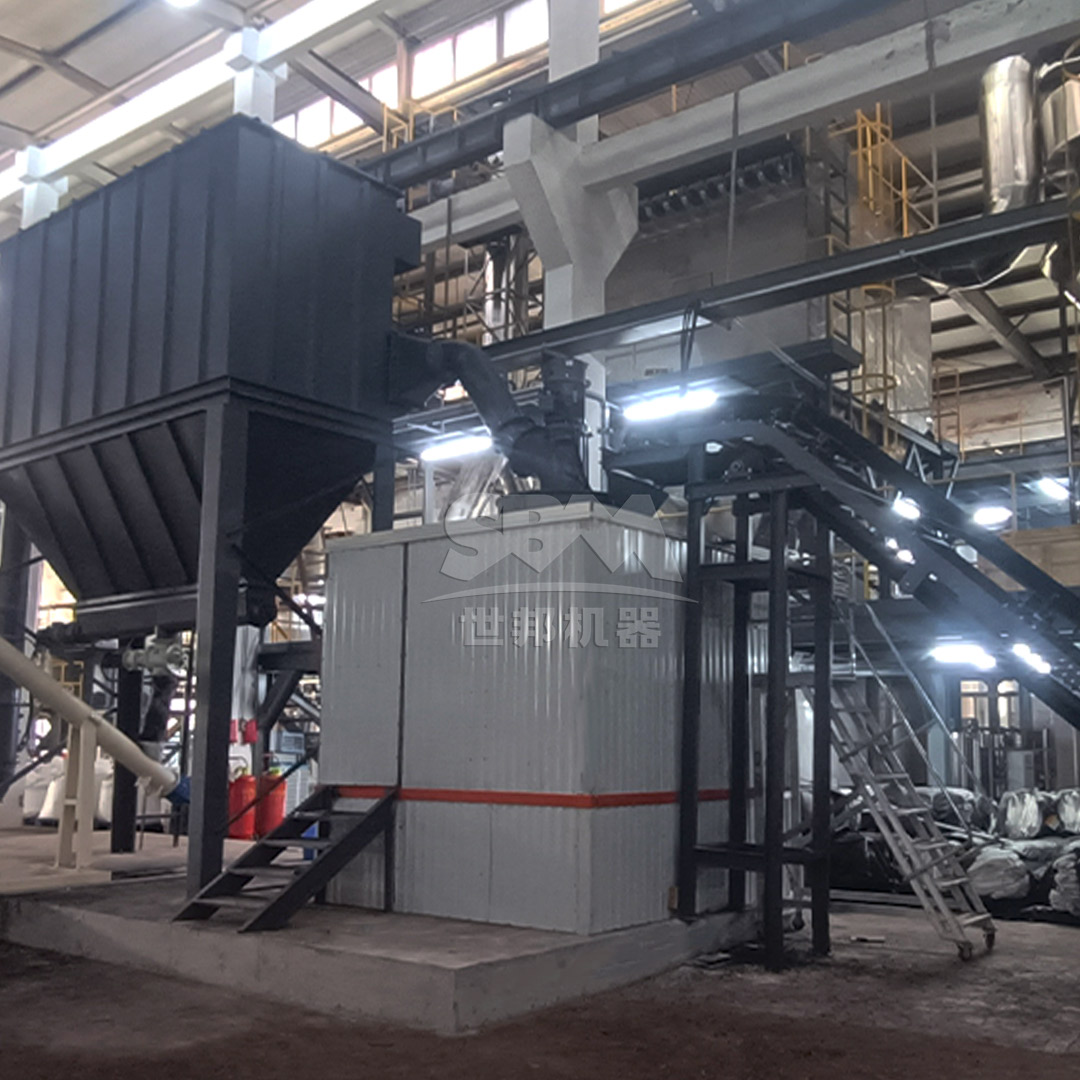
The SCM series achieves twice the capacity of jet mills while reducing energy consumption by 30%. Special material roller and ring designs extend service life several times over conventional systems. With noise levels below 75dB and pulse dust collection efficiency exceeding international standards, these mills meet the most demanding environmental requirements.
Trapezium Mills
MTW Series Trapezium Mills offer balanced performance for general-purpose phosphogypsum grinding. Their robust construction and efficient operation make them suitable for medium-scale operations with output requirements in the 30-325 mesh range.
Ball Mills
While traditional, ball mills remain relevant for certain phosphogypsum applications, particularly when combined with drying systems. Their high破碎比 (up to 300:1) and versatility for both dry and wet processing maintain their position in the industry.
Technical Comparison of Mill Types
When evaluating grinding equipment for phosphogypsum, consider these key technical differentiators:
Energy Consumption: Vertical roller mills typically consume 30-50% less energy than ball mills for equivalent output. Ultrafine mills offer additional savings through advanced classification systems.
Footprint Requirements: Vertical mills require significantly less space than horizontal ball mills, with some models reducing installation area by 50%.
Maintenance Demands: Modern vertical mills feature extended wear part life and quicker replacement systems, reducing downtime and maintenance costs.
Operational Flexibility: Advanced control systems in modern mills allow rapid adjustment of product fineness and quick response to changing feed conditions.
Integrated System Design Considerations
Successful phosphogypsum grinding operations require more than just selecting the right mill. Consider these system integration factors:
Feed System Design
Proper feed system design ensures consistent material flow to the grinding mill. Variable-speed feeders and pre-breaking equipment help maintain optimal operation.
Drying Integration
For phosphogypsum with significant moisture content, integrated hot air systems or separate dryers must be properly sized and controlled to achieve target moisture levels.
Product Collection and Classification
Efficient powder collection systems, combined with precise classification equipment, ensure product quality and system efficiency. Modern systems feature high-efficiency cyclones and bag filters with automatic cleaning.
Automation and Control
Advanced control systems monitor critical parameters including mill load, temperature, pressure, and product fineness. These systems optimize performance and provide early warning of potential issues.
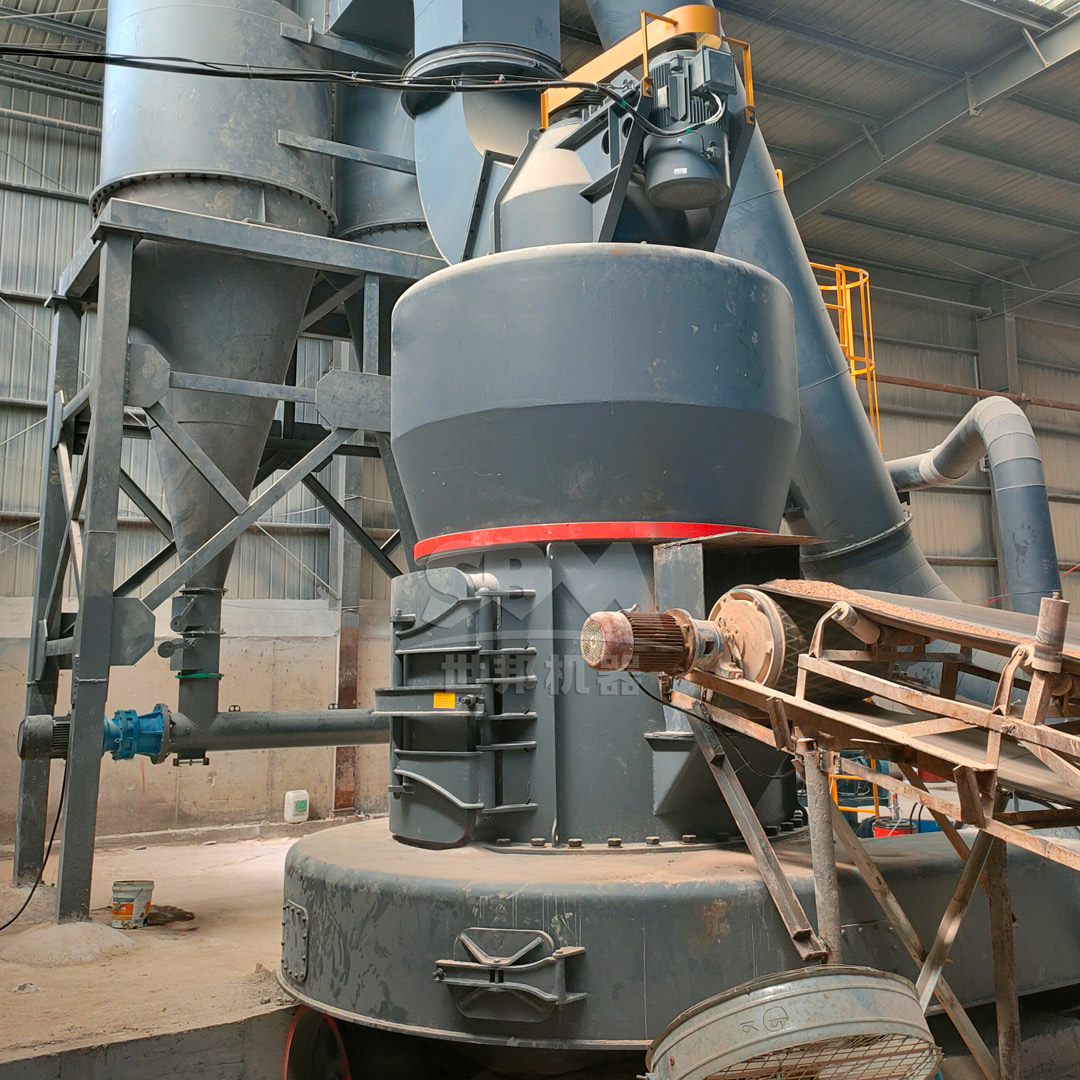
Case Study: SCM Ultrafine Mill in Phosphogypsum Processing
A recent installation of our SCM1000 Ultrafine Mill for phosphogypsum processing demonstrates the technology’s capabilities. Processing 20mm phosphogypsum with 15% moisture content, the system consistently produces 1250 mesh product at 4.2 tons per hour. The vertical turbine classification system ensures 95% of product falls within the target size range, with energy consumption 35% lower than the replaced jet mill system.
The installation features integrated pulse dust collection maintaining workplace dust levels below 2mg/m³, well within regulatory requirements. The mill’s automatic control system adjusts operational parameters in real-time based on feed rate and moisture variations, maintaining consistent product quality despite fluctuating input conditions.
Economic Considerations
Beyond technical performance, economic factors significantly influence grinding mill selection:
Capital Investment
Vertical roller mills typically require higher initial investment than traditional ball mills but offer lower operating costs. Ultrafine mills represent premium solutions for high-value applications.
Operating Costs
Energy consumption, wear part replacement, and maintenance labor constitute the primary operating costs. Modern mills with extended wear life and energy-efficient designs provide substantial savings over equipment lifetime.
Return on Investment
The value-added through proper grinding must justify equipment costs. Higher-value applications can support more sophisticated grinding systems, while commodity applications require cost-focused solutions.
Environmental and Regulatory Compliance
Modern grinding systems must address multiple environmental considerations:
Dust Emissions: Advanced collection systems with efficiency exceeding 99.9% are now standard. Our equipment features pulse jet bag filters that maintain emissions below 20mg/m³.
Noise Control: Integrated noise reduction technologies, including acoustic enclosures and vibration damping, keep operational noise below 80dB.
Energy Efficiency: Beyond cost savings, reduced energy consumption decreases the carbon footprint of phosphogypsum processing operations.
Future Trends in Phosphogypsum Grinding Technology
The evolution of grinding technology continues to address the specific challenges of phosphogypsum processing:
Smart Grinding Systems: Integration of IoT sensors and AI-based optimization algorithms enables predictive maintenance and continuous performance improvement.
Hybrid Systems: Combining different grinding technologies in series or parallel configurations optimizes efficiency for specific product requirements.
Advanced Materials: New composite materials for wear parts extend service life and reduce contamination risks in high-purity applications.
Conclusion
Selecting the appropriate grinding mill for phosphogypsum utilization requires careful consideration of technical requirements, economic factors, and environmental considerations. Vertical roller mills offer excellent solutions for most medium to large-scale applications, while ultrafine mills provide precision grinding for high-value products. Our SCM Ultrafine Mill and LM Series Vertical Roller Mill represent proven solutions that address the specific challenges of phosphogypsum processing, combining operational efficiency with environmental responsibility.
By understanding your specific requirements and matching them with appropriate technology, you can optimize your phosphogypsum utilization project for both economic success and environmental sustainability. The right grinding equipment serves as the foundation for transforming waste phosphogypsum into valuable products that support circular economy principles while addressing environmental challenges.