How to Choose a Dry Process Production Line for Ground Calcium Carbonate (GCC): A Comparison of Dry Processing Technologies
Introduction
Ground Calcium Carbonate (GCC) is a cornerstone industrial mineral with applications spanning plastics, paints, paper, adhesives, and construction. The selection of an appropriate dry processing production line is a critical decision that directly impacts product quality, operational efficiency, and long-term profitability. Unlike wet processing, dry methods offer advantages in water conservation, lower drying energy, and suitability for moisture-sensitive applications. This article provides a comprehensive guide to navigating the key considerations and technologies for establishing an efficient GCC dry processing line, culminating in targeted equipment recommendations.
Key Considerations for GCC Dry Processing Line Selection
Before comparing specific technologies, it is essential to define your project’s core parameters. These factors will dictate the optimal equipment configuration.
1. Target Product Specifications
- Particle Size Distribution (PSD): The required fineness (D50, D97) and top cut are paramount. Are you producing coarse fillers (45-100 mesh), fine powders (200-400 mesh), or ultrafine and nano GCC (above 1250 mesh)?
- Particle Shape & Surface Area: Certain applications require specific particle morphologies. Dry grinding typically produces more angular particles compared to wet milling, which can be a factor for rubber or plastic reinforcement.
- Whiteness & Chemical Purity: The processing line must be designed to prevent iron contamination and maintain the brightness of the raw material.
2. Production Capacity and Scalability
Define your required throughput (tons per hour) and consider future expansion. The chosen technology must offer a model that matches your capacity needs without significant over-engineering.
3. Raw Material Characteristics
The hardness (Mohs scale), moisture content, and feed size of the limestone feedstock are crucial. Softer materials like marble or chalk are easier to grind than hard calcite.
4. Total Cost of Ownership (TCO)
Look beyond the initial capital expenditure (CAPEX). Evaluate the operational expenditure (OPEX), including energy consumption per ton, wear part costs and lifetime, maintenance complexity, and required personnel.
5. Plant Footprint and Environmental Compliance
Space constraints may influence technology choice. Furthermore, the system must efficiently handle dust collection to meet stringent emission standards (e.g., <20 mg/Nm³) and control noise pollution.
Comparison of Core Dry Grinding Technologies for GCC
The heart of any GCC plant is the grinding and classification system. Here we compare the predominant technologies.
1. Ball Mill with Classifier
Principle: A rotating cylinder filled with steel balls cascades and crushes the material by impact and attrition. An external air classifier separates fines, returning coarse material.
Typical GCC Output: 45-200 mesh (coarse to medium fine).
Pros: Proven, robust technology; high single-pass capacity; relatively low capital cost for large systems.
Cons: High energy consumption (low efficiency for fine grinding); high wear media consumption; noisy; produces a broad PSD without efficient external classification; limited ability to produce very fine (<400 mesh) products economically.
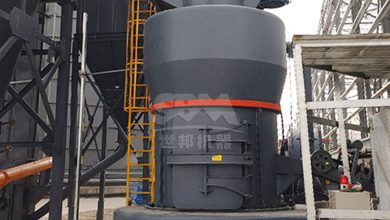
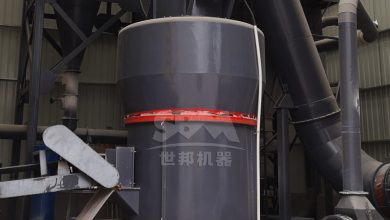
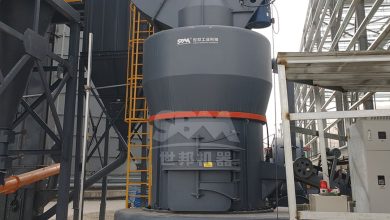
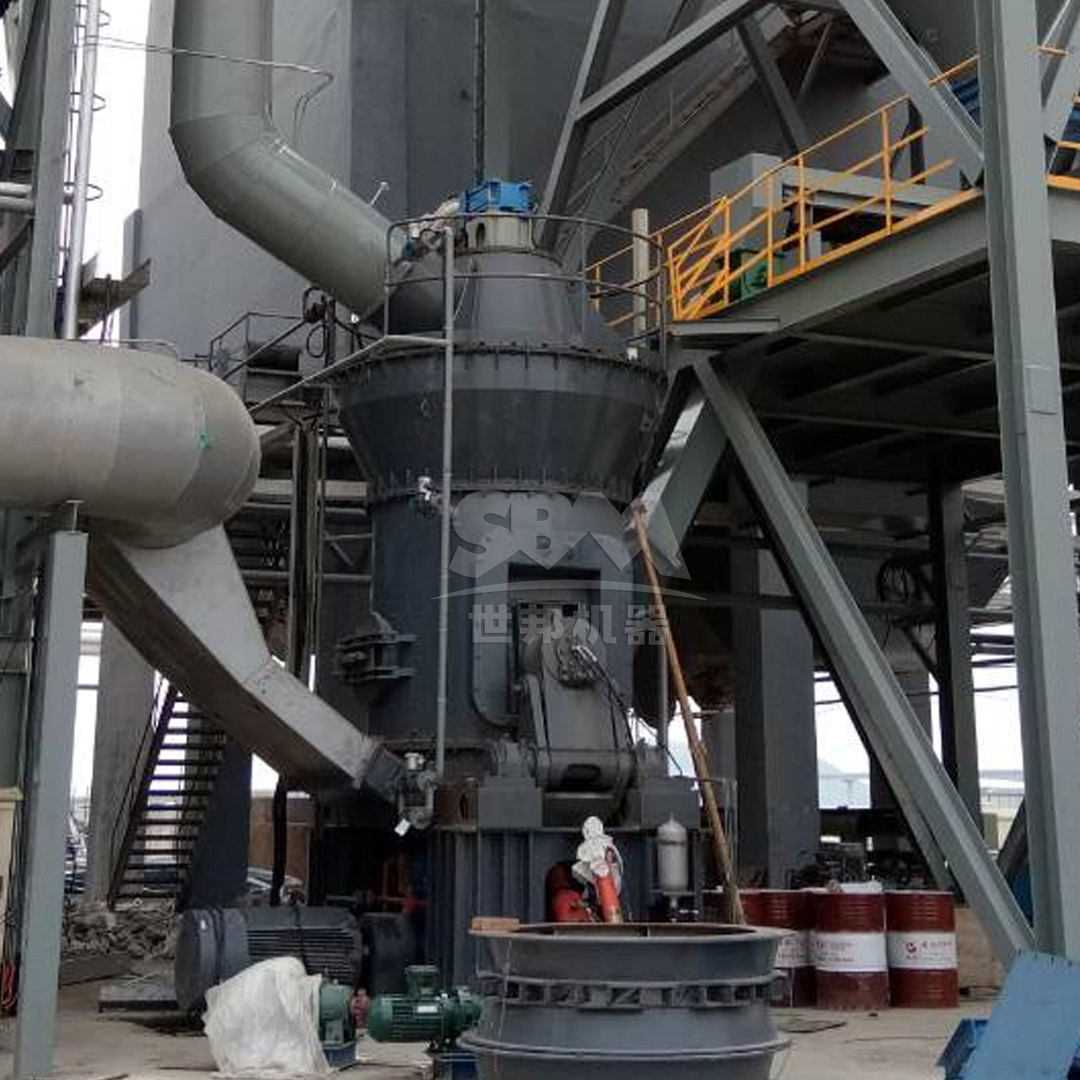
2. Vertical Roller Mill (VRM)
Principle: Material is fed onto a rotating grinding table and crushed under hydraulically loaded rollers. Ground material is transported by air to an integrated classifier.
Typical GCC Output: 80-400 mesh, with special designs reaching 600 mesh.
Pros: Excellent energy efficiency (30-40% less than ball mills); integrated drying of moist feed; compact footprint; lower noise levels; good for medium to high capacity ranges.
Cons: Higher capital cost than traditional mills; grinding finer than 600 mesh can be challenging; wear part replacement is a specialized task.
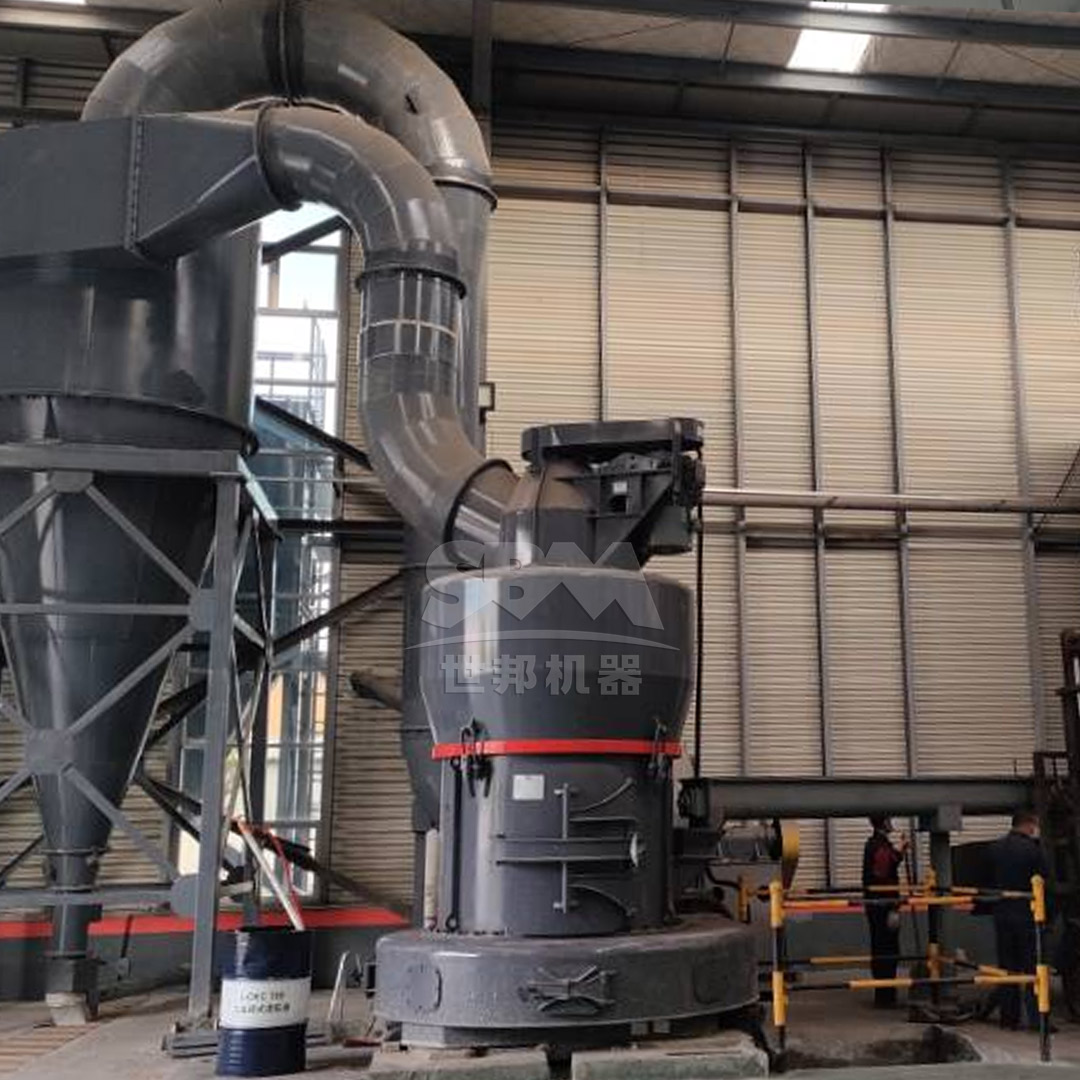
3. Raymond Mill (Roller Mill) / Pendulum Mill
Principle: Centrifugal force causes grinding rollers to swing outward and press against a stationary grinding ring. A blade system feeds material into the grinding zone.
Typical GCC Output: 30-325 mesh.
Pros: Reliable, well-understood technology; lower capital cost for small to medium capacities; easy maintenance.
Cons: Energy efficiency drops significantly when grinding finer than 200 mesh; limited top fineness; higher wear rates for fine grinding compared to more modern designs.
4. Ultrafine Grinding Mills (e.g., Fluidized Bed Jet Mill, Agitated Media Mill, Advanced Ring-Roller Mills)
Principle: These mills use particle-on-particle impact (jet mills), intensive attrition (media mills), or multi-layer grinding mechanics to achieve sub-micron sizes.
Typical GCC Output: 600 mesh up to D97 = 2-5 μm (2500+ mesh).
Pros: Capable of producing the finest GCC products; narrow particle size distribution; some types (jet mills) have no moving parts in the grinding zone, minimizing contamination.
Cons: High specific energy consumption (especially jet mills); lower single-machine capacity; higher operational complexity and cost; may require precise feed size control.
Technology Recommendation Based on Target Fineness
- For Coarse to Medium Fines (30-200 mesh): A MTW Series Trapezium Mill or a large-capacity Ball Mill with an efficient classifier is suitable. The MTW series, with its advanced features like curved air duct and cone gear transmission, offers superior energy efficiency and stability in this range.
- For Fine to Very Fine GCC (200-600 mesh): The Vertical Roller Mill (e.g., LM series) is the optimal choice for its outstanding energy efficiency and integrated operation. For projects requiring high capacity and fine products up to 600 mesh, the LM Vertical Fine-powder Mill series (e.g., LM190X-GX) is specifically engineered for this duty, offering a perfect balance of output, fineness, and low operating cost.
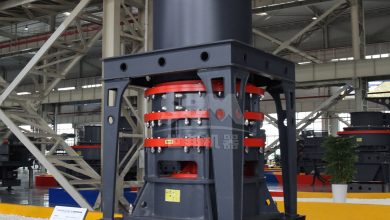
- For Ultrafine GCC (600-2500+ mesh): Specialized ultrafine grinding technology is required. For this demanding application, we highly recommend our flagship SCM Ultrafine Mill. It is engineered to excel precisely in the production of high-value ultrafine powders.
Spotlight on Recommended Solutions
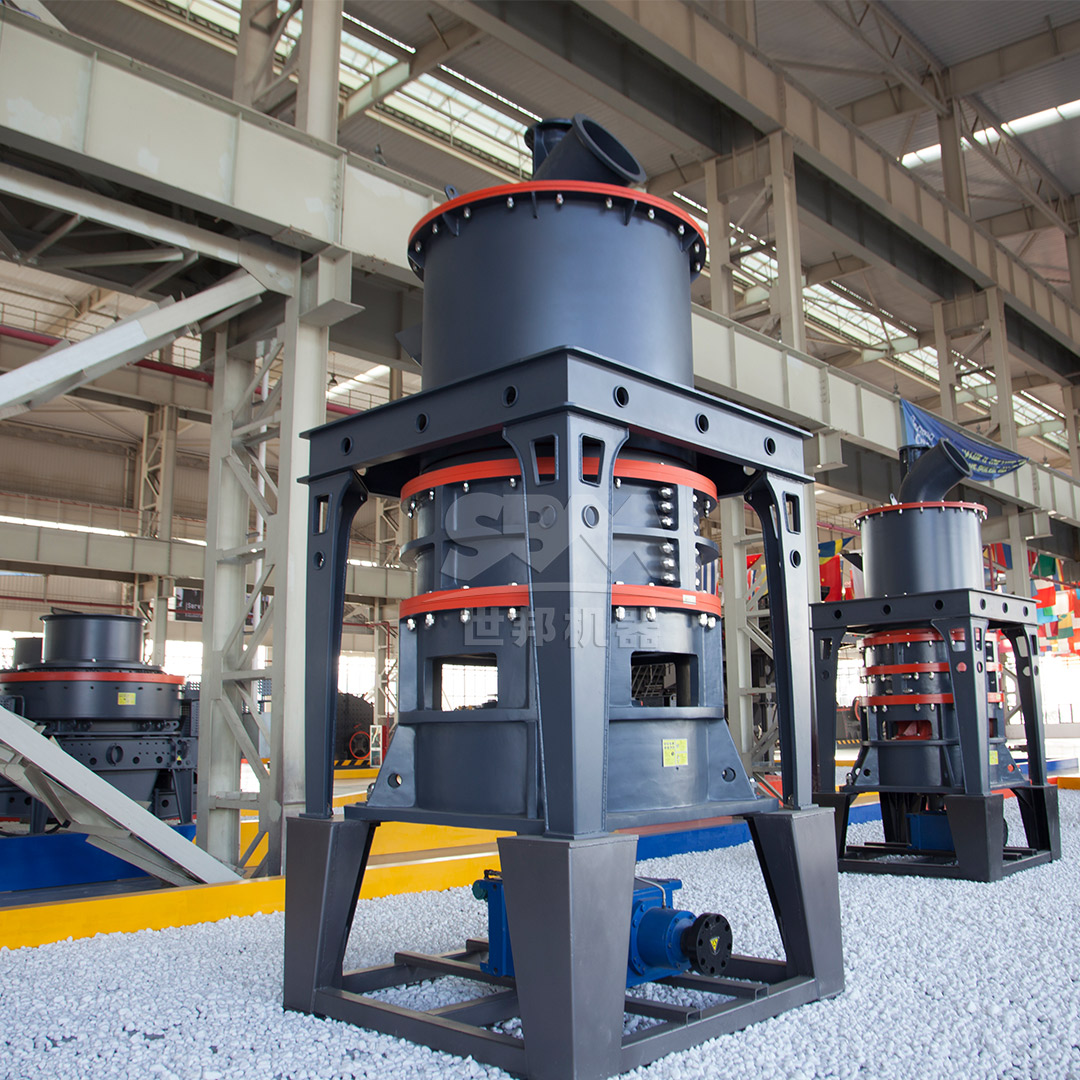
1. For High-Capacity Fine & Ultrafine Production: SCM Ultrafine Mill
When your target is the high-value ultrafine GCC market (D97 ≤ 5μm), conventional mills fall short. Our SCM Ultrafine Mill is purpose-built for this challenge. Its unique three-layer ring and roller grinding principle, coupled with a high-precision vertical turbine classifier, ensures efficient production of consistent, ultra-fine powder.
Why it stands out for GCC:
- Superior Efficiency: Delivers up to twice the output of a jet mill with 30% lower energy consumption, drastically reducing your cost per ton for ultrafine product.
- Exceptional Product Quality: The precision classifier guarantees a sharp top cut (D97) with no coarse grit contamination, which is critical for applications in plastics, masterbatch, and high-grade coatings.
- Robust and Clean Operation: Features like the bearingless screw grinding chamber enhance stability, while its comprehensive pulse dust collection system ensures emissions are well below international standards, making it an environmentally sound choice.
With models like the SCM1250 (2.5-14 t/h) or the SCM1680 (5-25 t/h), the SCM series can serve as the core of a large-scale, profitable ultrafine GCC plant.
2. For Versatile and Efficient Fine Grinding: MTW Series Trapezium Mill
For producers targeting the broad and vital fine GCC market (30-325 mesh), the MTW Series Trapezium Mill represents the evolution of traditional roller mill technology. It is an ideal workhorse for producing filler-grade GCC for paper, paint, and adhesives.
Key advantages for GCC processing:
- Enhanced Durability & Lower OPEX: The patented wear-resistant shovel blade and curved duct design reduce wear part consumption and maintenance costs by up to 30%, directly improving your bottom line.
- High Transmission Efficiency: The integral cone gear drive achieves 98% efficiency, translating to lower power waste and stable, reliable operation.
- Scalable Capacity: With a model range from the MTW110 (3-9 t/h) to the high-output MRN218 (15-45 t/h), it can be matched precisely to your production needs, from a standalone line to a major production hub.
Conclusion: Building Your Optimal Line
Selecting a GCC dry processing line is a strategic investment. The path forward involves a clear definition of your product goals, an honest assessment of raw materials, and a thorough comparison of technologies based on Total Cost of Ownership. For coarse to medium-fine products, advanced roller mills like the MTW series offer excellent efficiency. For high-volume production of fine powders, Vertical Roller Mills (LM series) are unmatched. Finally, for entering the lucrative ultrafine GCC sector, specialized equipment like the SCM Ultrafine Mill is not just an option—it is a necessity for achieving competitive product quality and operational economics.
We recommend engaging with experienced equipment suppliers early in your planning process. A professional engineering review of your specific requirements can lead to a tailored system design that maximizes your return on investment and secures your position in the competitive GCC market.