How to Choose a Dry Process Ground Calcium Carbonate (GCC) Production Line?
Introduction
Ground Calcium Carbonate (GCC) is a cornerstone industrial mineral, finding extensive applications in plastics, paints, coatings, paper, rubber, sealants, and adhesives. The dry processing method is favored for its cost-effectiveness, lower water usage, and suitability for producing a wide range of particle sizes. Selecting the optimal production line is a critical decision that impacts product quality, operational efficiency, and long-term profitability. This guide provides a comprehensive framework for evaluating and choosing the right dry GCC production system.
1. Defining Your Product Specifications
The journey begins with a clear definition of your target product. This directly dictates the choice of equipment.
1.1. Particle Size Distribution (PSD) & Top Cut
Determine the required fineness (D50, D97) and the maximum allowable coarse particle size (top cut). Applications vary significantly:
– **Coarse Grades (45-200 mesh / 300-75µm)**: Often used in putties, animal feed, and construction materials.
– **Medium-Fine Grades (200-400 mesh / 75-38µm)**: Common in plastics, rubber, and some paints.
– **Fine & Ultrafine Grades (400-2500+ mesh / 38-5µm and below)**: Critical for high-gloss paints, high-performance plastics, paper coating, and specialty chemicals where surface area and opacity are key.
1.2. Capacity Requirements
Assess both immediate and projected future production needs (tons per hour). This influences the scale and model selection of the main grinding mill and auxiliary equipment.
1.3. Product Whiteness & Chemical Purity
The quality of the raw limestone and the processing technology must preserve or enhance whiteness. Iron contamination from wear parts must be minimized, especially for high-brightness applications.
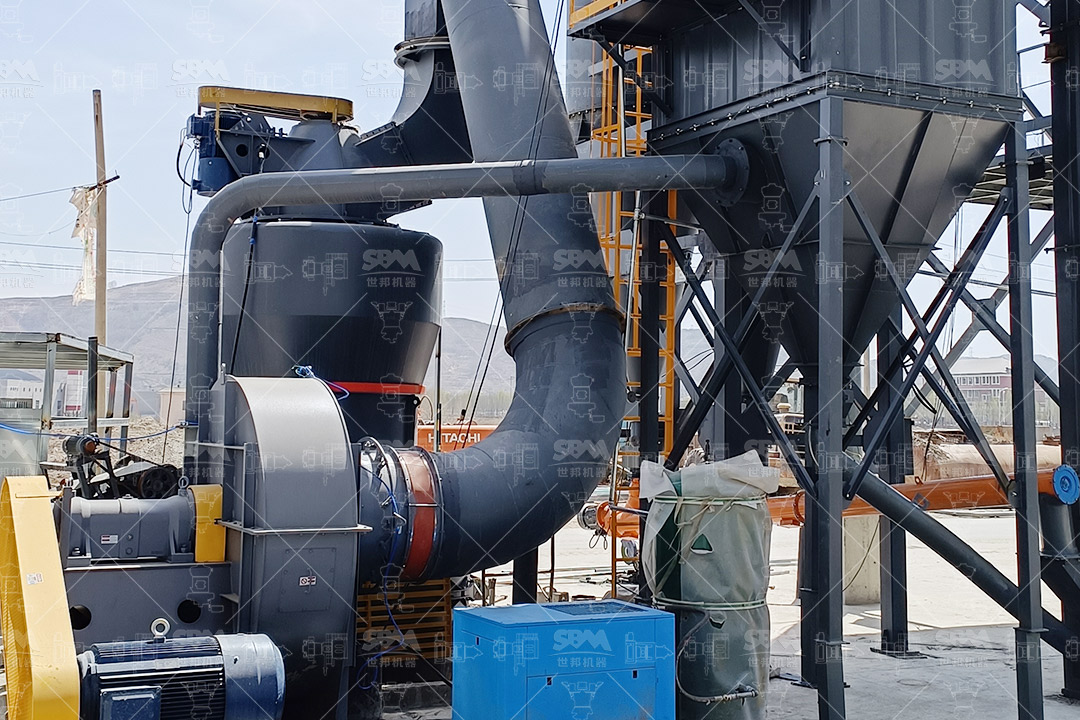
2. Key Components of a Dry GCC Production Line
A complete line is more than just a grinder. It is an integrated system.
2.1. Raw Material Handling & Pre-Crushing
Run-of-mine limestone must be crushed to a suitable feed size (typically ≤50mm) for the grinding mill. Jaw crushers or hammer mills are commonly used. Consistent feed size is crucial for stable mill operation.
2.2. Grinding & Classification System – The Heart of the Line
This is the core technological decision. The mill reduces the particle size, while the integrated classifier (air separator) immediately removes fines that meet specification, sending coarse material back for further grinding. This closed-circuit operation ensures efficiency and tight PSD control.
2.3. Product Collection & Dedusting
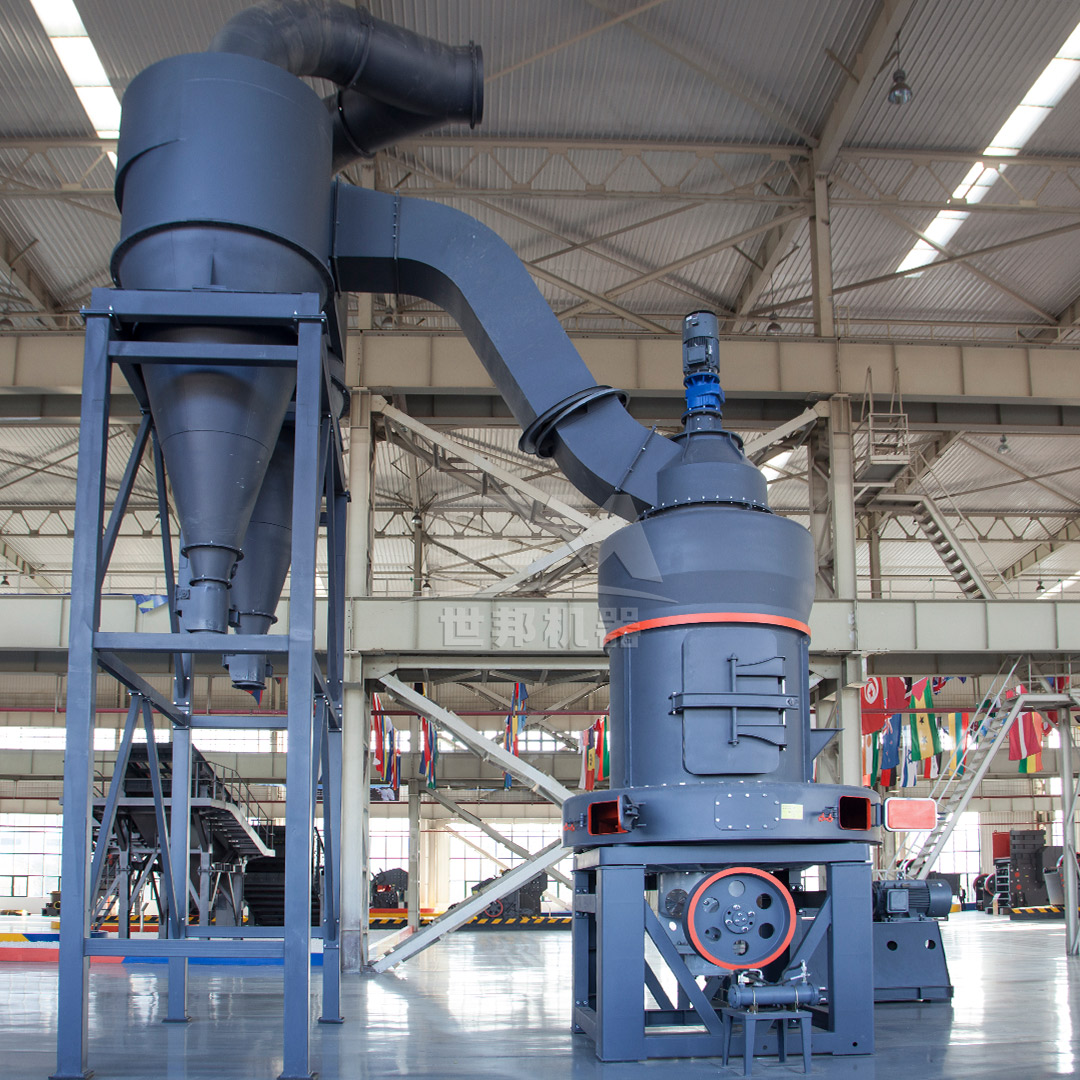
A high-efficiency cyclone collector separates the bulk of the product from the air stream. A final-stage baghouse or pulse-jet dust collector ensures emissions are well below environmental standards and recovers valuable product.
2.4. Material Conveying, Storage & Packaging
Pneumatic conveying systems or screw conveyors transport the powder to storage silos. Automated packaging systems complete the line.
3. Selecting the Core Grinding Mill: A Technology Comparison
The choice of mill technology is paramount. Here’s a breakdown of common options for GCC.
3.1. For Coarse to Medium-Fine Grinding (600 – 45µm / 30 – 325 mesh)
For projects requiring high capacity in this range, pendulum roller mills and European-type trapezium mills are excellent choices. They offer robust construction, high efficiency, and relatively low operating costs.
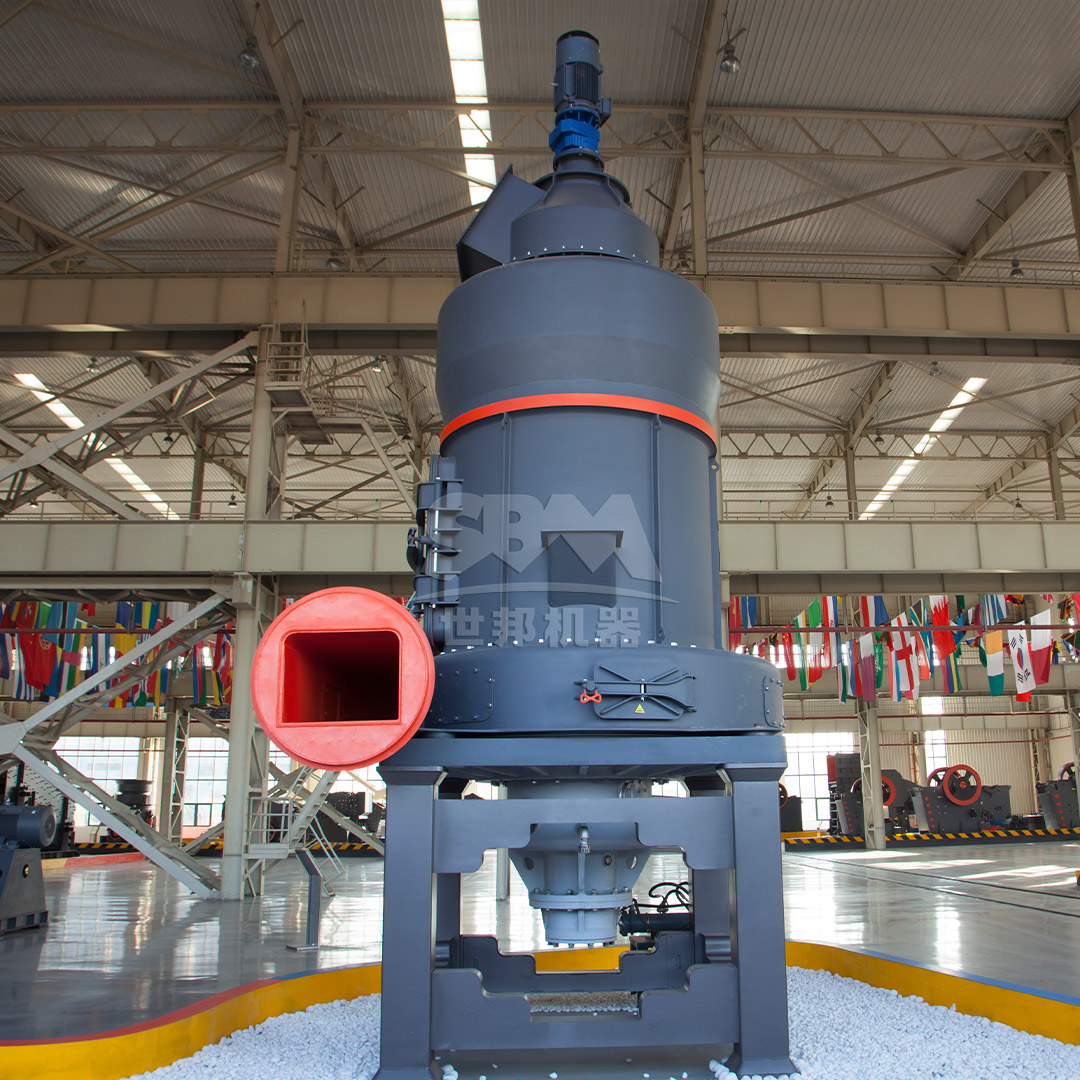
Recommended Solution: MTW Series European Trapezium Mill
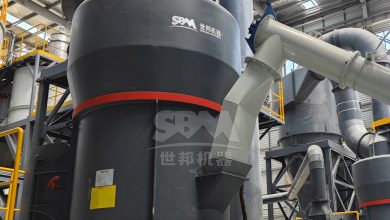
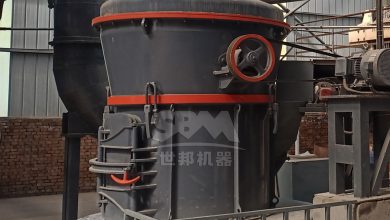
Our MTW Series Mill is engineered for reliability and efficiency in producing medium-fine GCC. Its integral bevel gear drive achieves up to 98% transmission efficiency, saving energy and space. The anti-wear shovel design and wear-resistant volute structure significantly reduce maintenance costs and downtime. With capacities from 3 to 45 tons per hour and the ability to produce fineness from 30 to 325 mesh, it is a versatile and cost-effective backbone for many GCC plants.
3.2. For Fine to Ultrafine Grinding (45 – 5µm / 325 – 2500 mesh)
Producing ultrafine GCC with a narrow particle size distribution demands advanced milling technology. Traditional ball mills are energy-intensive and lack precise classification. Modern vertical roller mills and ultrafine ring roller mills are the preferred technologies.
Recommended Solution: SCM Series Ultrafine Mill
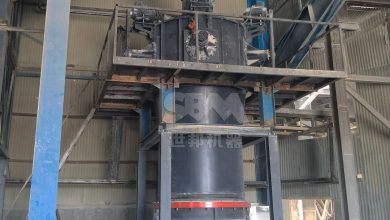
For high-value, ultrafine GCC products, our SCM Series Ultrafine Mill is the ideal technology. It combines grinding and classification in a single unit. Its high-precision vertical turbine classifier ensures sharp particle size cuts and a uniform product without coarse contamination. The mill operates with 30% lower energy consumption compared to jet mills while offering double the capacity. Models like the SCM1250 (2.5-14 t/h) and SCM1680 (5-25 t/h) provide scalable solutions for large-scale ultrafine production, making it a leader in efficiency and product quality.
3.3. For Large-Scale Integrated Grinding (600 – 45µm)
For mega-projects requiring the utmost in capacity, system integration, and energy savings, vertical roller mills (VRM) represent the state-of-the-art.
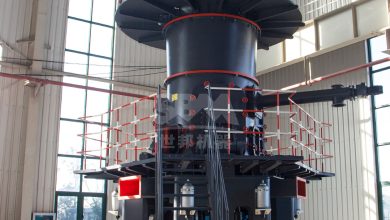
Vertical Roller Mills (LM Series) offer a fully integrated system (crushing, grinding, drying, classification) that reduces footprint by 50% and cuts energy consumption by 30-40% versus ball mill systems. Their intelligent control and environmental compliance make them suitable for massive, modern GCC facilities.
4. Critical Evaluation Factors Beyond the Mill
4.1. Energy Efficiency
Grinding is energy-intensive. Compare the specific power consumption (kWh/ton) of different systems. Technologies like the SCM Ultrafine Mill and LM Vertical Mill offer significant advantages here.
4.2. Wear Part Life & Maintenance Costs
Evaluate the design and material of grinding rollers, rings, and liners. Look for features like special alloy materials, easy replacement systems, and designs that minimize metal-to-metal contact to reduce wear and maintenance frequency.
4.3. System Automation & Control
A modern PLC-based control system is essential for consistent quality, optimal operation, and reduced labor. It should allow for easy adjustment of fineness, monitoring of key parameters, and offer remote support capabilities.
4.4. Environmental Compliance
The system must operate under negative pressure with a high-efficiency dust collection system (e.g., pulse-jet baghouse) to ensure dust emissions are negligible and the working environment is clean.
5. The Selection Process: A Practical Checklist
- Clarify Requirements: Document target PSD, capacity, brightness, and budget.
- Research Technologies: Shortlist 2-3 mill types that match your product specs.
- Request Detailed Proposals: Ask for system layouts, detailed specifications, and performance guarantees.
- Analyze Total Cost of Ownership (TCO): Calculate not just the purchase price, but installation, energy, wear parts, and maintenance over 5-10 years.
- Visit Reference Plants: See similar equipment in operation, talk to the operators.
- Evaluate Supplier Expertise: Choose a partner with proven experience in GCC, strong after-sales service, and the ability to provide a complete system solution.
Conclusion
Choosing the right dry GCC production line is a strategic investment. There is no one-size-fits-all solution. By meticulously defining your product goals and carefully evaluating the available grinding technologies—from the robust MTW Series for medium-fine grades to the advanced SCM Series Ultrafine Mill for high-end applications—you can select a system that delivers optimal product quality, operational efficiency, and long-term return on investment. Partnering with an experienced equipment supplier who can provide a tailored, integrated system is the final key to success.