How to Choose a Dolomite Grinding Mill and Key Process Indicators for Magnesium Production
Introduction
The production of magnesium from dolomite through the Pidgeon process or electrolytic methods requires precise control over raw material preparation, particularly the grinding of dolomite ore. The selection of an appropriate grinding mill is critical for achieving optimal particle size distribution, energy efficiency, and overall process economics. This comprehensive guide examines the factors influencing dolomite grinding mill selection and identifies key process indicators essential for successful magnesium production operations.
Understanding Dolomite Characteristics and Grinding Requirements
Dolomite (CaMg(CO3)2) presents unique challenges in grinding operations due to its moderate hardness (3.5-4 on Mohs scale), crystalline structure, and the need for specific particle size distributions in magnesium extraction processes. The thermal decomposition of dolomite during calcination and subsequent reduction stages is highly dependent on particle size, with finer particles generally reacting more completely and rapidly.
For most magnesium production applications, the target particle size for ground dolomite ranges from 30 mesh (600μm) to 325 mesh (45μm), with some processes requiring even finer materials down to 5μm. The selection of grinding equipment must consider not only the final particle size but also the particle size distribution, as narrow distributions can improve downstream process efficiency.
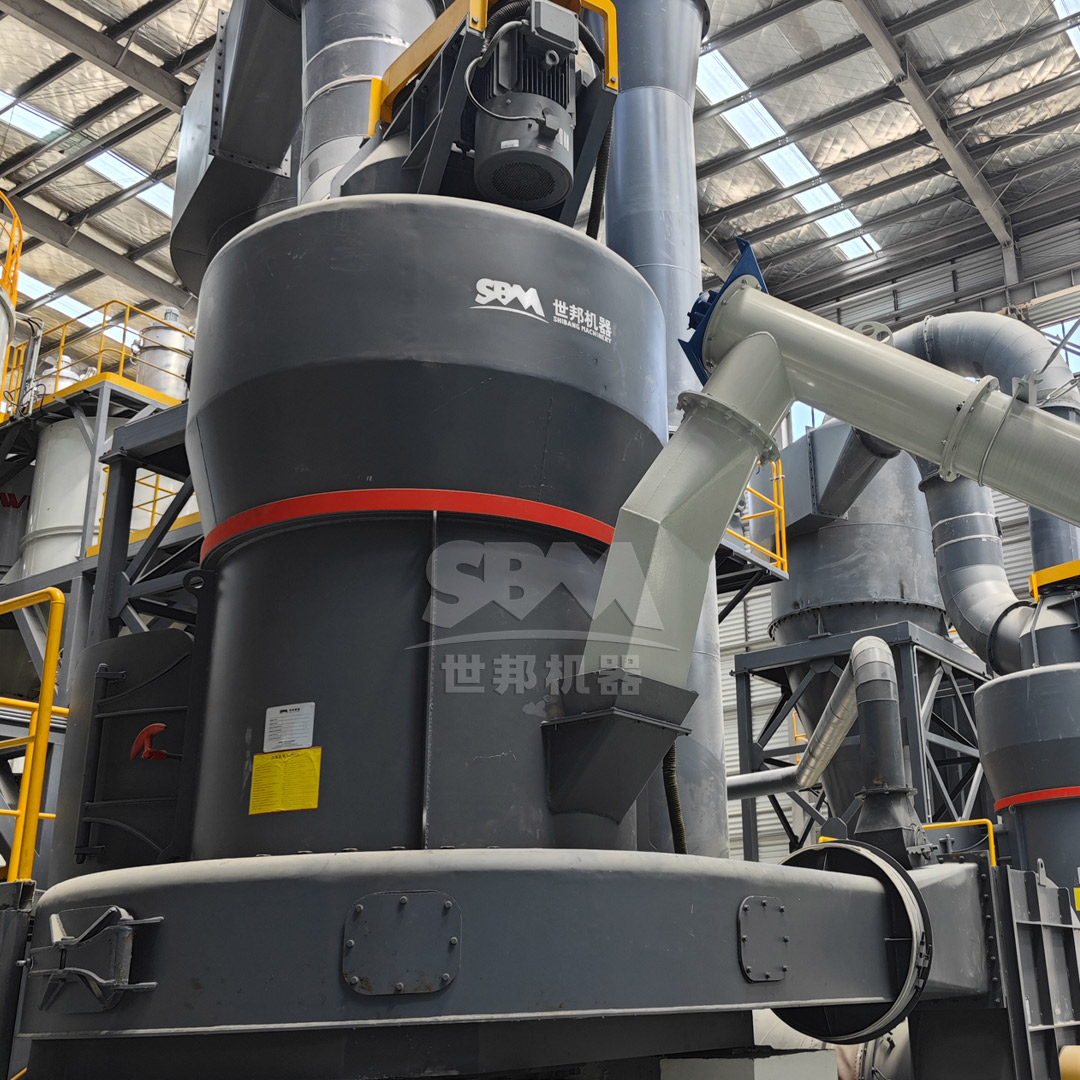
Types of Grinding Mills for Dolomite Processing
Vertical Roller Mills (VRM)
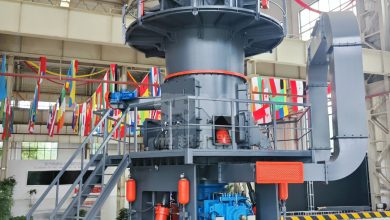
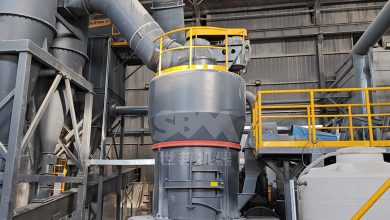
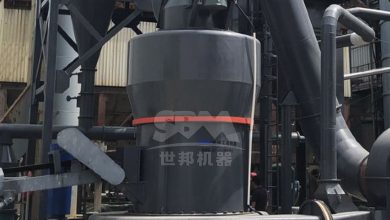
Vertical roller mills have gained significant popularity in dolomite grinding applications due to their high energy efficiency and ability to handle moist materials. These mills operate on the principle of bed comminution, where material is ground between a rotating table and rollers under hydraulic pressure. The integrated drying capability makes VRMs particularly suitable for dolomite with inherent moisture content.
Key advantages include:
- 30-50% lower energy consumption compared to ball mills
- Integrated drying of materials with up to 15% moisture
- Compact design with small footprint
- Ability to handle variations in feed size and hardness
Raymond Mills ( pendulum Mills)
Raymond mills, particularly modern pendulum roller designs, offer reliable performance for medium-fine grinding of dolomite. These mills utilize spring-loaded rollers that swing outward due to centrifugal force, pressing against a stationary grinding ring. The ground material is then air-classified with oversize particles returning for further grinding.
For dolomite applications requiring 30-325 mesh products, our MTW Series Trapezium Mill provides exceptional performance with several technological advantages:
- Combined blade design reduces maintenance costs by 30%
- Curved air channel minimizes energy loss with transmission efficiency up to 98%
- Integrated cone gear transmission saves installation space
- Wear-resistant volute structure enhances air classification efficiency
The MTW Series handles feed sizes up to 50mm with capacities ranging from 3-45 tons per hour, making it ideal for medium to large-scale magnesium production facilities. The precise control over final product size (30-325 mesh) ensures optimal reactivity in subsequent process stages.
Ultrafine Grinding Mills
For applications requiring extremely fine dolomite powders (325-2500 mesh), specialized ultrafine grinding equipment is necessary. These mills typically incorporate high-speed mechanical impact combined with precise air classification to achieve sub-5μm particle sizes.
Our SCM Ultrafine Mill represents the pinnacle of fine grinding technology for dolomite preparation:
- Produces powders from 325 to 2500 mesh (D97≤5μm)
- Handles feed materials up to 20mm with capacities of 0.5-25 tons/hour
- Vertical turbine classification ensures precise particle size control
- Energy consumption 30% lower than jet mills with double the capacity
- Special material rollers and grinding rings extend service life
The SCM series is particularly valuable for magnesium production processes requiring high surface area dolomite to enhance reaction kinetics. The intelligent control system automatically adjusts operational parameters to maintain consistent product quality despite variations in feed material characteristics.
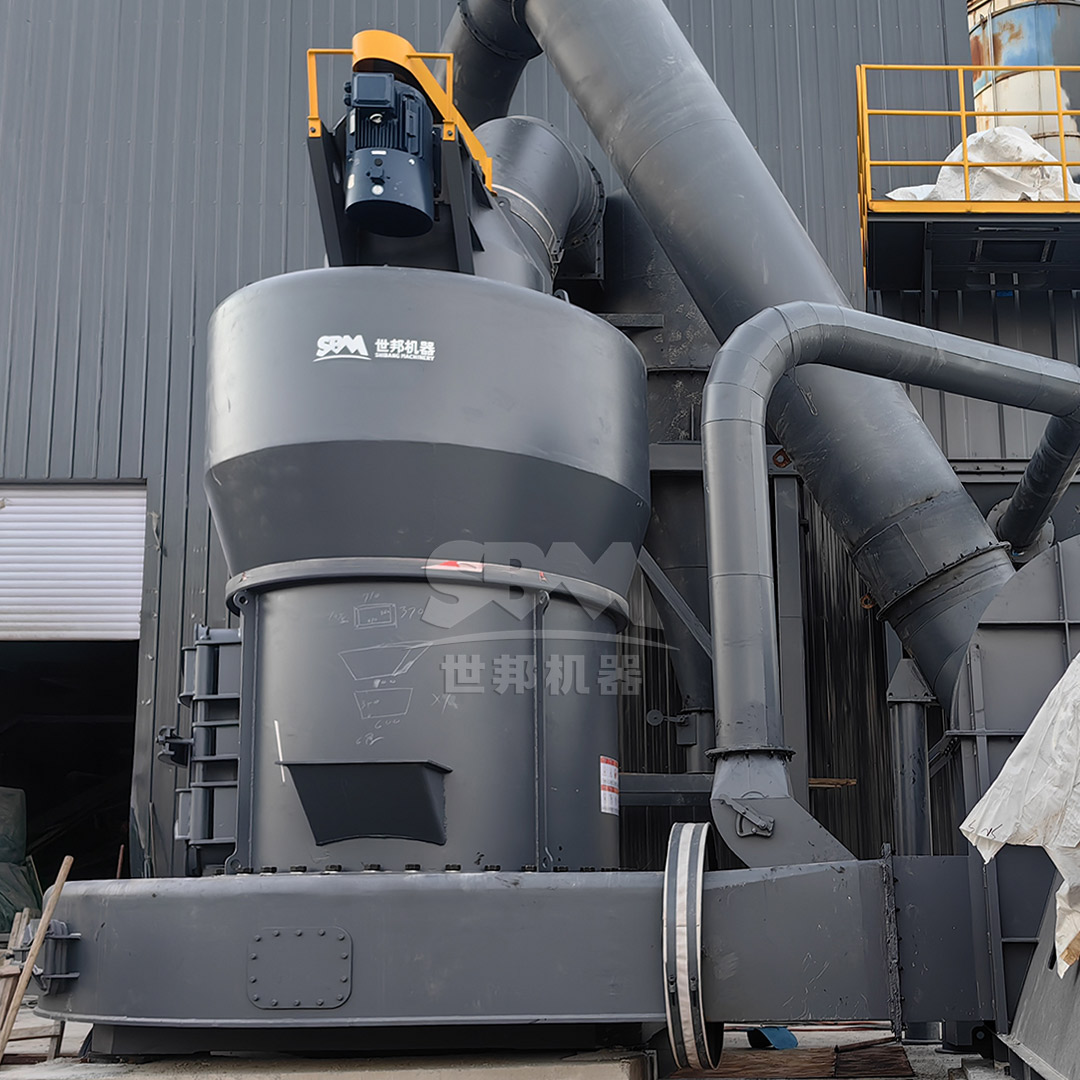
Key Selection Criteria for Dolomite Grinding Mills
Production Capacity Requirements
The required production capacity significantly influences mill selection. Small-scale operations (under 5 tph) may find Raymond mills or smaller vertical mills appropriate, while large-scale magnesium plants (over 20 tph) typically benefit from the economies of scale offered by large vertical roller mills or multiple pendulum mills operating in parallel.
Final Product Fineness
The target particle size distribution is perhaps the most critical factor in mill selection. Coarser products (30-100 mesh) can be efficiently produced with simpler grinding systems, while finer products (200-325 mesh) require more sophisticated classification systems. Ultrafine applications (below 325 mesh) demand specialized mills with integrated high-efficiency classifiers.
Energy Efficiency Considerations
Grinding operations typically account for 30-60% of total energy consumption in mineral processing plants. Vertical roller mills generally offer the highest energy efficiency for most dolomite grinding applications, with specific energy consumption 30-50% lower than traditional ball mills. The energy savings must be balanced against higher capital investment and more complex maintenance requirements.
Moisture Content and Drying Requirements
Dolomite moisture content varies significantly depending on mining location and storage conditions. Mills with integrated drying capabilities, such as vertical roller mills, can process materials with moisture contents up to 15-20% without requiring separate drying equipment, simplifying the overall process flow and reducing capital costs.
Capital and Operating Costs
The total cost of ownership includes not only the initial equipment investment but also ongoing expenses for power consumption, wear parts, and maintenance labor. While vertical roller mills typically have higher initial costs, their superior energy efficiency and lower wear rates often result in lower lifetime costs for high-capacity applications.
Key Process Indicators in Magnesium Production from Dolomite
Particle Size Distribution (PSD)
The particle size distribution of ground dolomite directly impacts the efficiency of subsequent calcination and reduction processes. Key PSD parameters include:
- D50: Median particle size – typically 15-45μm for most processes
- D90: 90% passing size – should be below 75μm for efficient calcination
- Specific surface area (Blaine): 2500-4500 cm²/g for optimal reactivity
Regular monitoring of PSD ensures consistent feed material quality and prevents processing issues such as incomplete calcination or reduced reduction efficiency.
Chemical Composition Consistency
While not directly a grinding parameter, the chemical composition of ground dolomite must be monitored to ensure process stability. Key parameters include:
- CaO/MgO ratio: Should approach the theoretical 1.39 for pure dolomite
- SiO2 content: Below 2% to minimize slag formation
- Fe2O3 content: Below 0.5% to prevent contamination
Grinding System Energy Consumption
Specific energy consumption (kWh/ton) is a critical economic indicator for grinding operations. Benchmark values for dolomite grinding include:
- Ball mills: 18-25 kWh/ton for 100 mesh product
- Vertical roller mills: 12-18 kWh/ton for 100 mesh product
- Raymond mills: 15-22 kWh/ton for 100 mesh product
Continuous monitoring of energy consumption helps identify maintenance issues and optimization opportunities.
Wear Rate of Grinding Elements
The wear rate of grinding rolls, tables, and classifiers directly impacts operating costs and product consistency. Key indicators include:
- Specific wear rate (g/ton ground material)
- Service life of critical wear parts (hours of operation)
- Maintenance frequency and duration
Integration with Downstream Processes
The grinding circuit must be considered as part of the overall magnesium production system rather than an isolated operation. Key integration points include:
Calcination Feed Preparation
Ground dolomite particle size significantly impacts calcination efficiency in rotary kilns or flash calciners. Optimal calcination typically requires:
- Uniform particle size distribution to ensure consistent heat transfer
- Minimum fines content to reduce dust losses
- Controlled moisture content to optimize thermal efficiency
Briquetting and Pelletizing
For processes requiring densified feed materials, the grinding circuit must produce particles with appropriate size distribution and surface characteristics to ensure good binding during briquetting or pelletizing. Fine particles typically enhance binding strength but may require additional binders.
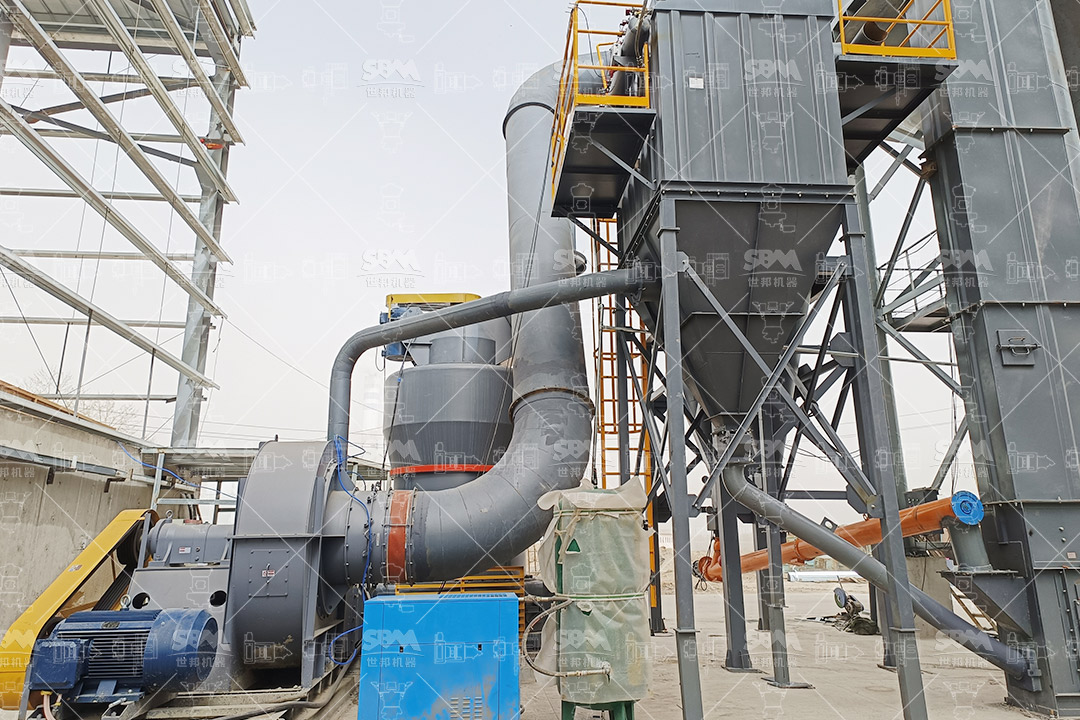
Maintenance and Operational Considerations
Preventive Maintenance Strategies
Effective maintenance is crucial for grinding mill reliability and consistent product quality. Key elements include:
- Regular inspection of wear parts with established replacement schedules
- Vibration monitoring to detect developing mechanical issues
- Lubrication system maintenance according to manufacturer specifications
- Classifier maintenance to ensure consistent particle size control
Operational Best Practices
Optimizing grinding mill operation requires attention to several key parameters:
- Maintaining consistent feed rate and characteristics
- Monitoring and controlling mill differential pressure
- Optimizing classifier speed for target product fineness
- Controlling grinding pressure (for VRMs) or spring tension (for Raymond mills)
Environmental and Safety Considerations
Dolomite grinding operations present several environmental and safety challenges that must be addressed:
Dust Control
Effective dust collection is essential to protect workers and minimize environmental impact. Modern grinding mills typically incorporate high-efficiency baghouse filters or cartridge collectors with guaranteed emission levels below 20 mg/Nm³.
Noise Control
Grinding mills can generate significant noise, requiring appropriate engineering controls. Modern designs incorporate noise suppression technologies to maintain operational noise levels below 85 dB(A).
Future Trends in Dolomite Grinding for Magnesium Production
The evolution of dolomite grinding technology continues to focus on several key areas:
Digitalization and Smart Grinding
Integration of IoT sensors, advanced process control, and machine learning algorithms enables real-time optimization of grinding parameters, predictive maintenance, and improved product consistency.
Energy Efficiency Improvements
Ongoing development of more efficient grinding mechanisms, improved classifier designs, and better wear materials continues to reduce the energy footprint of dolomite grinding operations.
Circular Economy Applications
Increasing attention to byproduct utilization, such as the use of grinding circuit wastes in construction materials, enhances the overall sustainability of magnesium production from dolomite.
Conclusion
Selecting the appropriate grinding mill for dolomite processing in magnesium production requires careful consideration of multiple factors, including production capacity, target product fineness, energy efficiency, and integration with downstream processes. Vertical roller mills generally offer the best combination of energy efficiency and operational flexibility for medium to large-scale operations, while modern pendulum mills and ultrafine grinding systems provide specialized solutions for specific application requirements.
The key to successful implementation lies in understanding the relationship between grinding parameters and downstream process efficiency, particularly the impact of particle size distribution on calcination and reduction kinetics. By selecting the appropriate grinding technology and monitoring key process indicators, magnesium producers can optimize their operations for maximum economic and environmental performance.
Our comprehensive range of grinding equipment, including the MTW Series Trapezium Mill for standard applications and the SCM Ultrafine Mill for specialized fine grinding requirements, provides solutions tailored to the specific needs of magnesium producers worldwide. With proper selection, operation, and maintenance, modern grinding technology can significantly contribute to the competitiveness and sustainability of magnesium production from dolomite resources.