How to Choose a 150 Mesh Ore Grinding Mill: A Complete Guide
Selecting the right grinding mill for achieving a 150 mesh (approximately 100 microns) product fineness is a critical decision that impacts production efficiency, product quality, and overall operational costs. This target size is common in many industries, including mining, metallurgy, chemicals, and construction materials. This comprehensive guide will walk you through the key factors to consider and help you navigate the complex landscape of grinding equipment.
1. Understanding Your Material and Process Requirements
The first and most crucial step is a thorough analysis of your specific application. A mill that works perfectly for limestone may be entirely unsuitable for hard, abrasive quartz.
1.1. Material Characteristics
- Hardness & Abrasiveness: Measured by Mohs scale or Bond Work Index (Wi). Harder, more abrasive materials (e.g., silica, feldspar) require robust mills with superior wear resistance.
- Feed Size: The initial particle size of your raw ore. Mills have maximum feed size limitations.
- Moisture Content: High moisture can lead to clogging in some mill types, necessitating drying systems or the selection of mills that can handle wetter feed.
- Chemical Properties: Corrosiveness or special safety requirements (e.g., explosivity) can dictate material choices for mill internals.
1.2. Production & Quality Targets
- Required Capacity (TPH): The tonnage per hour you need to process.
- Product Fineness & Distribution: While 150 mesh is the target, the particle size distribution (narrow or broad) is equally important for downstream processes.
- System Integration: Will the mill be part of a new greenfield plant or an upgrade to an existing circuit? Space and layout constraints are vital.
2. Overview of Mill Technologies for 150 Mesh Grinding
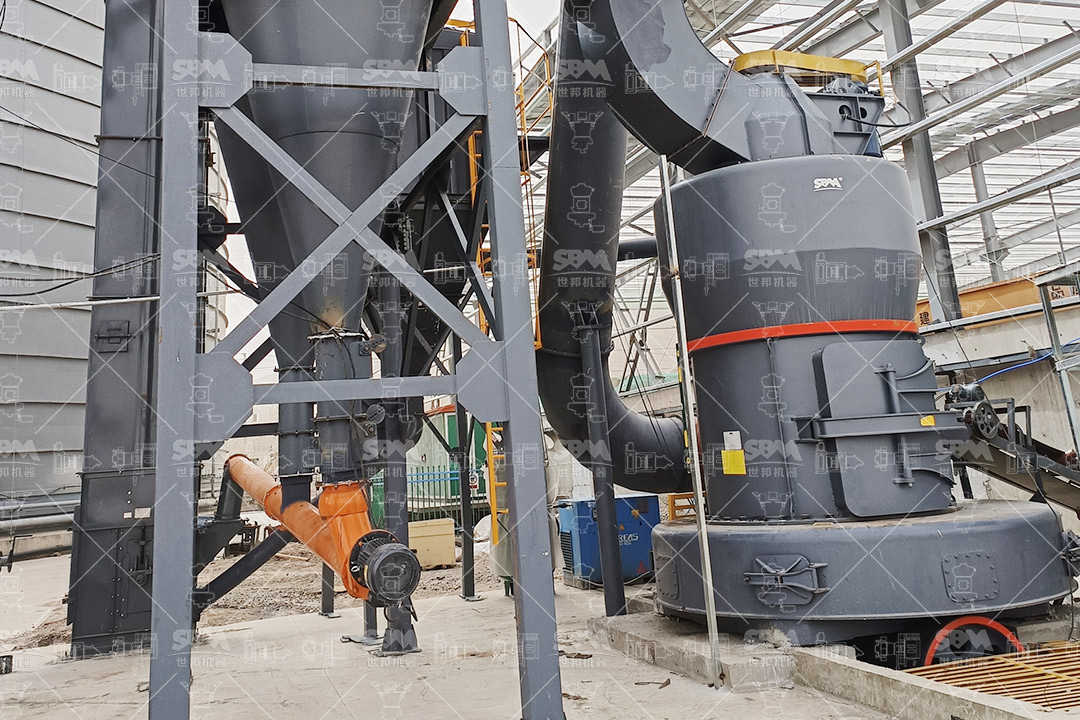
Several mill types are capable of reaching 150 mesh. Their operating principles and suitability vary significantly.
2.1. Ball Mills
The traditional workhorse. Material is ground by impact and attrition as steel balls tumble inside a rotating cylinder. Excellent for wet or dry grinding and offers high reliability. However, for dedicated 150-mesh grinding, they can be less energy-efficient compared to newer technologies, especially for dry processes, and may produce a broader particle size distribution.
2.2. Vertical Roller Mills (VRM)
A modern, dry-grinding solution where material is ground between a rotating table and rollers under pressure. VRMs are highly energy-efficient, have a small footprint, and integrate drying, grinding, and classification. They excel in producing products in the 30-325 mesh range and are ideal for medium to large-scale operations.
2.3. Raymond Mill (or Pendulum Roller Mill)
A well-established technology for fine grinding. Material is ground between rotating rollers and a stationary ring. Known for stable operation and easy maintenance, it’s a popular choice for non-metallic minerals aiming for 80-325 mesh products.
2.4. Ultrafine Grinding Mills
For applications demanding a very tight, fine product or where future needs may require even finer grinding (e.g., 325-2500 mesh), ultrafine mills are the answer. They use advanced classification systems to achieve precise particle cuts.
3. Key Selection Criteria: Beyond the Basics
3.1. Energy Efficiency
Grinding is energy-intensive, often accounting for over 50% of a plant’s power consumption. Compare the specific energy consumption (kWh/ton) of different mill options. VRMs and advanced roller mills typically offer 20-40% savings over traditional ball mills for similar fineness.
3.2. Wear and Maintenance Costs
Consider the lifecycle cost. Abrasive ores will wear grinding elements (rollers, rings, liners, balls). Evaluate the wear rate, replacement cost, and ease of maintenance. Look for designs with durable materials and features that extend service intervals.
3.3. Particle Size Control & Classification
How precisely can the mill control the top size and distribution? An internal or external dynamic classifier is essential for sharp cuts and preventing over-grinding. The quality of the classification system directly impacts product quality and system efficiency.
3.4. Environmental and Operational Factors
- Dust Control: Dry mills require efficient dust collection systems (bag filters).
- Noise Levels: Consider mill location and potential need for soundproofing.
- Automation: Modern mills with PLC controls ensure consistent product quality and reduce operator dependency.
4. Recommended Solutions for 150 Mesh Applications
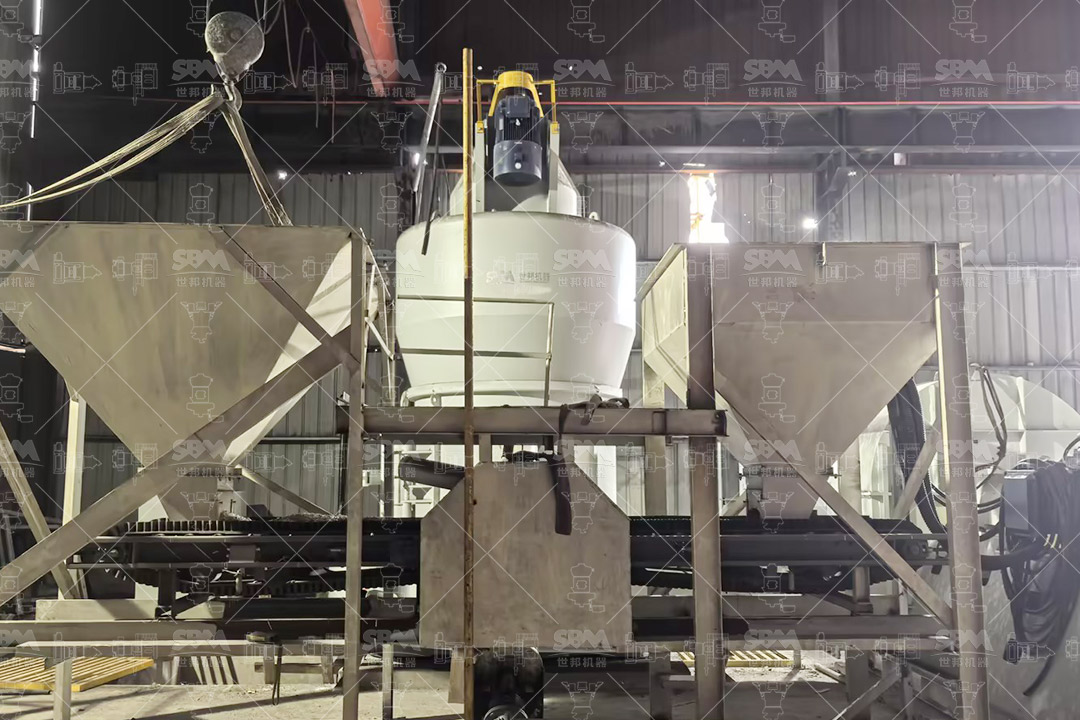
Based on common industry requirements for efficient and reliable 150 mesh production, two of our flagship products stand out as exceptional choices.
4.1. For High-Capacity, Efficient Dry Grinding: MTW Series European Trapezium Mill
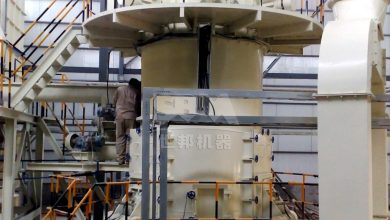
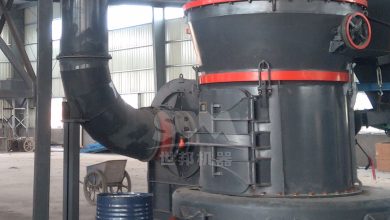
When your priority is high throughput (3-45 TPH) with excellent energy efficiency for producing powder in the 30-325 mesh range, the MTW Series European Trapezium Mill is the ideal candidate. Its design is a significant evolution of the traditional Raymond mill.
- Perfect Fineness Match: It is specifically engineered to excel in the 100-325 mesh (150-45μm) range, making 150 mesh a core competency.
- Superior Efficiency: Features like the integral bevel gear drive achieve up to 98% transmission efficiency, and the optimized arc air duct reduces airflow resistance, directly lowering energy consumption.
- Durability: The anti-wear shovel design and wear-resistant volute structure significantly reduce maintenance costs and downtime for abrasive materials.
- Intelligent Operation: Supports advanced control systems for stable, consistent output.
For a robust, high-production system targeting 150 mesh, the MTW series (e.g., Model MTW175G or MTW215G for larger capacities) offers an outstanding balance of performance, reliability, and cost-effectiveness.
4.2. For Ultra-Fine Capability and Future-Proofing: SCM Series Ultrafine Mill
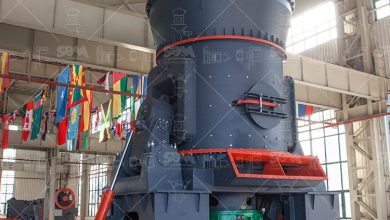
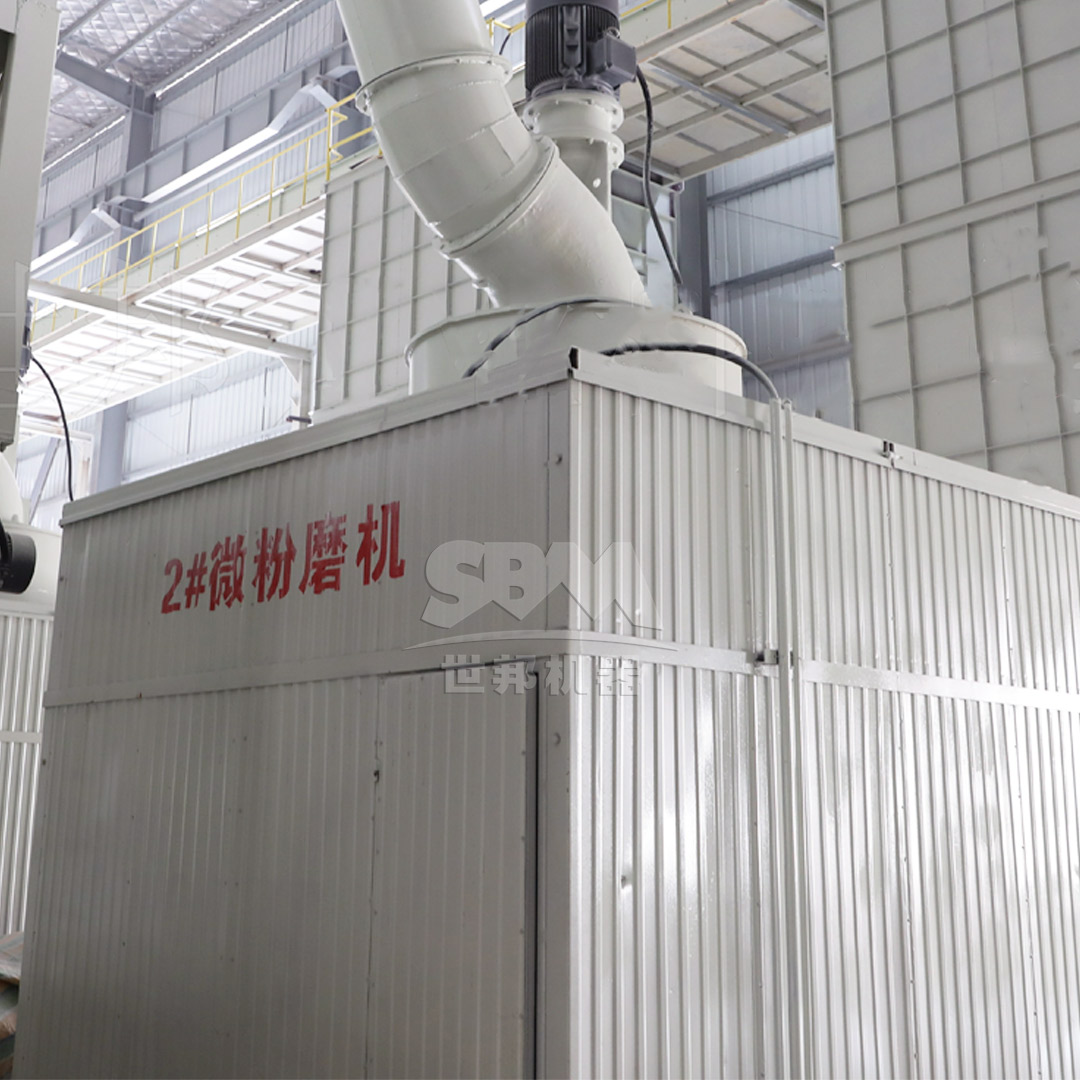
If your product specifications are stringent, you require a very narrow particle distribution, or you anticipate needing finer products (up to 2500 mesh) in the future, the SCM Series Ultrafine Mill is the premier choice. It represents the cutting edge in fine and ultrafine grinding technology.
- Precision Classification: Its high-precision vertical turbine classifier ensures no coarse powder mixing, delivering a uniform and precisely controlled product at 150 mesh and far beyond.
- High Efficiency & Energy Saving: Offers capacity twice that of jet mills while consuming 30% less energy, thanks to its efficient grinding principle and intelligent control system.
- Exceptional Durability: Constructed with special material rollers and rings that extend service life several times over, even when processing hard minerals.
- Eco-Friendly Design: Operates with a pulse dust collection system exceeding international standards and a low-noise design.
Choosing an SCM Ultrafine Mill (such as the SCM1000 or SCM1250 models) is an investment in premium product quality and operational flexibility, ensuring your plant can meet the most demanding specifications.
5. The Decision-Making Process: A Practical Checklist
- Define Specifications: Lock down feed size, required capacity, target fineness (150 mesh with acceptable tolerance), and moisture.
- Shortlist Technologies: Based on Section 2 and your specs, eliminate obviously unsuitable mill types.
- Request Detailed Proposals: Contact manufacturers with your data. Ask for predicted performance (kWh/ton, wear rates), layout drawings, and total cost of ownership estimates.
- Evaluate Lifecycle Costs: Compare capital expenditure (CAPEX) against operational expenditure (OPEX—energy, wear parts, maintenance).
- Consider Vendor Support: Assess the manufacturer’s reputation, availability of spare parts, and technical service capabilities.
- Pilot Testing (If Possible): For large investments or novel materials, conduct a pilot test with your actual ore to confirm performance.
6. Conclusion
Selecting the optimal 150 mesh ore grinding mill is a multifaceted decision that requires careful technical and economic analysis. By thoroughly understanding your material, clearly defining process goals, and rigorously comparing the capabilities and costs of different technologies, you can make a choice that ensures productivity, quality, and profitability for years to come. For applications prioritizing high-capacity dry grinding, our MTW Series European Trapezium Mill provides an industry-leading solution. For those demanding the utmost in product fineness, control, and system flexibility, the SCM Series Ultrafine Mill stands as the superior technology. Engaging with an experienced supplier early in the process is the best way to navigate these critical choices and achieve a successful project outcome.