How to Adjust the Fineness of Raymond Mill Output? | Controlling Particle Size in Raymond Grinding Mills
Introduction
Raymond Mill, also known as pendulum roller grinding mill, has been a cornerstone of industrial powder processing for over a century. Its versatility in handling various non-flammable and non-explosive materials with Mohs hardness below 9.3 has made it indispensable across mining, construction, and chemical industries. One of the most critical aspects of Raymond Mill operation is controlling the fineness of the output material, as particle size distribution directly impacts product quality, downstream processing efficiency, and market value. This comprehensive guide explores the fundamental principles and practical techniques for adjusting and maintaining optimal particle size in Raymond grinding mills.
Fundamental Working Principles of Raymond Mill
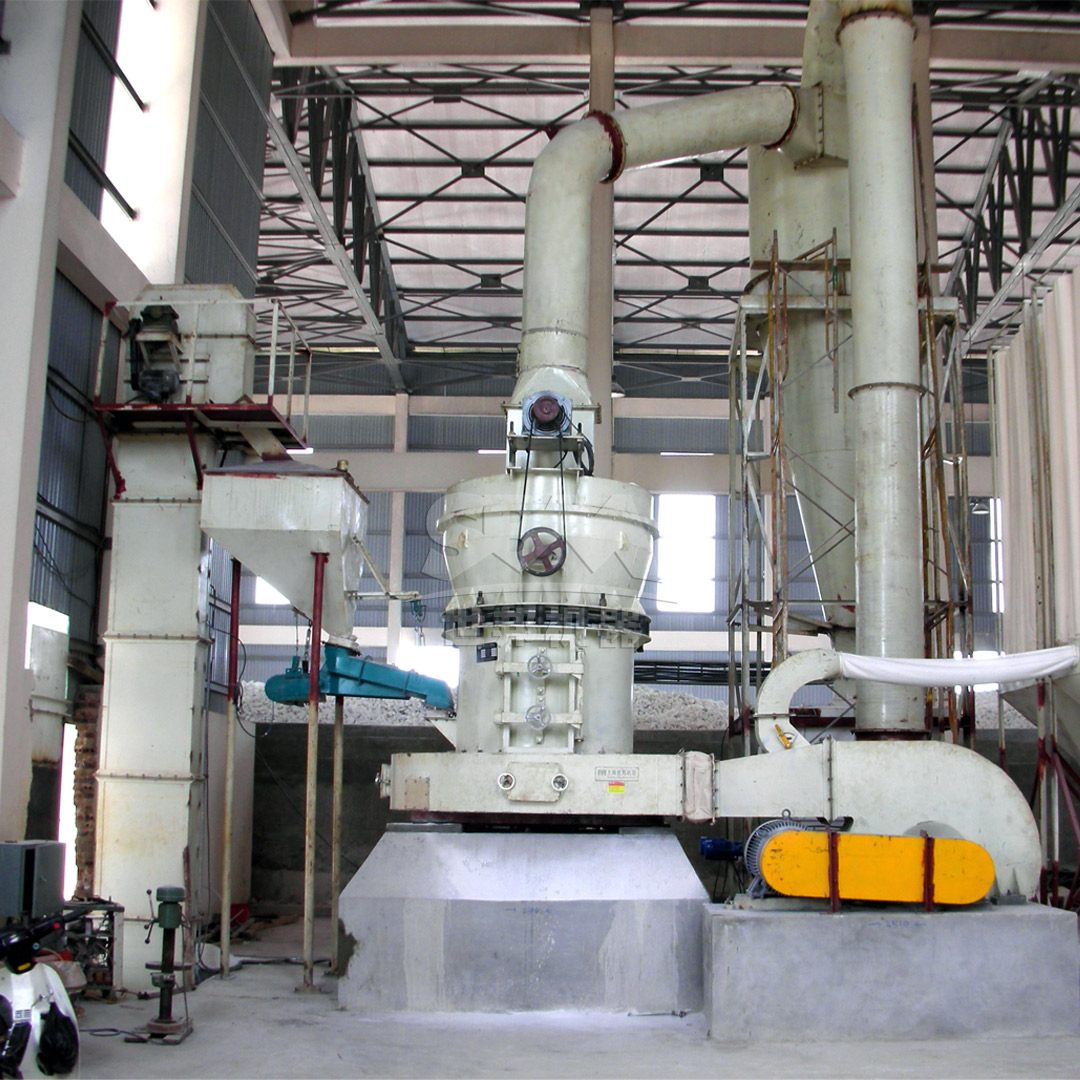
Understanding how Raymond Mill operates is essential before attempting to adjust output fineness. The grinding process begins when bulk material is fed into the grinding chamber through a vibrating feeder. The central rotating shaft, driven by the main motor, causes the grinding rollers to swing outward under centrifugal force, pressing against the grinding ring. As material enters the space between the rollers and ring, it’s subjected to intense compression and shearing forces that break it down into finer particles.
The crushed material is then carried upward by the airflow generated by the system’s blower. This air stream transports the powder to the classifier, where rotating blades create a centrifugal field that separates particles based on size and mass. Oversized particles are rejected and returned to the grinding chamber for further processing, while properly sized particles continue through the system to the collection cyclone and baghouse filter.
Key Factors Affecting Output Fineness
Classifier Speed and Design
The classifier is arguably the most critical component for controlling particle size in Raymond Mills. Its rotational speed directly determines the cut point for particle separation. Higher classifier speeds generate greater centrifugal force, allowing only finer particles to pass through to collection. Modern Raymond Mills feature variable frequency drives (VFDs) that enable precise control over classifier rotor speed, typically adjustable between 50-300 RPM depending on the model and application.
The design of the classifier also significantly impacts separation efficiency. Traditional single-rotor classifiers have been largely replaced by high-efficiency double-rotor or vertical turbine classifiers that provide sharper particle separation and reduced energy consumption. The gap between rotor blades, blade angle, and overall geometry all contribute to classification performance.
Grinding Pressure and Roller Configuration
The pressure exerted by grinding rollers against the grinding ring directly influences the degree of size reduction. In traditional spring-loaded Raymond Mills, grinding pressure is adjusted by tensioning the spring system. Higher pressure results in finer initial grinding but increases wear on grinding components and power consumption. Modern designs often incorporate hydraulic systems that maintain consistent pressure automatically, compensating for roller and ring wear over time.
The number, size, and arrangement of grinding rollers also affect fineness control. Mills with more rollers distributed around the grinding ring typically provide more consistent grinding action and better particle size distribution. The profile of both rollers and ring—whether flat, trapezoidal, or specially contoured—influences how material is compressed and sheared during the grinding process.
Airflow Volume and Velocity
Air serves as both the transport medium and cooling agent in Raymond Mill systems. The volume and velocity of airflow through the mill directly impact particle residence time in the grinding zone and classification efficiency. Higher airflow rates generally result in coarser products as particles are carried through the classifier more quickly, reducing their exposure to grinding forces. Conversely, lower airflow rates increase residence time, allowing for more complete size reduction but risking overgrinding of some particles.
The system fan or blower is responsible for maintaining the necessary airflow, with damper controls or VFDs allowing operators to fine-tune air volume. Proper balancing of airflow is critical—insufficient airflow can lead to material buildup and potential blockages, while excessive airflow reduces classification efficiency and increases energy consumption.
Feed Rate and Material Characteristics
The rate at which material enters the grinding chamber significantly influences output fineness. Higher feed rates typically result in coarser products as the grinding mechanism becomes overloaded, reducing its effectiveness. Lower feed rates allow for more thorough size reduction but decrease overall production capacity. Finding the optimal balance between throughput and fineness is essential for efficient operation.
Material characteristics including hardness, moisture content, abrasiveness, and initial particle size distribution all impact the grinding process and final product fineness. Harder materials generally require slower feed rates and higher grinding pressures. Moisture content above 5-6% can lead to agglomeration and reduced classification efficiency, often necessitating pre-drying operations.
Practical Adjustment Techniques
Step-by-Step Fineness Adjustment Procedure
Adjusting Raymond Mill output fineness requires a systematic approach to avoid process upsets and equipment damage:
- Initial Assessment: Begin by analyzing the current particle size distribution using appropriate laboratory techniques such as laser diffraction or sieve analysis. Establish baseline operating parameters including classifier speed, fan damper position, and feed rate.
- Classifier Speed Adjustment: For finer products, gradually increase classifier speed in 5-10 RPM increments, allowing the system to stabilize between adjustments. Monitor motor amperage to ensure operation within design limits.
- Airflow Optimization: Adjust the system fan or blower to achieve the appropriate air volume for the desired fineness. Use manometers or pressure transducers to monitor system pressure drop, which indicates proper material loading in the air stream.
- Grinding Pressure Tuning: For spring-loaded systems, adjust spring tension according to manufacturer recommendations. For hydraulic systems, verify pressure settings and accumulator pre-charge. Monitor grinding roller and ring wear patterns during adjustment.
- Feed Rate Synchronization: Coordinate feed rate with other parameter changes to maintain stable operation. Implement interlocks to prevent overfeeding during fineness adjustments.
- Verification and Fine-Tuning: Collect representative samples after each major adjustment and analyze particle size distribution. Make minor refinements based on results, focusing on achieving the target D50 and D97 values.
Common Problems and Solutions
Operators frequently encounter specific challenges when adjusting Raymond Mill fineness:
- Excessive Coarse Particles: Typically caused by insufficient classifier speed, worn grinding components, or excessive airflow. Solutions include increasing classifier RPM, inspecting and replacing worn rollers and rings, and reducing air volume.
- Overgrinding and Ultra-Fines Generation: Often results from excessive grinding pressure, low airflow, or classifier malfunction. Address by reducing spring tension or hydraulic pressure, increasing air volume, and inspecting classifier blades for damage or imbalance.
- Inconsistent Particle Size Distribution: Can stem from uneven feed distribution, fluctuating moisture content, or air leakage in the system. Remedies include calibrating feeders, implementing moisture control, and sealing air leaks around access doors and connections.
- Cyclical Fineness Variation: May indicate improper damper settings, feed rate instability, or classifier drive issues. Solutions involve verifying damper positioning, stabilizing feed systems, and inspecting classifier drive components including belts, couplings, and bearings.
Advanced Control Systems and Automation
Modern Raymond Mills increasingly incorporate sophisticated control systems that automate fineness adjustment and maintain consistent product quality. Programmable Logic Controllers (PLCs) integrated with particle size analyzers can continuously monitor output and make real-time adjustments to classifier speed, feed rate, and grinding pressure. These systems typically operate in closed-loop control, comparing actual particle size measurements with setpoints and automatically compensating for process variations.
Advanced control strategies including model predictive control (MPC) and fuzzy logic algorithms can further optimize Raymond Mill operation by anticipating disturbances and coordinating multiple manipulated variables simultaneously. These systems not only maintain consistent fineness but also optimize energy consumption and maximize equipment lifetime by preventing excessive wear.
Upgrade Options for Enhanced Fineness Control
For operations requiring tighter particle size distributions or finer products than traditional Raymond Mills can achieve, several upgrade paths are available:
High-Efficiency Classifier Retrofit
Replacing standard classifiers with modern high-efficiency designs can significantly improve separation sharpness and reduce the percentage of misplaced particles. Turbine classifiers with adjustable blade angles offer particularly fine control over cut points and can extend the effective fineness range of existing equipment.
Variable Frequency Drive Installation
Retrofitting VFDs to classifier, fan, and feeder motors provides unprecedented control flexibility. Digital speed control enables precise fineness adjustment without mechanical modifications and allows for automatic compensation for wear and changing material characteristics.
Instrumentation and Monitoring Enhancements
Adding online particle size analyzers, motor power monitors, vibration sensors, and temperature measurement points creates a comprehensive data foundation for informed fineness control decisions. Integration of these instruments with control systems enables proactive adjustment and early detection of developing issues.
Alternative Solutions for Specific Fineness Requirements
While Raymond Mills offer excellent versatility for medium-fine grinding applications, some fineness requirements may necessitate alternative technologies. For operations demanding products finer than 325 mesh (45μm) or with exceptionally tight particle size distributions, specialized grinding systems often deliver superior performance and efficiency.
SCM Ultrafine Mill for Superfine Applications
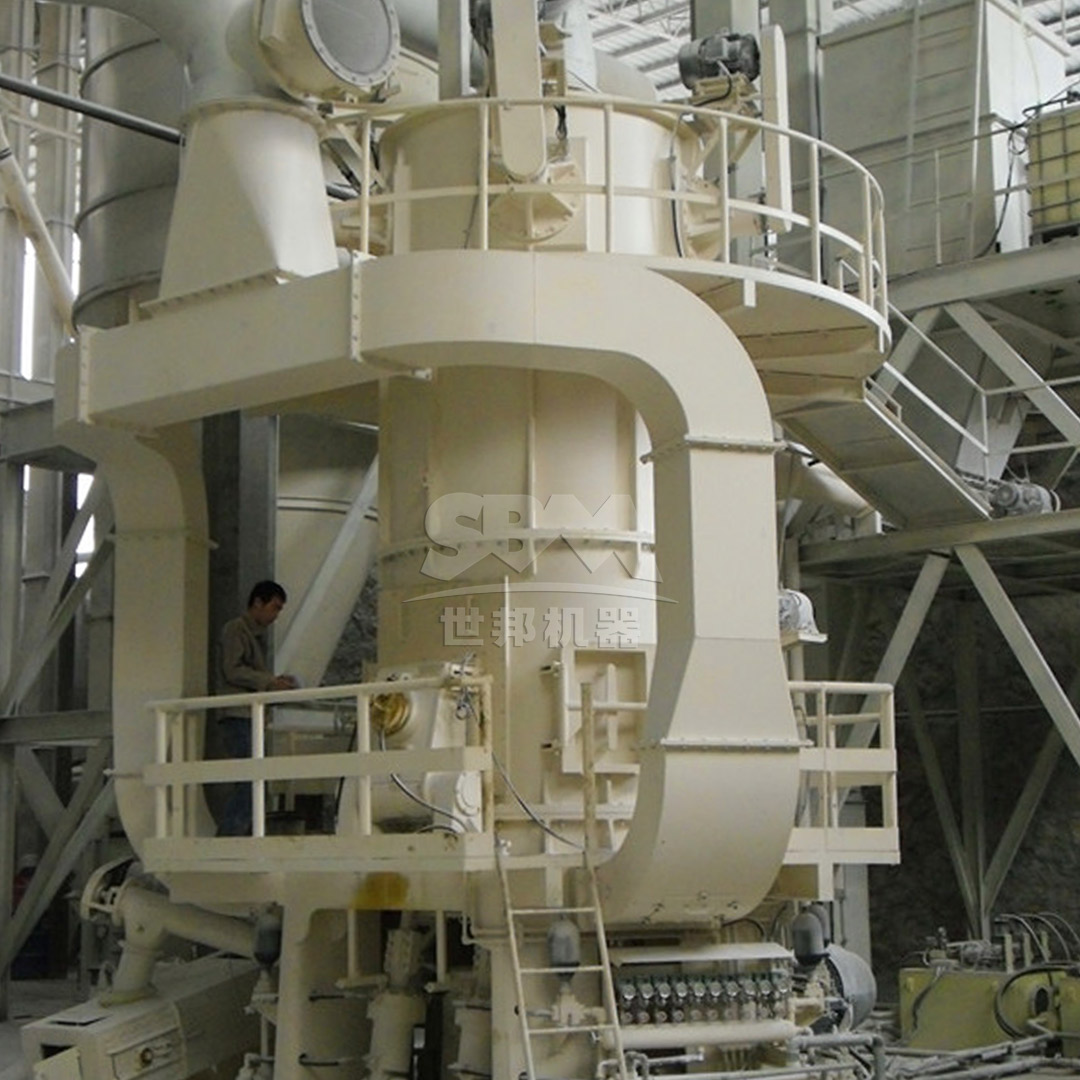
When product specifications call for fineness between 325-2500 mesh (45-5μm), the SCM Ultrafine Mill represents an optimal solution. This advanced grinding system incorporates a vertical turbine classification system that enables precise particle size control with minimal coarse particle contamination. With output fineness adjustable from 325 to 2500 mesh (D97 ≤ 5μm) and capacity ranging from 0.5 to 25 tons per hour depending on model, the SCM series delivers exceptional performance for high-value superfine powders.
The technological advantages of the SCM Ultrafine Mill include energy efficiency exceeding conventional systems by 30%, intelligent automatic feedback control for consistent product quality, and specialized wear-resistant materials that extend component life. The integrated pulse dust collection system ensures environmental compliance with filtration efficiency exceeding international standards, while acoustic enclosures maintain noise levels below 75 dB. For operations requiring consistent production of ultrafine powders with precise particle size distributions, the SCM Ultrafine Mill provides unmatched capability and reliability.
MTW Series Trapezium Mill for High-Capacity Applications
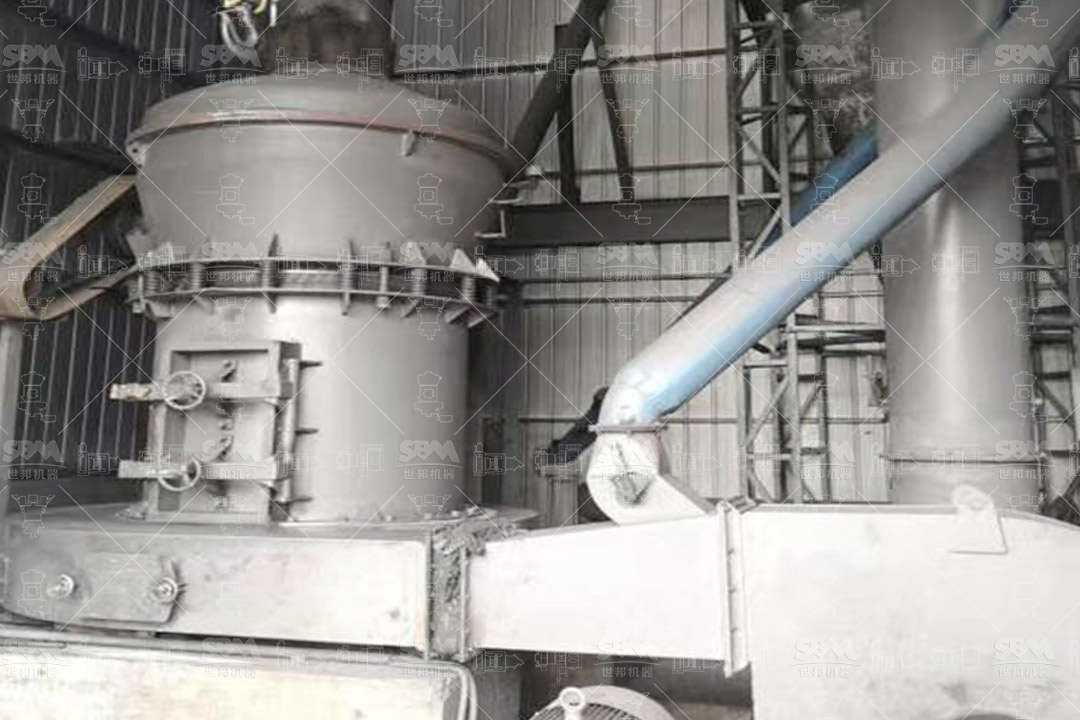
For large-scale production requirements where output fineness between 30-325 mesh (600-45μm) is sufficient, the MTW Series Trapezium Mill offers superior efficiency and reliability. With capacity ranging from 3 to 45 tons per hour and innovative features including curved air channel design and combined wear-resistant shovel blades, this mill achieves excellent particle size control while minimizing operating costs.
The MTW series incorporates several proprietary technologies that enhance fineness control, including an integral transmission system with 98% efficiency and specialized wear-resistant components that maintain consistent grinding geometry over extended operation. The advanced air flow optimization reduces energy consumption while maintaining precise particle transport and classification. For high-volume applications requiring consistent medium-fine powders, the MTW Series Trapezium Mill delivers exceptional value through optimized performance, reduced maintenance requirements, and lower total cost of ownership.
Maintenance Considerations for Consistent Fineness
Maintaining consistent output fineness requires diligent attention to equipment condition and proactive maintenance practices. Regular inspection and replacement of worn grinding components is essential, as increasing clearances between rollers and rings directly impact grinding efficiency and particle size distribution. Establishing a systematic component monitoring program that tracks operating hours and material throughput enables predictive replacement before wear affects product quality.
Classifier maintenance deserves particular attention, as imbalance, blade wear, or bearing issues can dramatically impact separation efficiency. Regular vibration analysis, visual inspection through access ports, and periodic rotor balancing are essential practices. Air system integrity must also be maintained through regular inspection of ducts, dampers, and collectors for leaks or blockages that disrupt airflow patterns.
Conclusion
Controlling and adjusting the fineness of Raymond Mill output requires a comprehensive understanding of the complex interactions between multiple process variables. By systematically addressing classifier operation, grinding mechanics, airflow dynamics, and feed characteristics, operators can achieve precise particle size control across a wide range of applications. The implementation of modern control systems and appropriate equipment upgrades further enhances fineness control capabilities while optimizing energy efficiency and equipment longevity.
For operations requiring fineness beyond the practical range of conventional Raymond Mills or specialized particle size distributions, technologies such as the SCM Ultrafine Mill and MTW Series Trapezium Mill offer targeted solutions with advanced classification and grinding mechanisms. Through careful application of the principles and techniques outlined in this guide, powder processing operations can consistently meet exacting product specifications while maximizing productivity and minimizing operating costs.