
How to Adjust the Fineness of Raymond Mill Output?
Introduction
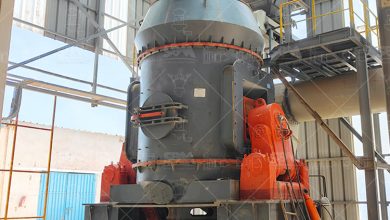
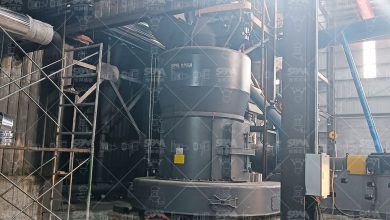
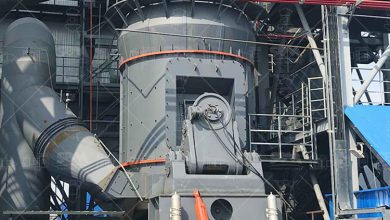
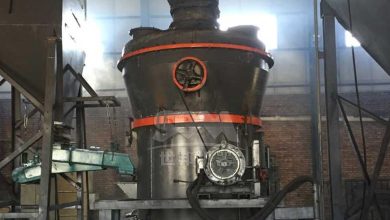
Raymond mill, also known as pendulum roller mill, is a crucial equipment in mineral processing and powder production industries. Achieving the desired output fineness is essential for meeting product specifications and optimizing production efficiency. This comprehensive guide explores the key factors and methods for adjusting the fineness of Raymond mill output, along with advanced solutions for superior particle size control.
Understanding Raymond Mill Fineness Parameters
The fineness of Raymond mill output is typically measured in mesh size or micrometers (μm), ranging from coarse (30-80 mesh) to ultra-fine (2500 mesh). Proper fineness adjustment ensures optimal product quality, energy efficiency, and equipment longevity. The fundamental parameters affecting output fineness include classifier speed, grinding pressure, feed rate, and air volume.
Key Adjustment Methods for Output Fineness
1. Classifier Speed Adjustment
The classifier is the primary component controlling output fineness in Raymond mills. Increasing the classifier rotor speed creates higher centrifugal forces, allowing only finer particles to pass through while coarser particles are returned to the grinding chamber for further processing. Modern Raymond mills feature variable frequency drives (VFDs) that enable precise speed control from the control panel without mechanical adjustments.
2. Grinding Pressure Optimization
Grinding pressure between the grinding rollers and grinding ring directly impacts particle size reduction. Higher pressure results in finer grinding but increases energy consumption and wear. The optimal pressure setting depends on material hardness, moisture content, and desired fineness. Spring tension systems in traditional Raymond mills or hydraulic systems in advanced models allow for pressure adjustments.
3. Feed Rate Control
Maintaining consistent and appropriate feed rates is crucial for stable fineness control. Overfeeding can lead to coarse output as the grinding mechanism becomes overloaded, while underfeeding reduces efficiency and may cause excessive wear. Automated feeding systems with feedback loops help maintain optimal feed rates based on motor load and other operating parameters.
4. Air Volume Regulation
The airflow through the mill system carries ground particles to the classifier and collection system. Adjusting the fan speed or damper positions affects the air volume, which influences the residence time of particles in the grinding zone and the classification efficiency. Proper air volume ensures efficient material transport without excessive energy consumption.
Advanced Technologies for Precise Fineness Control
While traditional Raymond mills offer basic fineness adjustment capabilities, modern grinding solutions provide superior control and consistency. For operations requiring precise particle size distribution and high efficiency, our SCM Ultrafine Mill represents a significant advancement in fine powder processing technology.

The SCM Ultrafine Mill features a vertical turbine classification system that enables precise particle size control from 325 to 2500 mesh (D97 ≤ 5μm). With intelligent control systems that automatically adjust operating parameters based on real-time feedback, this mill maintains consistent output fineness even with varying feed materials. The advanced design eliminates coarse powder contamination, ensuring uniform product quality with energy consumption 30% lower than conventional air jet mills.
Practical Adjustment Procedures
Step-by-Step Fineness Adjustment
- Initial Assessment: Analyze current output fineness using sieve analysis or laser particle size analyzer
- Classifier Adjustment: Modify classifier speed in small increments (typically 10-20 RPM changes)
- Pressure Calibration: Adjust spring tension or hydraulic pressure based on material characteristics
- System Balancing: Coordinate feed rate, air volume, and grinding parameters for optimal performance
- Verification: Test output fineness after each adjustment and allow stabilization time between changes
Common Challenges and Solutions
Operators often encounter issues such as inconsistent fineness, excessive coarse particles, or rapid fineness fluctuation. These problems typically stem from worn grinding components, improper air balance, or classifier malfunctions. Regular maintenance of wearing parts and calibration of control systems are essential for consistent performance.
Alternative Solutions for Specific Applications
For operations requiring different fineness ranges or processing capacities, our MTW Series Trapezium Mill offers excellent versatility with output fineness from 30 to 325 mesh. This advanced mill features curved air duct technology that minimizes energy loss and improves classification efficiency. The innovative design includes wear-resistant components and integrated drive systems that maintain consistent performance across various materials and production requirements.
The MTW Series is particularly suitable for medium-fine grinding applications where high throughput and reliability are priorities. With models ranging from 3 to 45 tons per hour capacity, these mills provide flexible solutions for diverse industrial applications while maintaining precise fineness control through advanced classification systems.
Maintenance Considerations for Consistent Fineness
Regular maintenance is crucial for maintaining consistent output fineness in Raymond mills. Key maintenance activities include:
- Wear Parts Inspection: Regularly check grinding rollers, grinding rings, and classifier blades for wear
- Air System Maintenance: Clean air ducts, check fan blades, and ensure proper sealing
- Calibration: Periodically calibrate control systems and measurement instruments
- Lubrication: Maintain proper lubrication of all moving parts, especially classifier bearings
Conclusion
Proper adjustment of Raymond mill output fineness requires understanding the interrelationship between multiple operating parameters. While traditional adjustment methods remain effective, modern grinding technologies like our SCM Ultrafine Mill and MTW Series Trapezium Mill offer superior control, efficiency, and consistency. By implementing systematic adjustment procedures and regular maintenance, operators can achieve optimal product quality while maximizing equipment performance and lifespan. For specialized applications requiring ultra-fine powders or specific particle size distributions, consulting with technical experts can help identify the most appropriate grinding solution for your specific requirements.