How Much Does Calcined Petroleum Coke Production Equipment Cost? Eco-Friendly Grinding Mill Process Features
Introduction to Calcined Petroleum Coke Production
Calcined Petroleum Coke (CPC) is a critical industrial material used primarily in aluminum smelting, steel manufacturing, and various carbon products. The production process involves heating green petroleum coke to high temperatures (1200-1350°C) to remove volatile matter and improve electrical conductivity and purity. One of the most crucial aspects of CPC production is the grinding phase, where specialized equipment transforms the calcined material into precise particle sizes required by different industries. The cost of production equipment varies significantly based on capacity, technology level, and environmental compliance features.
Factors Influencing CPC Production Equipment Costs
Production Capacity Requirements
The single most significant factor determining equipment cost is production capacity. Small-scale operations (1-5 tons per hour) may require investments of $50,000 to $200,000, while medium-scale facilities (5-20 tons per hour) typically range from $200,000 to $800,000. Large industrial plants exceeding 20 tons per hour can require equipment investments from $800,000 to over $3 million. The relationship between capacity and cost isn’t linear—larger systems benefit from economies of scale, with per-ton costs decreasing as capacity increases.
Technology Level and Automation
Advanced grinding systems with automated controls, real-time monitoring, and precision classification command premium prices but offer substantial operational savings. Basic mechanical mills might cost 30-50% less than intelligent systems but consume more energy and require more manual intervention. Modern equipment with PLC systems, automatic feedback mechanisms, and remote monitoring capabilities typically adds 15-25% to the base equipment cost but can reduce labor requirements by 40-60% and improve product consistency.
Environmental Compliance Features
Environmental protection systems represent a significant portion of total equipment costs. Basic dust collection might add $10,000-$50,000 to a system, while comprehensive environmental packages including advanced filtration, noise reduction, and emission monitoring can add $100,000-$500,000 depending on plant size. Regions with strict environmental regulations (EU, North America, Japan) require more sophisticated—and expensive—pollution control systems compared to areas with less stringent requirements.
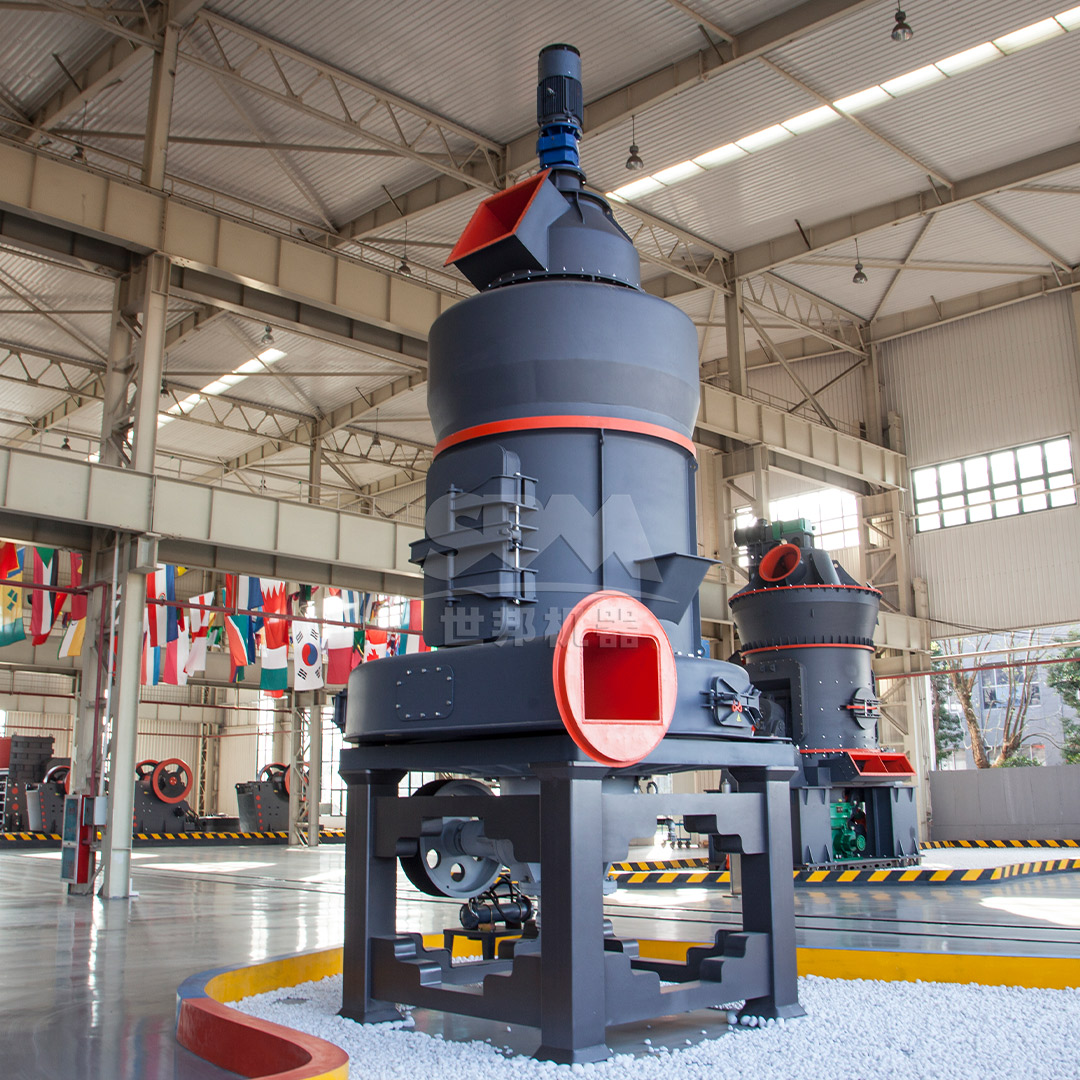
Eco-Friendly Grinding Technologies for CPC Production
Energy Efficiency Innovations
Modern grinding equipment incorporates multiple energy-saving technologies that significantly reduce operational costs while minimizing environmental impact. Advanced mill designs optimize grinding mechanics to reduce specific energy consumption by 30-50% compared to traditional technologies. Variable frequency drives, optimized classifier designs, and intelligent control systems further enhance energy efficiency by matching power consumption to actual processing requirements.
Dust Control and Emission Management
State-of-the-art grinding systems integrate comprehensive dust collection technology that captures 99.9% of particulate matter. Pulse-jet baghouse filters with automated cleaning cycles maintain consistent airflow while minimizing maintenance requirements. Advanced systems feature pressure differential monitoring, leak detection, and HEPA filtration for critical applications. Properly designed systems can maintain workplace dust concentrations below 1 mg/m³ and stack emissions under 10 mg/m³, exceeding most international standards.
Noise Reduction Technologies
Industrial grinding equipment traditionally generates significant noise pollution, but modern designs incorporate multiple noise control features. Acoustic enclosures, vibration isolation mounts, sound-absorbing materials, and optimized mechanical designs can reduce equipment noise from over 100 dB to below 75 dB. This not only creates better working conditions but also simplifies compliance with occupational health regulations and community noise standards.
Recommended Equipment for CPC Grinding Applications
SCM Ultrafine Mill for Precision Applications
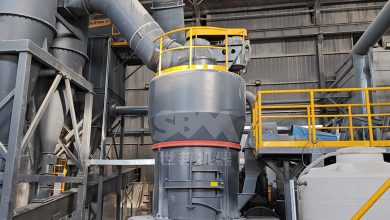
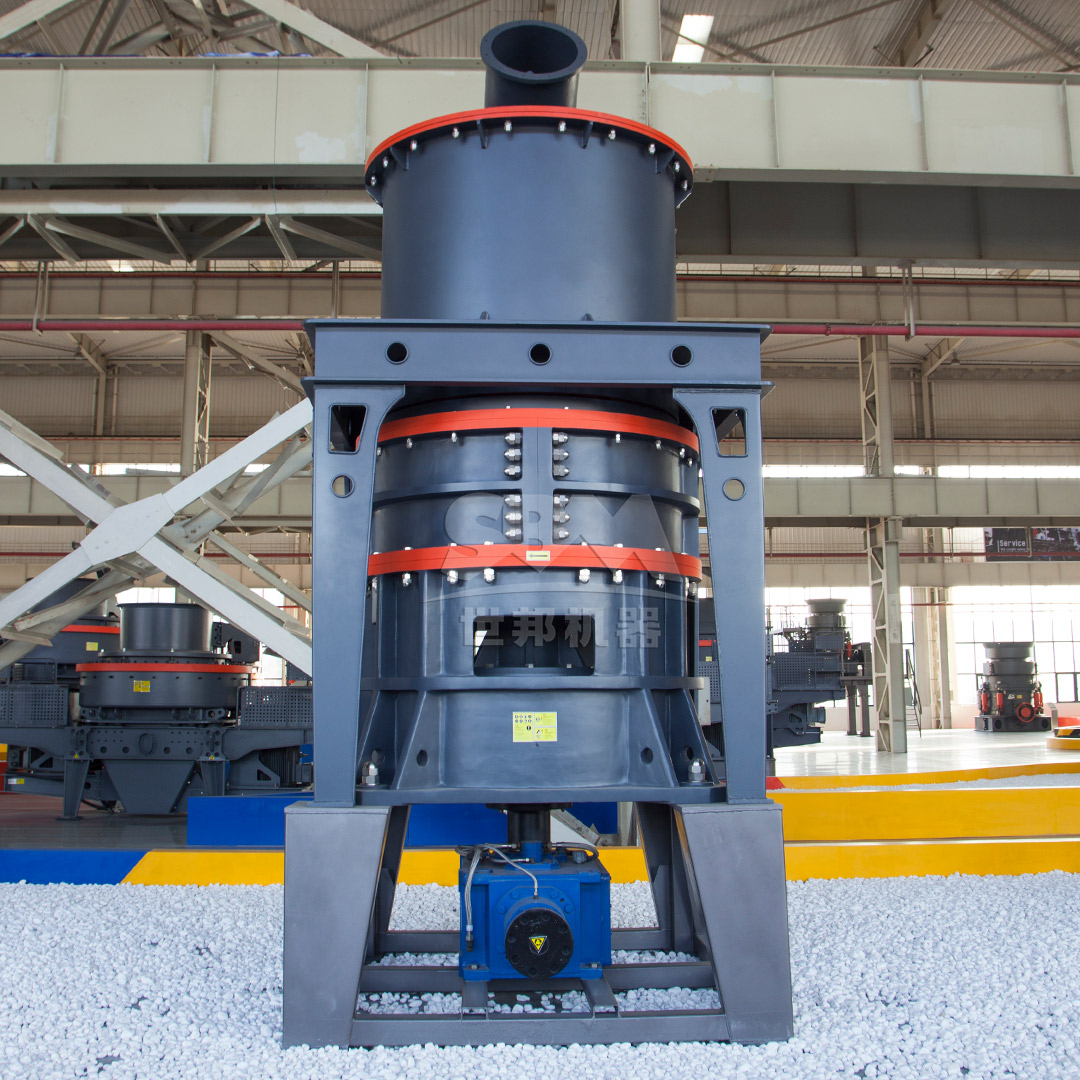
For operations requiring ultra-fine CPC powders (325-2500 mesh), the SCM Ultrafine Mill represents an optimal solution. This advanced grinding system delivers exceptional performance with input sizes up to 20mm and production capacities ranging from 0.5 to 25 tons per hour depending on model selection. The mill’s vertical turbine classification system ensures precise particle size control with D97 ≤5μm, making it ideal for high-value applications where consistent fineness is critical.
The SCM series incorporates multiple eco-friendly features including energy consumption 30% lower than conventional jet mills, pulse dust collection exceeding international standards, and noise levels below 75dB through integrated acoustic engineering. The unique grinding chamber design without bearing screws enhances operational stability while special material selection for rollers and grinding rings extends service life significantly. For CPC producers targeting premium markets with strict quality and environmental requirements, the SCM Ultrafine Mill offers an excellent balance of performance, efficiency, and compliance.
MTW Series Trapezium Mill for High-Capacity Operations
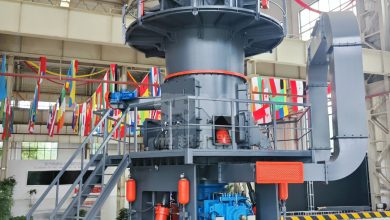
For large-scale CPC production facilities requiring high throughput with medium fineness (30-325 mesh), the MTW Series Trapezium Mill provides an efficient and reliable solution. With capacity ranging from 3 to 45 tons per hour and feed size acceptance up to 50mm, this robust grinding system handles high-volume applications while maintaining consistent product quality. The curved air channel design minimizes energy loss while the combined shovel blade configuration reduces maintenance costs and extends wear part lifespan.
The MTW series incorporates several proprietary technologies including an internal oil lubrication system, international standard pulse dust collection, and conical gear transmission with 98% efficiency. These features collectively contribute to lower operating costs, reduced environmental impact, and enhanced equipment reliability. For CPC producers focused on cost-effective large-scale production without compromising on product quality or environmental compliance, the MTW Trapezium Mill represents an outstanding technical and economic solution.
Comprehensive Cost Analysis of CPC Grinding Systems
Initial Investment Breakdown
A complete CPC grinding system includes multiple components beyond the core mill. The main grinding unit typically represents 40-60% of total equipment cost, while auxiliary systems including feeding equipment, classification systems, dust collectors, electrical controls, and installation engineering comprise the remainder. For a medium-capacity system (10 tons per hour), typical investment ranges between $300,000 and $600,000 depending on configuration, automation level, and environmental systems.
Operating Cost Considerations
Beyond initial investment, operating costs significantly impact total cost of ownership. Energy consumption typically represents 45-65% of operating costs, followed by wear part replacement (15-25%), maintenance labor (10-15%), and filter replacement (5-10%). Modern efficient grinding systems can reduce energy costs by 30-40% compared to conventional equipment, with payback periods of 1-3 years based on energy savings alone. Advanced systems with longer-wearing components further reduce operating costs through extended maintenance intervals and reduced downtime.
Return on Investment Calculation
Calculating ROI for CPC grinding equipment requires considering multiple factors including production capacity utilization, product value, energy costs, maintenance requirements, and environmental compliance costs. Modern high-efficiency systems typically achieve ROI periods of 18-36 months through combined savings in energy, maintenance, and labor, plus potential revenue increases from improved product quality and higher production rates. Additionally, environmental compliance advantages can prevent potential regulatory fines and enable market access to environmentally sensitive regions.
Future Trends in CPC Grinding Technology
Digitalization and Smart Manufacturing
The future of CPC grinding equipment lies in increased digitalization and connectivity. Next-generation mills will feature enhanced IoT capabilities, real-time performance optimization, predictive maintenance algorithms, and remote operational support. These technologies will further reduce operating costs while improving product consistency and equipment reliability. Cloud-based monitoring systems will enable continuous performance benchmarking and proactive maintenance scheduling.
Sustainability and Circular Economy Integration
Environmental considerations will continue to drive equipment innovation, with emphasis on further energy reduction, water conservation in cooling systems, and integration with renewable energy sources. Equipment designs will increasingly facilitate material recycling and waste heat recovery, contributing to circular economy objectives. Carbon footprint tracking and reporting capabilities will become standard features for compliance with evolving environmental regulations and customer sustainability requirements.
Conclusion
Selecting appropriate grinding equipment for calcined petroleum coke production involves balancing multiple factors including capital investment, operating costs, product requirements, and environmental compliance. Modern grinding technologies offer significant advantages in efficiency, product quality, and environmental performance compared to traditional equipment. While initial investment ranges from approximately $50,000 for small systems to over $3 million for large industrial plants, the operational savings and quality improvements typically deliver attractive returns on investment. As environmental regulations tighten and energy costs increase, the economic advantage of advanced, eco-friendly grinding systems will continue to grow, making them the preferred choice for forward-thinking CPC producers worldwide.