How Much Does an Attapulgite Grinding Mill Machine Cost? – Models and Price Guide
Attapulgite, also known as palygorskite, is a unique clay mineral prized for its high surface area, adsorption capacity, and colloidal properties. Processing this material into fine or ultrafine powders for applications in drilling fluids, absorbents, catalysts, and pharmaceuticals requires specialized grinding equipment. A common and critical question for processors is: How much does an attapulgite grinding mill machine cost?
The answer is not a single figure but a range, typically from $15,000 to over $500,000. This vast disparity stems from the interplay of several key factors: the required product fineness, desired production capacity, energy efficiency goals, and the level of automation and environmental control needed. This guide will break down the cost influencers and explore suitable mill models to help you make an informed investment decision.
Key Factors Influencing the Cost of an Attapulgite Grinding Mill
Understanding what drives the price is the first step toward budgeting accurately.
1. Required Product Fineness (Mesh/Microns)
This is the most decisive factor. Attapulgite applications range from coarse granular (40-100 mesh) for cat litter to superfine (2500 mesh/5μm) for high-performance nanocomposites.
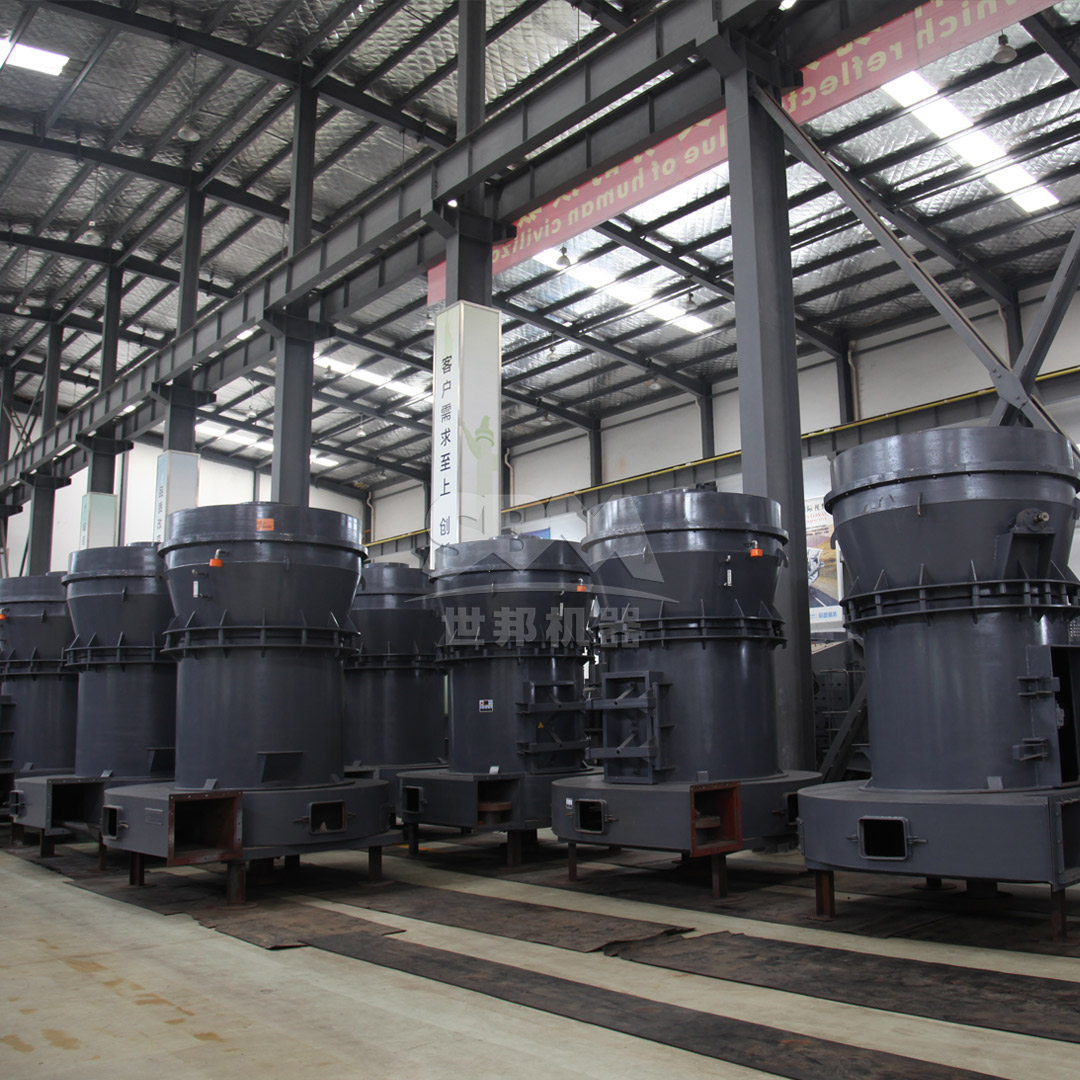
- Coarse to Medium Grinding (600-45μm / 30-325 mesh): Lower-cost mills like Hammer Mills, MTW/MTM Series Trapezium Mills, or Ball Mills are sufficient.
- Fine to Ultrafine Grinding (45-5μm / 325-2500 mesh): This demands high-performance mills like Ultrafine Vertical Roller Mills (LUM) or SCM Series Ultrafine Mills, which involve advanced classifying technology and precision engineering, significantly increasing cost.
2. Production Capacity (Tons Per Hour)
Higher throughput requires larger mill models with more powerful motors, robust construction, and bigger auxiliary systems (feeders, classifiers, dust collectors). A system rated for 2 t/h will be fundamentally different—and less expensive—than one designed for 25 t/h.
3. Mill Technology and Design
The core engineering impacts both performance and price.
- Grinding Mechanism: Simple impact mills (Hammer) are cheaper than roller-grinding and bed-grinding mills (Vertical Roller Mills, Pendulum Mills), which offer better efficiency and control.
- Classification System: Integrated, high-precision turbo classifiers (essential for ultrafine powder) add considerable cost but are non-negotiable for product quality.
- Wear Resistance: Mills with special alloy grinding rollers/rings and liners have a higher initial cost but offer dramatically lower long-term operating costs.
- Automation Level: PLC control systems with automatic feedback loops for fineness and load management increase upfront cost but optimize operation and consistency.
4. Auxiliary and Environmental Systems
The mill is just the heart of a complete production line. Costs must also account for:
- Feeding System: Screw feeders, belt conveyors.
- Dust Collection: Pulse jet baghouse dust collectors are essential for attapulgite to protect workers, meet environmental standards, and recover product. Efficiency >99.9% is typical.
- Packaging System: Automated packing machines for bags or big bags.
- Soundproof Enclosures: To meet workplace noise regulations.
Attapulgite Grinding Mill Models: A Technical and Cost Overview
Here’s a breakdown of common mill types suitable for attapulgite, from coarse to ultrafine processing.
For Coarse to Medium-Fine Grinding (30-325 Mesh)
1. MTW Series European Trapezium Mill
Estimated Price Range: $80,000 – $300,000+
Ideal for producing attapulgite powder in the 30-325 mesh range for applications like carriers and desiccants. Its curved duct design and bevel gear drive offer good efficiency and stability for medium-scale production.
2. LM Series Vertical Roller Mill
Estimated Price Range: $150,000 – $1,000,000+
A high-capacity, energy-efficient solution for large-scale production of fine attapulgite. Its integrated design (grinding, drying, classifying) saves space and power. The operating cost is low, but the initial investment is significant, justified for high-tonnage operations.
For Fine to Ultrafine Grinding (325-2500 Mesh)
This is where attapulgite’s high-value applications lie, requiring advanced technology.
3. SCM Series Ultrafine Mill
Estimated Price Range: $100,000 – $450,000
This mill is a highly recommended solution for producing premium-grade ultrafine attapulgite powder. It excels in the 325-2500 mesh range, precisely the spectrum needed for high-adsorption products, rheological modifiers, and advanced composites.
Why it’s an excellent choice for attapulgite:
- High-Precision Classification: Its vertical turbine classifier ensures sharp particle size cuts, producing uniform powder without coarse particles—critical for attapulgite’s performance.
- Energy Efficiency: It consumes approximately 30% less energy than traditional jet mills while offering double the capacity, drastically reducing operating costs.
- Durable & Stable: The special material rollers and rings and shaftless screw grinding chamber design are built for the abrasive nature of clay minerals, ensuring long service life and stable output.
- Eco-friendly Operation: With a pulse dust collector exceeding 99.9% efficiency and soundproof design, it meets stringent environmental and workplace standards.
Model Example (SCM Series): The SCM1000 model, with a capacity of 1.0-8.5 t/h and main power of 132kW, is a popular choice for mid-to-large-scale ultrafine attapulgite production lines, offering an optimal balance of output and investment.
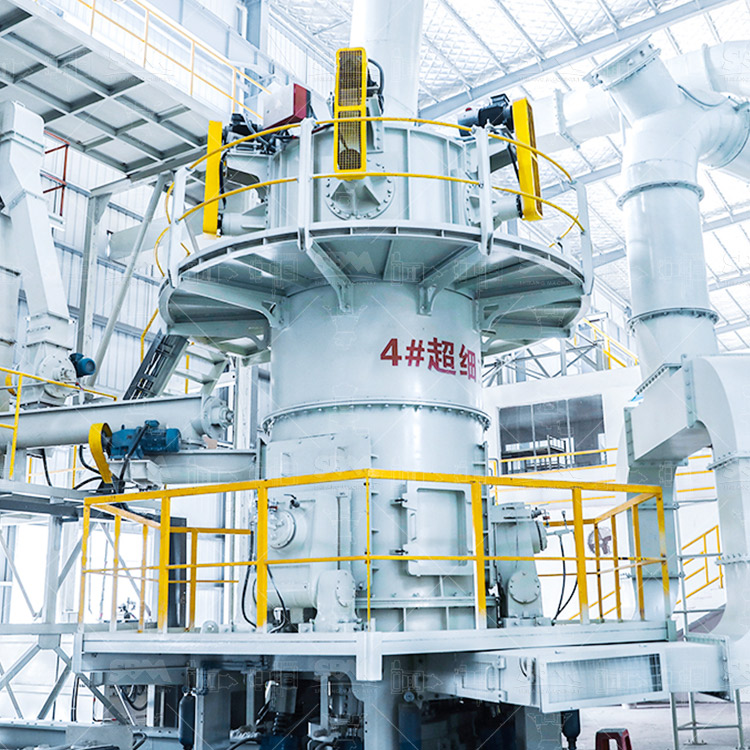
4. LUM Ultrafine Vertical Roller Mill
Estimated Price Range: $200,000 – $600,000+
Represents the cutting edge in ultrafine grinding technology. It integrates multiple rotors for superior classification and often features advanced automation. It’s a top-tier investment for producing the finest, most consistent attapulgite powders where product quality is paramount.
Beyond the Machine: Total Cost of Ownership (TCO)
The purchase price is only part of the story. A cheaper mill with high energy consumption and rapid wear part degradation can be far more expensive in the long run.
- Energy Consumption: Vertical Roller Mills and SCM Ultrafine Mills typically offer 30-50% savings over older technologies like Ball Mills.
- Wear Parts Life: High-quality grinding elements (rollers, rings) can last 2-3 times longer, reducing downtime and replacement costs.
- Maintenance Labor: Mills with easy-access designs and hydraulic systems for roller replacement (like the LM-Y series) minimize maintenance time and cost.
Conclusion and Final Recommendation
Selecting the right attapulgite grinding mill requires aligning technical specifications with both your budget and your long-term operational goals. For coarse to medium-fine products, the MTW Series offers reliable performance. For large-scale fine powder production, the LM Vertical Roller Mill is the efficiency leader.
However, for processors targeting the high-value, ultrafine attapulgite market (325-2500 mesh), the SCM Series Ultrafine Mill stands out as a particularly compelling solution. It delivers the precise fineness control, energy efficiency, and operational stability required, presenting an excellent balance of performance and total cost of ownership. We recommend consulting with our engineering team to analyze your specific feedstock and production targets, enabling us to provide a detailed quotation and system layout for the most cost-effective attapulgite grinding solution for your needs.