How Much Does a Stone Powder Grinding Machine Cost and What Fineness Can It Achieve?
Introduction to Stone Powder Grinding Machines
Stone powder grinding machines are essential equipment in various industries, including mining, construction, ceramics, and chemicals. These machines transform raw minerals into fine powders with specific particle sizes, enabling their use in diverse applications. The cost of these machines varies significantly based on their type, capacity, technological features, and the fineness they can achieve. This comprehensive guide explores the factors influencing the price of stone powder grinding machines and the fineness ranges they can deliver, helping you make an informed investment decision.
Factors Affecting the Cost of Stone Powder Grinding Machines
Machine Type and Technology
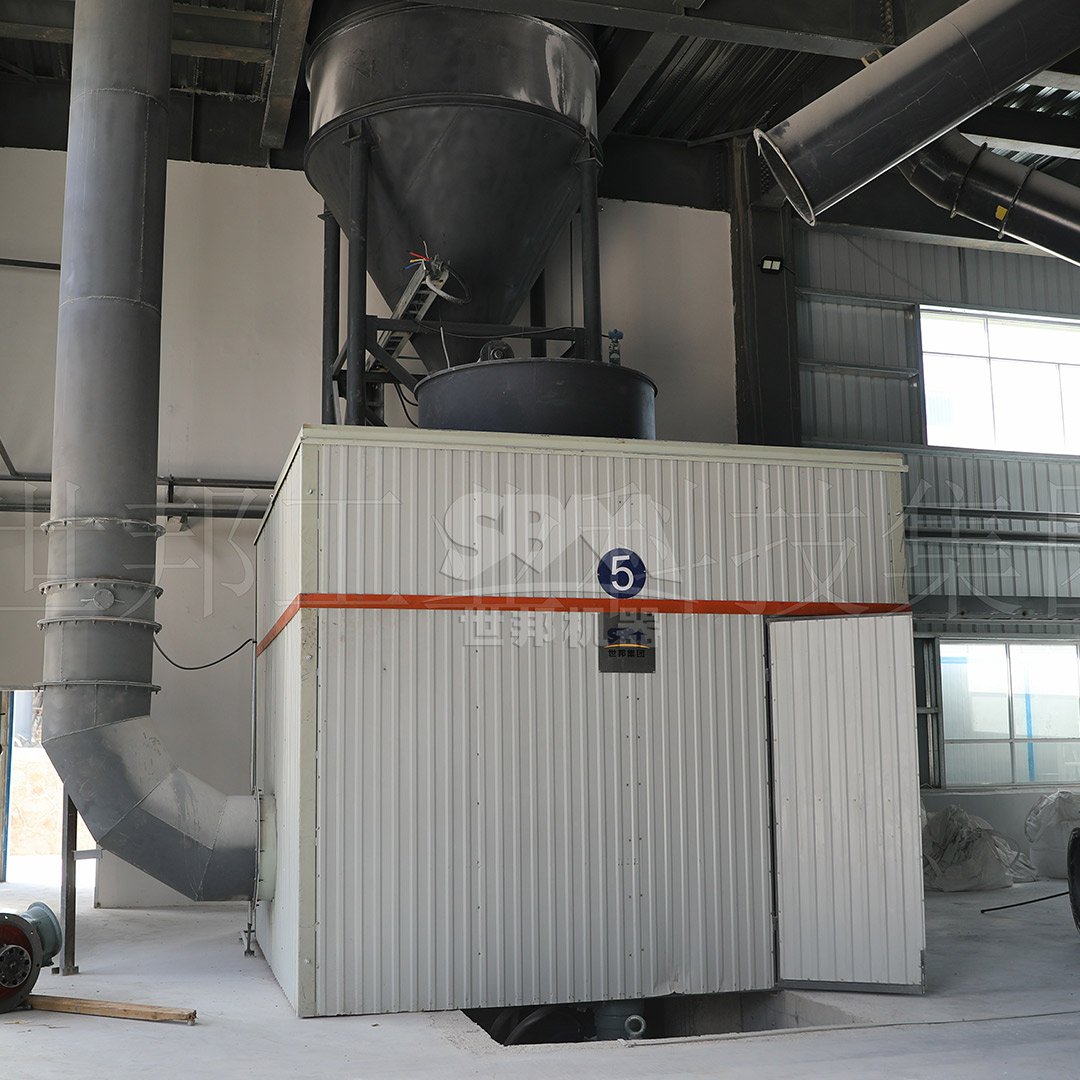
The type of grinding machine is a primary determinant of its cost. Basic models like hammer mills are generally more affordable, while advanced systems such as ultrafine mills and vertical roller mills command higher prices due to their sophisticated technology and superior performance. For instance, our SCM Ultrafine Mill incorporates cutting-edge features like intelligent control systems and high-precision classifiers, which contribute to its higher initial cost but offer long-term savings through reduced energy consumption and maintenance.
Production Capacity
Higher capacity machines require more robust components, larger motors, and advanced control systems, leading to increased costs. For example, our MTW Series Trapezium Mill models range from 3 to 45 tons per hour, with prices scaling accordingly. The MTW215G model, with a capacity of 15-45 tons per hour, represents a significant investment but delivers unparalleled productivity for large-scale operations.
Fineness Requirements
Machines capable of achieving finer particle sizes typically incorporate more precise classification systems and specialized grinding mechanisms, increasing their complexity and cost. Our SCM Ultrafine Mill can achieve fineness levels up to 2500 mesh (D97≤5μm), making it ideal for applications requiring extreme precision, such as high-performance ceramics and advanced composites.
Material of Construction
The quality of materials used in critical components like grinding rollers, rings, and liners significantly impacts both the cost and longevity of the machine. Our machines feature special alloy materials that extend component life by several times, reducing long-term operating costs despite a higher initial investment.
Understanding Fineness in Powder Grinding
Measurement Standards
Fineness in powder grinding is typically measured in mesh size or micrometers (μm). Mesh size refers to the number of openings in a linear inch of screen; higher mesh numbers indicate finer particles. Micrometer measurements provide a direct indication of particle size. For reference, 325 mesh corresponds to approximately 45μm, while 2500 mesh equates to about 5μm.
Fineness Ranges by Machine Type
Different grinding machines are designed for specific fineness ranges:
- Hammer Mills: 0-3mm (coarse grinding)
- Ball Mills: 0.074-0.8mm (medium to fine grinding)
- MTM/MTW Series Mills: 45-325 mesh (30-325μm)
- LM Vertical Mills: 30-600 mesh (45μm-600 mesh for special models)
- SCM Ultrafine Mills: 325-2500 mesh (D97≤5μm)
Recommended Grinding Machines for Different Applications
SCM Series Ultrafine Mill (45-5μm) – For High-Precision Applications
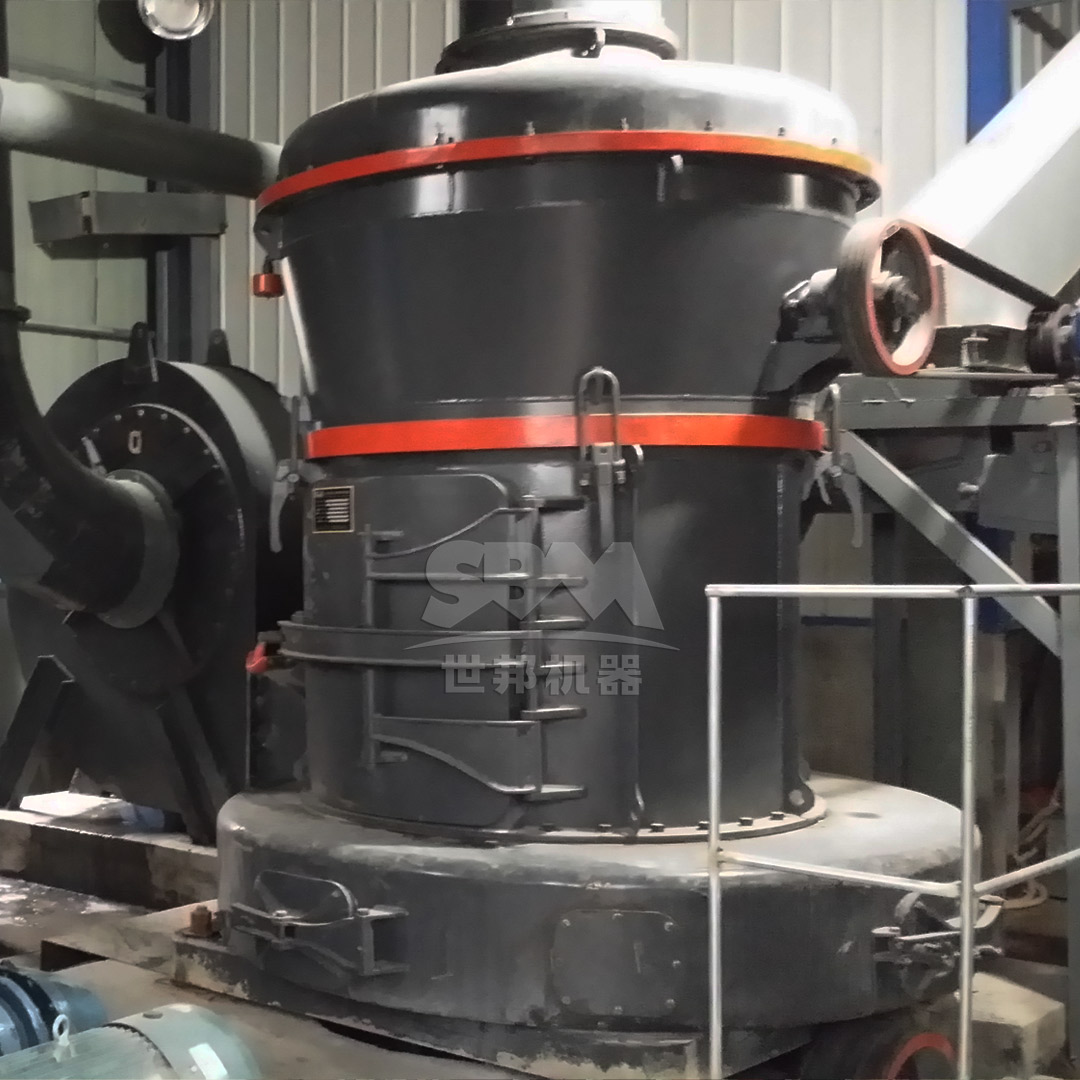
For operations requiring extremely fine powders with precise particle size distribution, we highly recommend our SCM Series Ultrafine Mill. This machine represents the pinnacle of grinding technology, capable of producing powders as fine as 2500 mesh (D97≤5μm) while maintaining exceptional energy efficiency.
Key Advantages:
- High Efficiency & Energy Saving: With twice the capacity of jet mills and 30% lower energy consumption, the SCM Ultrafine Mill delivers outstanding operational economics. Its intelligent control system automatically monitors and adjusts for consistent product fineness.
- High-Precision Classification: The vertical turbine classifier ensures precise particle size cuts with no coarse powder contamination, guaranteeing uniform product quality.
- Durable Design: Special material rollers and grinding rings extend service life several times over conventional components, while the bearingless screw grinding chamber ensures stable operation.
- Environmental Protection: With pulse dust collection efficiency exceeding international standards and noise levels below 75dB, the SCM Ultrafine Mill meets the most stringent environmental requirements.
Technical Specifications:
- Input Size: ≤20mm
- Output Fineness: 325-2500 mesh (D97≤5μm)
- Processing Capacity: 0.5-25 tons/hour (depending on model)
- Model Range: SCM800 (0.5-4.5t/h) to SCM1680 (5.0-25t/h)
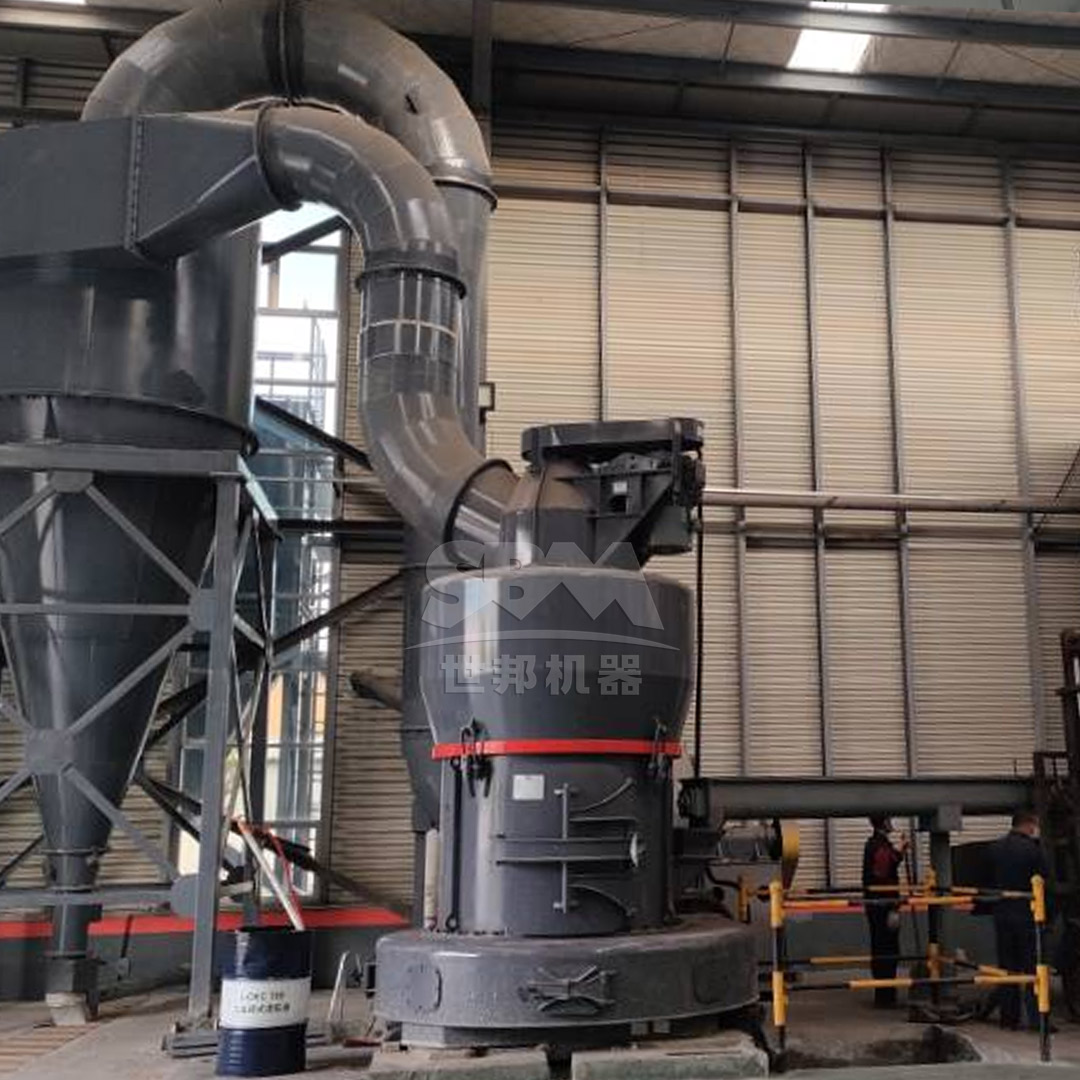
MTW Series Trapezium Mill (600-45μm) – For General to Fine Grinding
For applications requiring general to fine grinding with high throughput, our MTW Series Trapezium Mill offers an excellent balance of performance, reliability, and cost-effectiveness. With output fineness ranging from 30-325 mesh and capacities up to 45 tons per hour, this machine suits a wide range of industrial applications.
Key Advantages:
- Anti-Wear Shovel Design: Combined shovel blades reduce maintenance costs, while the curved surface design extends roller life.
- Optimized Air Channel: The curved air channel reduces energy loss and improves transmission efficiency, with high-strength guard plates protecting the working surface.
- Bevel Gear Integral Transmission: Achieves 98% transmission efficiency while saving space and reducing installation costs.
- Wear-Resistant Volute Structure: The non-blocking design improves air classification efficiency and reduces maintenance costs by 30%.
Technical Specifications:
- Input Size: ≤50mm
- Output Fineness: 30-325 mesh (can reach 0.038mm)
- Processing Capacity: 3-45 tons/hour (depending on model)
- Model Range: MTW110 (3-9t/h) to MRN218 (15-45t/h)
Cost Analysis of Stone Powder Grinding Machines
Initial Investment vs. Operating Costs
When evaluating the cost of a stone powder grinding machine, it’s crucial to consider both the initial investment and long-term operating expenses. While advanced machines like the SCM Ultrafine Mill may have higher upfront costs, their energy efficiency, reduced maintenance requirements, and longer component life often result in lower total cost of ownership.
Price Ranges by Machine Type
Grinding machine prices vary widely based on type and capacity:
- Hammer Mills: $10,000 – $50,000
- Ball Mills: $50,000 – $500,000+
- MTM/MTW Series Mills: $100,000 – $300,000
- LM Vertical Mills: $200,000 – $1,000,000+
- SCM Ultrafine Mills: $150,000 – $500,000
These are approximate ranges, and actual prices depend on specific configurations, optional features, and market conditions.
Selecting the Right Grinding Machine for Your Needs
Matching Machine Capabilities to Application Requirements
Choosing the appropriate grinding machine requires careful consideration of your specific needs:
- For coarse to medium grinding (0.8mm-45μm): Consider ball mills or MTM series mills
- For general fine grinding (325-600 mesh): MTW series or LM vertical mills are excellent choices
- For ultrafine applications (beyond 600 mesh): The SCM Ultrafine Mill is specifically designed for these demanding requirements
Production Volume Considerations
Your required production volume significantly influences machine selection. For low to medium volumes (up to 10 tons/hour), the SCM800 or MTW110 models offer excellent performance. For high-volume operations (20+ tons/hour), the SCM1680 or MTW215G provide the necessary capacity.
Conclusion
The cost of a stone powder grinding machine is influenced by multiple factors, including machine type, capacity, fineness requirements, and technological features. While initial investment is important, considering long-term operating costs, maintenance requirements, and product quality is crucial for making a sound investment decision.
Our SCM Series Ultrafine Mill and MTW Series Trapezium Mill represent two excellent options at different price points and performance levels. The SCM Series delivers unparalleled fineness for specialized applications, while the MTW Series offers versatile performance for general grinding needs. Both incorporate advanced technologies that ensure energy efficiency, reliability, and consistent product quality.
When selecting a grinding machine, carefully evaluate your specific requirements for fineness, capacity, and budget to choose the most appropriate solution for your operation. With proper selection and maintenance, a quality grinding machine can provide years of reliable service and contribute significantly to your production efficiency and product quality.