How Much Does a Complete Set of Power Plant Desulfurization Grinding Mill Cost?
Introduction: The Critical Role of Grinding in Flue Gas Desulfurization
Flue Gas Desulfurization (FGD) is a cornerstone technology for modern power plants to meet stringent environmental regulations. At the heart of the most common wet limestone-gypsum FGD process lies a critical piece of equipment: the grinding mill. Its primary function is to pulverize raw limestone into a fine slurry with a precisely controlled particle size, typically aiming for a high percentage of particles smaller than 44 microns (325 mesh). This fineness is non-negotiable, as it directly dictates the limestone’s reactivity with sulfur dioxide (SO₂) in the flue gas, impacting desulfurization efficiency, reagent consumption, and overall system stability.
Consequently, selecting the right grinding mill is not merely an equipment purchase; it’s a strategic investment in the plant’s operational efficiency, compliance capability, and long-term profitability. The question of cost, therefore, extends far beyond the initial price tag of the machine itself. This article provides a comprehensive breakdown of the factors influencing the total cost of a complete desulfurization grinding system and offers insights into making a value-driven investment.
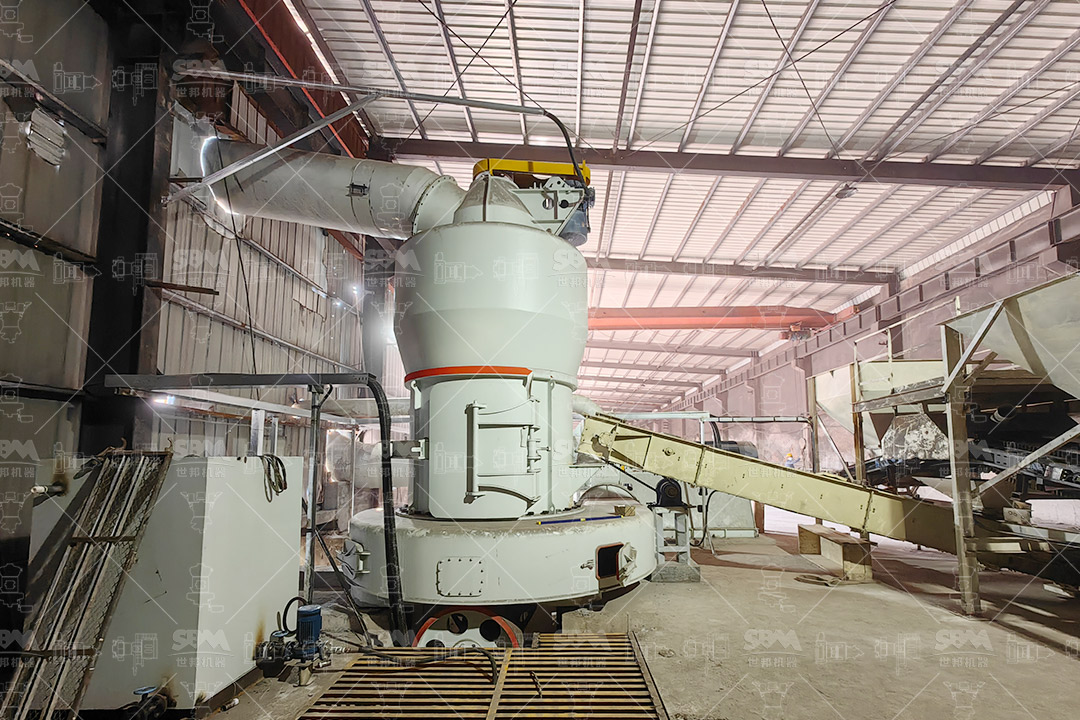
Deconstructing the Total Cost of Ownership (TCO)
The total investment for a desulfurization grinding mill system is multifaceted. A savvy buyer must look beyond the base equipment quote to understand the complete financial picture, which can be categorized as follows:
1. Initial Capital Investment (CAPEX)
- Mill Host Machine: This is the core cost, varying significantly with the type of mill (e.g., ball mill, vertical roller mill, Raymond mill), its size, capacity (t/h), and material of construction for wear parts.
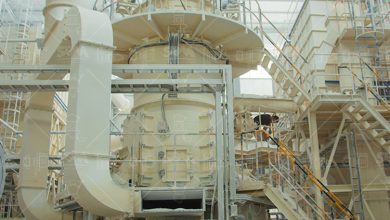
- Auxiliary Systems: A complete grinding line is a system. CAPEX must include the cost of the feeder, classifier, main fan, piping, cyclone collector, pulse jet bag filter (or other dust collector), screw conveyor, slurry preparation tanks, and slurry pumps.
- Electrical & Control Systems: This encompasses motors, variable frequency drives (VFDs), switchgear, and a sophisticated PLC-based control system for automated operation and monitoring.
- Civil Works & Installation: Costs for foundation, structural steel, plant space, and professional installation/commissioning services can be substantial, especially for larger mills.
2. Operational Costs (OPEX)
- Power Consumption: This is often the single largest OPEX component. The grinding mill’s motor, along with the classifier and fan motors, are continuous energy consumers. A mill with higher grinding efficiency can lead to massive savings over its lifespan.
- Wear Parts Consumption: Grinding elements like rollers, grinding rings/tables, liners, and classifier blades are subject to constant abrasion. Their replacement cost, frequency, and ease of change-out directly affect maintenance budgets and plant availability.
- Maintenance Labor: Costs associated with routine inspections, lubrication, part replacements, and unscheduled repairs.
- Consumables: This includes lubricants, filter bags for the dust collector, and other miscellaneous items.
Key Technological Factors Influencing Cost and Selection
The choice of mill technology is the primary driver of both CAPEX and OPEX. Here’s a comparison of common technologies applied in FGD limestone grinding:
- Ball Mills: Traditional, robust, and capable of producing the required fineness. However, they have high energy consumption (low efficiency), large footprint, and significant noise levels. OPEX is typically high.
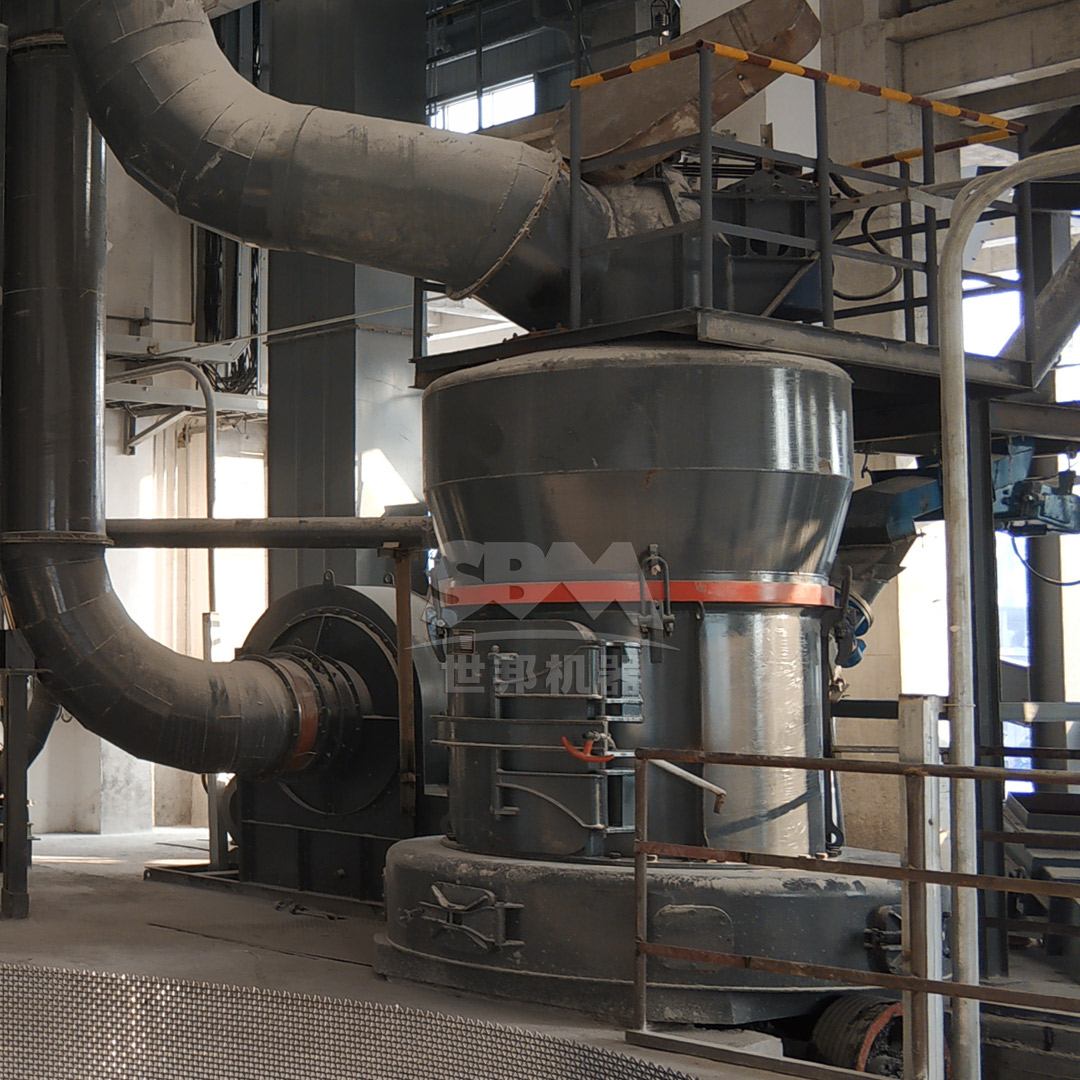
- Vertical Roller Mills (VRM): Have become the industry standard for large-scale FGD systems due to their superior energy efficiency (30-50% less power than ball mills), integrated drying capability (if needed), and compact footprint. Higher initial CAPEX is often justified by dramatically lower OPEX.
- Raymond Mills (Roller Mills): Suitable for small to medium capacity requirements. They offer a good balance of cost and performance but may have higher wear rates on certain abrasive materials compared to advanced VRM designs.
Introducing the Optimal Solutions for FGD Grinding
Selecting a mill that balances high efficiency, reliability, and low operating costs is paramount. Based on the specific capacity and fineness requirements of power plant desulfurization, we highly recommend two of our flagship products, engineered to deliver exceptional value over their entire lifecycle.
Recommended Solution 1: LM Series Vertical Roller Mill
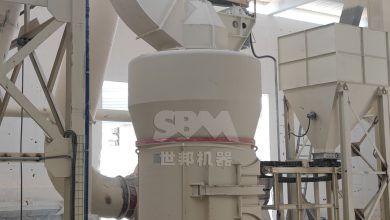
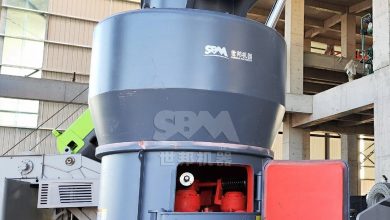
For medium to large power plants requiring high-capacity, efficient, and reliable limestone grinding, the LM Vertical Roller Mill is the premier choice. Its design philosophy directly targets the reduction of Total Cost of Ownership.
- Core Advantage for FGD: Its integrated design combines crushing, grinding, drying (if humid limestone), and classification in a single unit, reducing plant footprint by up to 50% and slashing civil investment costs.
- OPEX Champion: The bed-grinding principle and efficient classifier system consume 30-40% less energy than traditional ball mill systems. Furthermore, its non-contact design between rollers and table, coupled with wear-resistant materials, extends the life of wear parts significantly, reducing consumption and maintenance frequency.
- FGD-Ready Specifications: With an input size of ≤50mm and the ability to produce fineness in the range of 30-325 mesh (easily achieving the critical 325 mesh target), it perfectly matches FGD needs. Models like the LM190K (23-68 t/h) or LM220K (36-105 t/h) are commonly deployed for major power stations.
- Environmental Compliance: Fully sealed negative pressure operation ensures dust emissions are kept far below international standards, while its low-noise design contributes to a better plant environment.
Recommended Solution 2: MTW Series European Trapezium Mill
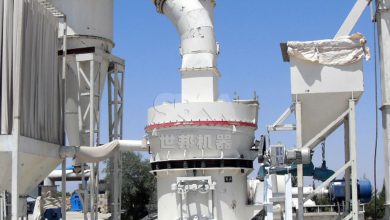
For small to medium-sized power plants or industrial boiler FGD systems, the MTW Series European Trapezium Mill offers an outstanding balance of performance, cost-effectiveness, and technological sophistication.
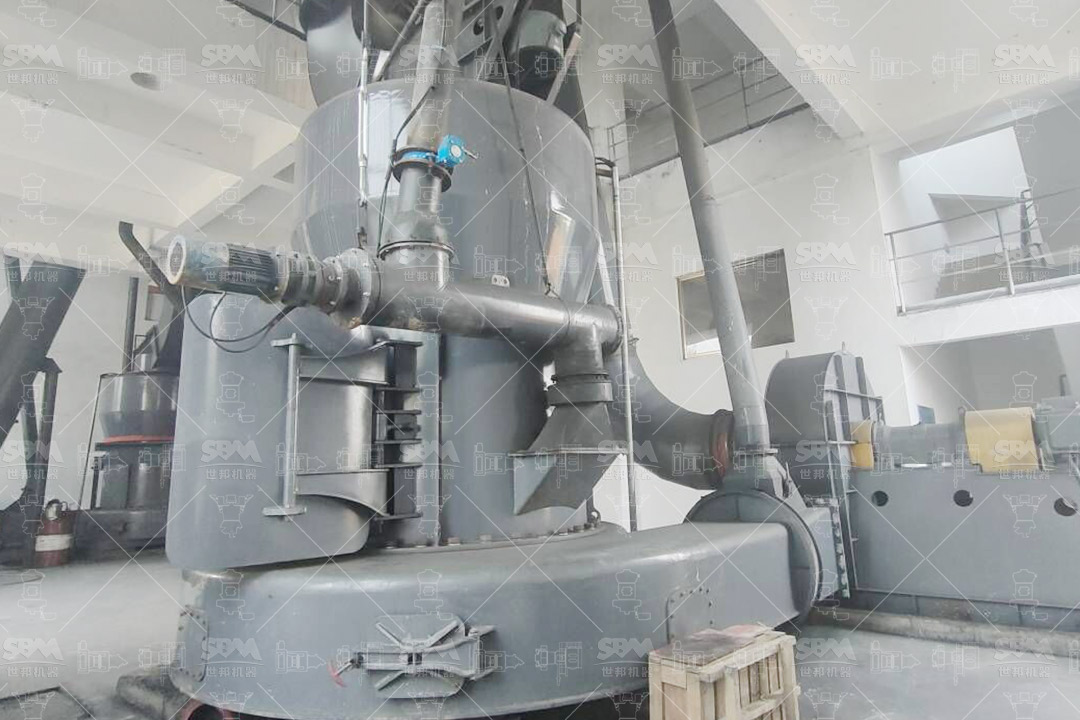
- Cost-Effective Efficiency: It incorporates advanced European grinding technology, such as the integral bevel gear transmission with 98% efficiency, which saves energy and space. The optimized arc air duct reduces airflow resistance, further enhancing overall system efficiency.
- Durability for Abrasive Limestone: The patented anti-wear shovel design and curved grinding roller technology are specifically engineered to handle abrasive materials like limestone, extending service life and reducing maintenance costs by up to 30%.
- Precise Fineness Control: Its internal efficient classifier allows for flexible and precise adjustment of product fineness between 30-325 mesh, ensuring the limestone slurry reactivity is consistently optimal for the FGD process.
- Ideal Model Range: Models such as the MTW175G (9.5-25 t/h) or MTW215G (15-45 t/h) provide perfect capacity coverage for a wide range of desulfurization applications, making them a versatile and reliable choice.
Conclusion: Investing in Value, Not Just Equipment
The cost of a complete power plant desulfurization grinding mill system is a complex equation where the initial purchase price is just one variable. A truly economical decision must be based on a thorough analysis of the Total Cost of Ownership, heavily weighing operational expenses like energy and wear part consumption over the 20-30 year lifespan of the plant.
Technologies like our LM Vertical Roller Mill and MTW European Trapezium Mill are designed from the ground up to minimize TCO. By offering significantly higher grinding efficiency, superior durability, and intelligent operation, they transform the grinding system from a cost center into a value-adding asset that ensures reliable compliance, maximizes limestone utilization, and protects your bottom line. When evaluating your next FGD grinding project, we encourage you to look at the complete lifecycle cost and partner with a supplier whose technology is engineered for long-term value and performance.