How Much Does 600 Mesh Heavy Calcium Carbonate Cost? An Inside Look at Downstream Powder Processing Plants’ Management
Introduction: The Price Puzzle of 600 Mesh Heavy Calcium Carbonate
For managers and procurement specialists in downstream industries like plastics, paints, coatings, and paper, the question of “How much does 600 mesh heavy calcium carbonate cost?” is deceptively simple. The quoted price per ton is merely the tip of the iceberg. The true cost is a complex equation deeply intertwined with the operational efficiency, energy consumption, and long-term stability of the powder processing plant itself. Achieving a consistent, high-quality 600-mesh product (approximately 23 microns) requires not just raw material but sophisticated grinding technology and astute plant management. This article delves into the key factors that determine the final cost and explores how modern milling solutions are revolutionizing profitability for processing plants.
Deconstructing the Cost: Beyond the Invoice Price
The market price for 600 mesh GCC fluctuates based on regional raw material quality, transportation, and market demand. However, for the processing plant, the production cost is the ultimate determinant of competitiveness. This cost is primarily composed of:
- Capital Expenditure (CAPEX): The initial investment in grinding, classification, and dust collection equipment.
- Operational Expenditure (OPEX): The ongoing costs of energy (power consumption is the single largest OPEX factor), wear parts (rollers, rings, liners), maintenance labor, and plant footprint.
- Quality & Yield Cost: Inefficient classification leading to off-spec product or low yield directly increases cost per ton of saleable material.
- Environmental & Compliance Cost: Investments in dust control and noise abatement to meet regulatory standards.
A plant using outdated technology may secure a cheap equipment quote but will inevitably face cripplingly high OPEX, making its final product cost uncompetitive.
The Heart of the Plant: Selecting the Right Grinding Technology
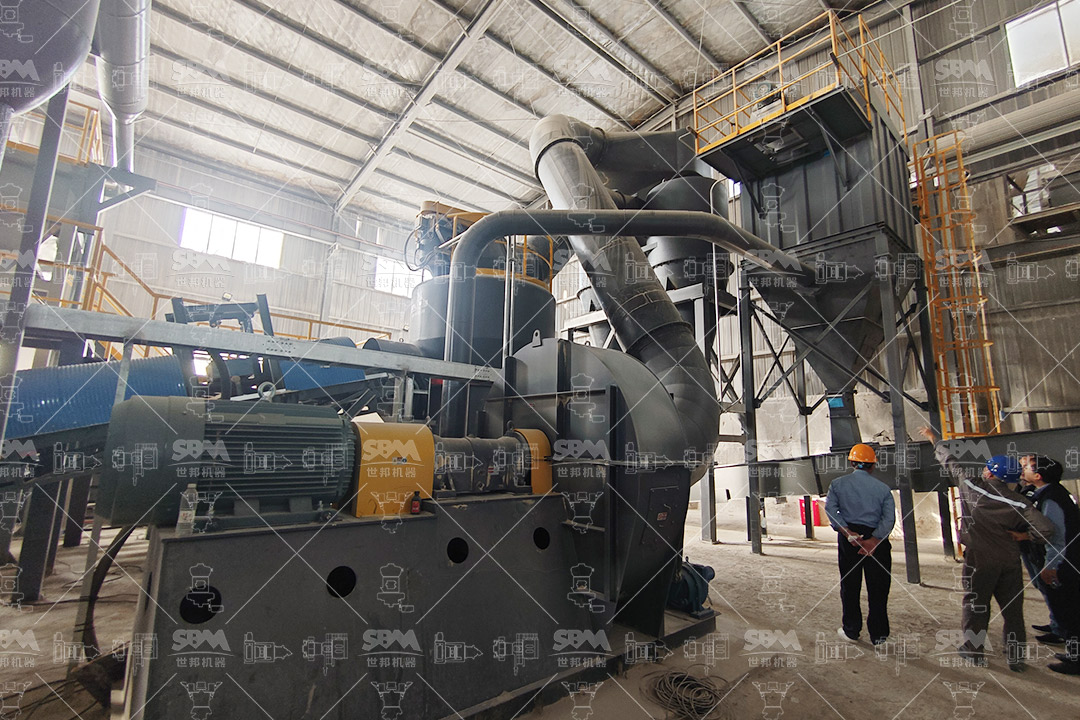
The choice of milling system is the most critical management decision for a GCC plant targeting the 600-mesh range. Traditional ball mills or Raymond mills often struggle with the high energy demands and poor classification efficiency needed for this fine, uniform product.
Modern plants are increasingly turning to advanced vertical roller mills and ultra-fine grinding systems which offer a superior balance of precision, efficiency, and reliability. The key technological advantages sought are:
- High-Precision Classification: To ensure a sharp particle size cut at 600 mesh without coarse tails or excessive super-fines.
- Grinding Efficiency: Direct bed grinding mechanisms are more energy-efficient than impact-based systems for fine grinding.
- System Integration: Integrated crushing, grinding, drying, and classifying in one unit saves space and reduces system complexity.
- Durability & Easy Maintenance: Designed for long intervals between wear part changes with quick replacement systems.
Strategic Equipment Investment: A Case for Advanced Mills
To achieve low total cost of ownership (TCO) for producing 600 mesh GCC, forward-thinking plant managers are evaluating mills based on lifecycle cost, not just purchase price. Two standout technologies that align with this strategic approach are our LM Series Vertical Roller Mill and SCM Series Ultrafine Mill.
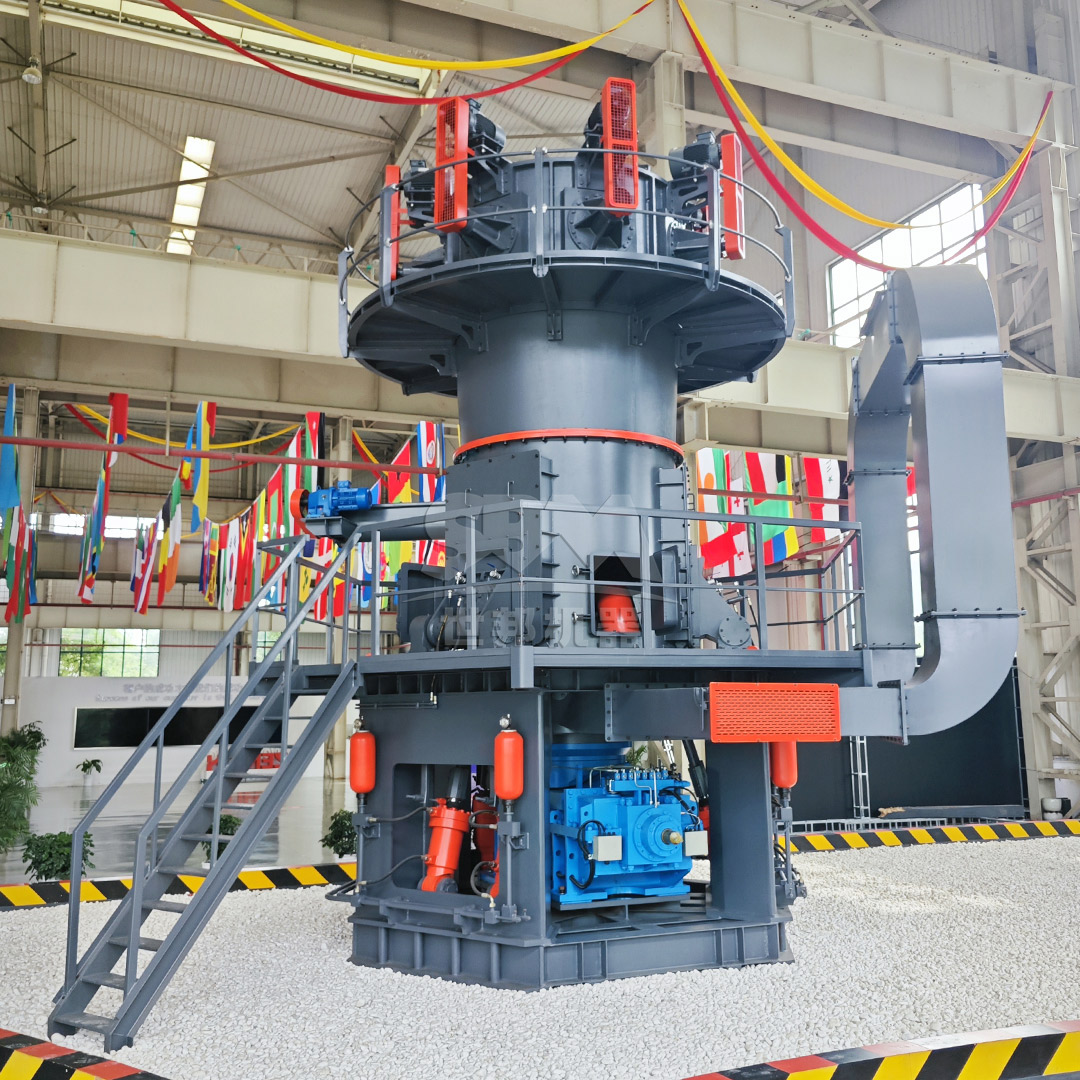
1. For Large-Scale, High-Efficiency Production: LM Series Vertical Roller Mill
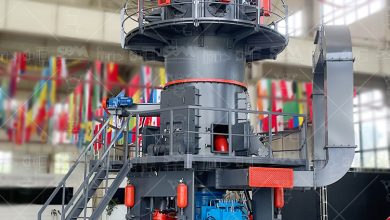
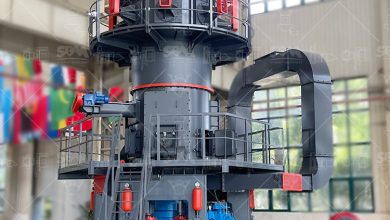
When the project scope calls for capacities from 3 to over 250 tons per hour, the LM Vertical Roller Mill presents an unparalleled solution. Its integrated design combines crushing, grinding, drying, and classification into a single, compact unit, reducing plant footprint by up to 50% and slashing civil engineering costs by 40%. For a 600-mesh product, its intelligent control system and dynamic classifier allow for precise multi-stage adjustment of fineness.
The most significant OPEX saving comes from its grinding principle. The non-contact design between rollers and the grinding table, coupled with a material bed grinding mechanism, results in energy consumption that is 30-40% lower than traditional ball mill systems. Furthermore, its wear parts last up to three times longer, drastically reducing maintenance costs and downtime. For a downstream plant manager, this translates directly into a lower and more stable cost per ton of 600 mesh GCC, ensuring long-term market competitiveness.
2. For Premium Ultra-Fine and High-Value Production: SCM Series Ultrafine Mill
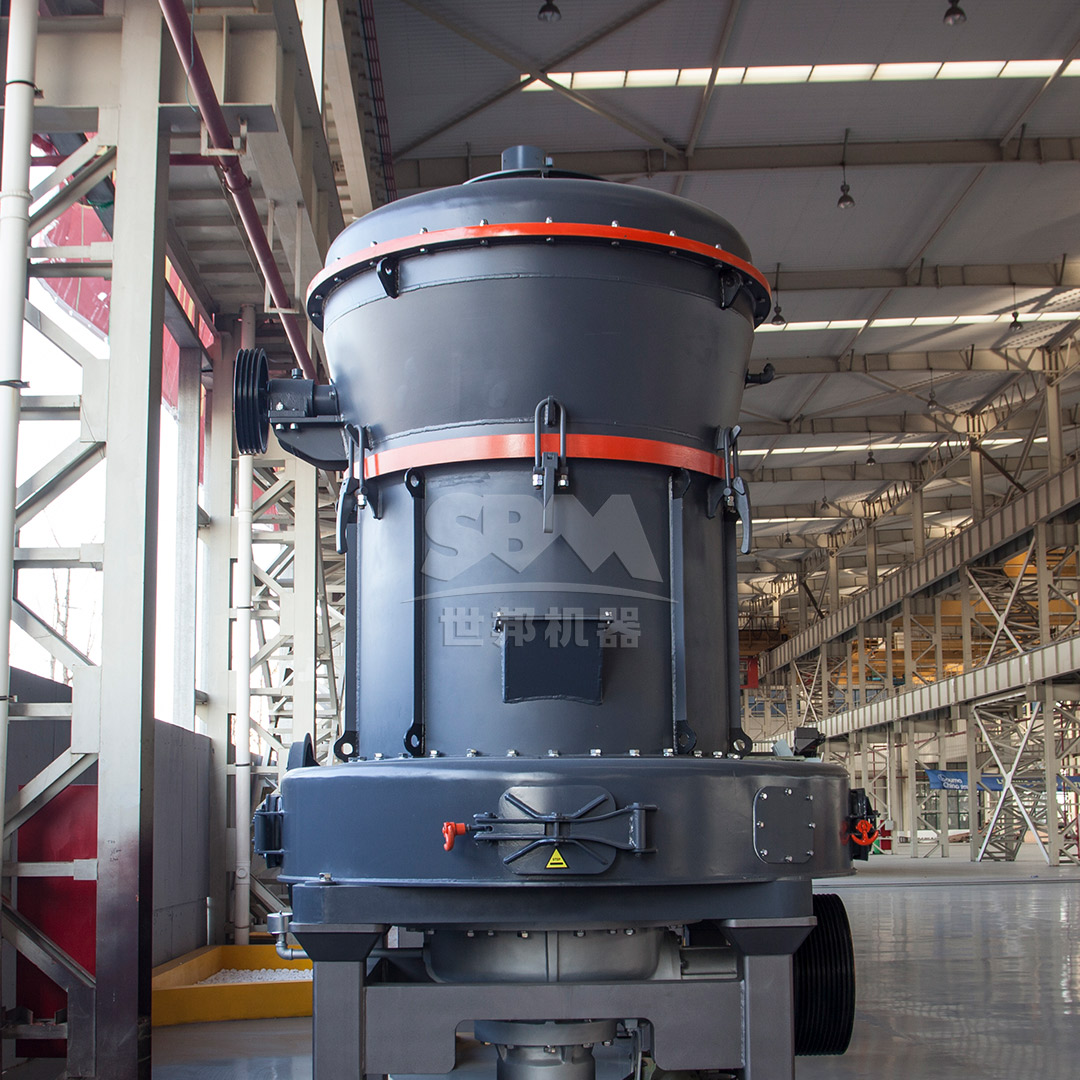
For operations focusing on the very fine end of the spectrum (325-2500 mesh) or requiring exceptional product uniformity for high-value applications, the SCM Ultrafine Mill is the technology of choice. While it excels at producing finer grades, it is also exceptionally capable and efficient at the 600-mesh range.
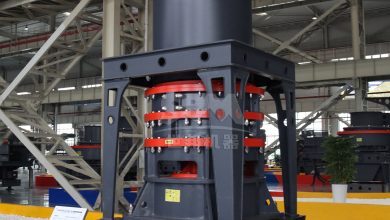
Its core advantage lies in its high-precision vertical turbine classifier, which ensures a sharp particle size cut, eliminating coarse powder mixing and guaranteeing a uniform finished product—a critical quality parameter for downstream users. Despite its advanced capabilities, it is remarkably energy-conscious, offering a capacity twice that of jet mills while consuming 30% less energy. The durable design, featuring special material rollers and rings, extends service life significantly, protecting the plant’s OPEX. For managers producing specialty-grade 600 mesh GCC where consistency is paramount, the SCM series provides the technological edge to command premium pricing while controlling costs.
Holistic Plant Management: Integrating Technology with Operations
Investing in the right mill is only the first step. Effective cost management requires a holistic view:
- Feedstock Consistency: Ensuring a stable and optimally sized feed (≤20mm for SCM, ≤50mm for LM) is crucial for mill efficiency and longevity.
- Preventive Maintenance: Leveraging the intelligent control systems of modern mills to schedule maintenance based on actual operating data, not just time intervals.
- Energy Management: Monitoring specific energy consumption (kWh/ton) as a key performance indicator (KPI).
- Quality Control Loop: Integrating particle size analyzers with the mill’s control system for real-time feedback and adjustment, maximizing yield of in-spec product.
Conclusion: The True Cost is a Function of Intelligent Investment
So, how much does 600 mesh heavy calcium carbonate cost? For the savvy plant manager, the answer is not found in a static price list but in the dynamic optimization of their production process. The strategic selection of grinding technology—such as the energy-efficient and robust LM Vertical Roller Mill for large-scale production or the precise and high-performing SCM Ultrafine Mill for premium grades—is the foundational decision that locks in long-term cost advantages. By prioritizing low total cost of ownership, downstream powder processing plants can transform the cost question from a challenge into their core competitive strength, ensuring sustainable profitability in a demanding market.