How MTW215G Milling Machine Works in Manganese Powder Grinding System
Introduction
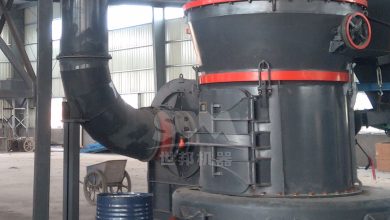
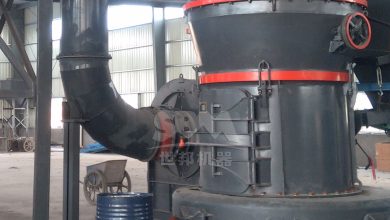
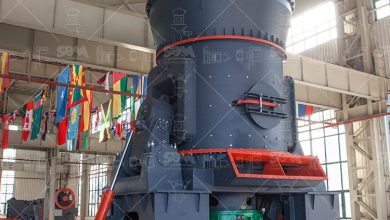
The processing of manganese ore into high-quality powder is a critical step in numerous industrial applications, including steel production, battery manufacturing, and chemical synthesis. Achieving the desired fineness, uniformity, and production efficiency requires a robust and technologically advanced grinding system. At the heart of such a system for medium to fine powder production is the European Trapezium Mill. This article delves into the operational mechanics of the MTW215G Milling Machine, a flagship model in this series, within a comprehensive manganese powder grinding circuit.
The Manganese Powder Grinding System: An Overview
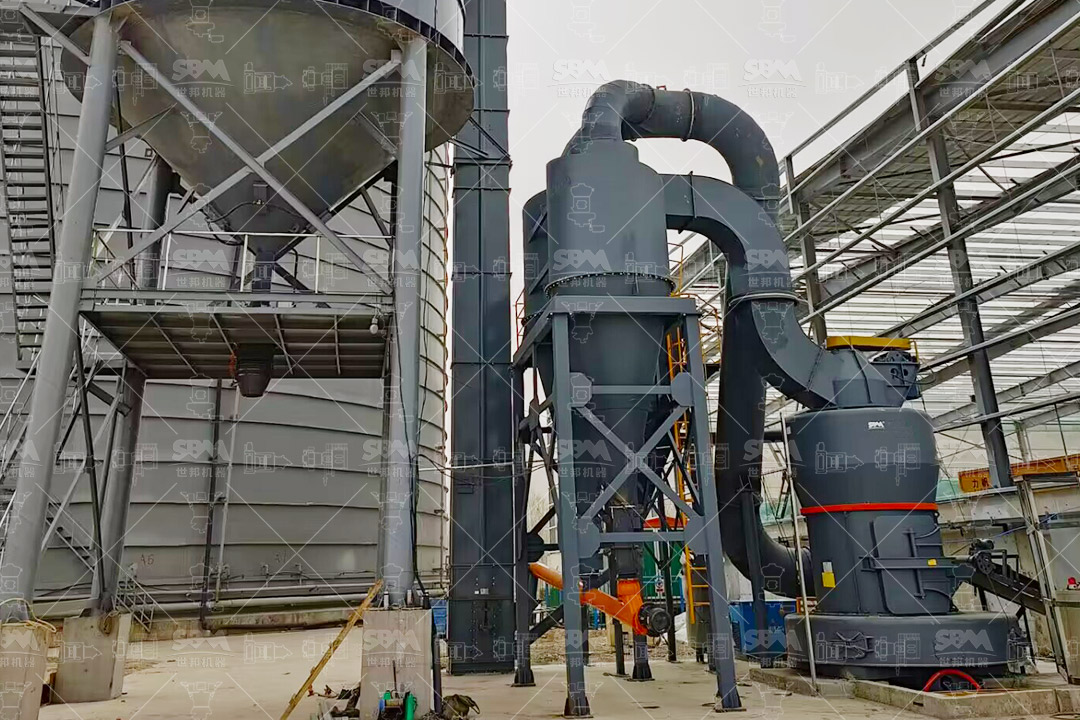
A complete grinding system is more than just a mill. It is an integrated circuit designed for continuous, efficient, and controlled size reduction. For manganese ore, the typical system configuration feeding an MTW215G mill includes:
- Raw Material Preparation: Manganese ore, often crushed to below 50mm, is stored in a silo.
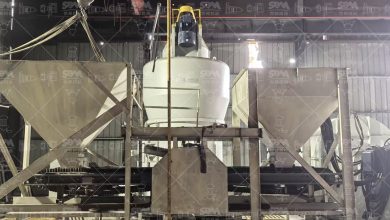
- Feeding System: A variable-speed feeder, such as the GZ5F model specified for the MTW215G, ensures a steady and controllable flow of material into the mill.
- Grinding Core – The MTW215G Mill: This is where the primary size reduction occurs.
- Classification System: An integrated dynamic classifier separates fine powder from coarse particles.
- Product Collection: A cyclone collector and a pulse-jet bag filter (dust removal system) work in tandem to collect the final product and ensure clean exhaust.
- Air Circuit & Drive System: A high-pressure fan (315kW for MTW215G) provides the necessary airflow, while the main motor (280kW) drives the grinding mechanism.
In-Depth Operation of the MTW215G Milling Machine
The MTW215G’s efficiency stems from its sophisticated design and working principle, optimized for hard, abrasive materials like manganese.
1. Feeding and Initial Distribution
The prepared manganese ore is conveyed into the mill’s feed inlet. Inside the mill housing, a critical component—the anti-wear shovel—comes into play. Its curved, combined-blade design scoops up the material and uniformly disperses it onto the center of the rotating grinding ring (or table). This action is crucial for forming a stable and even material bed for grinding.
2. The Core Grinding Process
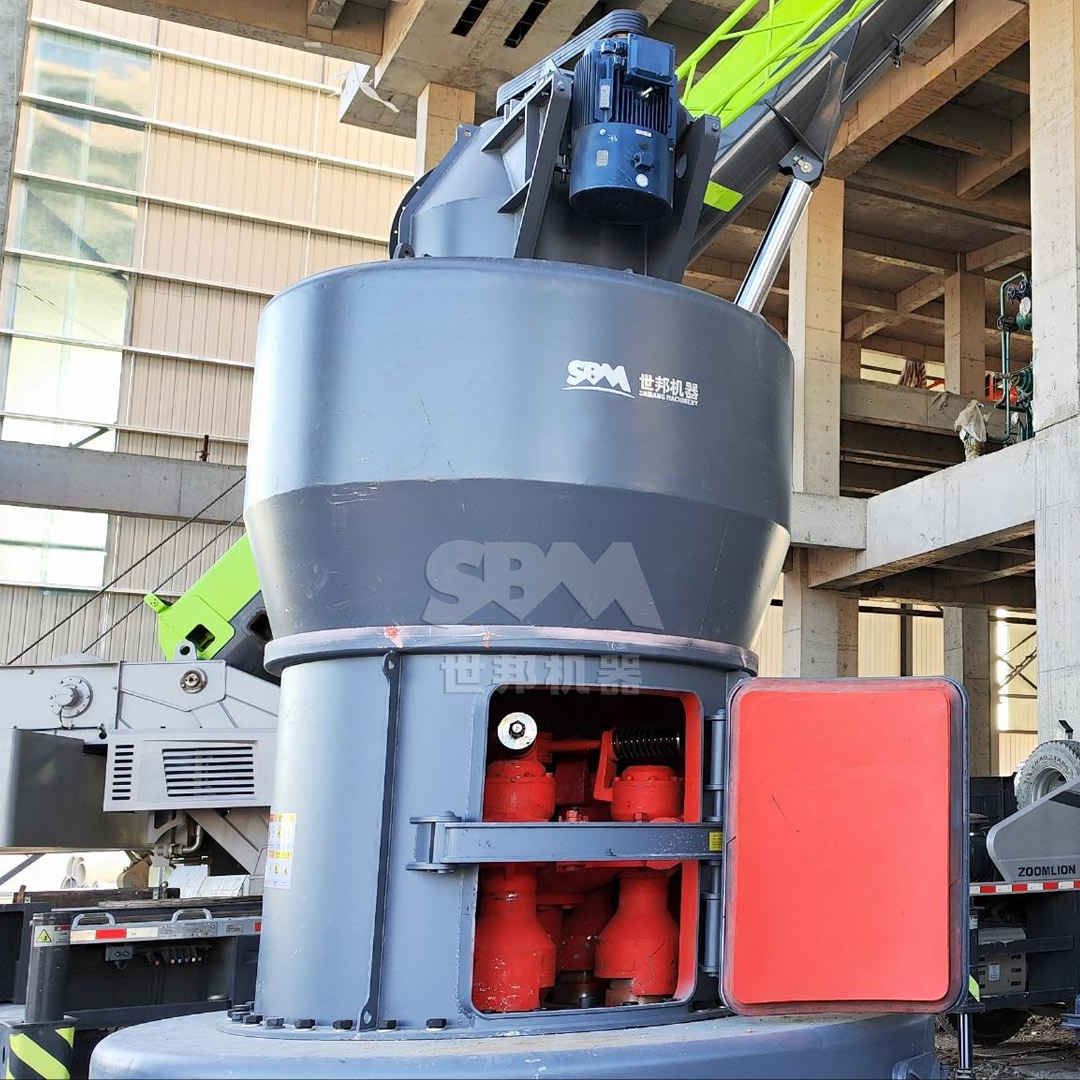
The main motor’s power is transmitted via an integral bevel gear drive, boasting up to 98% transmission efficiency. This system drives the central shaft, causing the grinding roller assembly to revolve. Simultaneously, the rollers self-rotate due to friction against the material bed.
Centrifugal force, generated by the revolving motion, pushes the rollers outward, pressing them against the material layer on the grinding ring. The manganese particles are subjected to immense compressive and shear forces between the roller and the ring. This bed grinding principle is highly efficient for size reduction and minimizes direct metal-to-metal wear. The specially designed wear-resistant rollers and ring, often made from high-chromium or other hardened alloys, are essential for withstanding the abrasiveness of manganese.
3. Drying and Airborne Transport
For many applications, drying is required. Hot air (or ambient air), introduced through an optimized arc air duct, flows into the grinding chamber. This air stream serves two purposes: it dries the moisture from the manganese ore, and it lifts the fine particles generated by grinding. The arc duct design minimizes turbulence and pressure loss, enhancing overall system efficiency.
4. Precision Classification
The air-powder mixture rises to the top of the mill, entering the classifier. The MTW215G employs a high-precision, vertically-mounted turbine classifier powered by a dedicated 55kW motor. The rotating blades generate a centrifugal field. Fine particles that meet the target fineness (adjustable between 30-325 mesh) are small enough to follow the air stream through the classifier and out to the collection system. Coarser, heavier particles are rejected by the classifier’s centrifugal force and fall back onto the grinding ring for further comminution. This closed-loop classification ensures a consistent and narrow particle size distribution in the final product.
5. Product Collection and Environmental Control
The fine manganese powder exiting the classifier is carried by the air stream into a cyclone collector, where the bulk of the product is separated via centrifugal force. The remaining ultra-fine particles in the exhaust air are captured by a high-efficiency pulse dust removal system, ensuring that emissions far exceed international environmental standards. The collected powder from both points is then conveyed to storage silos, completing the process.
Why the MTW215G is Suited for Manganese Grinding
The challenges of grinding manganese—high hardness, abrasiveness, and often the need for high throughput—are directly addressed by the MTW215G’s design features:
- High Capacity & Robustness: With a capacity range of 15-45 tons per hour, it meets large-scale production demands. Its wear-resistant volute structure and durable components reduce maintenance frequency and cost, a critical factor with abrasive materials.
- Energy Efficiency: The efficient grinding principle, high-transmission gear drive, and optimized airflow design result in lower specific energy consumption per ton of product compared to traditional ball mills.
- Product Quality Control: The independent, powerful classifier allows precise control over fineness, essential for downstream applications like electrolytic manganese dioxide (EMD) production.
Optimizing the System: Complementary Equipment
While the MTW215G excels in the 30-325 mesh range, some manganese applications demand ultra-fine or nano-sized powders. For these advanced requirements, integrating a different technology into the process flow can be highly effective.
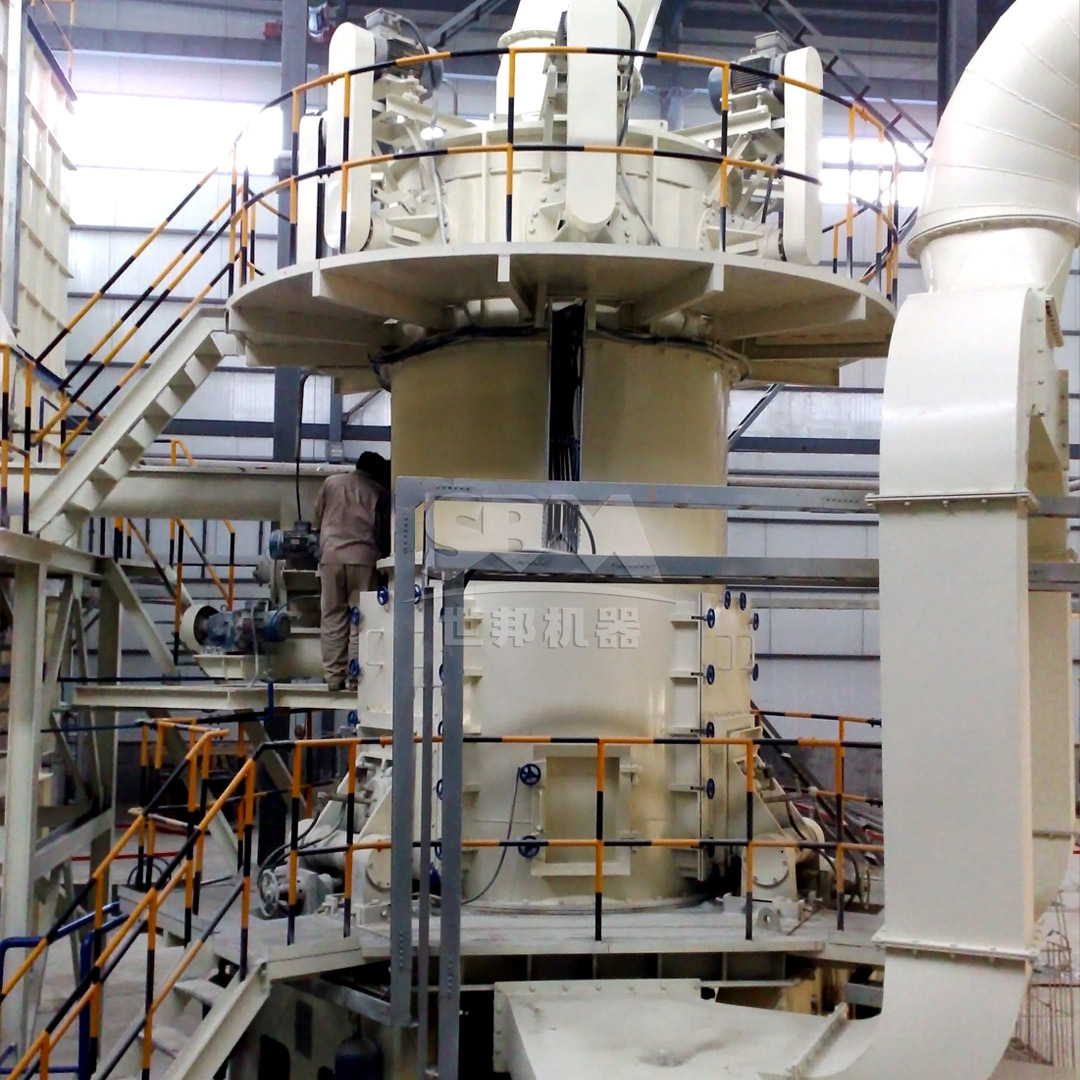
For producing manganese powder in the range of 325 to 2500 mesh (5μm), we highly recommend our SCM Series Ultrafine Mill. This mill operates on a layered grinding principle with a vertical turbine classifier, achieving exceptional fineness and uniformity. Its high-precision classification ensures no coarse powder mixing, which is vital for high-value chemical or battery-grade manganese products. With capacities from 0.5 to 25 t/h depending on the model, it can be configured for dedicated ultra-fine lines or as a secondary milling stage. The SCM series’ eco-friendly design with pulse dust collection aligns with modern, clean production standards.
Furthermore, for operations focused on the pre-processing or primary crushing of large manganese ore feed, our robust Hammer Mill series is an ideal choice. Models like the PC4015-132 can handle feed sizes up to 40mm and produce a 0-3mm output, perfectly preparing the material for feeding into the MTW215G mill, thereby optimizing the overall system efficiency and protecting the grinding rollers from overly large feed.
Conclusion
The MTW215G European Trapezium Mill represents a sophisticated engineering solution for the industrial grinding of manganese. Its integrated design, combining efficient bed grinding, precise air classification, and robust construction, provides a reliable and economical path to producing high-quality manganese powder at scale. By understanding its working principle within a full system context—and knowing when to leverage complementary technologies like the SCM Ultrafine Mill for specialized fineness requirements—operators can maximize productivity, product quality, and return on investment in their mineral processing operations.