How Many Tons Per Hour Can a Raymond Mill Produce? Raymond Mill Capacity Guide
Introduction to Raymond Mill Capacity
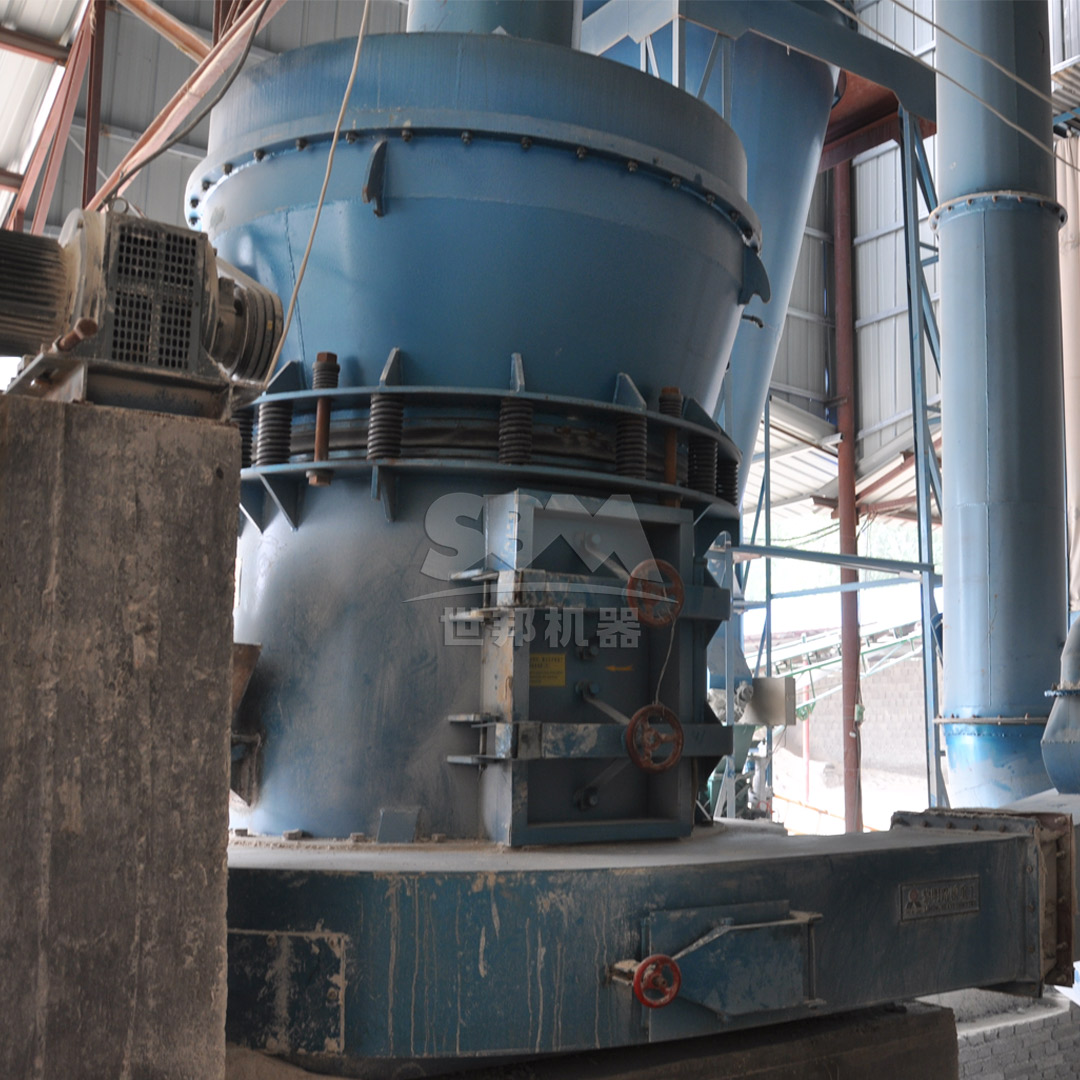
The question “How many tons per hour can a Raymond mill produce?” is fundamental for anyone considering industrial grinding equipment. Raymond mill capacity varies significantly based on multiple factors including model specifications, material characteristics, and operational parameters. While traditional Raymond mills typically handle 1-30 tons per hour, modern advanced models can achieve substantially higher throughput rates with improved efficiency and precision.
Understanding Raymond mill capacity requires examining the complete grinding system rather than isolated components. The throughput capacity represents the culmination of mechanical design, power configuration, and operational efficiency working in harmony to deliver optimal performance for specific industrial applications.
Key Factors Influencing Raymond Mill Capacity
Material Characteristics
The physical and chemical properties of the material being processed significantly impact Raymond mill throughput. Key material factors include:
- Hardness and Abrasiveness: Materials with higher Mohs hardness ratings require more grinding energy, reducing throughput capacity. Highly abrasive materials accelerate wear on grinding components, potentially decreasing long-term capacity.
- Moisture Content: Excessive moisture causes material adhesion to grinding surfaces and internal components, impeding material flow and reducing effective capacity. Optimal moisture levels typically range between 1-5% for most materials.
- Feed Size Distribution: Properly sized feed material (typically ≤30mm) ensures efficient grinding operation. Oversized material requires additional grinding cycles, reducing overall throughput.
- Chemical Composition: Certain chemical properties can affect grindability, with some materials demonstrating natural resistance to size reduction.
Operational Parameters
Several operational factors directly influence Raymond mill capacity:
- Grinding Pressure Optimization: Proper adjustment of spring pressure or hydraulic pressure against the grinding ring maximizes efficiency without overloading the system.
- Airflow Management: Adequate airflow ensures proper material transport through the grinding zone and classification system, directly impacting throughput.
- Classifier Speed Adjustment
- Feed Rate Consistency: Maintaining consistent, optimal feed rates prevents both underutilization and overloading of the grinding mechanism.
Raymond Mill Capacity by Model Type
Traditional Raymond Mill Capacity Range
Traditional Raymond mill designs, while reliable, have specific capacity limitations:
- Small-scale Models: 1-5 tons per hour for fine to medium grinding applications
- Medium-scale Models: 5-15 tons per hour for standard industrial applications
- Large-scale Models: 15-30 tons per hour for high-volume processing requirements
These capacity ranges assume optimal operating conditions with materials of moderate grindability (Mohs hardness 5-7) and target fineness of 80-325 mesh.
Advanced Raymond Mill Systems
Modern Raymond mill designs incorporate significant technological advancements that substantially increase capacity while improving energy efficiency:
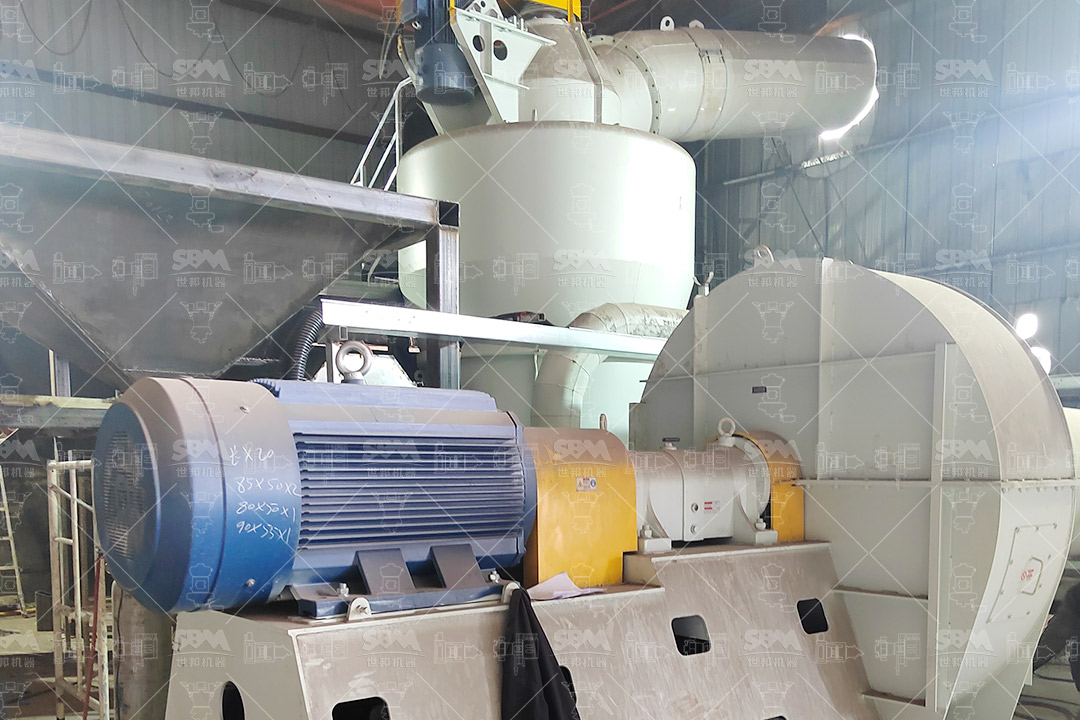
- High-efficiency Classifiers: Improved separation efficiency allows higher throughput while maintaining product quality
- Enhanced Grinding Mechanisms: Optimized roller and ring designs increase material processing rates
- Intelligent Control Systems: Automated optimization of operational parameters maximizes throughput under varying conditions
Specialized High-Capacity Grinding Solutions
MTW Series Trapezium Mill for Medium to High Capacity Requirements
For operations requiring substantial throughput with consistent product quality, our MTW Series Trapezium Mill represents a significant advancement in grinding technology. This European-style grinding mill delivers exceptional capacity ranging from 3-45 tons per hour, making it ideal for medium to large-scale industrial applications.
The MTW Series incorporates several proprietary technologies that contribute to its high-capacity performance:
- Anti-abrasion shovel design with combined blades reduces maintenance costs and extends operational periods between service intervals
- Curved air duct optimization minimizes airflow resistance, improving transmission efficiency and reducing energy consumption
- Integral transmission with bevel gear achieves remarkable 98% transmission efficiency while saving installation space
- Wear-resistant volute structure with non-blocking design enhances air classification efficiency
With input size capability up to 50mm and output fineness adjustable from 30-325 mesh (down to 0.038mm), the MTW Series provides exceptional flexibility across various applications. The comprehensive model range ensures optimal selection for specific capacity requirements, from the MTW110 at 3-9 tons per hour to the high-capacity MRN218 model delivering 15-45 tons per hour.
LM Series Vertical Roller Mill for Maximum Throughput Applications
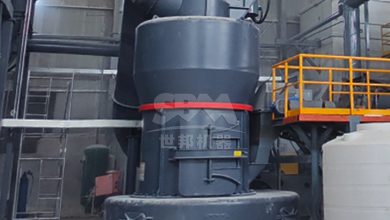
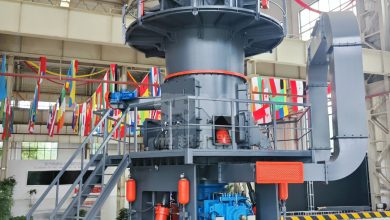
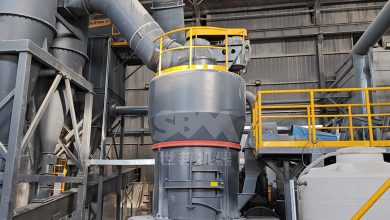
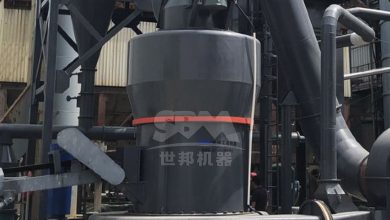
When project requirements demand the highest possible throughput, our LM Series Vertical Roller Mill delivers unparalleled capacity ranging from 3-250 tons per hour depending on specific model configuration. This comprehensive series includes specialized variants for mineral processing, coal grinding, slag treatment, fine powder production, and pre-grinding applications.
The LM Series achieves its exceptional capacity through innovative engineering solutions:
- Compact integrated design combining crushing, grinding, and separation functions reduces footprint requirements by 50% and cuts infrastructure costs by 40%
- Low operational costs through non-contact grinding roller and disc design that triples wear part lifespan while reducing energy consumption by 30-40% compared to ball mill systems
- Intelligent expert control system with remote/local switching capability and real-time operational monitoring minimizes manual intervention
- Environmental compliance with fully sealed negative pressure operation maintaining dust emissions below 20mg/m³ and operational noise under 80dB(A)
With models like the LM280K handling 50-170 tons per hour for mineral applications and the massive LM340Y managing 80-100 tons per hour in pre-grinding configuration, this series represents the pinnacle of high-capacity industrial grinding technology.
Capacity Optimization Strategies
Pre-Processing for Enhanced Throughput
Implementing proper pre-processing techniques can significantly increase effective Raymond mill capacity:
- Primary Crushing Optimization: Reducing feed material to optimal size (typically 10-20mm) before introduction to the Raymond mill
- Moisture Control Systems: Implementing drying systems for high-moisture materials to prevent capacity reduction
- Material Pre-Screening: Removing already-sized fines to prevent recirculation and system overload
System Integration for Maximum Efficiency
Integrating Raymond mills with complementary equipment creates synergistic effects that boost overall system capacity:
- Efficient Feed Systems: Precision feeders maintain optimal material introduction rates
- Advanced Collection Systems: High-efficiency cyclones and baghouse filters ensure uninterrupted material flow
- Integrated Classification: Properly sized and configured classifiers maintain product quality at higher throughput rates
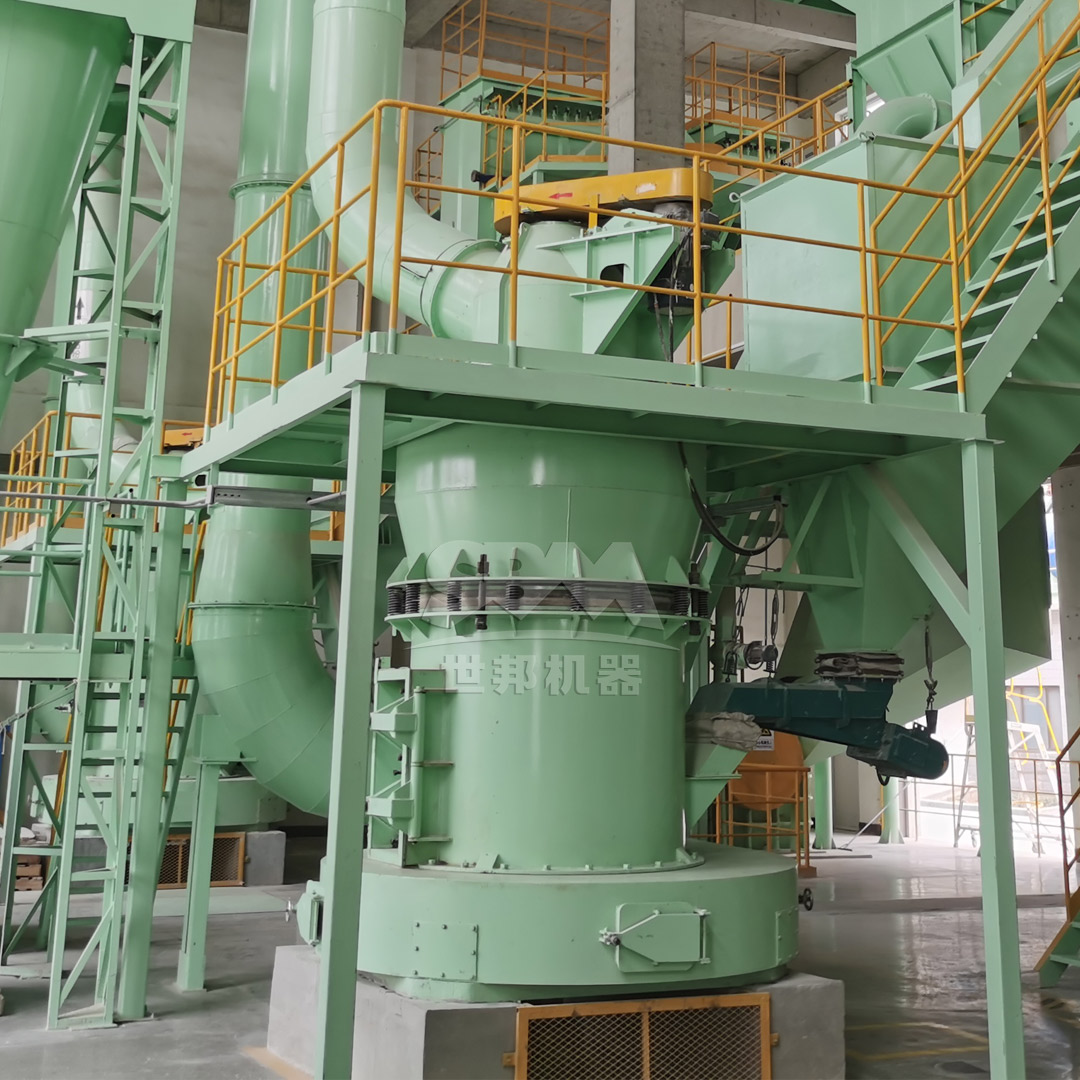
Selecting the Right Raymond Mill for Your Capacity Requirements
Capacity Assessment Methodology
Proper Raymond mill selection requires comprehensive capacity analysis:
- Current and Projected Requirements: Evaluate both immediate needs and anticipated future capacity increases
- Material Processing Characteristics: Conduct grindability testing to determine specific energy requirements
- Product Fineness Specifications: Recognize that finer products generally reduce throughput capacity
- Operational Considerations: Account for planned maintenance schedules and potential production expansions
Implementation Planning
Successful Raymond mill implementation requires careful planning:
- Foundation and Space Requirements: Ensure adequate structural support and operational space
- Utility Infrastructure: Verify power supply capacity and compressed air availability
- Material Handling Integration: Plan for efficient material transport to and from the grinding system
- Dust Collection Compliance: Implement appropriate environmental control systems
Conclusion: Maximizing Raymond Mill Performance
Raymond mill capacity represents a complex interaction between equipment design, material characteristics, and operational practices. While traditional Raymond mills offer respectable throughput of 1-30 tons per hour, modern advanced systems like our MTW Series Trapezium Mill and LM Series Vertical Roller Mill dramatically expand these capabilities to meet the demands of contemporary industrial processing.
Understanding that capacity extends beyond simple tonnage figures to encompass efficiency, product quality, and operational reliability enables informed equipment selection. By matching specific project requirements with appropriately sized and configured Raymond mill systems, operators can achieve optimal processing outcomes while maximizing return on investment.
The evolution of Raymond mill technology continues to push capacity boundaries while improving energy efficiency and operational flexibility. With proper selection, installation, and operation, modern Raymond mills deliver exceptional performance across diverse industrial applications, providing reliable size reduction solutions for today’s demanding processing environments.