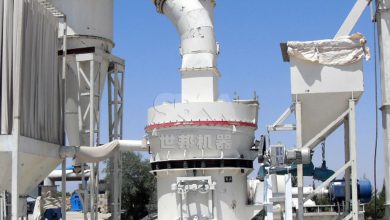
How Many Tons of Calcite Can Be Ground Per Day by a Grinding Mill?
Introduction
The daily processing capacity of calcite, a crucial industrial mineral, is a primary concern for operations in plastics, paints, coatings, and construction materials. Determining the exact tonnage a grinding mill can handle per day is not a simple matter of reading a spec sheet. It involves a complex interplay of the mill’s design, the desired product specifications, and the inherent properties of the calcite feed material. This article delves into the key factors influencing calcite grinding output and provides a framework for estimating daily production, highlighting advanced technological solutions that maximize efficiency and profitability.
Key Factors Determining Daily Calcite Grinding Capacity
The theoretical maximum capacity of a grinding mill is just the starting point. Real-world daily output is modulated by several critical variables.
1. Feed Material Characteristics
- Hardness & Abrasiveness (Mohs scale): Softer calcite (Mohs 3) allows for higher throughput compared to harder, more abrasive variants or blends.
- Initial Feed Size (F80): A consistent feed of ≤20mm will yield significantly higher daily tonnage than a feed containing larger, variable-sized chunks, as less energy is spent on primary size reduction within the mill.
- Moisture Content: High moisture can lead to material agglomeration, clogging, and reduced grinding efficiency, directly lowering daily output.
2. Product Specification Requirements
- Target Fineness (P80 / Mesh Size): This is the most significant factor. Producing a coarse 100-mesh (150μm) powder allows for vastly higher daily tonnage than producing a superfine 2500-mesh (5μm) product. The relationship between fineness and capacity is inverse and exponential.
- Particle Size Distribution (PSD): Requirements for a narrow, uniform PSD may necessitate more precise, and sometimes slower, classification processes, impacting overall system throughput.
3. Grinding Mill Technology & Configuration
The choice of grinding principle directly dictates the efficiency curve for different fineness ranges.
- Mechanical Mill vs. Fluid Energy Mill: For fine and ultra-fine grinding (325-2500 mesh), advanced mechanical mills like vertical roller mills or ultra-fine ring roller mills are far more energy-efficient and offer higher capacity than traditional fluid energy (jet) mills.
- Integrated Classification System: A high-efficiency, integrated classifier is paramount. It ensures only properly sized particles leave the grinding chamber, preventing over-grinding of fines and recirculation of coarse material, thereby optimizing the mill’s energy use for net new production.
From Hourly Rate to Daily Tonnage: A Calculation Framework
Daily capacity is derived from the mill’s rated hourly capacity, adjusted for operational realities.
Basic Formula:
Daily Output (Tons) = Rated Hourly Capacity (T/H) × Operational Hours per Day × System Availability Factor
- Rated Hourly Capacity: This is the manufacturer’s specification for a given material (e.g., calcite of a certain hardness) and target fineness.
- Operational Hours: Typically 20-24 hours for continuous industrial operations.
- System Availability Factor: A decimal (e.g., 0.85 to 0.95) accounting for scheduled maintenance, feed interruptions, and minor unscheduled stops. A robust, reliable mill design maximizes this factor.
Example Scenario:
A mill rated at 10 T/H for grinding calcite to 400 mesh, operating 22 hours/day with 90% availability.
Daily Output = 10 T/H × 22 h × 0.90 = 198 Tons per Day.
This number can vary dramatically. The same mill producing 800 mesh powder might have a rated capacity of only 4 T/H, yielding a daily output of about 79 tons.

Technology Spotlight: Optimizing Calcite Grinding Output
To achieve high daily tonnage, especially in the demanding fine and ultra-fine ranges, modern mills must excel in energy efficiency, grinding mechanics, and system intelligence.
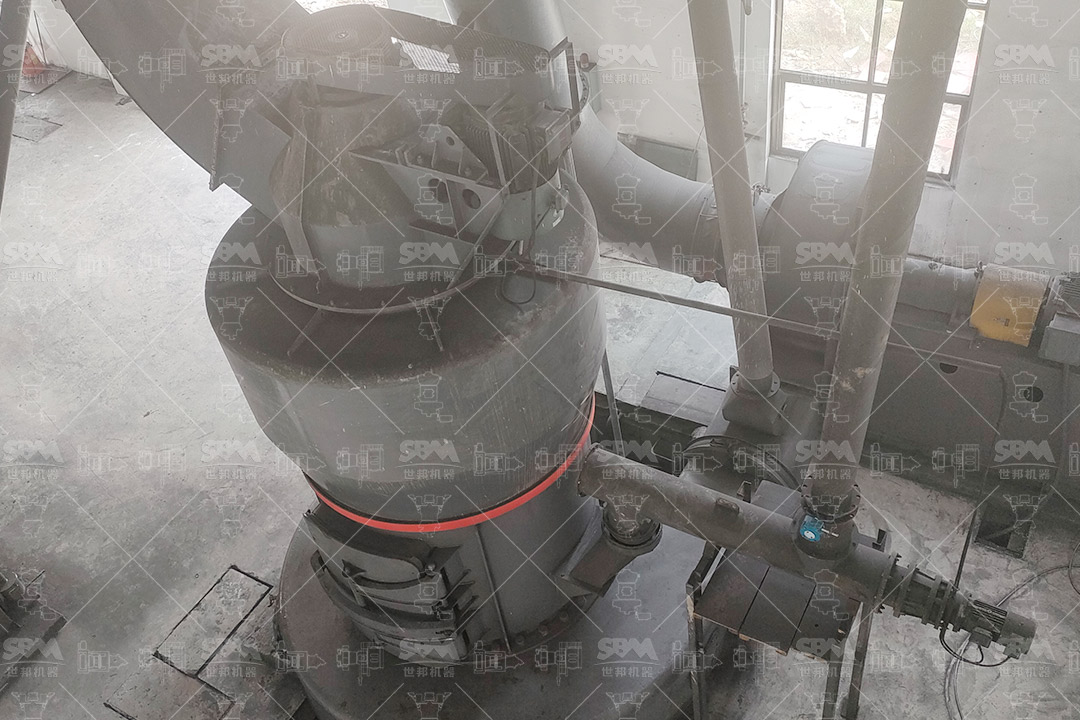
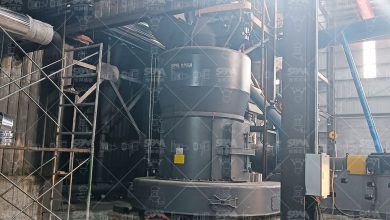
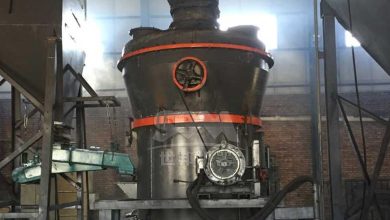
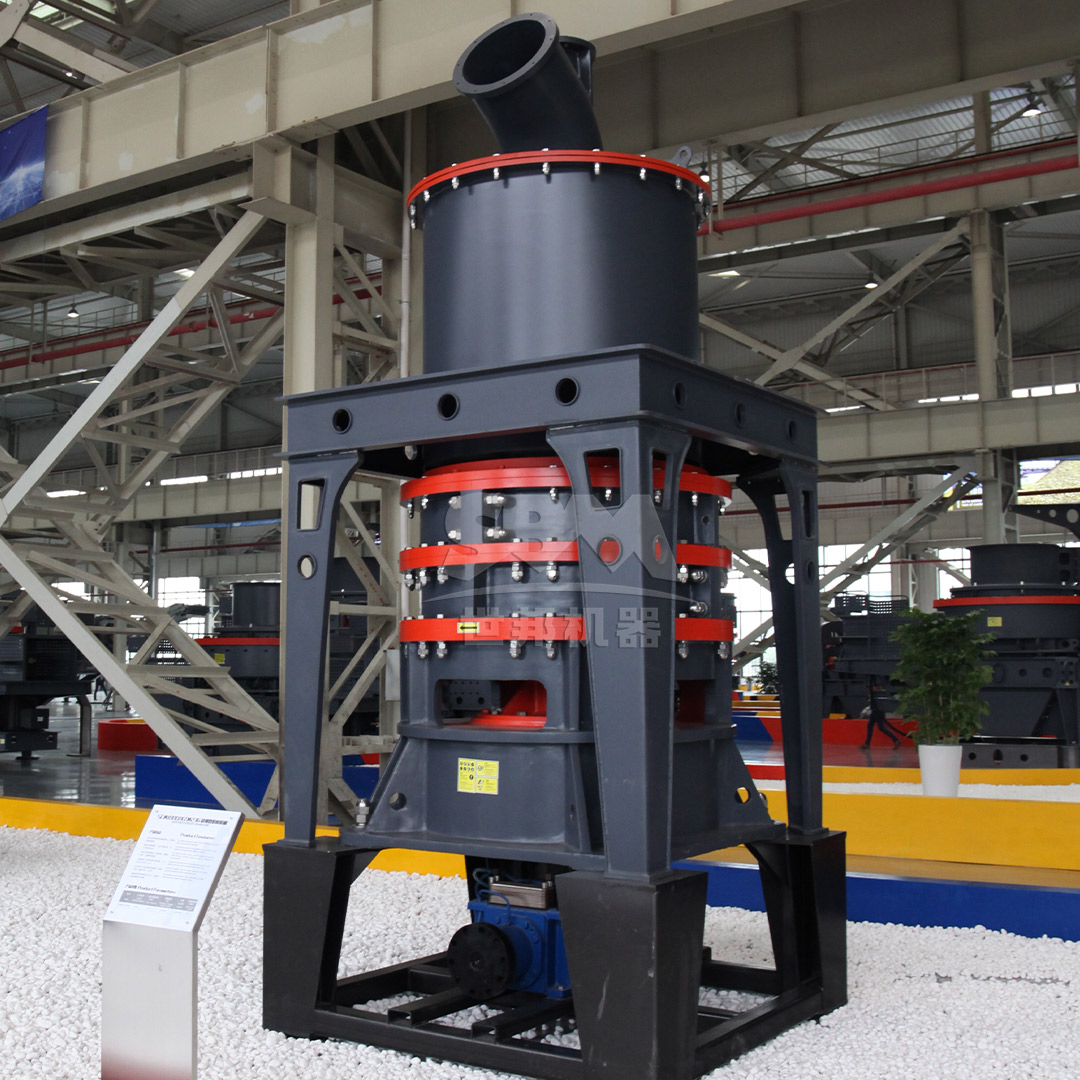
Introducing the SCM Series Ultrafine Mill (45-5μm)
For producers targeting the high-value ultra-fine calcite market (325-2500 mesh), the SCM Series Ultrafine Mill represents a paradigm shift in efficiency and reliability. Its design directly addresses the bottlenecks that limit daily output in fine grinding applications.
- Superior Efficiency: With a grinding energy consumption up to 30% lower than traditional jet mills and double the capacity for the same power input, the SCM mill directly translates to higher daily tonnage and lower operational cost per ton.
- High-Precision Classification: The integrated vertical turbine classifier ensures sharp particle size cuts. This prevents coarse particles from contaminating the final product and eliminates the energy waste of over-grinding, allowing the mill to maintain peak output of on-spec material.
- Robust, Low-Maintenance Design: Features like special alloy grinding rollers and rings with extended service life, and a bearing-less screw design in the grinding chamber, enhance operational stability. This maximizes the System Availability Factor, leading to more grinding hours per day and higher annual production.
Model SCM1680, for instance, offers a remarkable capacity range of 5.0 to 25 tons per hour. Depending on the target fineness, this enables a potential daily output of 100 to over 500 tons of ultra-fine calcite powder under continuous operation, making it an ideal solution for large-scale production facilities.
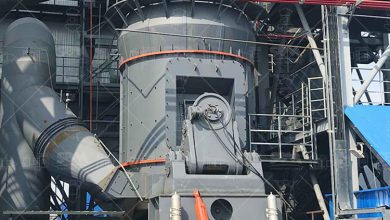
High-Capacity Coarse to Fine Grinding: The MTW Series Trapezium Mill
For operations requiring high-volume production in the 30-325 mesh range, the MTW Series Trapezium Mill offers unparalleled efficiency and durability. Its innovations focus on maximizing throughput and minimizing downtime.
- Advanced Drive and Wear Protection: The integral conical gear transmission achieves 98% efficiency, delivering more power directly to the grinding zone. Combined with curved air duct design and wear-resistant components like segmented shovel blades, the mill sustains high capacity over longer periods, directly boosting daily output.
- Optimized Airflow and Collection: The curved duct and wear-resistant volute minimize pressure loss and wear, ensuring consistent material conveying and collection efficiency, which is critical for maintaining the rated hourly capacity throughout a production run.
A model like the MTW215G, with a capacity of 15-45 T/H, is capable of producing 330 to 990 tons of fine calcite powder per day (22-hour basis), catering to massive industrial demands in sectors like paper, rubber, and construction.
Conclusion: Maximizing Your Calcite Output
The question of daily calcite grinding capacity is answered by a combination of precise material definition, clear product goals, and, most importantly, the selection of grinding technology engineered for high performance. Moving beyond traditional, inefficient mills to advanced solutions like the SCM Ultrafine Mill for superfine production or the MTW Trapezium Mill for high-volume fine grinding is the key to unlocking superior daily tonnage.
These mills are not just about higher horsepower; they are about smarter energy use, precision classification to avoid waste, and robust designs that ensure maximum uptime. By partnering with a technology provider that offers such advanced, reliable equipment, calcite processors can accurately predict and significantly scale their daily production, securing a strong competitive advantage in the market.