How is White Fused Alumina (White Corundum) Produced?
Introduction
White Fused Alumina (WFA), also known as White Corundum, is a premium synthetic abrasive material renowned for its exceptional hardness, chemical purity, and thermal stability. Primarily composed of alpha-alumina (α-Al2O3) crystals, it is a cornerstone material in industries ranging from precision grinding and polishing to advanced refractories and ceramics. Its production is a sophisticated, high-temperature industrial process that transforms raw alumina into a versatile, high-performance product. This article delves into the detailed production methodology, key stages, and the critical role of advanced milling technology in delivering the final product specifications demanded by modern industry.
The Raw Material: Calcined Alumina
The journey of White Fused Alumina begins with a high-purity precursor: calcined alumina. This is not ordinary bauxite but alumina (Al2O3) that has been refined through the Bayer process and subsequently calcined at high temperatures to drive off volatile components and convert it to a stable, crystalline form suitable for fusion. The purity of this starting material is paramount, typically exceeding 99% Al2O3. Impurities such as silica (SiO2), iron oxide (Fe2O3), and titania (TiO2) are meticulously controlled, as they directly influence the final color (whiteness), hardness, and performance characteristics of the fused product.
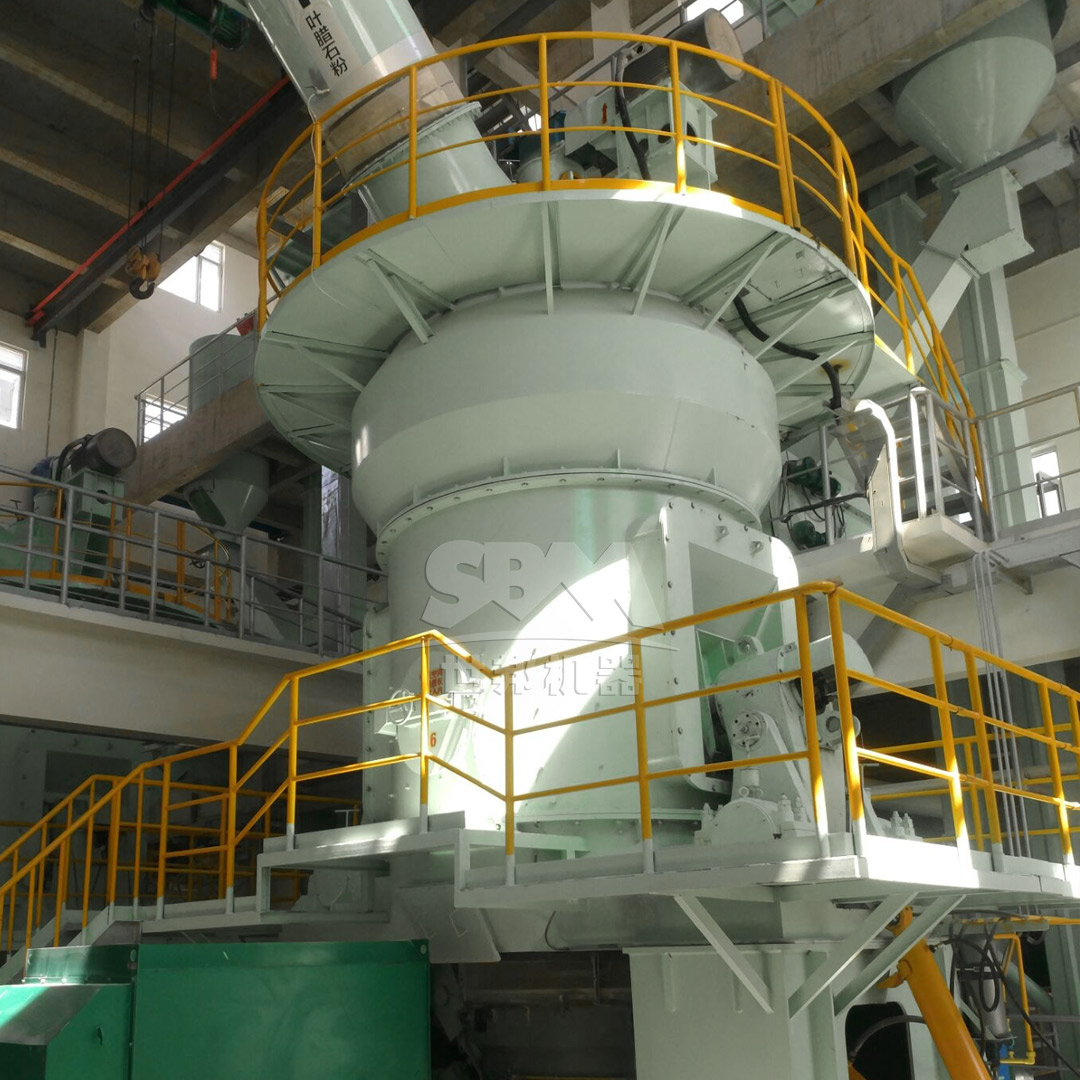
Core Production Process: Electric Arc Furnace Fusion
The heart of WFA production is the electric arc furnace fusion process. This is where transformation occurs at the atomic level.
1. Furnace Charging and Melting
Precisely weighed batches of calcined alumina are fed into a specially designed electric arc furnace. These furnaces are lined with refractory materials capable of withstanding extreme temperatures. Powerful graphite electrodes are lowered into the charge, and an immense electrical current is passed through, generating an arc with temperatures soaring between 2000°C and 2200°C (3632°F – 3992°F). At this phenomenal heat, the alumina charge melts completely into a molten bath.
2. Refining and Reduction
The molten alumina is held at high temperature for a controlled period. This dwell time allows for further refining. Any residual impurities with lower boiling points are volatilized and driven off. The intense heat and reducing atmosphere at the arc’s core also facilitate the reduction of any remaining iron oxide to metallic iron, which can settle out. The duration of this stage is critical for achieving the desired chemical purity and crystal structure.
3. Cooling and Ingot Formation
After the refining cycle, the furnace is tilted, and the molten alumina is poured out into large, shallow molds or beds. Here, it is allowed to cool slowly and solidify over a period of days. This controlled cooling rate is essential for the growth of large, well-developed alpha-alumina crystals, which impart the high toughness and grinding performance to the final product. The resulting solid mass is a massive, monolithic ingot of white corundum.
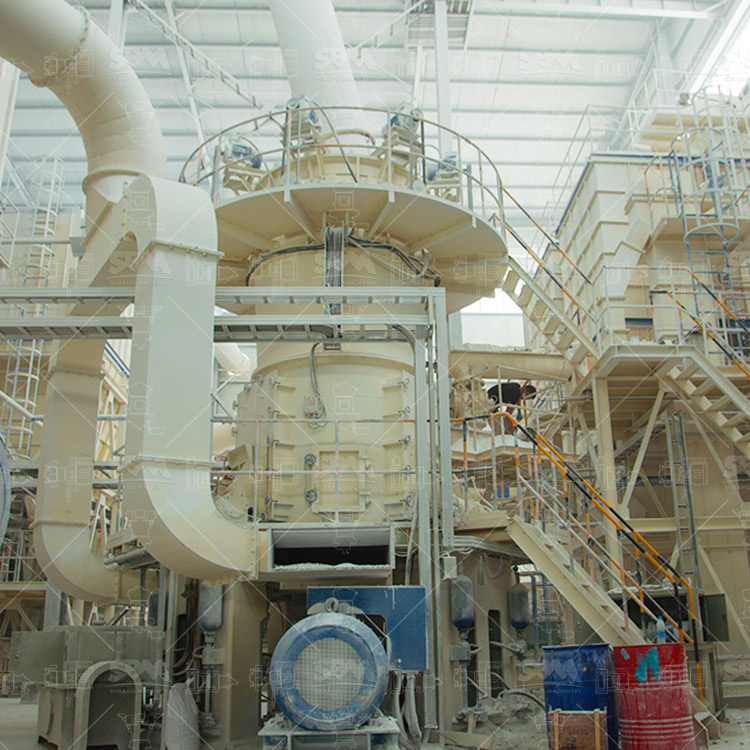
Post-Fusion Processing: From Ingot to Marketable Product
The fused ingot is merely the intermediate product. A series of precise size reduction and classification steps are required to transform it into usable grains or powders.
1. Primary Crushing (Jaw/Cone Crushers)
The massive ingots are first broken down using robust primary crushers, such as jaw or cone crushers. This stage reduces the material to manageable lumps, typically in the range of 50mm down to smaller pieces.
2. Intermediate and Fine Crushing (Impact Crushers, Hammer Mills)
The crushed lumps undergo further size reduction. Impact crushers or hammer mills are commonly employed here to break the material down into smaller fragments. The goal is to produce a feedstock suitable for the final precision grinding stage. For coarse grit production, this may be the final crushing step before screening.
3. The Critical Stage: Precision Grinding and Classification
To produce fine powders (typically from 325 mesh / 45μm down to micron and sub-micron sizes), advanced milling systems are indispensable. This is where the properties of the final WFA powder—particle size distribution (PSD), shape, and surface purity—are definitively established. Conventional ball mills can be used but may lack the energy efficiency and classification precision required for high-value products.
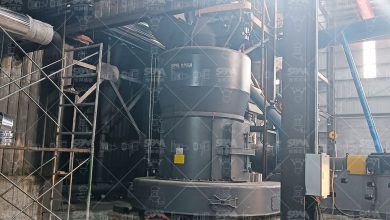
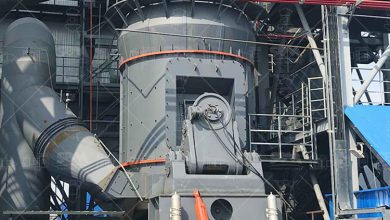
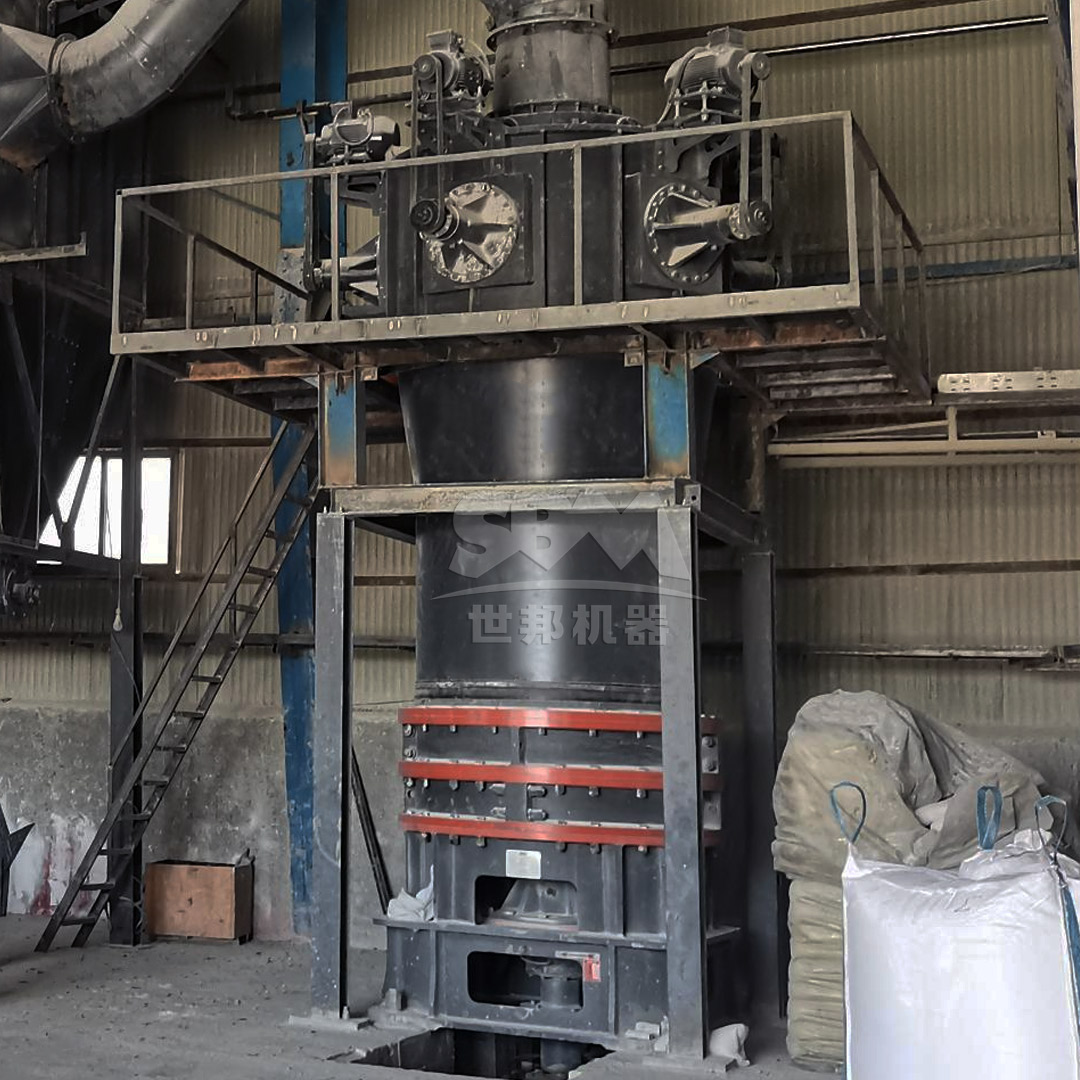
For superior results in producing fine and ultrafine White Fused Alumina powders, modern processing lines increasingly rely on advanced vertical roller mills and ultrafine grinding systems. For instance, our SCM Series Ultrafine Mill is exceptionally well-suited for this task. Engineered to handle hard, abrasive materials like corundum, it offers a fineness range from 325 to 2500 mesh (45-5μm). Its high-precision vertical turbine classifier ensures a sharp particle size cut and a uniform product without coarse particle contamination. Furthermore, its high-efficiency design consumes up to 30% less energy compared to traditional jet mills while offering significantly higher capacity, making it an economically and technically optimal choice for producing premium-grade WFA powders for precision lapping and polishing applications.
4. Screening and Magnetic Separation
After milling, the product is precisely screened or air-classified into the standard grit sizes (FEPA, ANSI) or custom particle distributions. A critical final step is high-intensity magnetic separation. This process removes any tiny, tramp ferrous particles introduced during crushing and milling, ensuring the final White Fused Alumina meets stringent purity standards for applications in semiconductor manufacturing or where iron contamination is unacceptable.
5. Washing, Drying, and Packaging
Depending on the grade, the grains or powder may be washed with acid or water to remove surface dust and further enhance purity. They are then thoroughly dried and packaged in moisture-resistant containers.
Key Quality Control Parameters
The quality of White Fused Alumina is rigorously assessed against several parameters:
- Chemical Composition: %Al2O3, SiO2, Fe2O3, Na2O content.
- Hardness: Mohs hardness of 9.0, second only to diamond.
- Grain Shape: Controlled fracture to produce blocky grains for grinding or more fragmented shapes for aggressive cutting.
- Particle Size Distribution (PSD): Measured via laser diffraction to ensure tight control over the coarse and fine ends of the distribution.
Applications of White Fused Alumina
The unique properties of WFA make it suitable for diverse applications:
- Abrasives: Bonded grinding wheels, coated abrasives (sandpaper), blasting media, and lapping compounds.
- Refractories: High-temperature furnace linings, kiln furniture, and castables due to its excellent thermal shock resistance.
- Ceramics: Reinforcement in advanced technical ceramics and wear-resistant components.
- Precision Polishing: Optical lenses, silicon wafers, and precision metal surfaces.
The Role of Advanced Milling Equipment in Value Addition
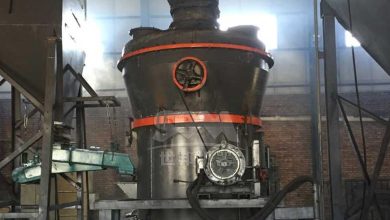
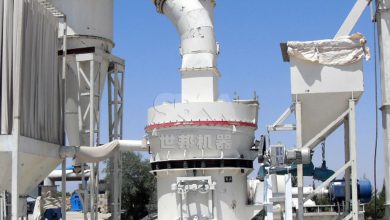
As product specifications become more demanding, the post-fusion processing stage, particularly fine grinding, is a significant value-adding step. Beyond the SCM Series for ultrafine powders, for high-volume production of fine powders in the 30-325 mesh (600-45μm) range, our MTW Series European Trapezium Mill presents an outstanding solution. With a capacity of up to 45 tons per hour and input sizes up to 50mm, it can efficiently handle the intermediate crushed WFA feedstock. Its anti-wear shovel design, optimized arc air duct, and integral bevel gear drive ensure high throughput, low maintenance costs, and consistent product fineness. This makes it ideal for producing the base materials for bonded abrasives, refractories, and other industrial applications where large volumes of consistently sized WFA are required.
Conclusion
The production of White Fused Alumina is a testament to industrial precision, combining extreme-temperature metallurgy with advanced materials processing. From the purity of the calcined alumina feed to the controlled violence of the electric arc furnace and the precise engineering of modern grinding and classification systems, each step is calibrated to yield a product of exceptional and consistent quality. The integration of high-performance milling technologies, such as the SCM Series Ultrafine Mill and the MTW Series European Trapezium Mill, is no longer optional but a critical component in meeting the evolving and stringent demands of global high-tech industries, ensuring White Corundum continues to be a material of choice for applications where performance is non-negotiable.