How Is Phenigite Processed Into Fine Powder?
Introduction to Phenigite Processing
Phenigite, a member of the mica mineral group, is a phyllosilicate mineral characterized by its layered structure and excellent cleavage properties. This mineral finds extensive applications across various industries including construction, cosmetics, paints and coatings, plastics, and electronics due to its unique properties such as high thermal stability, electrical insulation, and reinforcing capabilities. The processing of phenigite into fine powder requires specialized equipment and precise techniques to achieve the desired particle size distribution while preserving its inherent material properties.
The transformation of raw phenigite into commercially valuable fine powder involves multiple stages of size reduction, classification, and collection. Each processing step must be carefully controlled to ensure optimal product quality and operational efficiency. This article provides a comprehensive overview of modern phenigite processing technologies, with particular emphasis on advanced grinding solutions that deliver superior performance in terms of particle size control, energy efficiency, and production capacity.
Raw Material Preparation and Primary Crushing
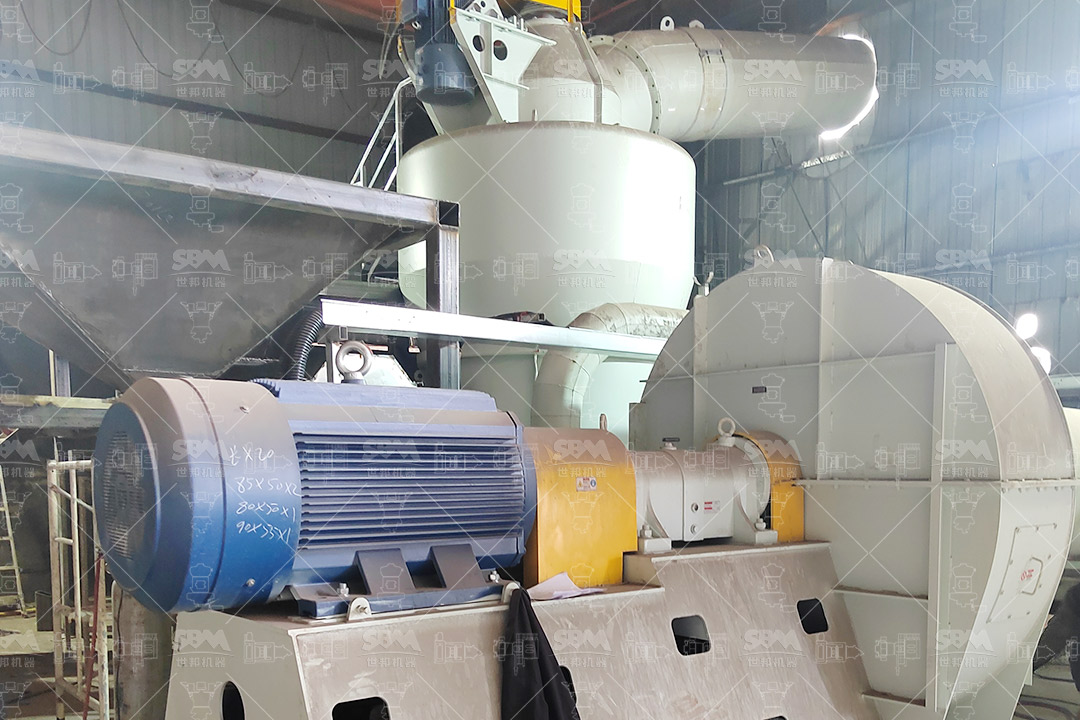
Before fine grinding can commence, raw phenigite must undergo proper preparation to ensure consistent processing characteristics. The initial stage involves careful selection and quality control of the raw material, which typically arrives in lump form with varying sizes and moisture content. Quality parameters such as mineral composition, hardness, and impurity levels are assessed to determine the optimal processing parameters.
Primary crushing represents the first mechanical reduction stage, where large phenigite lumps are reduced to manageable sizes suitable for subsequent grinding operations. Jaw crushers and gyratory crushers are commonly employed for this purpose, typically reducing the material from several hundred millimeters down to 20-50mm. The selection of primary crushing equipment depends on factors such as feed size, hardness, capacity requirements, and the presence of abrasive contaminants.
Following primary crushing, intermediate storage and homogenization may be implemented to ensure consistent feed quality to the grinding circuit. Proper storage conditions, including protection from moisture and contamination, are essential to maintain material integrity. In some operations, pre-drying may be necessary if the moisture content exceeds optimal levels for grinding efficiency.
Intermediate Grinding and Pre-Sizing
After primary crushing, phenigite undergoes intermediate grinding to further reduce particle size before fine grinding. This stage typically employs equipment such as hammer mills, impact crushers, or cone crushers that can efficiently process material in the 20-50mm range down to 3-10mm. The intermediate grinding stage serves to increase the surface area of the material gradually, which improves the efficiency of subsequent fine grinding operations.
Hammer mills are particularly well-suited for intermediate phenigite grinding due to their high reduction ratios and ability to handle materials with varying hardness. Our Hammer Mill series offers robust construction with high manganese steel components that withstand the abrasive nature of phenigite processing. With capacities ranging from 8-70 tons per hour and the ability to produce output sizes of 0-3mm, these machines provide an ideal preparation stage for ultra-fine grinding systems.
Following intermediate grinding, efficient classification systems separate properly sized material from oversize particles, which are recirculated for further reduction. This closed-circuit approach ensures optimal utilization of grinding energy and prevents overgrinding of already suitably sized material. Proper pre-sizing significantly enhances the overall efficiency of the fine grinding circuit that follows.
Fine Grinding Technologies for Phenigite
The core of phenigite powder production lies in fine grinding technology, where the material is reduced to the target particle size distribution. Several grinding principles are employed in industrial practice, each with distinct advantages for specific applications and fineness requirements.
Ultra-Fine Grinding Systems
For applications requiring the finest phenigite powders (typically 325-2500 mesh or 45-5μm), specialized ultra-fine grinding systems are essential. These systems must provide precise particle size control, high classification efficiency, and thermal management to prevent degradation of the mineral’s properties.
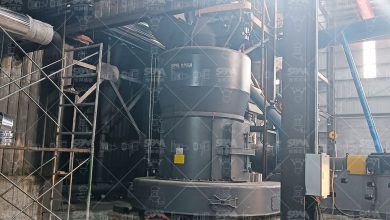
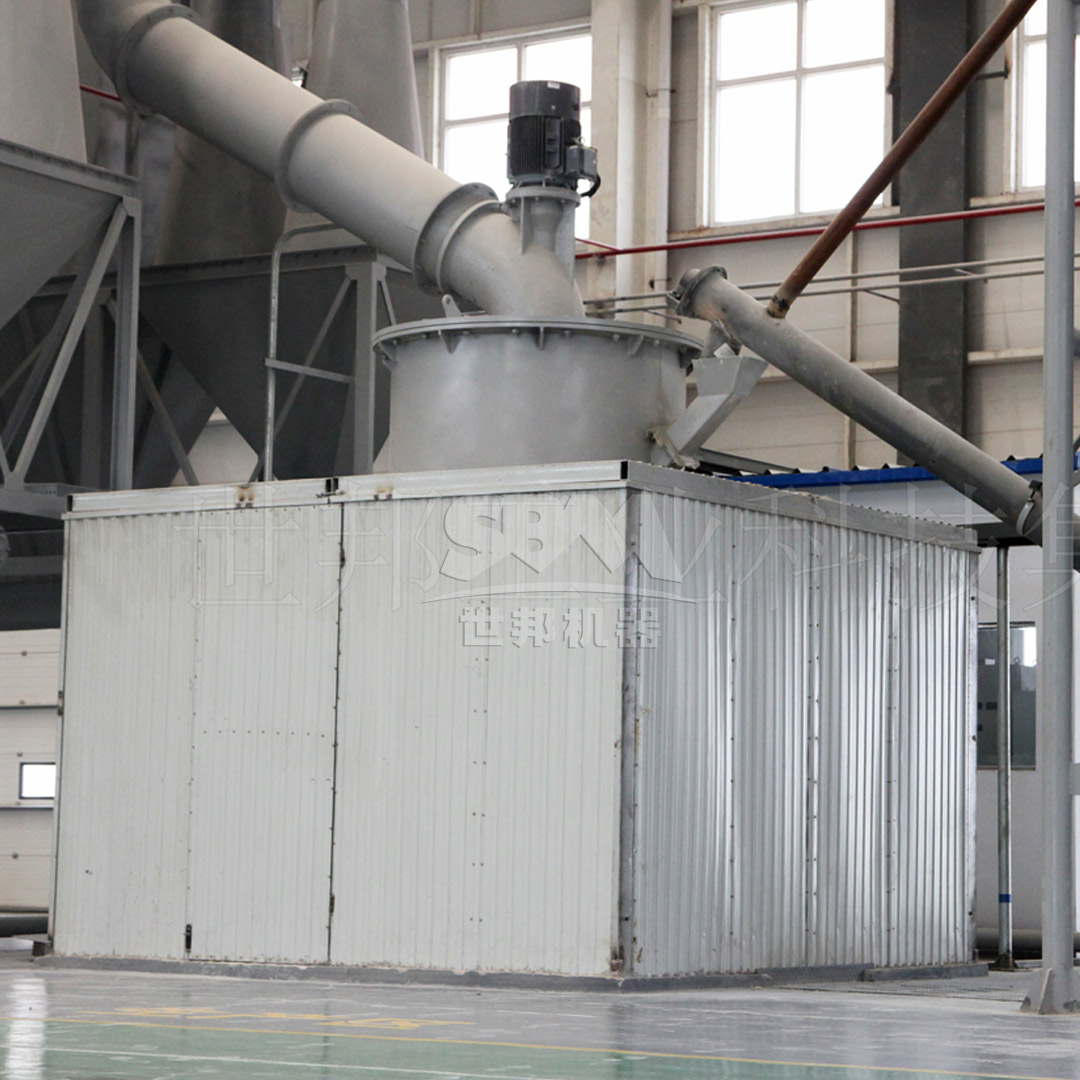
Our SCM Ultrafine Mill series represents the pinnacle of ultra-fine grinding technology for phenigite processing. With the capability to produce powders in the range of 325-2500 mesh (D97≤5μm) and capacities from 0.5-25 tons per hour depending on model selection, these mills incorporate multiple technological advancements that make them ideally suited for high-value phenigite applications.
The SCM series employs a unique grinding principle where material is fed into the grinding chamber and subjected to compression between rotating grinding rings and stationary rollers. The multi-layer grinding design ensures progressive size reduction, with each stage targeting a specific particle size range. This approach minimizes overgrinding and associated energy waste while maximizing product quality.
Key Technological Advantages
The SCM Ultrafine Mill incorporates several proprietary technologies that deliver exceptional performance in phenigite processing:
High-Efficiency Classification System: The integrated vertical turbo classifier provides precise particle size control through adjustable rotor speed and blade configuration. This ensures consistent product quality and eliminates coarse particle contamination in the final product. The classification efficiency exceeds 95%, significantly higher than conventional air classifiers.
Advanced Grinding Geometry: The optimized geometry of grinding rollers and rings creates an ideal compression zone that maximizes grinding efficiency while minimizing wear. Special wear-resistant materials extend component life by 3-5 times compared to standard materials, reducing maintenance requirements and operational downtime.
Intelligent Control System: The mill features a comprehensive automation system that continuously monitors and adjusts operational parameters including feed rate, grinding pressure, classifier speed, and gas flow. This ensures optimal performance under varying feed conditions and maintains consistent product quality without manual intervention.
Classification and Particle Size Control
Precise particle size control is critical in phenigite powder production, as different applications require specific particle size distributions. Modern classification technology plays a vital role in achieving these specifications while optimizing grinding circuit efficiency.
Dynamic air classifiers represent the industry standard for fine and ultra-fine classification in phenigite processing. These units utilize centrifugal forces and aerodynamic drag to separate particles according to their size, shape, and density. Advanced classifier designs incorporate multiple classification stages and adjustable parameters to achieve sharp cuts with minimal misplaced particles.
In the SCM Ultrafine Mill, the integrated high-precision classifier enables real-time adjustment of the product fineness without stopping the mill. By simply modifying the classifier rotor speed, operators can target different particle size distributions from the same grinding system, providing exceptional operational flexibility. This capability is particularly valuable when producing multiple phenigite grades from a single production line.
The efficiency of the classification system directly impacts the energy consumption of the grinding circuit. Efficient classification ensures that only properly sized material reports to the product stream, while oversize particles are promptly returned to the grinding zone. This closed-circuit operation typically reduces specific energy consumption by 20-30% compared to open-circuit grinding.
Product Collection and Dedusting
Following grinding and classification, the fine phenigite powder must be efficiently collected from the process air stream. This requires specialized collection equipment that can handle the unique characteristics of ultra-fine powders while ensuring high collection efficiency and minimal product loss.
Pulse-jet baghouse filters represent the most common collection technology for phenigite powders. These units employ fabric filter elements that capture particles while allowing clean air to pass through. Regular pulsing with compressed air dislodges the accumulated filter cake, which falls into collection hoppers for further processing. Modern designs feature advanced filter media with surface treatments that reduce blinding and improve cleaning efficiency.
Cyclone collectors often serve as pre-separators to remove the bulk of the product before the baghouse filter, reducing the dust loading on the filters and extending their service life. The combination of cyclone and baghouse filtration provides a robust collection system with overall efficiency exceeding 99.9%.
The SCM Ultrafine Mill incorporates a highly efficient collection system comprising both cyclone collectors and pulse-jet baghouse filters. This dual-stage approach ensures maximum product recovery while maintaining emissions well below regulatory requirements. The automated cleaning sequence optimizes filter performance while minimizing compressed air consumption.
Advanced Grinding Solutions for Specific Applications
Different phenigite applications require specific particle characteristics that may necessitate specialized grinding approaches. Understanding these application requirements is essential for selecting the optimal processing technology.
High-Capacity Production
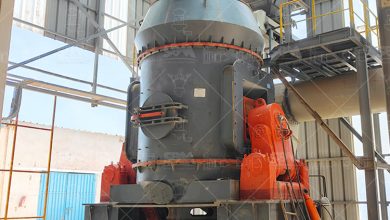
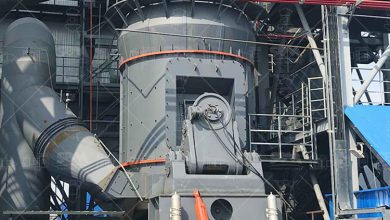
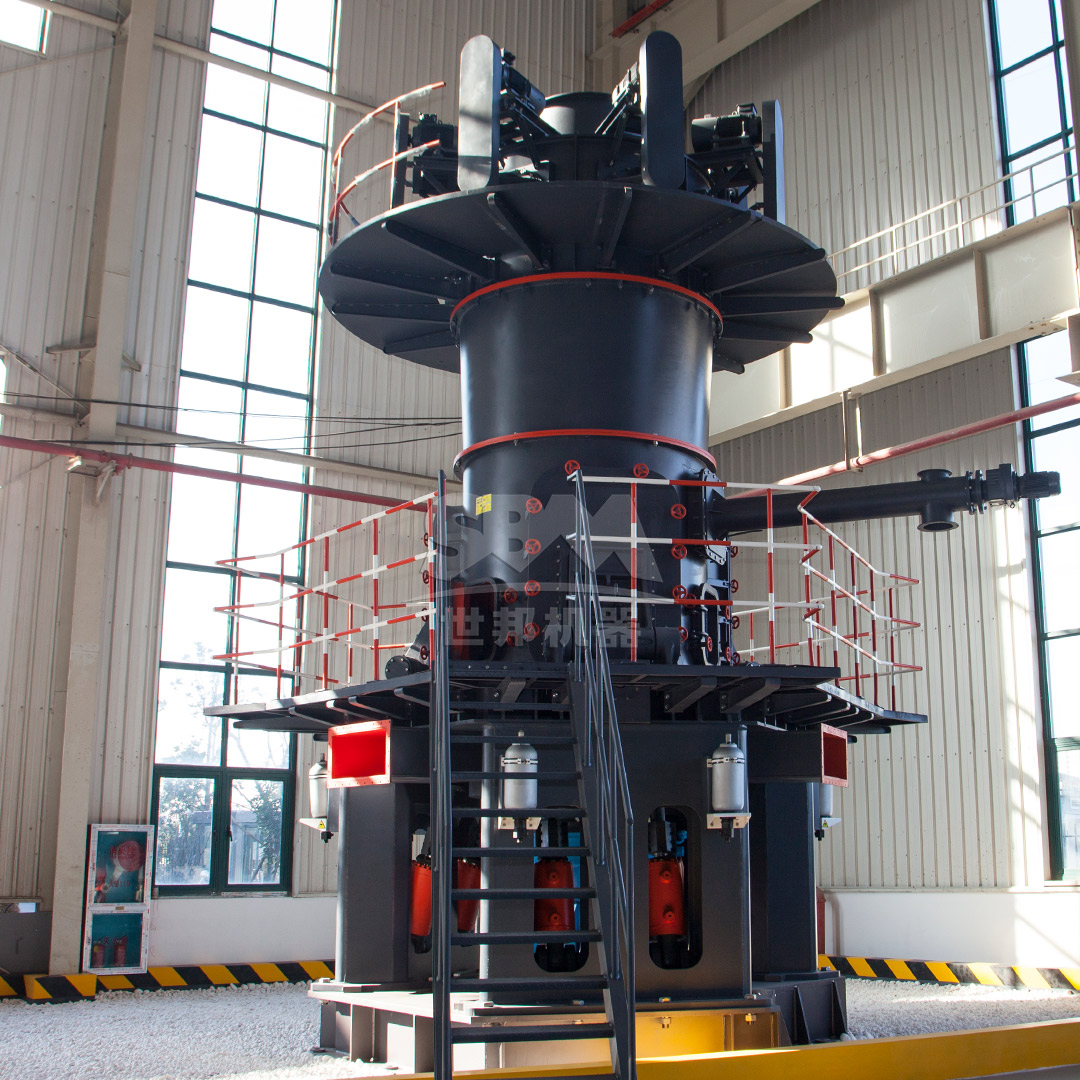
For large-scale phenigite powder production where capacities exceed 25 tons per hour, vertical roller mills offer significant advantages in terms of energy efficiency and footprint. Our LM Series Vertical Roller Mills provide capacities from 3-250 tons per hour with fineness ranging from 30-325 mesh (600-45μm). These mills employ a bed compression grinding principle that delivers exceptional energy efficiency while maintaining consistent product quality.
The vertical roller mill design integrates multiple functions including grinding, drying, classification, and conveyance in a single compact unit. This integrated approach reduces the overall system footprint by up to 50% compared to traditional ball mill circuits while offering superior operational flexibility. The ability to process materials with higher moisture content without pre-drying further enhances the economic advantages.
For phenigite applications requiring moderate fineness (typically 200-400 mesh) at high production rates, the LM Series represents the optimal technical and economic solution. The robust construction and advanced control systems ensure reliable operation with minimal maintenance requirements, even under demanding operating conditions.
Medium-Fine Grinding Applications
Applications requiring phenigite powders in the medium-fine range (45-325 mesh or 600-45μm) can benefit from the advanced features of our MTW Series Trapezium Mill. This mill series combines European grinding technology with robust construction to deliver reliable performance across a wide range of operating conditions.
The MTW Series incorporates several proprietary design features that enhance its suitability for phenigite processing. The curved air duct design minimizes flow resistance and improves material conveyance efficiency, while the integral cone gear transmission system delivers power with 98% efficiency. These technological advancements result in energy savings of 15-20% compared to conventional grinding systems.
With capacities ranging from 3-45 tons per hour and the flexibility to produce various product fineness from the same equipment, the MTW Series offers an ideal solution for operations requiring versatility across multiple product grades. The comprehensive model range ensures that an appropriately sized unit is available for any production requirement.
Quality Control and Process Optimization
Consistent product quality is paramount in phenigite powder production, necessitating rigorous quality control measures throughout the manufacturing process. Modern grinding plants incorporate comprehensive monitoring and control systems that track critical quality parameters in real-time.
Particle size analysis represents the most fundamental quality control parameter for phenigite powders. Online laser diffraction analyzers provide continuous monitoring of the particle size distribution, enabling immediate adjustment of grinding parameters to maintain product specifications. These systems typically sample the product stream at regular intervals and provide analytical results within minutes, allowing for proactive process control.
Additional quality parameters including moisture content, specific surface area, bulk density, and chemical composition may also be monitored depending on the application requirements. Advanced process control systems utilize this data to optimize grinding performance while minimizing energy consumption and wear rates.
The integration of modern control technology with advanced grinding equipment enables the production of phenigite powders with exceptionally consistent properties. This consistency translates to improved performance in downstream applications and enhanced value for customers across various industries.
Conclusion
The processing of phenigite into fine powder has evolved significantly with advancements in grinding technology and process control. Modern grinding systems offer unprecedented levels of efficiency, product quality, and operational flexibility, enabling producers to meet the demanding requirements of diverse industrial applications.
Selection of the appropriate grinding technology depends on multiple factors including target particle size, production capacity, energy efficiency requirements, and capital investment constraints. The SCM Ultrafine Mill series stands out for applications requiring the finest particle sizes, while the LM Vertical Roller Mill and MTW Trapezium Mill offer compelling solutions for high-capacity and medium-fine grinding applications respectively.
As market demands for high-quality phenigite powders continue to grow, ongoing technological innovation in grinding and classification will further enhance processing efficiency and product performance. Producers who embrace these advanced technologies will be well-positioned to capitalize on emerging opportunities in this dynamic market segment.