How is Nepheline Syenite Used in Metallurgy and How is it Processed?
Introduction to Nepheline Syenite in Metallurgical Applications
Nepheline syenite, an igneous rock composed primarily of nepheline, feldspar, and other aluminosilicate minerals, has gained significant importance in modern metallurgical processes. This comprehensive analysis explores the multifaceted applications of nepheline syenite in metallurgy and details the sophisticated processing methods required to transform this raw material into valuable metallurgical components.
As a silica-deficient rock with high alumina content, nepheline syenite serves as an excellent alternative to traditional feldspathic materials in various metallurgical operations. Its unique chemical composition, typically containing 5-6% Na₂O, 9-10% K₂O, and 19-23% Al₂O₃, makes it particularly valuable in aluminum production, ceramic lining manufacturing, and as a fluxing agent in steel production.
Metallurgical Applications of Nepheline Syenite
Aluminum Extraction and Production
In the aluminum industry, nepheline syenite serves as a crucial source of alumina (Al₂O₃), particularly in regions where bauxite resources are limited. The processing involves alkaline treatment where nepheline syenite is digested with sodium carbonate at elevated temperatures, forming soluble sodium aluminate. This process, known as the sinter method, enables efficient alumina extraction with the additional benefit of producing valuable by-products including potassium compounds and sodium silicate.
The metallurgical-grade nepheline syenite for aluminum production must meet strict chemical specifications, particularly regarding iron and titanium oxide content, as these impurities can adversely affect the electrolytic reduction process. Typically, material with Fe₂O₃ content below 0.3% and TiO₂ below 0.2% is preferred for high-purity aluminum production.
Fluxing Agent in Steel Manufacturing
Nepheline syenite functions as an effective flux in steel production, where it lowers the melting temperature of iron ore and facilitates slag formation. The alkaline components (Na₂O and K₂O) act as powerful fluxing agents, reducing the viscosity of the slag and improving the separation of metallic iron from impurities. This application requires precise control of particle size distribution and chemical consistency to ensure predictable performance in the blast furnace.
In electric arc furnace steelmaking, finely ground nepheline syenite promotes faster slag formation and enhances the efficiency of impurity removal. The material’s low melting point (approximately 1200°C) compared to traditional fluxes allows for reduced energy consumption and shorter processing times.
Refractory and Ceramic Lining Applications
The thermal stability and chemical resistance of nepheline syenite make it valuable in manufacturing refractory materials for metallurgical furnaces. When processed and fired at appropriate temperatures, nepheline syenite-based refractories develop excellent thermal shock resistance and corrosion stability against basic slags. This application demands carefully controlled grain size distributions and optimized firing schedules to achieve the desired microstructure and performance characteristics.
Processing Technologies for Nepheline Syenite
Primary Crushing and Size Reduction
The processing of nepheline syenite begins with primary crushing of mined material, typically reducing large blocks to particles below 50mm. Jaw crushers and gyratory crushers are commonly employed for this initial size reduction stage. The crushed material then undergoes secondary crushing using cone crushers or impact crushers to achieve particles sized below 20mm, suitable for further grinding operations.
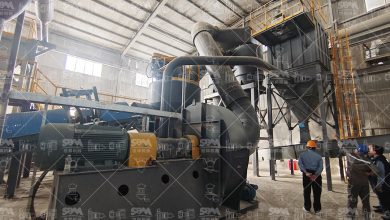
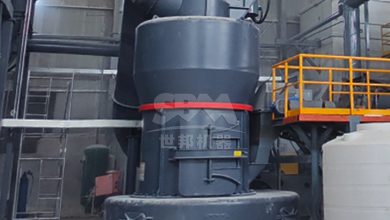
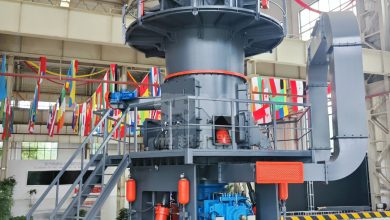
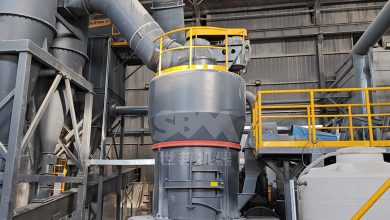
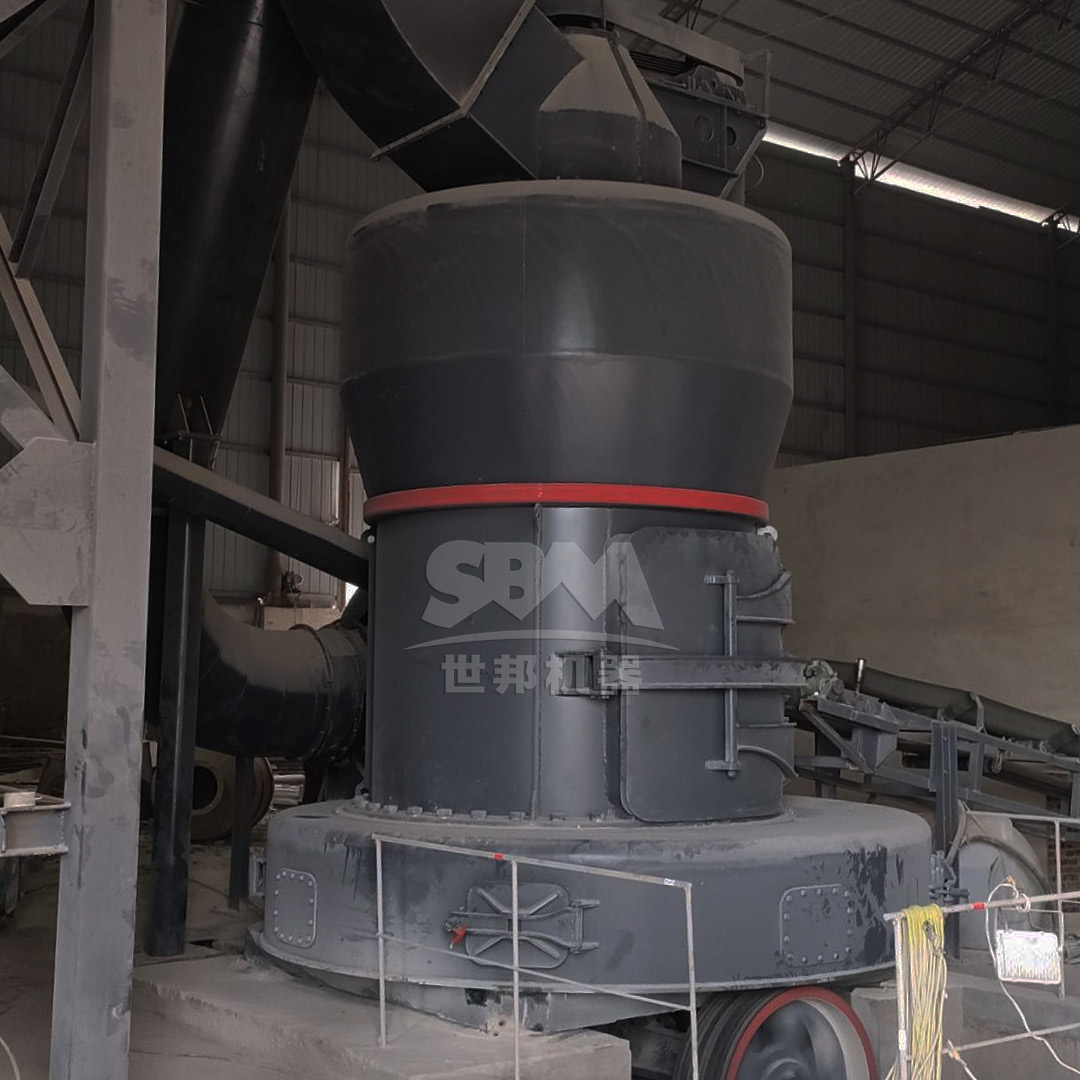
For operations requiring coarse metallurgical fluxes, our MTW Series Trapezium Mill offers an optimal solution with its robust construction and high throughput capacity. With input sizes up to 50mm and processing capacities ranging from 3-45 tons per hour depending on the specific model, this equipment handles the demanding requirements of initial nepheline syenite size reduction. The mill’s innovative curved air channel design minimizes energy loss while the combined blade design significantly reduces maintenance costs, making it ideal for continuous metallurgical mineral processing operations.
Fine and Ultrafine Grinding for Specialized Applications
Many metallurgical applications require finely ground nepheline syenite with precise particle size distributions. For aluminum extraction processes, material ground to 100-200 mesh (149-74μm) provides optimal reactivity in the digestion process. For fluxing applications in specialty steel production, even finer grinding to 325 mesh (45μm) or finer may be necessary to ensure rapid dissolution and homogeneous distribution in the molten metal.
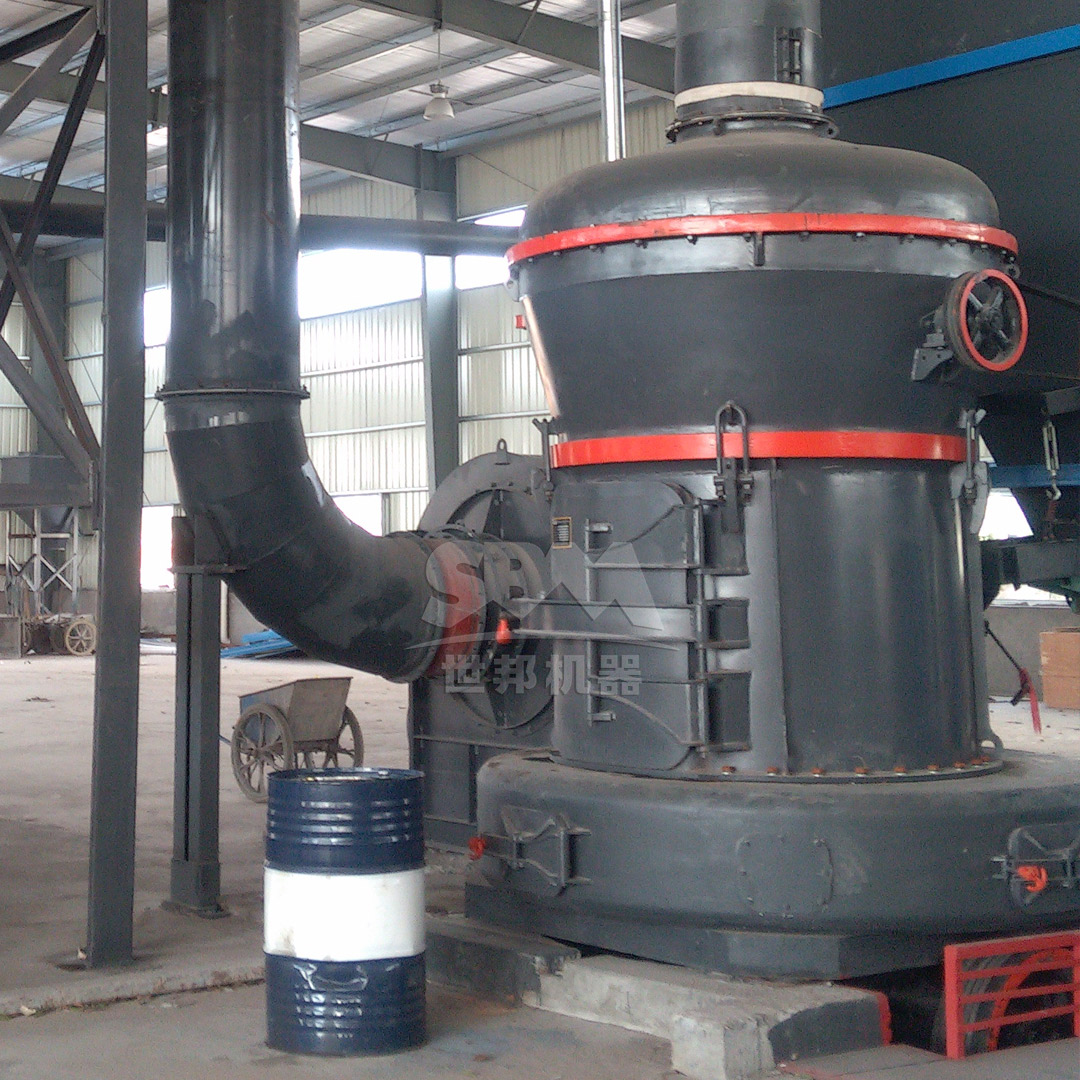
For these demanding applications, our SCM Ultrafine Mill represents the pinnacle of grinding technology. Capable of producing powders in the range of 325-2500 mesh (45-5μm), this advanced mill system delivers unparalleled precision for metallurgical applications requiring ultra-fine nepheline syenite. The vertical turbine classifier ensures precise particle size cuts without coarse powder contamination, while the intelligent control system automatically maintains the target fineness. With capacity ranging from 0.5-25 tons per hour across different models and energy consumption 30% lower than conventional jet mills, the SCM series provides both technical excellence and economic efficiency for high-value nepheline syenite processing.
Classification and Separation Technologies
Following grinding, efficient classification is essential to ensure product consistency. Air classifiers separate particles based on size and density, allowing precise control over the final product specifications. For metallurgical applications, sharp classification cuts are particularly important to eliminate both oversize particles (which may not react completely) and excessive fines (which can cause handling issues).
Modern classification systems integrated with grinding mills, such as those in our SCM and MTW series, utilize advanced turbine designs and airflow optimization to achieve classification efficiencies exceeding 85%. This ensures that nepheline syenite products consistently meet the stringent specifications required by metallurgical consumers.
Thermal Processing and Calcination
Some metallurgical applications require thermally treated nepheline syenite to enhance its reactivity or modify its physical properties. Calcination at temperatures between 700-900°C can remove volatile components and create a more porous structure, improving dissolution rates in metallurgical processes. For refractory applications, higher temperature firing (1100-1300°C) develops the necessary ceramic bonds and mineral phases for optimal performance.
Rotary kilns and flash calciners are commonly employed for thermal processing of nepheline syenite, with precise temperature control being critical to achieving the desired material properties. The specific thermal treatment parameters depend on the intended metallurgical application and the chemical composition of the raw material.

Quality Control and Material Specifications
Consistent quality is paramount for nepheline syenite used in metallurgical processes. Rigorous quality control measures include:
- Chemical analysis using XRF to verify major element composition
- Particle size distribution analysis using laser diffraction techniques
- Mineralogical characterization through XRD to identify phase composition
- Thermal analysis to determine behavior at elevated temperatures
Metallurgical-grade nepheline syenite typically specifications include Al₂O₃ content >19%, Fe₂O₃ content <0.5%, and LOI (loss on ignition) <2%. The specific requirements vary depending on the application, with aluminum production demanding the strictest impurity controls.
Economic and Environmental Considerations
The utilization of nepheline syenite in metallurgy offers several economic advantages, including lower material costs compared to some traditional raw materials and the potential for integrated production of multiple valuable products. From an environmental perspective, nepheline syenite processing generally has a lower ecological footprint than alternative materials, particularly when modern, energy-efficient grinding technologies are employed.
The selection of appropriate processing equipment significantly impacts both economic viability and environmental performance. Advanced mills with high energy efficiency, low noise emissions, and integrated dust collection systems, such as our SCM and MTW series, not only reduce operating costs but also minimize environmental impact, making them the preferred choice for modern nepheline syenite processing facilities serving the metallurgical industry.
Future Trends and Developments
The metallurgical application of nepheline syenite continues to evolve, with ongoing research focused on developing more efficient processing methods and expanding application areas. Emerging trends include:
- Development of integrated processes that maximize by-product utilization
- Advanced comminution technologies that further reduce energy consumption
- Tailored nepheline syenite products for specific metallurgical applications
- Digitalization and automation of processing operations for improved consistency and efficiency
As these developments progress, nepheline syenite is expected to play an increasingly important role in sustainable metallurgy, contributing to resource efficiency and environmental performance across multiple metal production sectors.