How Glass Powder Improves Cement Performance and Sustainability
Introduction: The Imperative for Sustainable Cement
The global construction industry stands at a critical juncture, facing the dual challenge of meeting immense infrastructure demands while drastically reducing its environmental footprint. Cement production, a cornerstone of modern construction, is a significant contributor to global CO₂ emissions, accounting for approximately 7-8% of the total. This has spurred intensive research into supplementary cementitious materials (SCMs) that can partially replace Portland cement clinker, thereby enhancing performance and sustainability. Among the most promising of these materials is glass powder (GP), a finely ground product derived from post-consumer or post-industrial waste glass. This article delves into the multifaceted benefits of incorporating glass powder into cementitious systems and explores the advanced grinding technologies essential for its effective production.
The Science Behind Glass Powder as an SCM
Glass, primarily composed of amorphous silica (SiO₂), along with calcium, sodium, and aluminum oxides, exhibits latent pozzolanic and hydraulic activity. When ground to a sufficiently fine particle size, typically below 45 microns (325 mesh), its amorphous structure becomes highly reactive in the high-pH environment of hydrating cement.
The primary mechanisms through which glass powder enhances cement are:
- Pozzolanic Reaction: The finely divided silica in GP reacts with calcium hydroxide (portlandite), a by-product of cement hydration, to form additional calcium silicate hydrate (C-S-H) gel. This secondary C-S-H gel densifies the microstructure, filling capillary pores and strengthening the paste matrix.
- Filler Effect: The ultra-fine glass particles act as micro-fillers, physically occupying spaces between larger cement grains. This improves particle packing density, reduces overall porosity, and enhances the transition zone between paste and aggregate.
- Alkali-Silica Reaction (ASR) Mitigation: Contrary to concerns about using glass aggregate, finely ground glass powder can effectively suppress deleterious ASR. The highly reactive silica consumes alkalis (Na⁺, K⁺) in the pore solution early in the hydration process, preventing their later reaction with susceptible aggregates.
Performance Enhancements in Cement and Concrete
The incorporation of glass powder, typically at replacement levels of 10-30% by mass of cement, leads to significant improvements in both fresh and hardened properties:
- Enhanced Workability: The spherical morphology of glass powder particles acts as a “ball-bearing” effect, reducing inter-particle friction and improving the flowability of concrete mixes, often allowing for reduced water demand or superplasticizer dosage.
- Increased Later-Age Strength: While early strength development may be slightly slower due to clinker dilution, the sustained pozzolanic reaction leads to significant strength gains at 28 days and beyond, often exceeding the compressive strength of plain cement mixes.
- Improved Durability: The refined pore structure significantly reduces permeability, enhancing resistance to chloride ion penetration, sulfate attack, and carbonation. This translates to extended service life for reinforced concrete structures, especially in aggressive environments.
- Reduced Thermal Cracking: The lower clinker content reduces the heat of hydration, a critical advantage in mass concrete pours where thermal differentials can lead to cracking.
Sustainability and Circular Economy Benefits
The use of glass powder represents a paradigm shift towards a circular economy in construction:
- Waste Diversion: Millions of tons of waste glass are landfilled annually. Utilizing this material in cement diverts waste from landfills and reduces the environmental burden associated with glass production from virgin materials.
- Carbon Footprint Reduction: Every ton of Portland cement clinker replaced by glass powder avoids approximately 0.8-0.9 tons of CO₂ emissions associated with limestone calcination and fuel combustion in cement kilns.
- Resource Conservation: It reduces the demand for virgin raw materials like limestone and clay, preserving natural resources and minimizing quarrying impacts.
- Energy Efficiency: The grinding energy required for glass powder is generally lower than that needed to produce an equivalent amount of cement clinker, contributing to overall process energy savings.
The Critical Role of Precision Grinding Technology
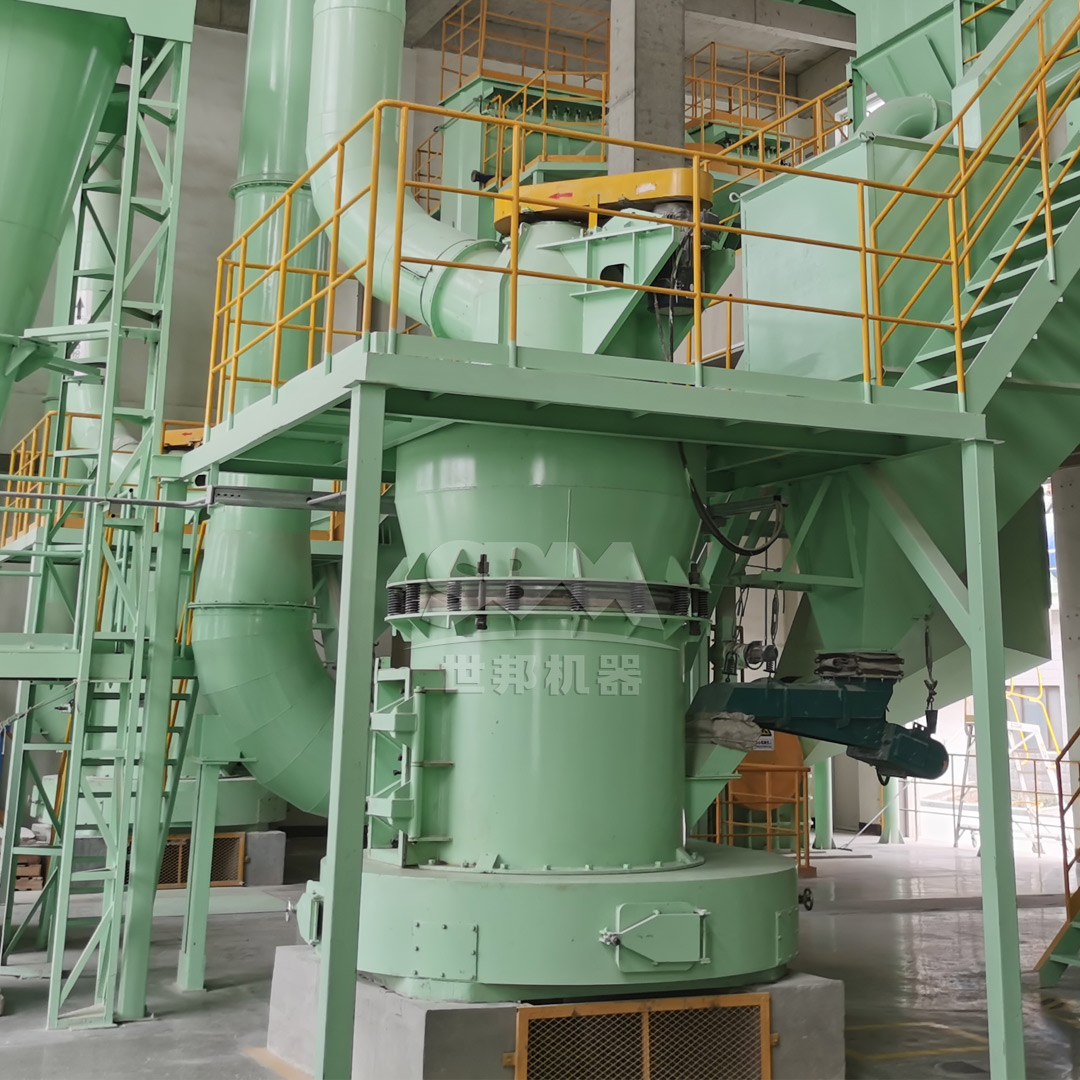
The efficacy of glass powder as an SCM is intrinsically linked to its particle size distribution and fineness. To achieve the optimal reactivity and filler effect, glass must be ground consistently to a target fineness, typically within the range of 325 to 2500 mesh (45 to 5 microns). This demands robust, efficient, and precise grinding equipment.
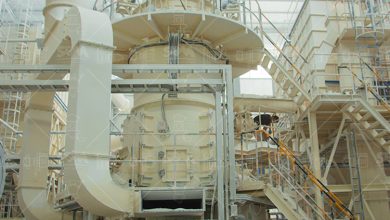
For producers looking to establish or optimize a glass powder production line, selecting the right mill is paramount. The mill must handle the abrasive nature of glass, deliver a tightly controlled particle size distribution, and operate with high energy efficiency to ensure economic and environmental viability.
Recommended Equipment for Glass Powder Production
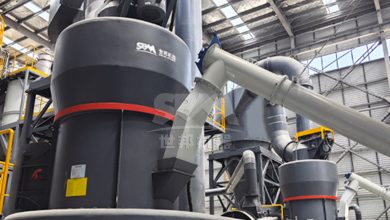
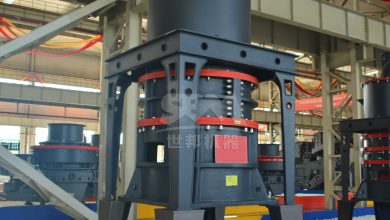
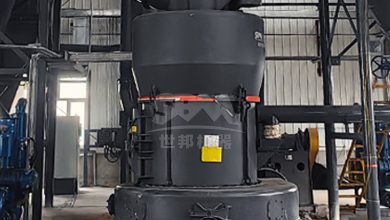
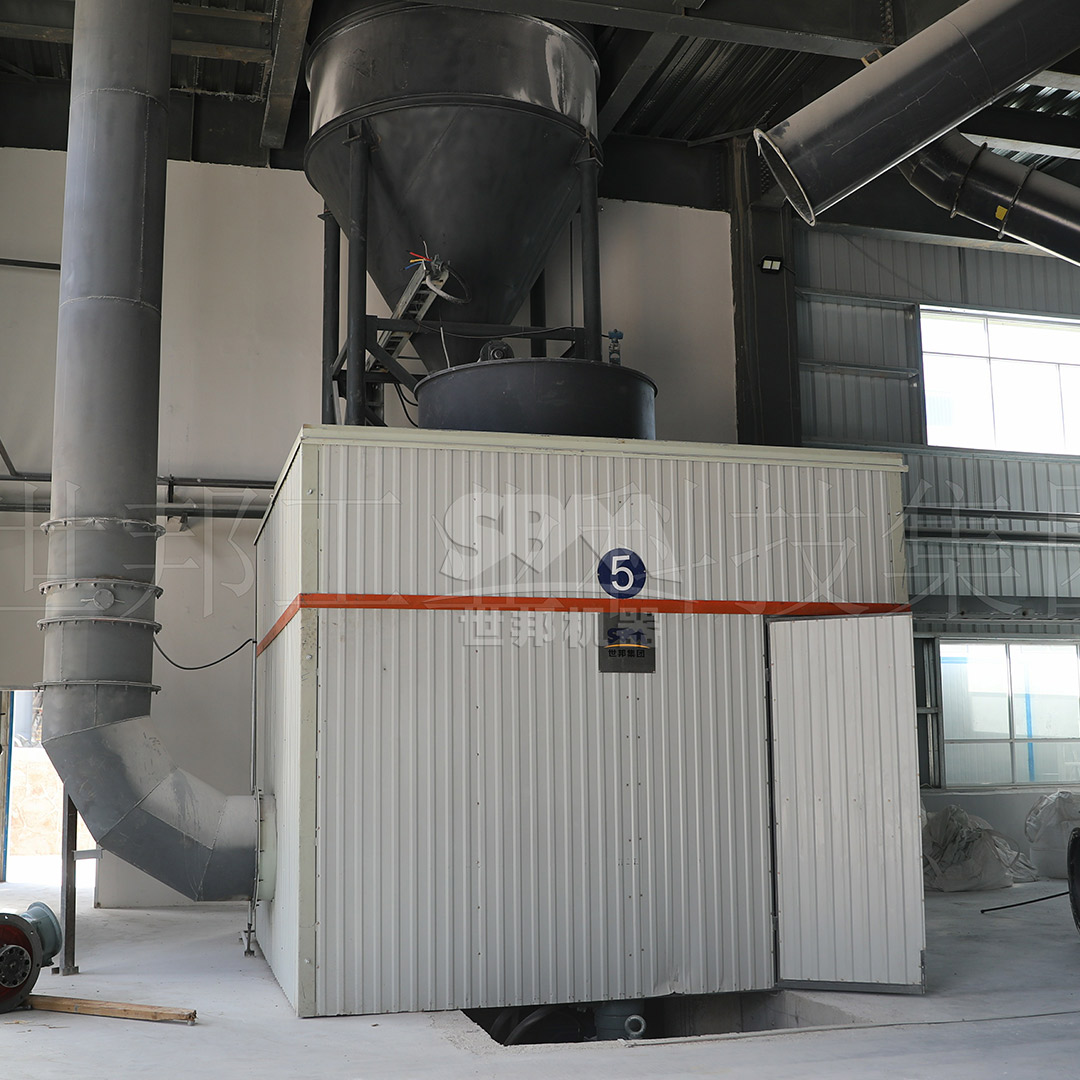
Based on the specific requirements for producing high-quality, reactive glass powder, we highly recommend our SCM Series Ultrafine Mill. This mill is engineered to excel in the precise grinding of medium-hard, abrasive, and brittle materials like waste glass.
The SCM Series is particularly suited for this application due to its core advantages:
- High-Precision Classification: Its vertical turbine classifier ensures precise particle size cutting, delivering a uniform finished product without coarse powder mixing. This is essential for achieving the consistent fineness needed for optimal pozzolanic reactivity.
- Durable Design for Abrasive Materials: Featuring special material rollers and rings, the mill’s wear parts are built to withstand the abrasiveness of glass, extending service life several times over and reducing maintenance downtime.
- Eco-friendly Operation: With a pulse dust collection efficiency exceeding international standards and a soundproof room design, the SCM mill supports clean, low-noise production facilities, aligning with the sustainability goals of the end product.
- Optimal Output Range: With an output fineness configurable from 325 to 2500 mesh (45-5μm) and capacities from 0.5 to 25 tons per hour across different models (e.g., SCM800 to SCM1680), it offers the flexibility to match various production scales for glass powder.
For operations requiring the processing of larger feed sizes or aiming for a slightly coarser product as a starting point, our MTW Series European Trapezium Mill also presents an excellent solution. Capable of handling feed sizes up to 50mm and producing powder in the range of 30-325 mesh (600-45μm), the MTW series is known for its high transmission efficiency, anti-wear shovel design, and robust construction. Its optimized arc air duct and integral bevel gear drive ensure reliable and efficient pre-grinding or primary grinding of glass cullet.
Conclusion: A Clear Path Forward
The integration of glass powder into cement and concrete formulations is a technically sound and environmentally imperative strategy. It delivers a powerful combination of enhanced mechanical properties, superior durability, and a substantially reduced carbon footprint. The transformation of waste glass into a high-value SCM epitomizes the principles of a circular economy, turning an environmental liability into a construction asset.
Realizing this potential hinges on the ability to produce glass powder with consistent and optimal characteristics. Advanced grinding technology, such as our SCM Series Ultrafine Mill, provides the necessary toolset to achieve this reliably and efficiently. By investing in the right processing equipment, material producers and ready-mix concrete companies can position themselves at the forefront of sustainable construction, contributing to greener infrastructure while building superior, longer-lasting concrete structures.