How Fine Can a Large Kaolin Superfine Grinding Mill Achieve and What Is Its Production Capacity?
Introduction to Kaolin Superfine Grinding
Kaolin, also known as china clay, is a versatile industrial mineral with applications ranging from paper coating and fillers to ceramics, paints, and advanced materials. The value and performance of kaolin are heavily dependent on its particle size distribution and fineness. Superfine grinding technology has become essential for producing high-value kaolin products that meet the stringent requirements of modern industries. This article explores the technical capabilities of large-scale kaolin superfine grinding mills, focusing on achievable fineness levels and production capacities.
Understanding Kaolin Fineness Requirements
The fineness of kaolin powder is typically measured in mesh size or micrometers (μm), with finer particles offering superior properties for specialized applications. For instance, paper coating grades require particles in the range of 80-90% below 2μm, while high-performance ceramics may demand particles as fine as D97 ≤ 5μm (equivalent to 2500 mesh). The transition from conventional to superfine grinding represents a significant technological challenge that requires advanced milling equipment capable of precise particle size control while maintaining economic production rates.
Technical Limits of Kaolin Superfine Grinding
Modern superfine grinding mills can achieve remarkable fineness levels for kaolin processing. The theoretical limit for mechanical grinding typically ranges between 1-5μm, with some advanced systems capable of reaching sub-micron levels. However, achieving consistent results at industrial scale requires careful consideration of multiple factors:
Particle Size Distribution Control
Beyond the nominal fineness (D97), the complete particle size distribution is critical for kaolin performance. Advanced classification systems in modern mills enable tight control over the entire distribution curve, minimizing both oversize particles that can affect product quality and excessive ultrafines that increase viscosity and processing challenges.
Maintaining Crystal Structure
Kaolin’s plate-like crystal structure contributes significantly to its functional properties. Excessive mechanical energy input during grinding can damage this structure, reducing aspect ratio and compromising performance. The optimal grinding technology must balance fineness achievement with crystal structure preservation.
Production Capacity Considerations for Large-Scale Operations
For industrial kaolin processing, production capacity is equally important as fineness achievement. Large-scale operations require mills capable of handling significant throughput while maintaining consistent product quality. Capacity is influenced by multiple factors including feed size, moisture content, hardness, and the target fineness level.
Capacity-Fineness Trade-offs
There is typically an inverse relationship between production capacity and achieved fineness. As target fineness increases, throughput generally decreases due to the additional grinding energy and residence time required. Understanding this relationship is essential for optimizing production economics.
Scale-up Considerations
Moving from laboratory to industrial scale requires careful scale-up planning. Large mills must maintain similar hydrodynamic conditions, energy intensity, and classification efficiency as their smaller counterparts to ensure consistent product quality across different production scales.
Advanced Grinding Technologies for Kaolin Processing
Several grinding technologies have been developed specifically for superfine kaolin processing, each with distinct advantages and limitations:
Vertical Roller Mills
Vertical roller mills utilize multiple grinding rollers that travel on a rotating grinding table. These systems offer excellent energy efficiency and can handle moist materials, but may have limitations in achieving the finest particle sizes required for premium kaolin applications.
Ring-Roller Mills
Ring-roller mills employ multiple rollers that rotate against a stationary ring. These systems provide good control over particle size distribution and are suitable for medium to fine grinding applications.
SCM Ultrafine Mill: Optimal Solution for High-Fineness Kaolin Production
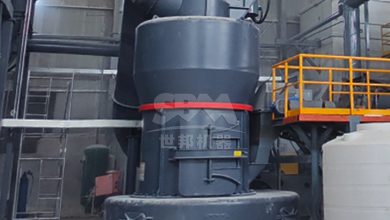
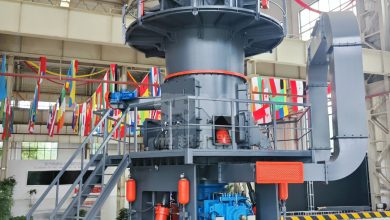
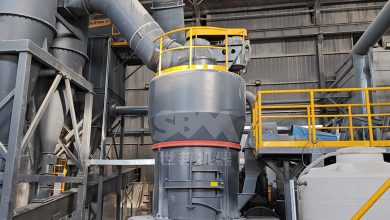
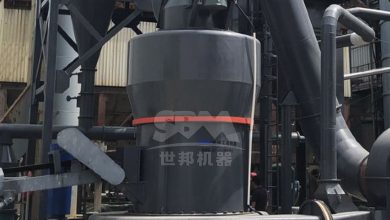
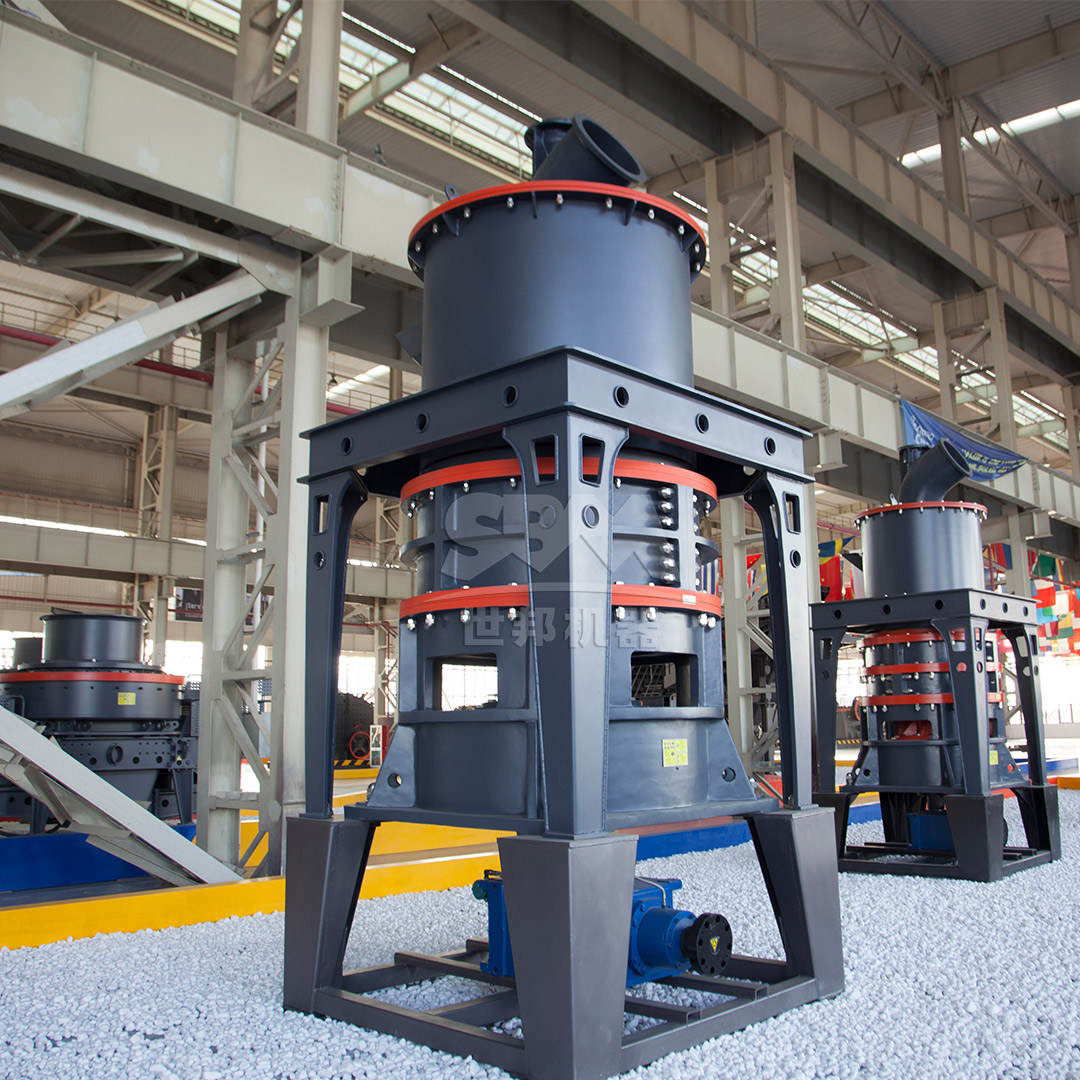
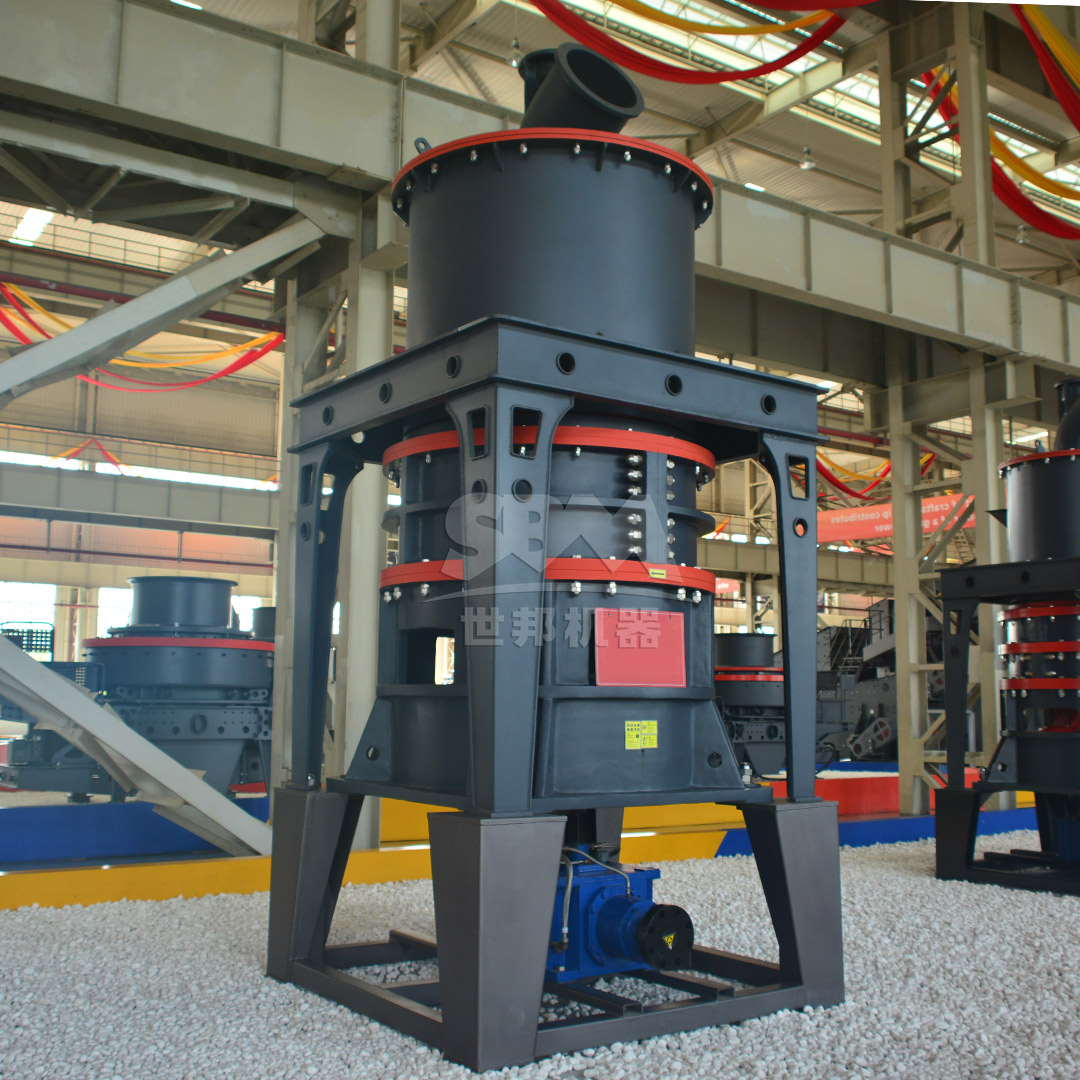
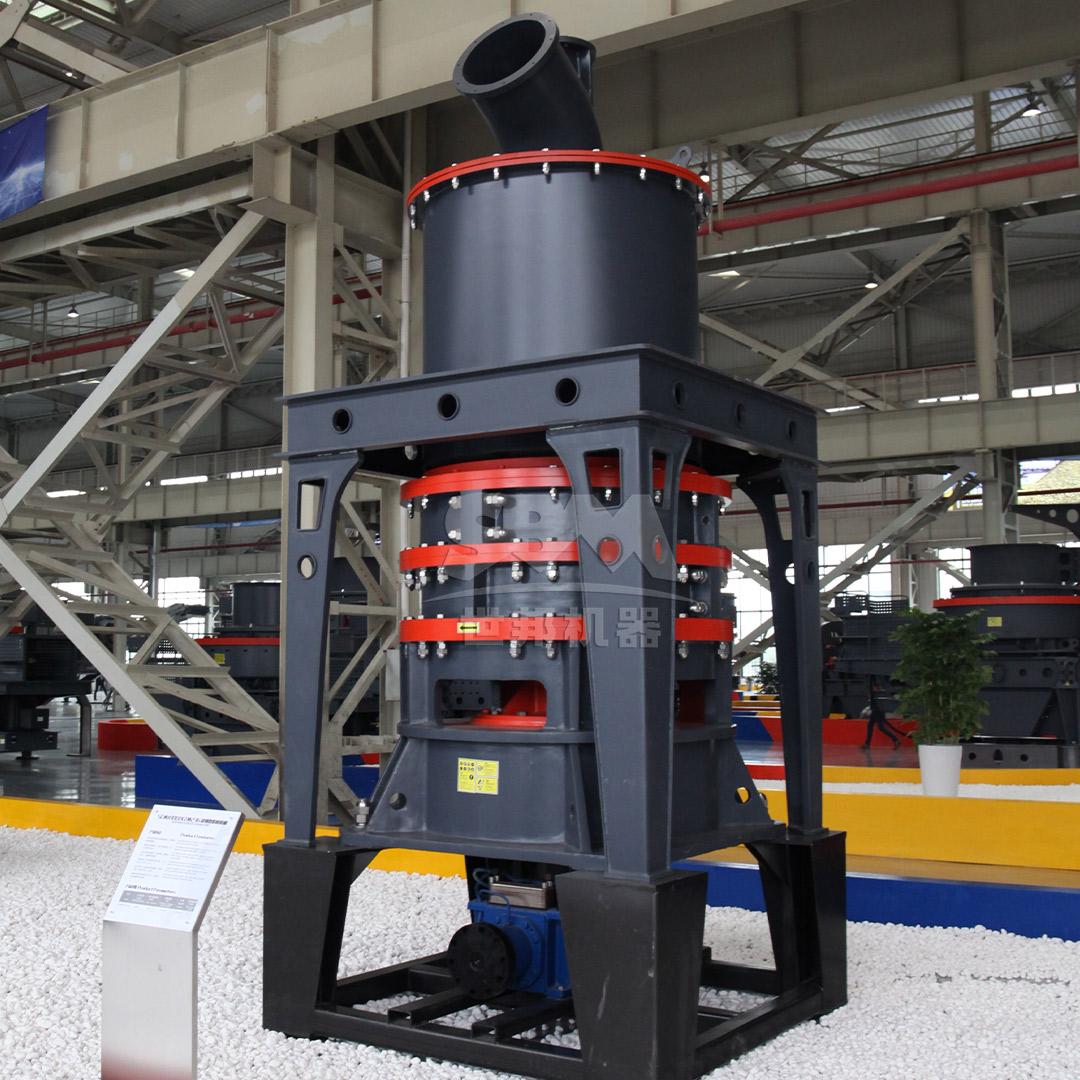
For applications requiring the highest fineness levels, our SCM Ultrafine Mill represents the cutting edge in kaolin grinding technology. This advanced mill system is specifically engineered to achieve remarkable fineness while maintaining economic production rates.
Technical Specifications
The SCM Ultrafine Mill processes kaolin with input sizes up to ≤20mm and delivers output fineness ranging from 325 to 2500 mesh (D97 ≤ 5μm). With production capacities from 0.5 to 25 tons per hour depending on model selection, this mill series covers the complete range from pilot-scale testing to full industrial production.
Key Technological Advantages
The SCM series incorporates several proprietary technologies that make it particularly suitable for superfine kaolin grinding:
- High-Efficiency Classification System: The integrated vertical turbine classifier enables precise particle size cuts without coarse powder contamination, ensuring uniform product quality.
- Advanced Grinding Mechanism: The unique multi-layer grinding ring and roller design provides progressive size reduction with optimized energy consumption.
- Intelligent Control System: Automated feedback control maintains consistent product fineness despite variations in feed material characteristics.
- Durable Construction: Specialized materials for grinding components significantly extend service life, reducing maintenance requirements and operating costs.
Model-Specific Performance
The SCM series includes multiple models to match specific production requirements:
- SCM800: 0.5-4.5 ton/h capacity, 75kW main motor, ideal for pilot plants and small-scale production
- SCM1000: 1.0-8.5 ton/h capacity, 132kW main motor, suitable for medium-scale operations
- SCM1680: 5.0-25 ton/h capacity, 315kW main motor, designed for large-scale industrial production
MTW Series Trapezium Mill: High-Capacity Solution for Fine Kaolin Grinding
For applications where production capacity takes priority over ultra-fine grinding, our MTW Series Trapezium Mill offers an excellent balance of performance and economics. This robust mill system handles larger feed sizes (up to ≤50mm) and delivers substantial throughput while maintaining good fineness control.
Technical Capabilities
The MTW Series processes kaolin with output fineness from 30 to 325 mesh (down to 0.038mm) and production capacities ranging from 3 to 45 tons per hour across different models. This makes it particularly suitable for applications where high volume production of fine (rather than superfine) kaolin is required.
Distinctive Features
- Advanced Transmission System: The integrated cone gear transmission achieves 98% efficiency while reducing space requirements and installation costs.
- Optimized Air Flow Path: Curved air duct design minimizes energy losses and improves material transport efficiency.
- Wear-Resistant Components: Combined shovel blades and specially designed grinding rolls extend service life and reduce maintenance frequency.
Operational Considerations for Kaolin Grinding Mills
Successful implementation of superfine grinding technology requires attention to several operational factors:
Feed Preparation
Proper preparation of kaolin feed material significantly impacts grinding efficiency and product quality. Drying to appropriate moisture levels, effective de-agglomeration, and consistent feed rate control are essential for optimal mill performance.
System Integration
Grinding mills operate as part of an integrated system that includes feeding, classification, product collection, and dust control. Proper integration of these components is crucial for achieving target performance metrics.
Energy Optimization
Superfine grinding is energy-intensive, making efficiency optimization a priority. Modern mills incorporate several energy-saving features, including advanced classification systems that minimize overgrinding and recover coarse particles for additional processing.
Economic Analysis of Superfine Kaolin Production
The economic viability of superfine kaolin production depends on the balance between achieved product value and production costs. Key economic considerations include:
Capital Investment
Superfine grinding systems represent significant capital investment, with costs varying based on capacity, automation level, and ancillary equipment requirements. Proper equipment selection matching specific production needs is essential for economic success.
Operating Costs
Energy consumption, wear part replacement, and maintenance constitute the major operating costs for superfine grinding. Advanced mill designs optimize these factors through efficient grinding mechanisms, durable materials, and automated control systems.
Product Value Enhancement
The premium pricing achievable with superfine kaolin products often justifies the additional processing costs. Understanding market requirements and matching product specifications to application needs is key to maximizing economic returns.
Future Trends in Kaolin Superfine Grinding Technology
The evolution of superfine grinding technology continues, with several emerging trends likely to shape future kaolin processing:
Digitalization and Smart Control
Advanced sensor technology and machine learning algorithms are enabling real-time optimization of grinding parameters, predictive maintenance, and consistent quality control without manual intervention.
Energy Efficiency Improvements
Ongoing research focuses on reducing the energy intensity of superfine grinding through improved grinding mechanics, better classification efficiency, and waste heat recovery systems.
Modular and Scalable Designs
Modular mill designs facilitate easier capacity expansion and provide flexibility to adapt to changing market requirements and raw material characteristics.
Conclusion
Modern superfine grinding technology enables kaolin producers to achieve remarkable fineness levels down to D97 ≤ 5μm (2500 mesh) while maintaining economically viable production capacities up to 25 tons per hour for ultra-fine products and significantly higher for fine grinding applications. The selection of appropriate grinding technology depends on specific product requirements, production scale, and economic considerations.
Our SCM Ultrafine Mill series represents the pinnacle of superfine kaolin grinding technology, offering unmatched fineness control combined with robust production capabilities. For operations prioritizing high capacity with fine (rather than superfine) grinding, the MTW Series Trapezium Mill provides an excellent balance of performance and economics. Both technologies incorporate advanced features that optimize energy efficiency, minimize operating costs, and ensure consistent product quality across varying production conditions.
As kaolin applications continue to evolve toward more demanding specifications, advanced grinding technology will play an increasingly important role in enabling producers to meet market requirements while maintaining competitive production economics.