How Does an Ultra-Fine Vertical Mill Perform? Efficient & Energy-Saving Grinding for Calcium Carbonate Superfine Powder, Replacing 5 Micronizers!
Introduction to Ultra-Fine Grinding Technology
The demand for superfine calcium carbonate powder (D97 ≤ 5μm) has surged across industries such as plastics, paints, coatings, and pharmaceuticals. Traditional grinding systems, including multiple micronizers, often struggle with high energy consumption, inconsistent particle size distribution, and significant maintenance costs. Ultra-fine vertical mills have emerged as a revolutionary solution, offering unparalleled efficiency, precision, and sustainability. This article explores the performance, advantages, and operational mechanics of ultra-fine vertical mills, with a focus on calcium carbonate processing.
Why Choose Ultra-Fine Vertical Mills?
Ultra-fine vertical mills are designed to achieve precise particle size control while minimizing energy usage. Unlike conventional micronizers, which rely on high-speed airflow and impact forces, vertical mills utilize a combination of grinding, classification, and collection systems to produce uniform superfine powder. Key benefits include:
- Energy Efficiency: Reduced power consumption by up to 30% compared to jet mills.
- High Precision: Advanced classification technology ensures consistent fineness (e.g., 325-2500 mesh).
- Durability: Wear-resistant materials extend component lifespan.
- Environmental Compliance: Low noise emission (≤75dB) and efficient dust collection systems.
Technical Advantages of Ultra-Fine Vertical Mills
1. Efficient and Energy-Saving Operation
Ultra-fine vertical mills leverage a multi-layer grinding mechanism to achieve higher throughput with lower energy input. For instance, our SCM Ultrafine Mill series delivers twice the capacity of traditional jet mills while reducing energy consumption by 30%. Intelligent control systems automatically adjust grinding parameters based on real-time feedback, ensuring optimal performance and minimal waste.

2. High-Precision Classification
The integration of vertical turbine classifiers enables precise particle size separation, eliminating coarse particles and ensuring uniformity. This is critical for applications requiring strict fineness specifications, such as high-grade calcium carbonate for plastics and coatings.
3. Robust and Low-Maintenance Design
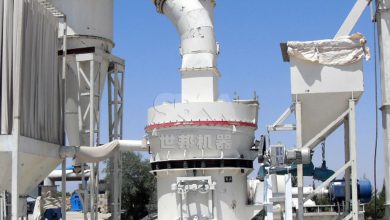
Key components, such as grinding rollers and rings, are manufactured from special alloys to withstand abrasive materials. The absence of bearings in the grinding cavity enhances stability and reduces maintenance needs. For example, the MTW Series Trapezium Mill features a combined shovel blade design and curved air duct to minimize wear and optimize airflow efficiency.
4. Eco-Friendly Performance
Pulse dust collectors exceed international standards, capturing over 99.9% of fine particles. Soundproof enclosures keep operational noise below 75dB, creating a safer and more comfortable working environment.
Recommended Product: SCM Ultrafine Mill
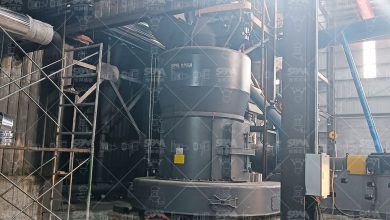
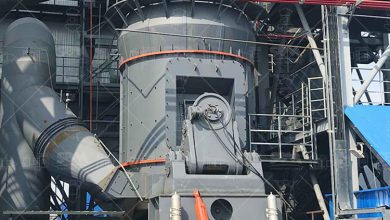
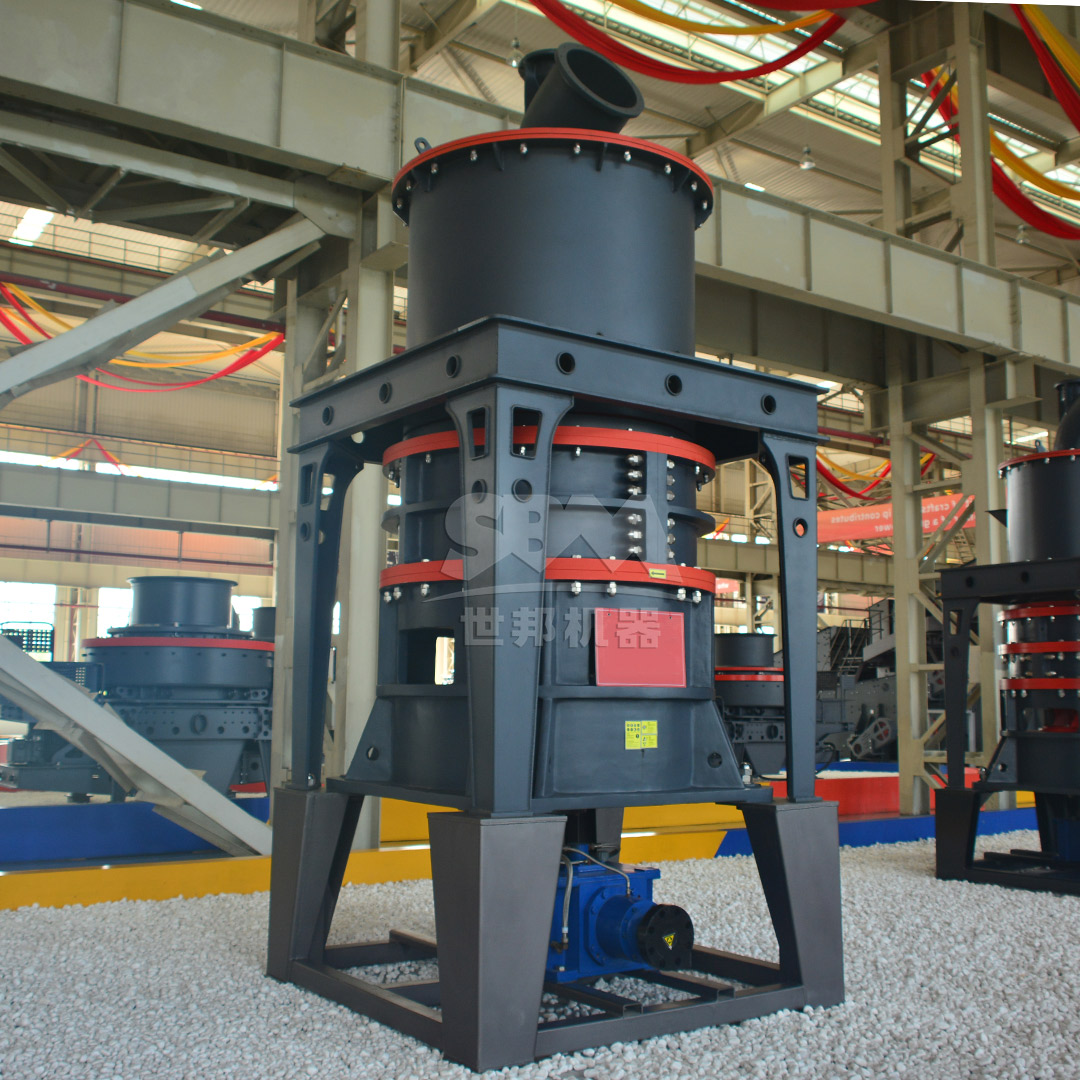
Our SCM Ultrafine Mill is specifically engineered for superfine grinding applications, including calcium carbonate, talc, and barite. With an output fineness range of 325-2500 mesh (D97 ≤ 5μm) and a capacity of 0.5-25 tons per hour, it outperforms multiple micronizers in a single unit. Key features include:
- Smart Control System: Automatically adjusts grinding pressure and classifier speed for consistent results.
- Long-Lasting Components: Special alloy grinding rollers and rings offer 3-5 times longer service life.
- Compact Design: Integrated system reduces footprint by 50% compared to traditional setups.
How It Works: Grinding Process Explained
The ultra-fine vertical mill operates through a multi-stage process:
- Feeding: Raw calcium carbonate (≤20mm) is fed into the grinding chamber via a vibrating feeder.
- Grinding: The main motor drives multiple grinding rings to rotate. Material is centrifugally dispersed into the grinding path and crushed by rollers.
- Classification: A built-in turbine classifier separates fine powder from coarse particles. Coarse material returns for regrinding.
- Collection: Fine powder is collected by a cyclone separator and pulse dust collector, ensuring zero waste.
Case Study: Replacing 5 Micronizers with One SCM Mill
A calcium carbonate processing plant previously used five jet micronizers to achieve a target fineness of 2500 mesh. Despite high energy costs and frequent maintenance, particle size consistency remained an issue. After installing our SCM1000 Ultrafine Mill, the plant achieved:
- 40% Reduction in Energy Costs: Annual savings of over $50,000.
- Higher Throughput: Output increased from 4 tons/h to 8.5 tons/h.
- Improved Product Quality: D97 fineness consistently below 5μm with no coarse particles.
Additional Recommendation: MTW Series Trapezium Mill
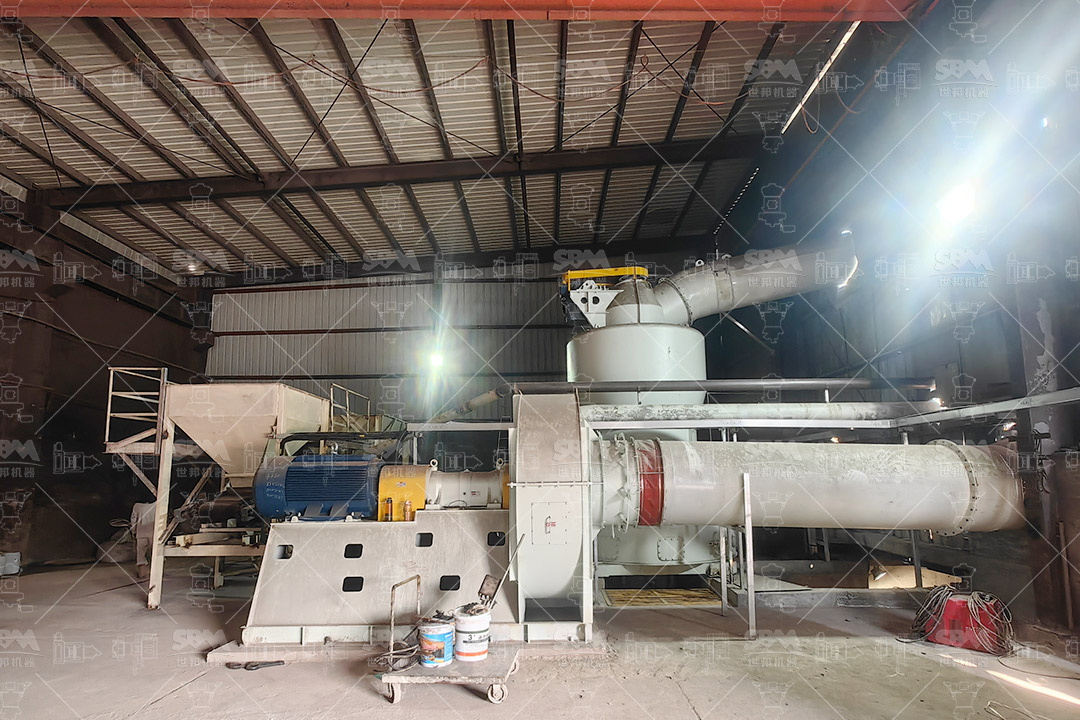
For coarser grinding requirements (30-325 mesh), our MTW Series Trapezium Mill offers exceptional efficiency and reliability. With capacities ranging from 3-45 tons per hour, it is ideal for large-scale calcium carbonate production. Advantages include:
- Anti-Wear Shovel Blades: Combined design reduces maintenance costs.
- Curved Air Duct: Minimizes energy loss and improves material transmission.
- Integrated Gear Drive: 98% transmission efficiency and compact installation.
Conclusion
Ultra-fine vertical mills represent the future of superfine powder processing, combining efficiency, precision, and sustainability. By replacing multiple micronizers with a single system like the SCM Ultrafine Mill or MTW Series Trapezium Mill, manufacturers can significantly reduce operational costs while enhancing product quality. As the industry evolves, these advanced grinding solutions will continue to drive innovation and competitiveness.