How Does a Vertical Orthoclase Grinding Mill Work?
Introduction to Vertical Grinding Technology
Vertical grinding mills have revolutionized mineral processing operations worldwide, offering significant advantages over traditional horizontal ball mills. When it comes to processing orthoclase feldspar – a crucial industrial mineral used in ceramics, glass manufacturing, and various other applications – vertical grinding technology provides unparalleled efficiency, precision, and operational economy. This comprehensive article explores the intricate working mechanisms of vertical orthoclase grinding mills and highlights advanced solutions for modern mineral processing requirements.
Fundamental Working Principles
The operation of a vertical orthoclase grinding mill follows a systematic process that transforms raw orthoclase mineral into precisely controlled powder specifications. Understanding this process requires examining each stage of the grinding operation.
Material Feeding and Distribution
Raw orthoclase material with particle sizes typically under 20mm enters the mill through a precision feeding system. The feed material is transported to the center of the grinding table, where centrifugal force generated by the rotating table distributes the material outward toward the grinding track. This even distribution is critical for maintaining consistent grinding pressure and preventing localized wear patterns.

Grinding and Comminution Process
As the material moves across the grinding table, hydraulically loaded grinding rollers apply substantial pressure to the orthoclase bed. The unique combination of compression and shear forces fractures the orthoclase crystals along their natural cleavage planes. The grinding mechanism operates on the principle of interparticle comminution, where particles are crushed between other particles rather than directly against metal components, significantly improving energy efficiency.
For orthoclase processing, this controlled fracture is particularly important as it preserves the mineral’s chemical properties while achieving the desired particle size distribution. The grinding pressure can be precisely adjusted to accommodate variations in orthoclase hardness and feed characteristics.
Classification and Separation
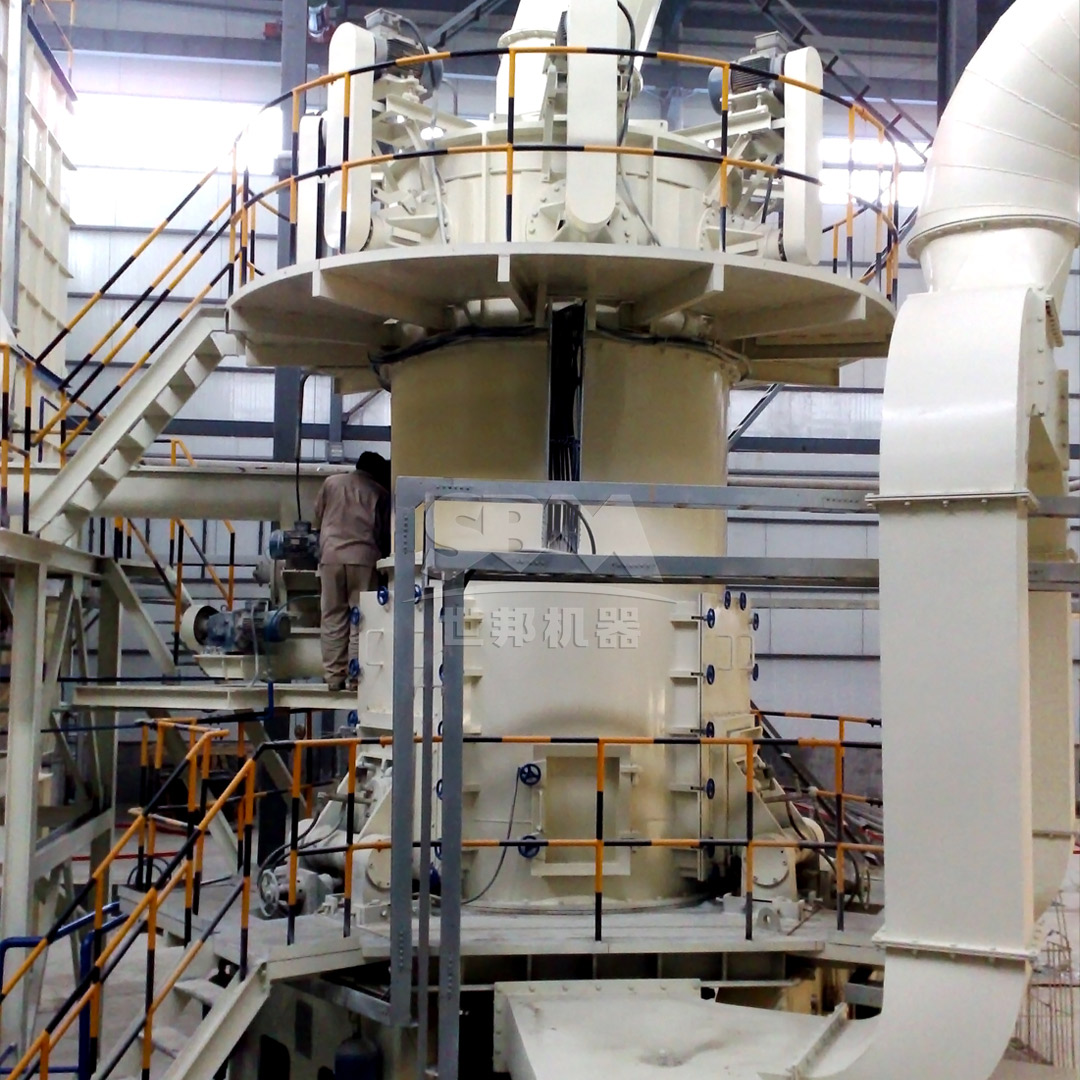
Following the initial grinding phase, the pulverized material is transported upward by the airflow generated by the mill’s integrated fan. This air stream carries the orthoclase particles into the high-efficiency classifier located in the upper section of the mill. The classifier, typically a vertical turbine design with adjustable rotor speeds, performs critical size separation.
Oversize particles are rejected by the classifier and returned to the grinding table for further processing, while properly sized particles continue to the collection system. This closed-circuit classification ensures that only particles meeting the specified fineness requirements exit the grinding chamber, typically ranging from 325 to 2500 mesh for orthoclase applications.
Product Collection and Final Processing
The classified orthoclase powder is transported to the collection system, which typically consists of cyclones and baghouse filters. Modern mills employ pulse-jet cleaning systems that maintain consistent filtration efficiency while minimizing pressure drop. The collected orthoclase product is then conveyed to storage silos or packaging systems, ready for industrial application.
Advanced Vertical Mill Solutions for Orthoclase Processing
Modern orthoclase processing demands equipment that combines precision, efficiency, and reliability. Our company’s extensive research and development in mineral processing technology has yielded advanced grinding solutions specifically engineered for feldspar minerals like orthoclase.
SCM Series Ultrafine Mill: Precision for Specialty Applications
For operations requiring ultra-fine orthoclase powders, our SCM Series Ultrafine Mill represents the pinnacle of grinding technology. Engineered specifically for materials ranging down to 5μm (D97), this mill delivers exceptional performance for high-value orthoclase applications where precise particle size control is paramount.
The SCM Ultrafine Mill incorporates several proprietary technologies that make it ideally suited for orthoclase processing:
- High-Precision Classification: The integrated vertical turbine classification system ensures precise particle size cuts with no coarse powder contamination, critical for orthoclase used in ceramic glazes and specialty glass formulations.
- Enhanced Grinding Efficiency: With capacity twice that of jet mills and 30% lower energy consumption, the SCM series significantly reduces operational costs while maintaining product quality.
- Intelligent Control Systems: Automated feedback mechanisms continuously monitor and adjust product fineness, ensuring consistent orthoclase powder quality despite variations in feed material characteristics.
Available in multiple configurations from the SCM800 (0.5-4.5 ton/h capacity) to the high-capacity SCM1680 (5.0-25 ton/h), this mill series can be precisely matched to specific production requirements. The specialized wear-resistant materials used in grinding components ensure extended service life even when processing abrasive orthoclase materials.
LM Series Vertical Roller Mill: Versatility for High-Volume Production
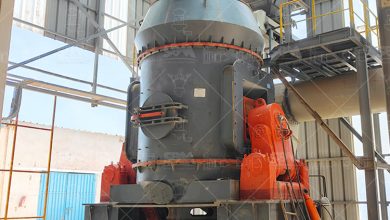
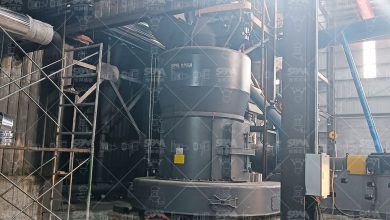
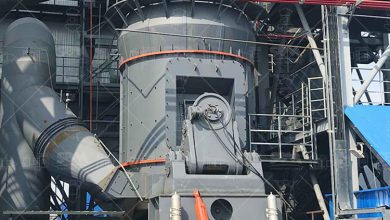
For large-scale orthoclase processing operations, our LM Series Vertical Roller Mill offers unmatched capacity and flexibility. With processing capabilities ranging from 3 to 250 tons per hour and product fineness adjustable between 30-325 mesh (with special configurations reaching 600 mesh), this mill series accommodates virtually any orthoclase processing requirement.
The LM series incorporates several innovative features specifically beneficial for orthoclase grinding:
- Integrated System Design: Combining crushing, grinding, and separation functions in a single compact unit reduces footprint requirements by 50% and decreases infrastructure costs by 40% compared to traditional grinding systems.
- Advanced Wear Protection: The non-contact design between grinding rollers and table liner extends component life up to three times, significantly reducing maintenance costs and downtime.
- Intelligent Process Control: Expert-level automation systems support both remote and local operation modes, with real-time monitoring of critical parameters to minimize operator intervention.
With comprehensive environmental compliance including full negative pressure operation (dust emissions <20mg/m³) and noise levels below 80dB(A), the LM series represents environmentally responsible orthoclase processing technology.

Technical Considerations for Orthoclase-Specific Applications
Processing orthoclase presents unique challenges that require specialized mill configurations and operating parameters. Understanding these material-specific considerations is essential for optimizing grinding performance and product quality.
Moisture Control and Drying Integration
Orthoclase feed material often contains surface moisture that can adversely affect grinding efficiency and product handling. Modern vertical mills can be equipped with integrated drying systems that use hot gas streams to reduce moisture content during the grinding process. This simultaneous drying and grinding eliminates the need for separate drying equipment, reducing both capital and operating costs.
Wear Management in Abrasive Applications
Orthoclase’s abrasive nature necessitates careful selection of wear materials in grinding components. Advanced vertical mills address this challenge through multiple strategies:
- Special alloy compositions in grinding rollers and table liners
- Hardfacing technologies that extend service intervals
- Modular component designs that facilitate quick replacement
- Automated wear compensation systems that maintain grinding pressure
Particle Shape Optimization
Beyond particle size distribution, many orthoclase applications require specific particle morphology. The controlled compression grinding action in vertical mills produces particles with favorable shape characteristics for applications such as ceramic body formulations and filler applications. The ability to adjust grinding pressure and classifier speed allows operators to fine-tune both particle size and shape to meet exact customer specifications.
Operational Advantages of Vertical Grinding Systems
The transition from traditional grinding technologies to modern vertical mills offers orthoclase processors substantial benefits across multiple operational parameters.
Energy Efficiency and Sustainability
Vertical grinding mills typically demonstrate 30-50% lower energy consumption compared to ball mills of equivalent capacity. This dramatic reduction in power requirements not only lowers operating costs but also significantly decreases the carbon footprint of orthoclase processing operations. Additional environmental benefits include:
- Reduced noise emissions through integrated acoustic insulation
- Comprehensive dust collection systems with efficiency exceeding international standards
- Minimal water consumption compared to wet grinding alternatives
Process Flexibility and Control
Modern vertical mills offer unparalleled control over product specifications. Rapid adjustment of classifier speed and grinding pressure enables operators to switch between different orthoclase grades with minimal transition time and material waste. Advanced control systems provide:
- Real-time monitoring of product fineness
- Automated adjustment of operating parameters
- Comprehensive data logging for quality assurance
- Remote operation capabilities
Maintenance and Operational Simplicity
The design philosophy behind contemporary vertical grinding mills emphasizes operational reliability and maintenance accessibility. Features such as hydraulic roller systems for easy maintenance access, modular component designs, and centralized lubrication systems significantly reduce maintenance requirements and downtime. Many routine maintenance tasks can be performed without entering the grinding chamber, enhancing both safety and operational efficiency.
Future Developments in Orthoclase Grinding Technology
The evolution of vertical grinding technology continues to address the changing needs of orthoclase processors. Emerging trends include:
- Digital Integration: Implementation of Industry 4.0 principles with IoT connectivity for predictive maintenance and remote optimization
- Advanced Material Science: Development of next-generation wear materials offering extended service life in abrasive applications
- Energy Recovery Systems: Integration of waste heat recovery to further improve operational sustainability
- Hybrid Grinding Systems: Combinations of compression and impact grinding for specialized particle morphology requirements
Conclusion
Vertical grinding technology has transformed orthoclase processing, offering unprecedented control over product specifications while delivering substantial improvements in operational efficiency and cost effectiveness. The working principle of these advanced mills – combining precision grinding, efficient classification, and integrated collection systems – provides orthoclase processors with the capability to meet exacting market requirements across diverse applications.
Our company’s commitment to innovation in mineral processing technology is exemplified by the SCM Series Ultrafine Mill and LM Series Vertical Roller Mill, both representing the current state of the art in orthoclase grinding equipment. By leveraging these advanced technological solutions, orthoclase processors can achieve new levels of product quality, operational efficiency, and environmental performance, positioning themselves for success in an increasingly competitive global market.