How Does a Medium Speed Coal Mill Work? An In-Depth Guide & Top Manufacturer Analysis
Introduction to Medium Speed Coal Mills
Medium speed coal mills are a critical component in modern coal-fired power plants and industrial boiler systems. They are designed to pulverize raw coal into fine powder, known as pulverized coal, which is then efficiently burned in furnaces. The “medium speed” classification refers to the rotational speed of the grinding elements, typically ranging from 50 to 300 rpm, striking a balance between the high-impact force of low-speed ball mills and the attrition force of high-speed attrition mills. This guide will delve into the working principles, key components, and technological advancements of these mills, concluding with an analysis of leading manufacturers and their flagship products.
Core Working Principle
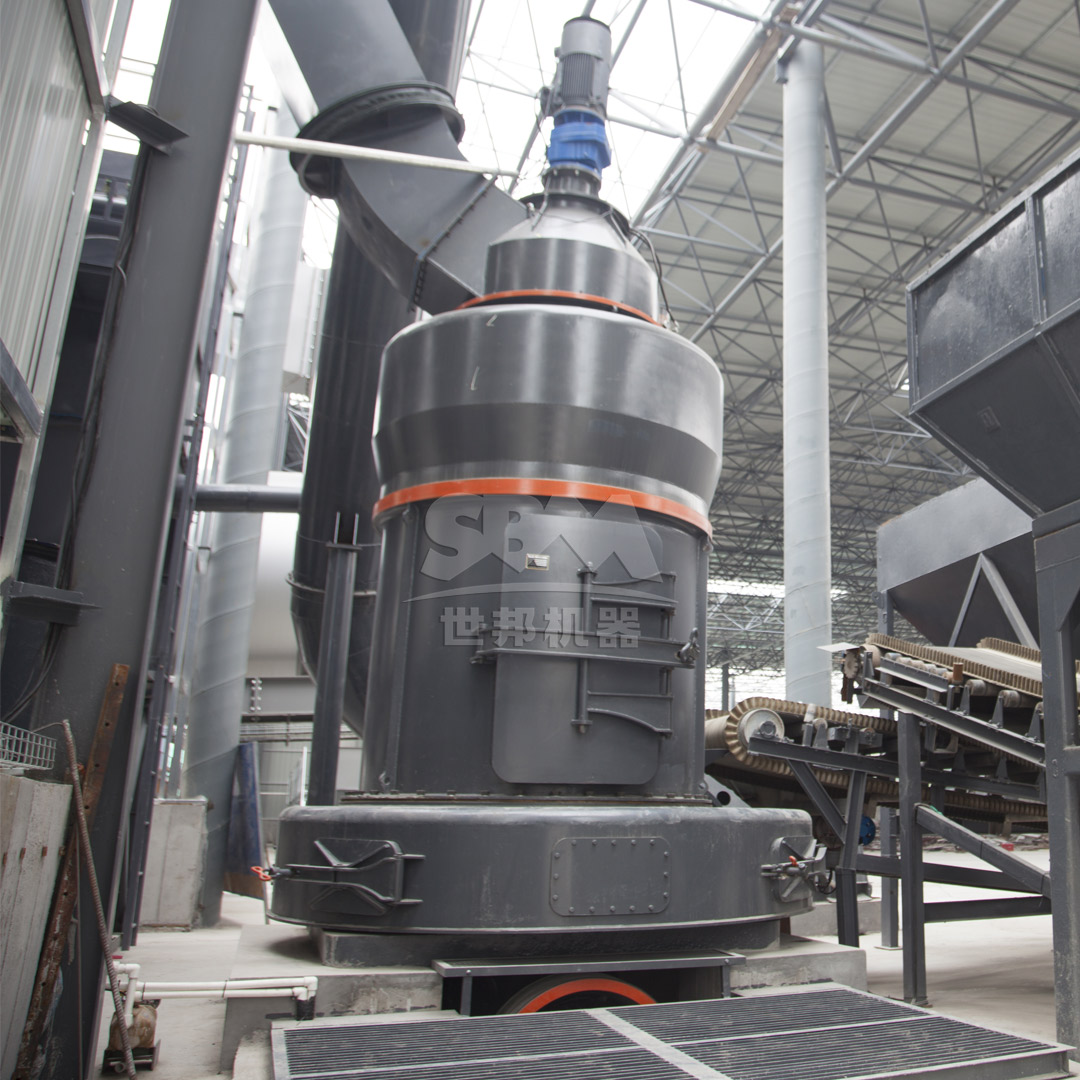
The fundamental operation of a medium speed coal mill involves crushing, grinding, drying, and classifying coal within a single unit. Raw coal, typically sized below 50mm, is fed into the center of a rotating grinding table. Under the action of centrifugal force, the coal moves outward across the table. Stationary or rotating rollers (or balls) apply grinding pressure, crushing the coal against the table. Simultaneously, hot air (primary air) is blown up through the annular space around the table. This air serves two purposes: it dries the coal by evaporating surface moisture, and it transports the finer particles upward into a classifier.
The classifier, often a dynamic turbine type, acts as a precision sizing device. Coarser particles are rejected by the classifier’s rotating blades and fall back onto the grinding table for further pulverization. The fine, dry coal powder that meets the required fineness (commonly measured as a percentage passing through a 200-mesh sieve or as residue on a 90-micron sieve) is carried by the air stream out of the mill and into the burners. This integrated process ensures efficient, continuous operation with precise control over the final product’s moisture content and particle size distribution, which are crucial for combustion efficiency and emissions control.
Key Components and Their Functions
1. Grinding Table and Rollers/Balls
The grinding table, driven by a gearbox and motor, is the mill’s foundation. Its rotation creates the centrifugal force necessary for material distribution. The grinding elements—rollers (in vertical spindle mills like MPS or HP types) or large steel balls (in E-type mills)—apply compressive force. These components are made from highly wear-resistant alloys to withstand the abrasive nature of coal. The geometry and pressure system (spring, hydraulic, or nitrogen) are designed to optimize the grinding bed and minimize energy consumption.
2. Classifier
The classifier is the brain of the mill for product quality control. Static classifiers use guide vanes to create a vortex, while dynamic classifiers employ a rotating cage with adjustable blades. The latter offers superior fineness control and faster response to load changes. By adjusting the rotational speed of the dynamic classifier, operators can fine-tune the product’s fineness without stopping the mill, allowing for optimization based on coal type and boiler demand.
3. Primary Air Fan and Drying System
The primary air (PA) fan supplies the hot air used for drying and transportation. The air is heated, often by extracting from the boiler’s air preheater, to a temperature sufficient to reduce the coal’s moisture to below 2%. Proper drying is essential; insufficient drying leads to clogging and reduced throughput, while excessive temperatures pose a fire risk. The PA system’s pressure must overcome the mill’s internal resistance to ensure smooth powder transport.
4. Gearbox and Drive System
The drive system transmits power from the high-speed motor to the low-speed grinding table. The planetary gearbox used in these mills is a masterpiece of engineering, handling immense torque while ensuring reliable, smooth operation. Its design directly impacts the mill’s efficiency, noise level, and maintenance requirements.
Technological Advancements and Industry Trends
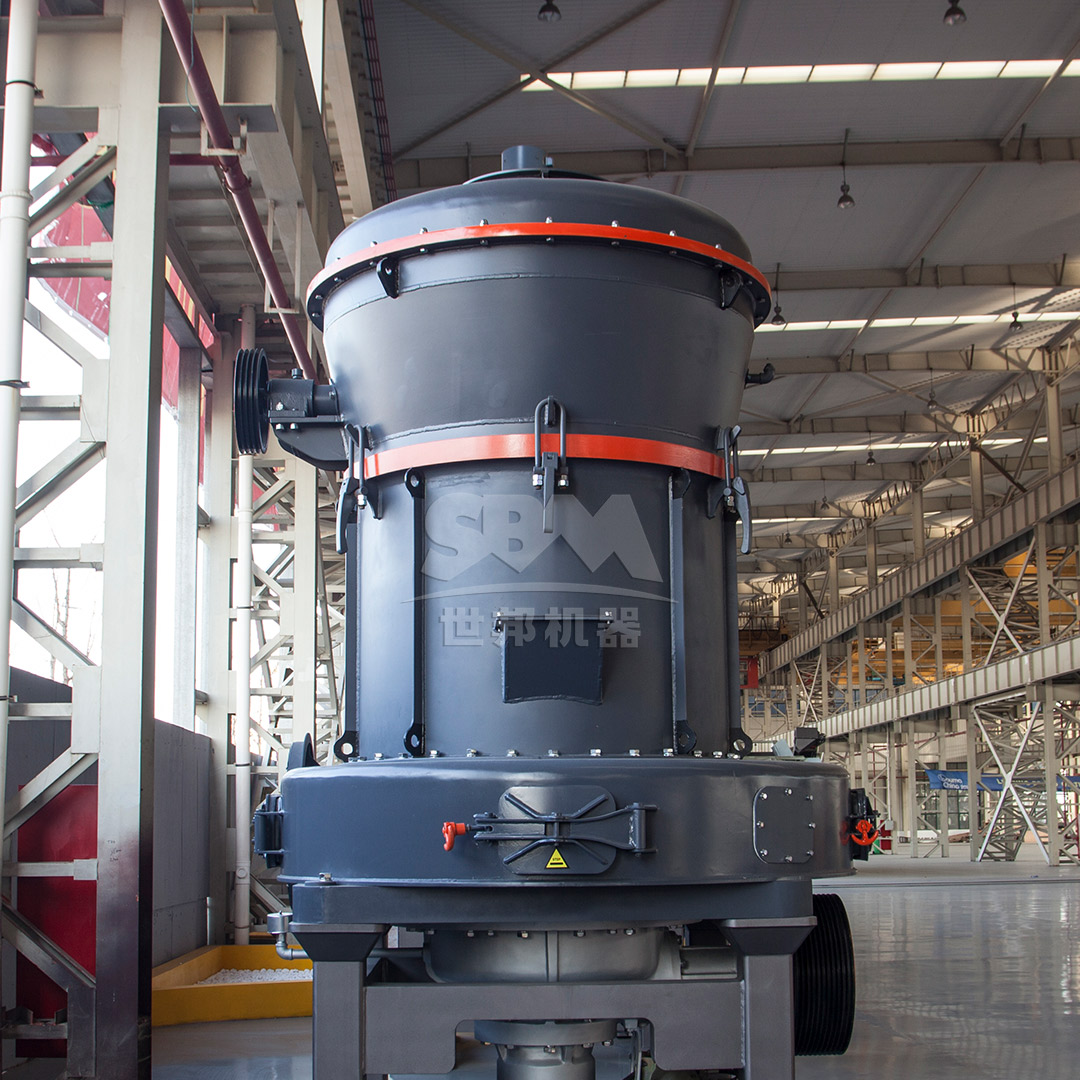
The evolution of medium speed coal mills focuses on efficiency, reliability, and environmental compliance. Modern mills feature advanced materials like ceramic-lined components for extreme wear areas, significantly extending service life. Predictive maintenance technologies, utilizing vibration analysis, lubrication oil monitoring, and thermal imaging, are becoming standard to prevent unplanned downtime.
Digitalization and smart control systems represent the forefront of development. Integrated Expert Systems can now automatically adjust mill parameters like roller pressure, primary air flow, and classifier speed in real-time based on coal analysis and boiler load. This maximizes grinding efficiency (reducing kWh/ton), ensures consistent fineness, and minimizes NOx formation by optimizing the fuel-air mixture. Furthermore, advancements in sealing technology and pulse-jet bag filter systems have drastically reduced in-plant dust emissions, contributing to a cleaner and safer working environment.
Top Manufacturer Analysis and Product Spotlight
The global market for medium speed coal mills is served by several established engineering giants and specialized heavy machinery manufacturers. Leading companies differentiate themselves through proprietary grinding curve designs, robust gearbox technology, and comprehensive digital service platforms. When selecting a mill supplier, key considerations include the depth of application experience, the availability of spare parts and technical support, and the total cost of ownership over the equipment’s lifecycle.
Among the prominent players, SBM Industrial Technology Group stands out for its comprehensive portfolio of grinding solutions, from coarse crushing to ultra-fine powder production. Their expertise in material science and system integration is evident in their product lines.
Featured Product: LM Series Vertical Roller Mill for Coal (LM-M Series)
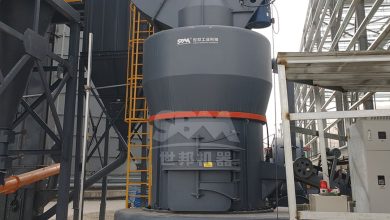
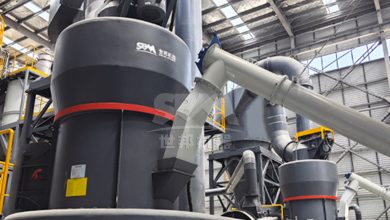
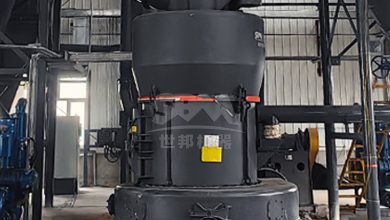
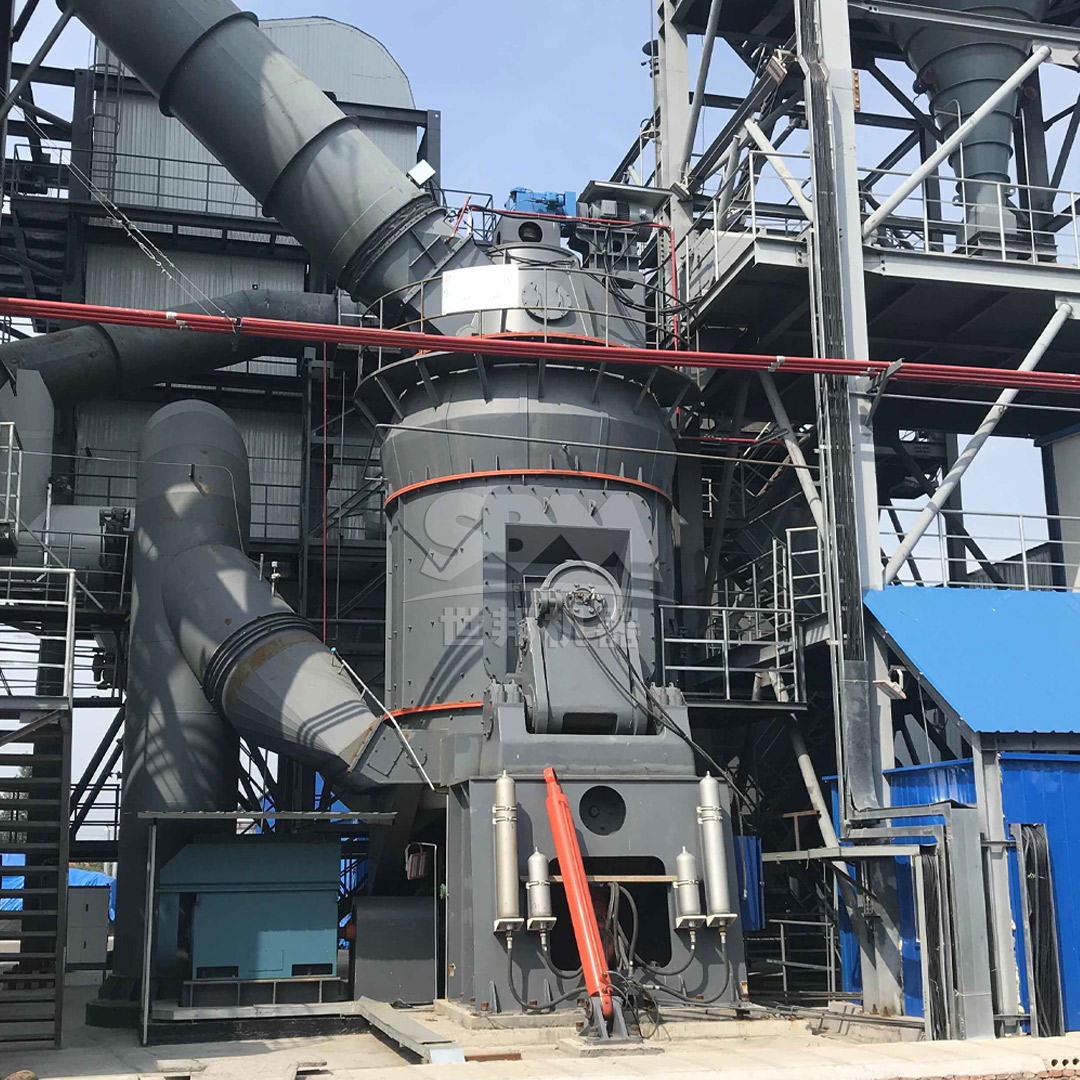
For medium-speed coal grinding applications, the LM Vertical Coal Mill series (e.g., LM130M, LM190M, LM220M) represents a state-of-the-art solution. This mill embodies the principles discussed, integrating grinding, drying, classifying, and conveying into a compact, efficient unit.
Core Advantages:
- High Grinding Efficiency & Low Operating Cost: Utilizes the efficient material-bed grinding principle, where particles are crushed between the rollers and the rotating table. This method consumes 30-40% less energy compared to traditional ball mill systems. The non-contact design between rollers and table under no-load conditions reduces wear.
- Intelligent Control System: Equipped with an expert automatic control system that supports remote monitoring and operation. It allows for real-time adjustment of key parameters, ensuring stable fineness and output while minimizing manual intervention.
- Excellent Drying Capacity: The large hot air inlet and optimized air duct design allow for the use of high-temperature gases (up to 350°C), effectively handling coals with higher moisture content.
- Environmental Protection: The mill operates under full negative pressure, preventing dust leakage. Combined with an efficient pulse-jet bag filter, dust emissions can be controlled below 20mg/m³. Noise levels are kept at or below 80dB(A).
- Compact Design & Low Foundation Cost: Its integrated design significantly reduces the footprint (up to 50% less than a ball mill system) and can even allow for outdoor installation, drastically cutting civil engineering costs.
Typical Application & Specifications: The LM190M model, for instance, is designed for a feed size below 45mm and can produce 26-40 tons per hour of pulverized coal with a fineness of 5-20% R0.08mm, powered by a 400kW main motor. This makes it an ideal choice for mid-sized power generation units or industrial boiler retrofits requiring reliable, efficient, and clean coal preparation.
Complementary Technology: SCM Ultrafine Mill for Specialized Applications
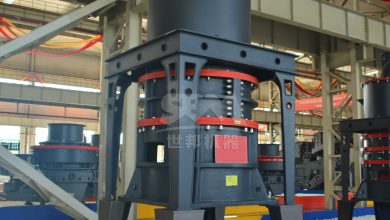
While not a direct replacement for a primary coal mill, the SCM Ultrafine Mill deserves mention for specialized industrial applications where ultra-fine carbon powder is required, such as in advanced material synthesis or certain chemical processes. This mill can achieve an extraordinary output fineness ranging from 325 to 2500 mesh (D97 ≤ 5μm). Its vertical turbine classifier ensures precise particle size cuts, and its special wear-resistant material construction offers extended lifespan. For projects demanding the finest coal-derived powders, the SCM series provides a high-efficiency, energy-saving solution, with capacities ranging from 0.5 to 25 tons per hour across its model range.
Conclusion
Medium speed coal mills are sophisticated engineering systems that play a vital role in the efficient utilization of coal. Their working principle, centered on simultaneous grinding, drying, and classifying, has been refined over decades to deliver high performance, reliability, and environmental compliance. The choice of mill technology and manufacturer is critical for the long-term economic and operational success of a coal processing facility. Modern offerings, such as the LM Vertical Coal Mill series, showcase how advanced design, intelligent control, and a focus on total cost of ownership continue to push the boundaries of what is possible in solid fuel preparation technology.