How Does a Bentonite Grinding Mill Work? Explained by Manufacturers
Introduction to Bentonite and Its Processing Needs
Bentonite, a highly absorbent clay primarily composed of montmorillonite, is a critical material in numerous industries including foundry, drilling, construction, and environmental engineering. Its unique properties—such as swelling capacity, viscosity, and thixotropy—are highly dependent on its particle size and purity. Therefore, the grinding process is not merely about size reduction; it is a precision operation that must preserve the mineral’s inherent characteristics while achieving the desired fineness and uniformity. This article delves into the working principles of modern bentonite grinding mills, the technological advancements that optimize this process, and provides insights into selecting the right equipment for your application.
The Fundamental Principles of Grinding: From Crushing to Micronization
The journey of bentonite from raw lumps to fine powder involves several mechanical and aerodynamic principles. Initially, primary crushers like hammer mills reduce large chunks to a manageable size (typically below 50mm). The core grinding then takes place in a mill, where forces such as compression, impact, attrition, and shear are applied. For bentonite, which can be soft and moisture-sensitive, the method of applying these forces is crucial to avoid overheating, which can degrade its properties, and to ensure efficient energy use.
Modern grinding systems integrate a closed-circuit loop: material is fed into the grinding chamber, crushed, then transported by an air stream to a classifier. The classifier acts as a precision gatekeeper, allowing only particles that meet the target fineness to pass through to the collection system (cyclones and bag filters). Coarser particles are rejected by the classifier and returned to the grinding chamber for further processing. This continuous separation ensures consistent product quality and maximizes mill efficiency by preventing over-grinding of already fine material.
Deep Dive into Modern Grinding Mill Technologies
Different mill designs apply the fundamental grinding principles in unique ways, each suited to specific output ranges and operational priorities.
1. Raymond Mill / Pendulum Mill (For 30-325 mesh)
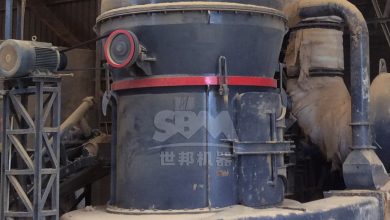
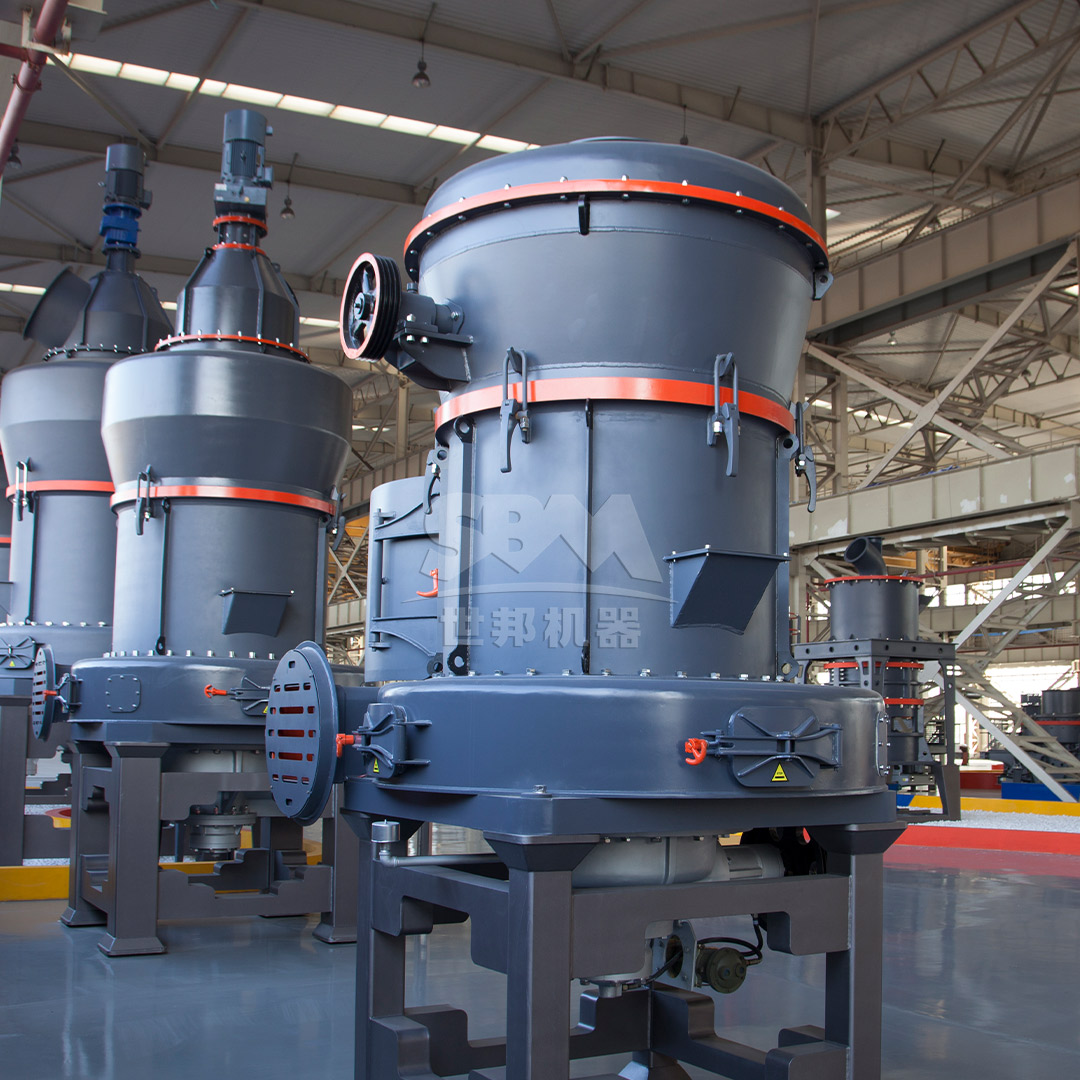
This classic design features rotating rollers that swing outward due to centrifugal force, pressing against a stationary grinding ring. A shovel scoops and throws the material into the path of the rollers. Its simplicity and reliability make it suitable for medium-fine grinding. Modern versions, like the MTW Series Trapezium Mill, incorporate significant upgrades such as curved air ducts for lower resistance, conical gear overall transmission for 98% efficiency, and wear-resistant volutes. These enhancements make it an excellent choice for high-capacity production of bentonite in the 30-325 mesh range, offering a balance of performance, durability, and cost-effectiveness.
2. Vertical Roller Mill (VRM) (For 30-600 mesh)
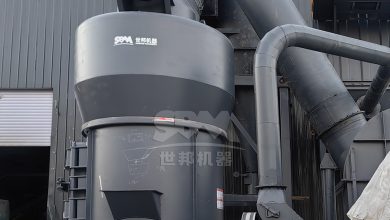
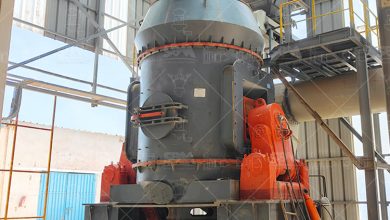
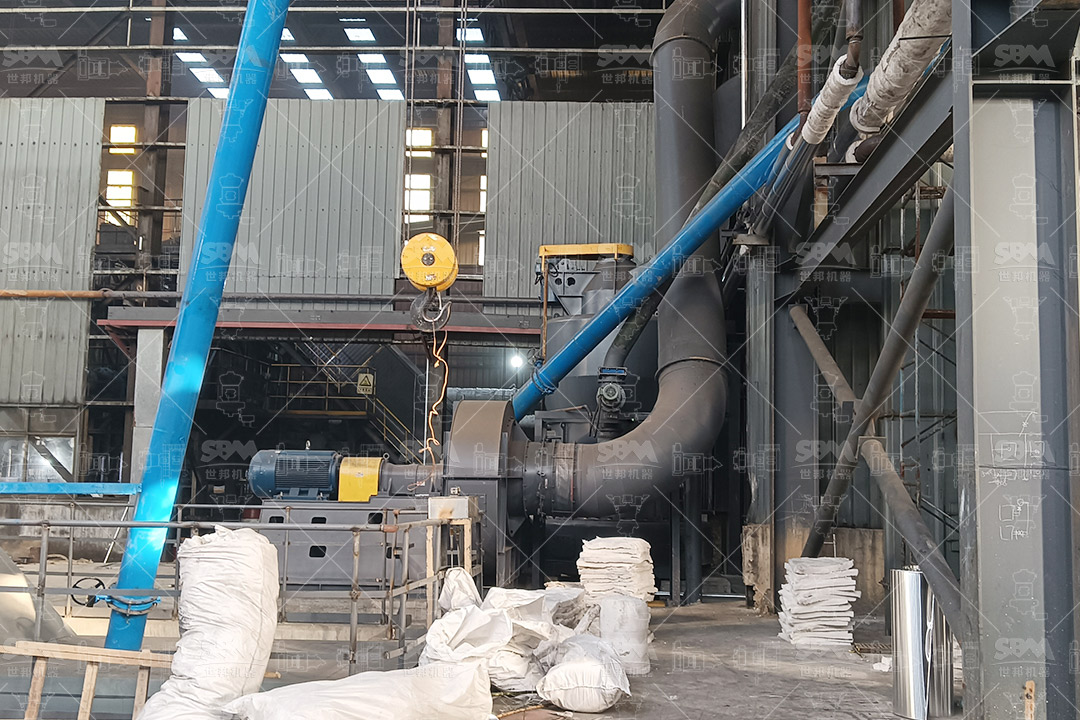
The Vertical Roller Mill represents a leap in grinding technology, utilizing a bed-compaction principle. Material is fed onto a rotating grinding table. Hydraulically loaded rollers press down onto the material bed, crushing it. Hot gas injected from below dries the material and carries the fine particles upward to an integrated dynamic classifier. The LM Series Vertical Roller Mill excels in this category. Its集约化设计 integrates multiple functions, reducing footprint by 50%. The non-contact design between rollers and table liner extends wear part life, while its智能控制系统 allows for precise, automated operation. For large-scale bentonite processing requiring high efficiency and low operational cost, the LM series is a top-tier solution, capable of handling feed sizes up to 50mm and outputs from 30 to 600 mesh.
3. Ultrafine Grinding Mill (For 325-2500 mesh)
Producing ultrafine bentonite (below 10μm) requires specialized mills that combine intense grinding with ultra-precise classification. These mills often use multiple grinding rings and rollers in a vertical arrangement, with material undergoing progressive grinding as it moves downward. The key component is the high-precision turbo classifier, which can make sharp cuts at micron-level sizes.
For this demanding application, manufacturers have developed advanced solutions like the SCM Ultrafine Mill. This mill operates on a layered grinding principle, where the主电机驱动三层磨环旋转, creating multiple grinding zones. Its核心优势 includes高效节能, offering twice the output of jet mills with 30% lower energy consumption, and高精度分级 via a vertical turbine classifier that ensures no coarse powder mixes into the final product. With an output fineness range of 325-2500 mesh (D97 ≤5μm) and capacities from 0.5 to 25 tons per hour across models like the SCM800 to SCM1680, it is specifically engineered for producing high-value, superfine bentonite powders used in advanced applications.
Key System Components Beyond the Mill
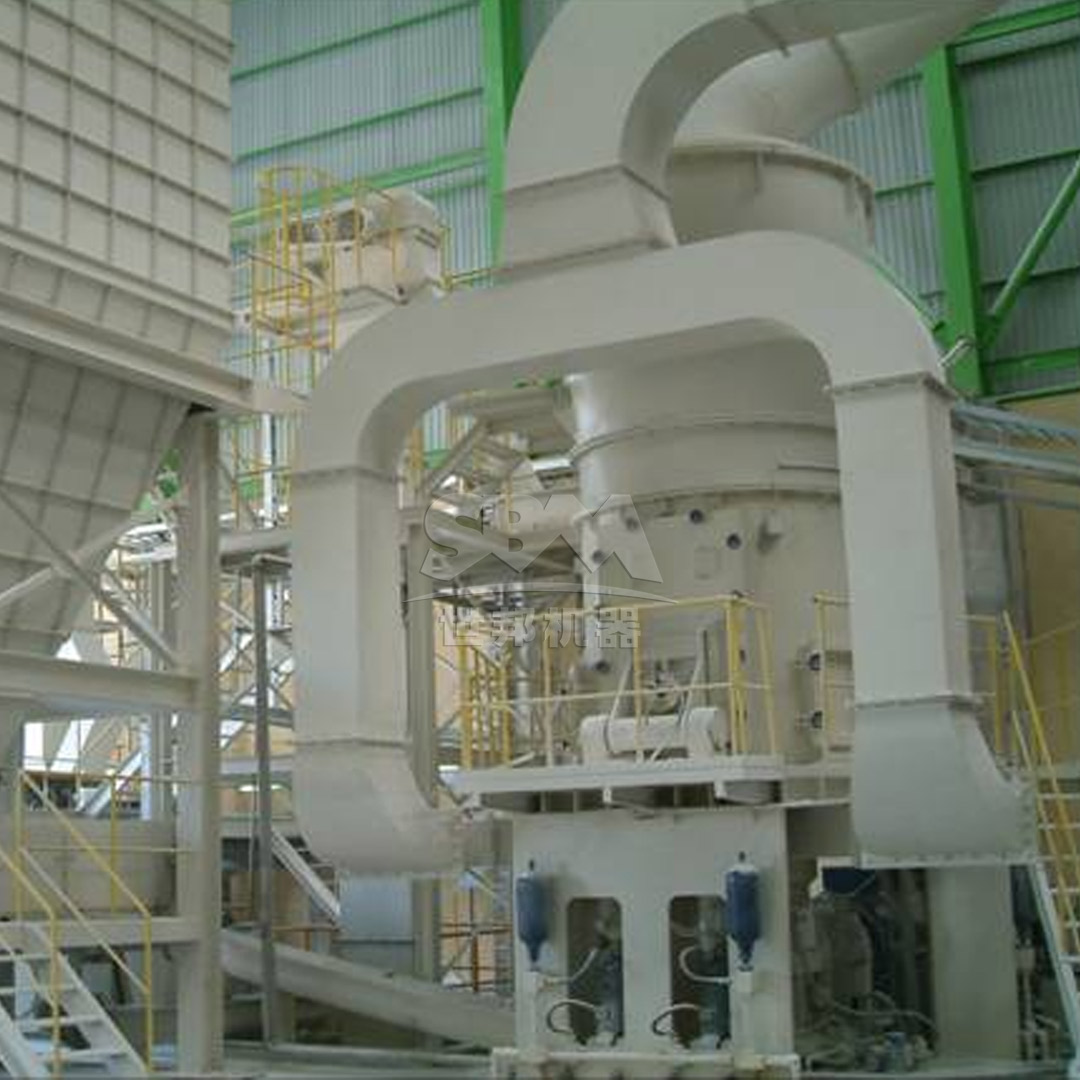
A grinding plant is more than just the mill. Its performance hinges on perfectly integrated auxiliary systems.
- Feeding System: Ensures a stable, controlled feed rate, crucial for maintaining optimal grinding bed conditions in VRMs or load in pendulum mills.
- Drying System: For bentonite with high moisture content, a hot air generator (using gas, oil, or coal) provides the necessary heat for in-mill drying without separate drying equipment.
- Classification System: The heart of product quality control. Dynamic classifiers with adjustable rotor speeds are standard in modern mills for real-time fineness adjustment.
- Collection System: Cyclone collectors recover the bulk of the product, while high-efficiency pulse-jet baghouse filters (with efficiency >99.9%) capture the remaining fines, ensuring emissions are well below international standards (<20mg/m³).
- Control System: Modern PLC-based systems monitor amperage, pressure, temperature, and fan speed, allowing for fully automatic operation, remote monitoring, and quick response to process upsets.
Selecting the Right Mill for Your Bentonite Project
Choosing the optimal grinding system requires a careful analysis of several factors:
- Target Fineness & Particle Distribution: Define the required D50, D97, or mesh size. Narrow particle size distributions demand superior classifiers.
- Required Capacity: Consider both current needs and future expansion. Match the mill model (e.g., SCM1000 vs. SCM1680 or LM190K vs. LM280K) to your throughput goals.
- Moisture Content of Feed Material: High moisture (>8-10%) necessitates a mill with strong drying capabilities, like a VRM with a hot air system.
- Abrasiveness & Hardness: Bentonite is generally soft but can contain abrasive impurities. Mills with easily replaceable wear parts and durable materials (like the特殊材质辊轮 in the SCM mill) reduce long-term maintenance costs.
- Total Cost of Ownership (TCO): Evaluate not just the initial purchase price, but also energy consumption (kWh/ton), wear part lifetime, maintenance frequency, and required manpower. High-efficiency mills like the SCM and LM series often provide a lower TCO despite a higher initial investment.
- Space & Environmental Constraints: Vertical mills (LM Series) have a significantly smaller footprint. All modern mills must be paired with effective dust collection to meet环保标准.
Conclusion: The Path to Efficient Bentonite Powder Production
The transformation of raw bentonite into a high-quality, specification-grade powder is a sophisticated engineering process. Understanding the working principles of different grinding mills—from the robust pendulum mill to the efficient vertical roller mill and the precision-focused ultrafine mill—is the first step toward optimizing your production line. Today’s leading manufacturers offer technologically advanced solutions that prioritize energy efficiency, product consistency, operational stability, and environmental compliance. By carefully matching your specific requirements regarding fineness, capacity, and raw material characteristics to the capabilities of mills like the SCM Ultrafine Mill for superfine products or the LM Vertical Roller Mill for large-scale general grinding, you can build a bentonite processing operation that is not only productive but also sustainable and profitable in the long run.