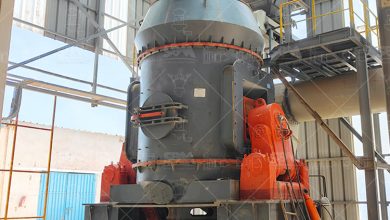
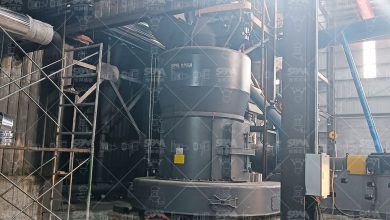
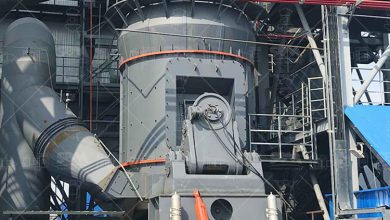
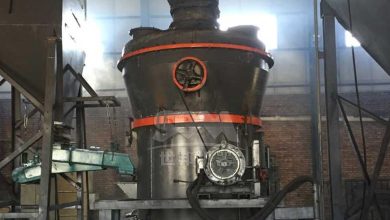
HLM2000 Vertical Roller Mill for 100 Mesh Phosphate Rock Powder Production Line with 55TPH Capacity
Introduction to Phosphate Rock Grinding Requirements
The production of phosphate rock powder is a critical process in the fertilizer industry, where consistent particle size and high throughput are essential for downstream applications. For a production line requiring 55 tons per hour (TPH) capacity with a target fineness of 100 mesh (approximately 150 microns), selecting the right grinding equipment is paramount. The HLM2000 Vertical Roller Mill emerges as an optimal solution, offering superior efficiency, reliability, and cost-effectiveness for such demanding applications. This article explores the technical specifications, operational advantages, and system integration of the HLM2000 mill in phosphate rock processing.
Technical Specifications of HLM2000 Vertical Roller Mill
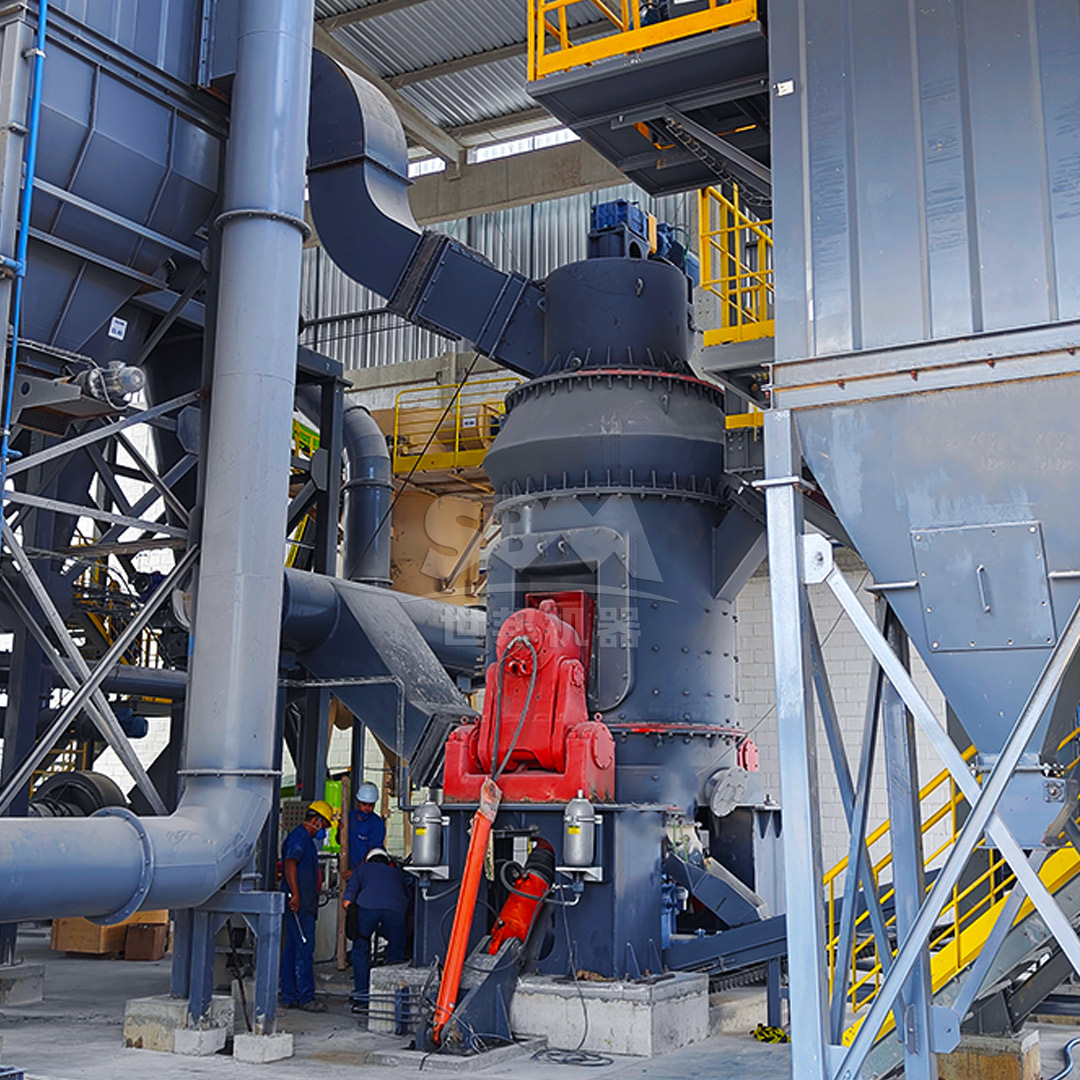
The HLM2000 Vertical Roller Mill is engineered to handle large-capacity grinding operations with exceptional precision. Key parameters include:
- Grinding Disc Diameter: 2000 mm
- Max Feed Size: ≤50 mm
- Output Fineness: 30–325 mesh (adjustable)
- Capacity: 55 TPH (for 100 mesh phosphate rock)
- Main Motor Power: 560–630 kW
- Classifier Power: 55–75 kW
The mill’s design integrates grinding, drying, and classification into a single unit, reducing auxiliary equipment needs and minimizing footprint. For phosphate rock—a material often containing moisture—the HLM2000’s hot air system ensures efficient drying during grinding, achieving a residual moisture content of ≤1%.
Advantages in Phosphate Rock Processing
1. High Efficiency and Energy Savings
Compared to traditional ball mills, the HLM2000 reduces specific energy consumption by 30–40%. Its roller-to-disc grinding mechanism applies concentrated pressure to the material bed, minimizing energy waste. For a 55 TPH line, this translates to annual electricity savings of up to 1,200 MWh.
2. Precise Particle Size Control
The integrated dynamic classifier allows real-time adjustment of fineness. For 100 mesh output, the mill ensures 95% of particles fall within the target range, with minimal oversize or fines. This consistency enhances the reactivity of phosphate powder in fertilizer production.
3. Low Wear and Maintenance
Phosphate rock is moderately abrasive, but the HLM2000’s grinding rollers and table liners are made from high-chromium alloy, offering 3–5 times longer service life than standard materials. The hydraulic system enables roller positioning without direct metal-to-metal contact, further reducing wear.
Production Line Configuration
A complete 55 TPH phosphate rock powder line based on the HLM2000 includes:
- Raw Material Handling: Vibrating feeder and belt conveyor
- Grinding Unit: HLM2000 mill with hot air generator
- Classification: High-efficiency turbo classifier
- Product Collection: Cyclone separator and pulse bag filter
- Storage & Packaging: Silo and automatic bagging system
The system operates under negative pressure, ensuring dust-free operation and compliance with environmental standards (dust emission < 20 mg/m³).

Complementary Equipment Recommendations
SCM Ultrafine Mill for By-Product Valorization
For projects requiring ultra-fine phosphate fractions (e.g., 325–2500 mesh), we recommend our SCM Ultrafine Mill. With an output fineness of D97 ≤ 5 μm and capacity up to 25 t/h, it is ideal for producing high-value additives for specialized fertilizers or industrial applications. Its vertical turbine classifier ensures narrow particle size distribution, while the pulse dust collector maintains operational cleanliness.
MTW Series Trapezium Mill for Coarser Applications
If the production scope includes coarser grades (e.g., 30–100 mesh) alongside the primary 100 mesh output, the MTW Series Trapezium Mill offers a robust solution. With capacities up to 45 TPH and a curved air duct design that minimizes energy loss, it complements the HLM2000 in multi-grade production facilities. The MTW series is particularly suitable for satellite lines or backup grinding needs.
Operational Economics
The HLM2000-based line demonstrates a rapid return on investment:
- Installed Cost: ~$1.8–2.2 million (full line)
- Operating Cost: $4.2–4.8 per ton (energy, wear parts, labor)
- Payback Period: 18–24 months (at 55 TPH, 330 days/year operation)
Maintenance intervals are extended to 8,000–10,000 hours for major overhauls, thanks to the mill’s durable construction and automated lubrication system.
Environmental and Safety Features
The HLM2000 mill incorporates multiple eco-friendly technologies:
- Pulse jet baghouse with 99.9% collection efficiency
- Noise enclosure reducing sound levels to ≤80 dB(A)
- Zero water consumption during grinding
- Compliance with ISO 14001 environmental management standards

Case Study: 55 TPH Phosphate Powder Plant in Morocco
A recent installation in Khouribga, Morocco, achieved the following results with the HLM2000 mill:
- Capacity: 55.2 TPH sustained output
- Fineness: 100 mesh (150 μm) with 92% passing rate
- Availability: 94% over 12 months
- Energy Consumption: 32 kWh/t (compared to 48 kWh/t for ball mill system)
The project confirmed the HLM2000’s suitability for large-scale phosphate processing, with operators noting ease of control and minimal downtime.
Conclusion
The HLM2000 Vertical Roller Mill represents state-of-the-art technology for high-capacity phosphate rock powder production. Its combination of energy efficiency, precise particle control, and operational reliability makes it the ideal choice for 55 TPH lines targeting 100 mesh output. When integrated with complementary equipment like the SCM Ultrafine Mill or MTW Series Trapezium Mill, producers can create a versatile and cost-effective grinding circuit tailored to market demands. For mineral processing investments, the HLM2000 delivers performance that drives profitability while meeting the highest environmental standards.