HLM Vertical Roller Mill for Iron Ore Dry Grinding and Iron Concentrate Processing
Introduction to Iron Ore Dry Grinding Technology
The iron ore industry has been undergoing significant technological transformations in recent years, with dry grinding processes gaining prominence due to their environmental and economic advantages. Traditional wet grinding methods, while effective, consume substantial amounts of water and generate tailings that require extensive management. Dry grinding technologies, particularly vertical roller mills, offer a sustainable alternative that aligns with modern environmental standards while maintaining processing efficiency.
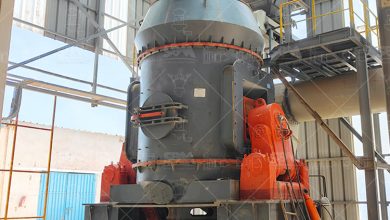
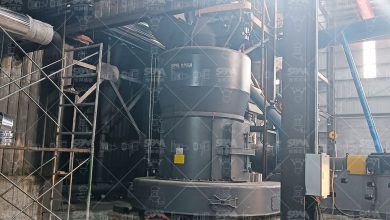
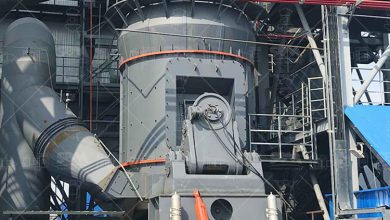
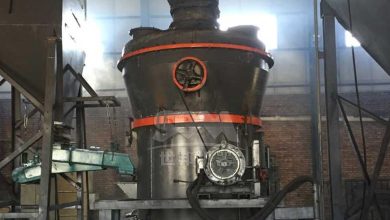
HLM Vertical Roller Mills represent the cutting edge in dry grinding technology for iron ore processing. These advanced systems integrate multiple functions including grinding, drying, classification, and conveying in a single compact unit, providing significant operational benefits over conventional ball mill systems. The technology has proven particularly effective for processing various iron ore types, including magnetite, hematite, and goethite, delivering consistent product quality while reducing energy consumption and environmental impact.
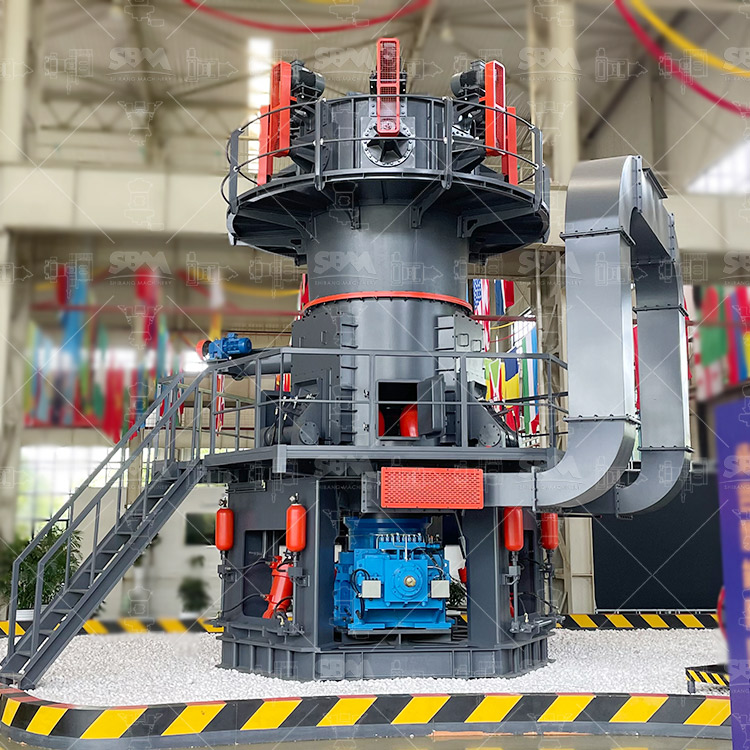
Technical Advantages of HLM Vertical Roller Mills in Iron Ore Processing
Energy Efficiency and Operational Economics
HLM Vertical Roller Mills demonstrate remarkable energy efficiency compared to traditional grinding systems. The specific power consumption for iron ore grinding typically ranges between 15-30% lower than conventional ball mills, depending on the ore characteristics and target fineness. This reduction translates to substantial cost savings, particularly in regions with high electricity prices. The efficient grinding mechanism, which utilizes the material bed compression principle rather than impact or attrition alone, contributes significantly to this energy advantage.
The drying capability integrated within HLM mills provides additional economic benefits. When processing iron ores with moisture content up to 15%, the mill can simultaneously dry and grind the material using waste heat from other processes or auxiliary air heaters. This eliminates the need for separate drying equipment, reducing both capital investment and operational costs. The ability to process moist materials without pre-drying stages streamlines the overall production process and enhances plant availability.
Product Quality and Process Control
One of the standout features of HLM Vertical Roller Mills in iron concentrate processing is their exceptional control over product characteristics. The integrated dynamic classifiers allow precise adjustment of product fineness, typically ranging from 30 to 325 mesh (600 to 45μm), with special configurations capable of achieving 600 mesh. This precise control ensures optimal liberation of iron minerals from gangue materials, enhancing downstream separation efficiency in magnetic or flotation circuits.
The grinding process in HLM mills produces a more uniform particle size distribution compared to traditional methods. The narrow particle size range reduces overgrinding of valuable iron minerals while ensuring sufficient liberation of locked particles. This results in improved metallurgical performance in subsequent beneficiation stages, ultimately leading to higher iron recovery rates and concentrate grades. The consistent product quality also stabilizes downstream operations, contributing to overall plant performance.
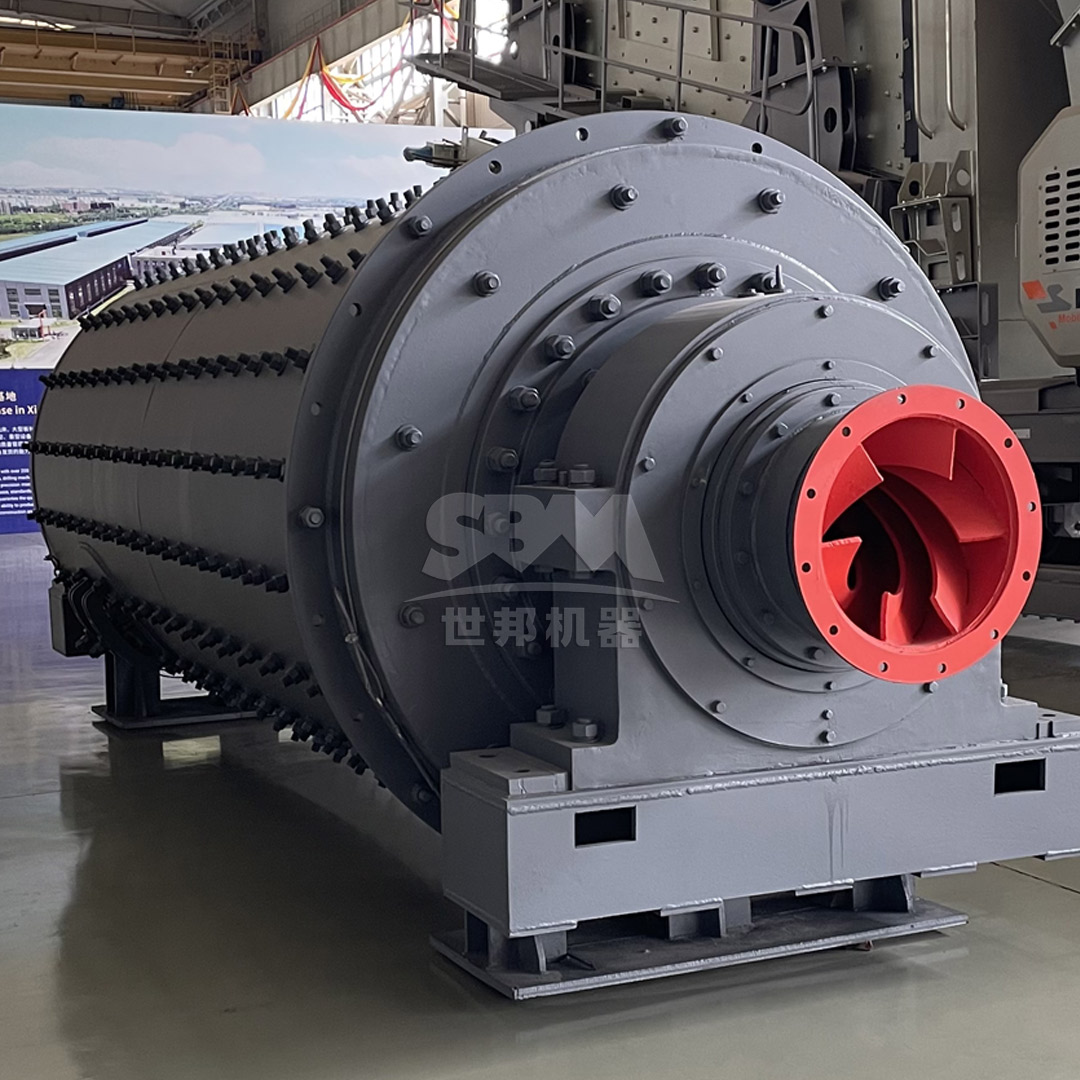
Application in Iron Concentrate Processing Circuits
Integration with Beneficiation Processes
HLM Vertical Roller Mills seamlessly integrate into modern iron ore beneficiation circuits, serving as the primary grinding unit before separation processes. Their operational flexibility allows adaptation to various flow sheet configurations, whether processing hard magnetite ores requiring fine grinding or softer hematite ores where coarser grinds suffice. The mills’ ability to handle variations in feed characteristics makes them particularly suitable for operations processing multiple ore types or dealing with complex mineralogy.
In magnetic separation circuits, the controlled particle size distribution from HLM mills enhances separation efficiency by optimizing the liberation size while minimizing slimes generation. The reduced production of ultra-fine particles (-10μm) compared to ball mills decreases iron losses to tailings and improves water recovery in dewatering circuits. For flotation-based beneficiation, the consistent grind quality and minimal overgrinding contribute to better reagent efficiency and higher concentrate grades.
Environmental Performance and Sustainability
The environmental benefits of using HLM Vertical Roller Mills in iron ore processing extend beyond reduced energy consumption. The fully enclosed system operates under negative pressure, effectively containing dust and preventing emissions. Advanced pulse-jet baghouse filters with collection efficiency exceeding 99.9% ensure that particulate emissions remain well below regulatory limits, typically below 20mg/m³.
Water conservation represents another significant environmental advantage. Dry grinding eliminates the consumption of fresh water for grinding circuits and reduces the volume of tailings requiring impoundment. This is particularly valuable in arid mining regions or operations facing water use restrictions. The reduction in tailings volume also decreases the environmental footprint of storage facilities and associated closure liabilities.
Recommended Equipment for Iron Ore Processing
LM Series Vertical Roller Mill for Primary Grinding
For primary grinding applications in iron ore processing, we highly recommend our LM Series Vertical Roller Mill. This robust system offers exceptional performance characteristics specifically suited to the demands of iron ore processing:
The LM Series features a compact, integrated design that combines crushing, grinding, classification, and drying functions in a single unit. With input size capability up to 50mm and output fineness adjustable from 30 to 325 mesh (special configurations to 600 mesh), this mill handles the complete size reduction requirements for most iron ore processing circuits. The processing capacity ranges from 3 to 250 tons per hour, accommodating operations of various scales.
Key technical advantages include the non-contact design between grinding rollers and the grinding table, which extends wear part life by up to three times compared to conventional mills. The intelligent control system enables expert-level automation with remote operation capability, reducing manual intervention while optimizing performance. Energy consumption is typically 30-40% lower than ball mill systems, delivering significant operational cost savings. The environmental performance includes full negative pressure operation with dust emissions below 20mg/m³ and operating noise levels not exceeding 80dB(A).
SCM Ultrafine Mill for Specialized Applications
For operations requiring ultra-fine grinding of iron ores or processing of special concentrates, our SCM Ultrafine Mill provides an excellent solution. This advanced mill achieves remarkable fineness levels from 325 to 2500 mesh (D97≤5μm) while maintaining high efficiency and reliability.
The SCM Series incorporates several innovative features that make it ideal for demanding iron ore applications. The vertical turbine classifier ensures precise particle size control with no coarse particle contamination, delivering consistently uniform product quality. The special material composition of grinding rollers and rings provides extended service life, significantly reducing maintenance requirements and operating costs. With capacity ranging from 0.5 to 25 tons per hour across different models, the SCM Ultrafine Mill offers flexibility for various production requirements.
Environmental considerations are integral to the SCM design, with pulse dust collection efficiency exceeding international standards and noise levels controlled below 75dB through integrated acoustic enclosures. The intelligent control system automatically monitors and adjusts operating parameters to maintain target product fineness, ensuring consistent performance even with variations in feed characteristics.
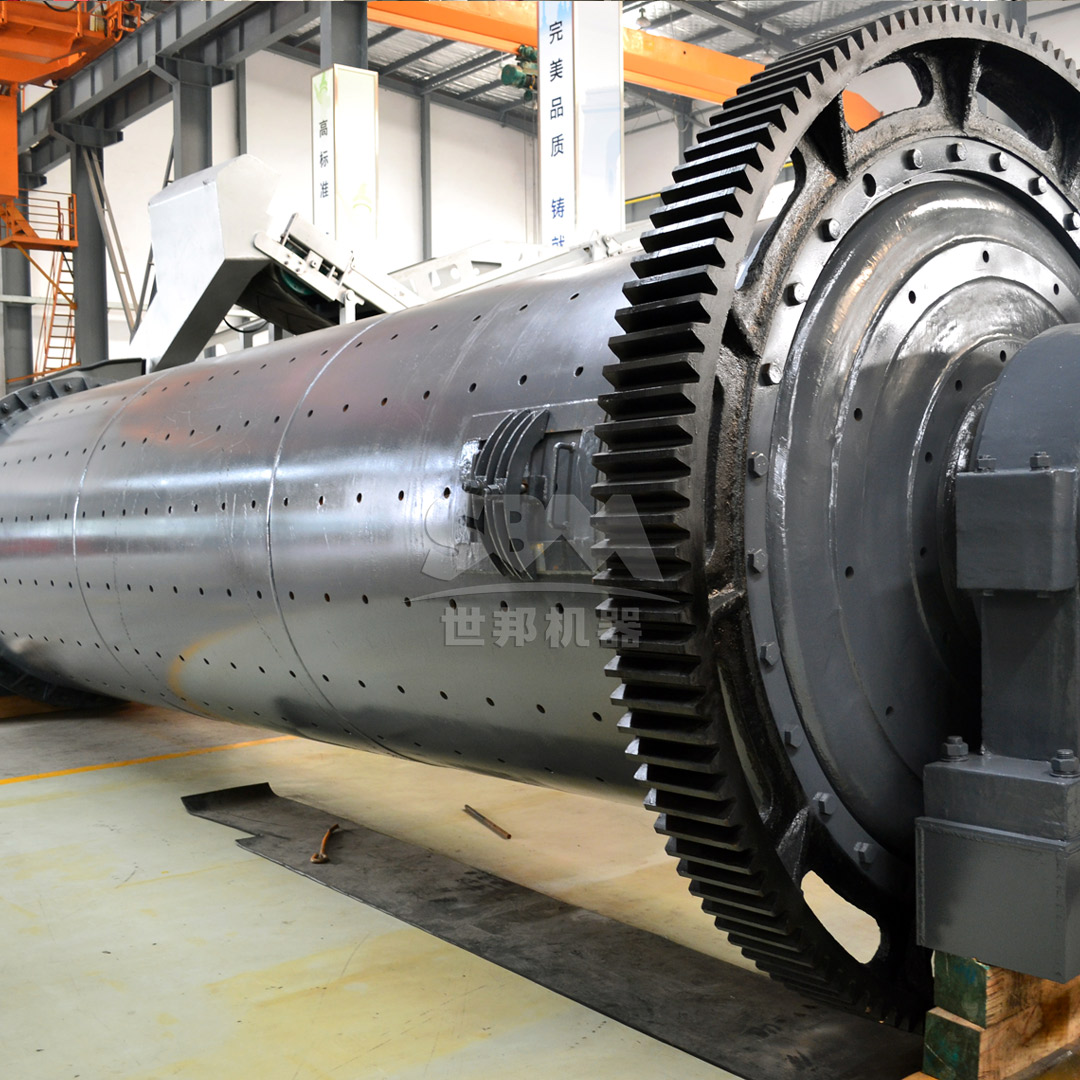
Operational Considerations and Best Practices
Wear Protection and Maintenance Strategies
Implementing effective wear protection is crucial for optimizing the performance and economics of HLM Vertical Roller Mills in iron ore applications. The abrasive nature of iron ores necessitates careful selection of wear materials and systematic maintenance approaches. Modern HLM mills incorporate specialized wear-resistant materials in critical components, including high-chrome alloy grinding rollers and Ni-hard liners in classification zones.
Proactive maintenance strategies, supported by the mills’ monitoring systems, help maximize equipment availability and minimize unplanned downtime. Vibration monitoring, bearing temperature tracking, and pressure differential measurements across the grinding zone provide early warning of potential issues. The modular design of key components, such as grinding roller assemblies, facilitates rapid replacement during planned maintenance shutdowns, reducing overall maintenance time and costs.
Process Optimization and Control Philosophy
Advanced process control strategies significantly enhance the performance of HLM Vertical Roller Mills in iron ore processing. Modern control systems utilize multivariable predictive control algorithms that continuously optimize mill operation based on multiple parameters, including feed rate, grinding pressure, classifier speed, and gas flow. These systems maintain optimal operating conditions despite variations in ore characteristics, ensuring consistent product quality while maximizing throughput and efficiency.
The control philosophy typically prioritizes stability over aggressive optimization, recognizing that consistent operation generally yields better overall performance than frequently adjusting setpoints. Sophisticated interlock systems protect the equipment from operating conditions that could cause damage, while expert system modules provide operational guidance to control room operators. The integration of mill control with upstream and downstream processes further enhances overall circuit performance.
Future Trends in Iron Ore Dry Grinding Technology
The evolution of dry grinding technology for iron ore processing continues, with several emerging trends shaping future developments. Digitalization and Industry 4.0 concepts are increasingly being applied to HLM Vertical Roller Mills, incorporating advanced sensors, data analytics, and machine learning algorithms to further optimize performance. These digital solutions enable predictive maintenance, autonomous operation, and continuous performance improvement through deep analysis of operational data.
Sustainability considerations are driving innovations in energy efficiency and environmental performance. Developments in grinding media materials, classifier designs, and system configurations promise further reductions in specific energy consumption. The integration of renewable energy sources and waste heat recovery systems represents another frontier for improving the environmental footprint of iron ore grinding operations.
As iron ore resources become increasingly complex and lower grade, the demand for efficient, flexible grinding solutions will continue to grow. HLM Vertical Roller Mills, with their demonstrated advantages in energy efficiency, product quality, and environmental performance, are well-positioned to meet these evolving challenges and remain at the forefront of iron ore processing technology.