High Specific Surface Area Fly Ash Preparation Process and Equipment
Introduction
High specific surface area fly ash has emerged as a critical material in various industrial applications, particularly in construction, cement production, and advanced materials manufacturing. The preparation of fly ash with enhanced surface area requires specialized equipment and precise processing parameters to achieve the desired particle size distribution and reactivity. This article explores the comprehensive process of producing high-quality fly ash and introduces advanced milling solutions that optimize production efficiency and product quality.
Understanding Fly Ash Properties and Requirements
Fly ash, a byproduct of coal combustion in thermal power plants, possesses unique pozzolanic properties that make it valuable as a supplementary cementitious material. The specific surface area of fly ash directly influences its reactivity and performance in concrete mixtures. Conventional fly ash typically exhibits surface areas ranging from 300-500 m²/kg, while high-performance applications demand values exceeding 600 m²/kg. Achieving these elevated surface areas requires sophisticated grinding technology capable of producing ultra-fine particles while maintaining consistent quality and production efficiency.
Key Process Parameters for High Surface Area Fly Ash Production
The production of high specific surface area fly ash involves several critical parameters that must be carefully controlled:
Particle Size Distribution
Optimal fly ash performance requires a well-graded particle size distribution with a significant proportion of particles below 10 micrometers. The target D97 value (97% of particles finer than specified size) typically ranges from 5-45μm depending on application requirements. Narrow particle size distributions ensure uniform reactivity and improved packing density in cementitious systems.
Moisture Content Control
Maintaining appropriate moisture levels (typically below 1%) is essential for efficient grinding operations and final product quality. Excess moisture can lead to agglomeration, reduced grinding efficiency, and compromised flow properties. Advanced drying systems integrated with grinding equipment ensure optimal moisture control throughout the process.
Chemical Composition Preservation
The grinding process must not alter the chemical composition or amorphous structure of fly ash, which is crucial for its pozzolanic properties. Controlled grinding temperatures and selective separation techniques help preserve the glassy phase content that contributes to reactivity.
Advanced Grinding Equipment for Fly Ash Processing
Selecting appropriate grinding equipment is paramount for achieving high specific surface area fly ash. The industry has evolved from traditional ball mills to more efficient vertical mills and specialized ultra-fine grinding systems.
SCM Series Ultrafine Mill: The Optimal Solution for High-Surface Area Applications
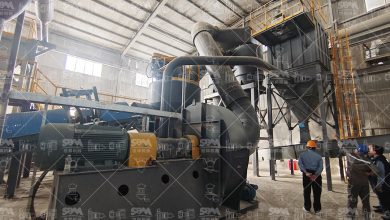
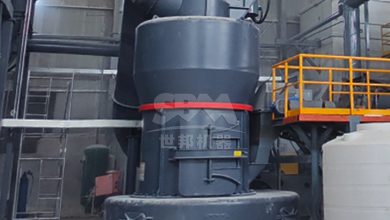
For applications requiring the finest particle sizes and highest surface areas, our SCM Series Ultrafine Mill represents the state-of-the-art in fly ash processing technology. This advanced system delivers exceptional performance with output fineness ranging from 325-2500 mesh (D97≤5μm), making it ideal for producing ultra-high surface area fly ash.
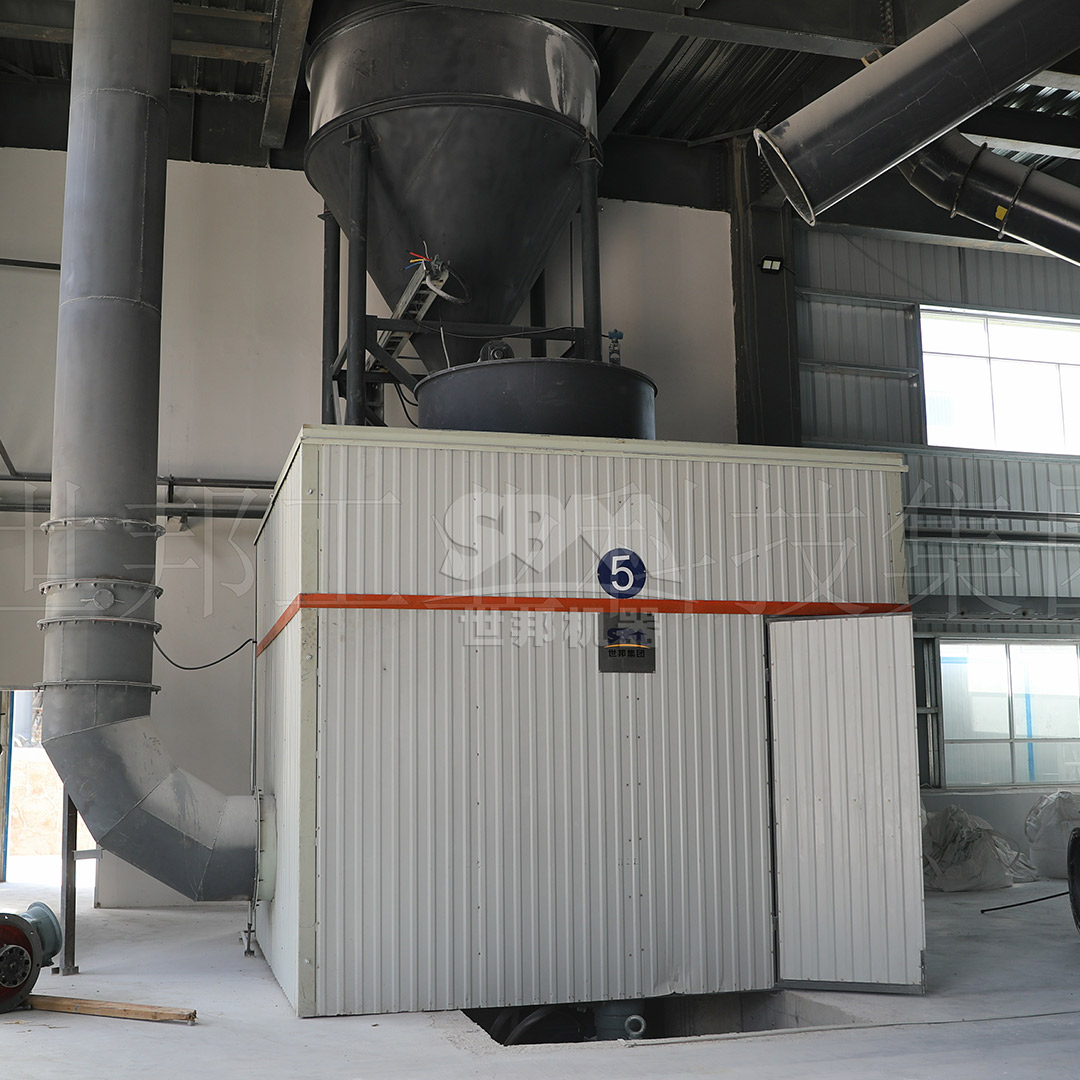
The SCM Ultrafine Mill incorporates several technological innovations that make it particularly suitable for fly ash processing:
- High-Efficiency Grinding Mechanism: The unique three-layer grinding ring design and optimized roller configuration achieve grinding efficiencies twice that of conventional jet mills while reducing energy consumption by 30%.
- Precision Classification System: The integrated vertical turbine classifier ensures precise particle size control with no coarse powder contamination, guaranteeing uniform product quality.
- Enhanced Durability: Specialized materials for grinding rollers and rings extend service life significantly, while the innovative bearing-free screw grinding chamber design ensures stable operation under demanding conditions.
- Environmental Compliance: With pulse dust collection efficiency exceeding international standards and noise levels below 75dB, the SCM series meets the most stringent environmental regulations.
The operational flexibility of the SCM series, with models ranging from SCM800 (0.5-4.5 ton/h capacity) to SCM1680 (5.0-25 ton/h capacity), allows processors to select equipment precisely matched to their production requirements.
LM Series Vertical Roller Mill: High-Capacity Production Solution
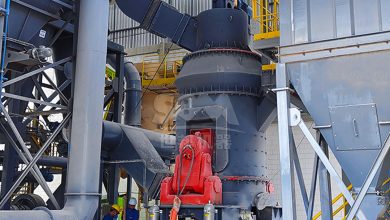
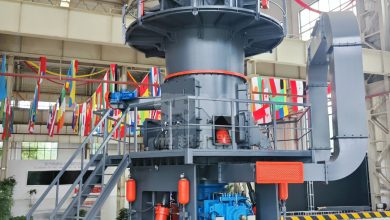
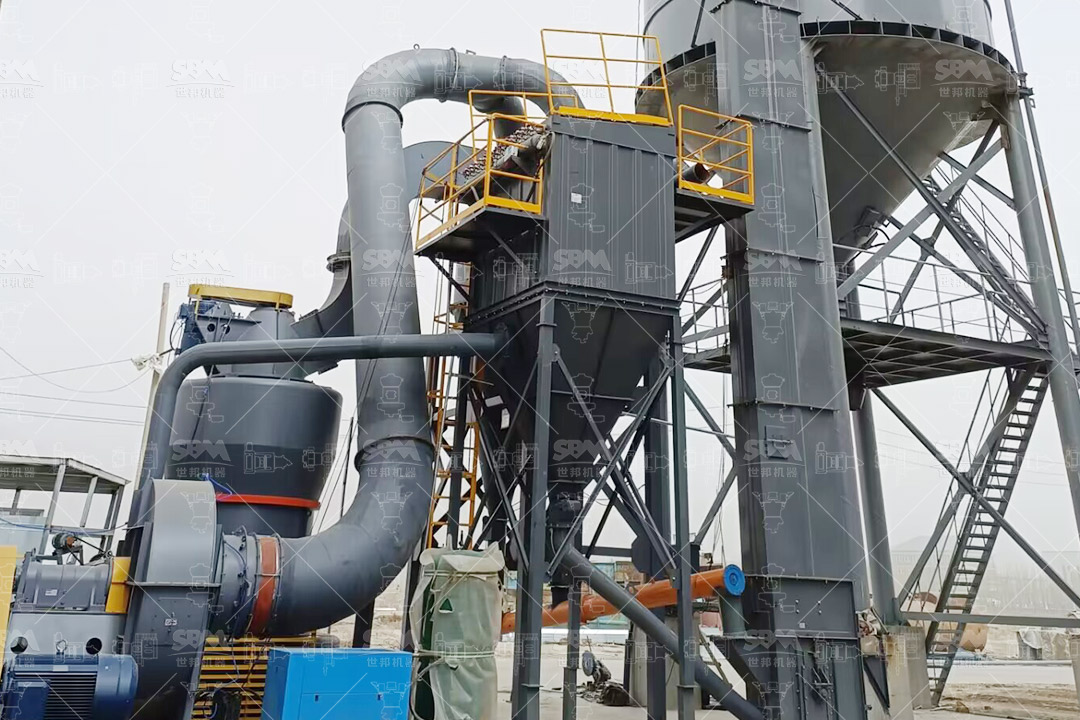
For large-scale production of high surface area fly ash, our LM Series Vertical Roller Mill offers unparalleled efficiency and reliability. This system integrates multiple functions including grinding, drying, classification, and conveyance in a single compact unit, significantly reducing footprint and infrastructure requirements.
Key advantages of the LM Series for fly ash processing include:
- Integrated System Design: Combining crushing, grinding, and separation functions reduces space requirements by 50% and lowers infrastructure costs by 40% compared to traditional systems.
- Optimized Energy Consumption: The non-contact design between grinding rollers and the grinding table extends wear part life up to three times while reducing energy consumption by 30-40% compared to ball mill systems.
- Intelligent Control Systems: Expert-level automatic control supports remote and local operation modes with real-time monitoring of critical parameters, minimizing operator intervention.
- Environmental Performance: Full sealed negative pressure operation ensures dust emissions below 20mg/m³ with operating noise levels not exceeding 80dB(A).
The LM series offers multiple configurations specifically designed for mineral processing applications, with models such as LM130K to LM280K providing capacities from 10-170 ton/h and output fineness from 170-45μm (80-325 mesh).
Process Optimization Strategies
Maximizing the efficiency of high surface area fly ash production requires careful optimization of several process parameters:
Feed Material Preparation
Proper preparation of raw fly ash before grinding significantly impacts final product quality and processing efficiency. Pre-drying to moisture levels below 5% and removal of oversized particles or contaminants ensures consistent grinding performance and reduces wear on grinding components.
Classification System Optimization
Advanced classification systems integrated with grinding mills enable precise control over particle size distribution. Dynamic classifiers with adjustable rotor speeds and blade configurations allow real-time adjustment of cut points to meet specific surface area targets.
Energy Management
Implementing energy recovery systems and optimizing grinding parameters can reduce specific energy consumption by 20-30%. Heat recovery from process gases for pre-drying applications and variable frequency drives on auxiliary equipment contribute significantly to overall energy efficiency.
Quality Control and Testing Protocols
Consistent production of high-quality fly ash requires rigorous quality control measures throughout the manufacturing process:
Particle Characterization
Advanced analytical techniques including laser diffraction for particle size distribution, BET surface area analysis, and scanning electron microscopy for morphological assessment provide comprehensive characterization of fly ash properties.
Performance Testing
Standardized testing protocols according to ASTM C618, EN 450, and other relevant standards ensure compliance with industry requirements for pozzolanic activity, water demand, and setting characteristics.
Case Study: Implementation of SCM Ultrafine Mill in Fly Ash Processing
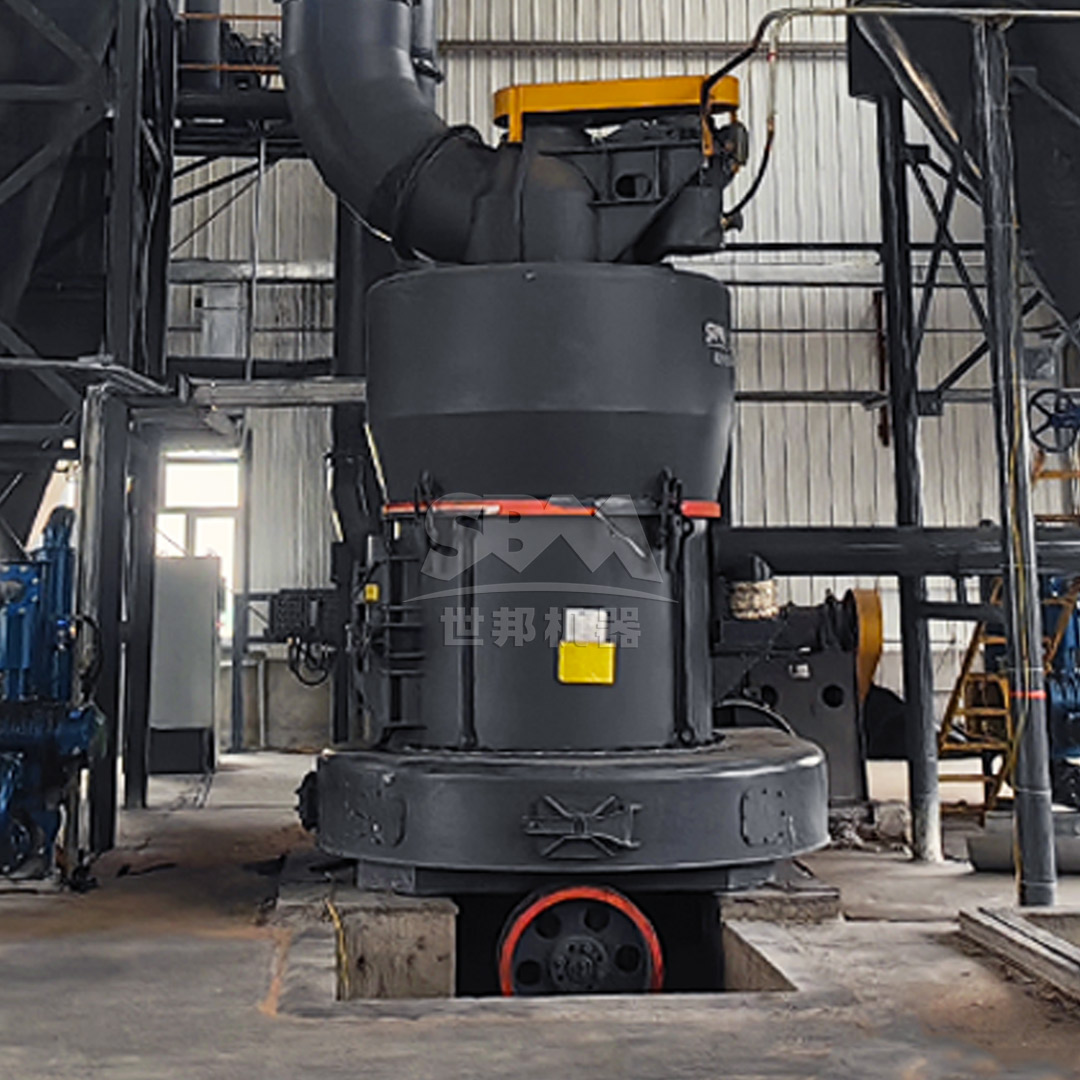
A recent installation of our SCM1000 Ultrafine Mill at a major fly ash processor demonstrated remarkable improvements in product quality and operational efficiency. The system achieved consistent production of fly ash with specific surface area exceeding 800 m²/kg while maintaining throughput of 6.5 ton/h. Energy consumption was reduced by 35% compared to the previous ball mill system, and product consistency improved significantly with variation in Blaine fineness reduced from ±50 to ±15 m²/kg.
Future Trends in High Surface Area Fly Ash Production
The evolution of fly ash processing technology continues with several emerging trends:
Digitalization and Industry 4.0 Integration
Advanced process control systems incorporating artificial intelligence and machine learning algorithms enable predictive maintenance, real-time optimization, and remote operation capabilities. Our grinding equipment is designed with connectivity features that support seamless integration into smart factory environments.
Sustainable Processing Technologies
Increasing emphasis on circular economy principles drives development of processing technologies with reduced carbon footprint, water consumption, and waste generation. The high efficiency of modern grinding systems contributes significantly to sustainability objectives in fly ash utilization.
Conclusion
The production of high specific surface area fly ash requires sophisticated equipment capable of precise particle size control while maintaining operational efficiency and product consistency. Our SCM Series Ultrafine Mill and LM Series Vertical Roller Mill represent cutting-edge solutions specifically engineered to meet these challenges. With advanced grinding mechanisms, precision classification systems, and intelligent control capabilities, these systems enable producers to achieve superior product quality while optimizing energy consumption and operational costs. As market demands for high-performance fly ash continue to grow, investing in advanced processing technology becomes increasingly essential for maintaining competitive advantage in this dynamic industry.