High-Quality Kaolin Processing: Advanced Deep Processing Techniques and Applications
Introduction: The Critical Role of Processing in Kaolin Value Enhancement
Kaolin, a naturally occurring white clay mineral primarily composed of kaolinite, is a cornerstone material for numerous high-value industries. Its inherent properties of whiteness, fine particle size, chemical inertness, and plasticity make it indispensable. However, the raw kaolin extracted from mines is far from the refined, specification-grade product demanded by modern applications. The journey from crude clay to a high-performance functional filler or coating pigment hinges entirely on sophisticated processing technology. Advanced deep processing techniques are not merely value-adds; they are essential for unlocking kaolin’s full potential, tailoring its physical and chemical characteristics to meet the exacting standards of paper, ceramics, paints, plastics, rubber, and advanced materials like catalysts and pharmaceuticals. This article delves into the core stages of high-quality kaolin processing and explores the advanced milling technologies that define modern production lines.
The Deep Processing Chain: From Purification to Functionalization
The transformation of raw kaolin involves a multi-stage process designed to remove impurities, control particle size distribution, modify surface chemistry, and enhance specific properties.
1. Beneficiation and Purification
The first step involves removing associated impurities such as quartz, feldspar, mica, and iron/titanium oxides. Techniques include:
- Hydrocycloning: Utilizes centrifugal force to separate particles based on size and density, effectively removing coarse grit and sand.
- Magnetic Separation: High-gradient magnetic separators (HGMS) are critical for removing fine, weakly magnetic impurities like iron oxides (hematite) and titanium dioxide (rutile), which are detrimental to brightness and color.
- Selective Flocculation: Uses polymers to selectively aggregate and settle kaolin particles while leaving impurities in suspension, or vice versa, for ultra-fine purification.
- Chemical Bleaching: Reductive bleaching with sodium dithionite or oxidative processes are employed to reduce ferric iron to the more soluble ferrous state, significantly improving brightness.
2. Delamination and Particle Size Control
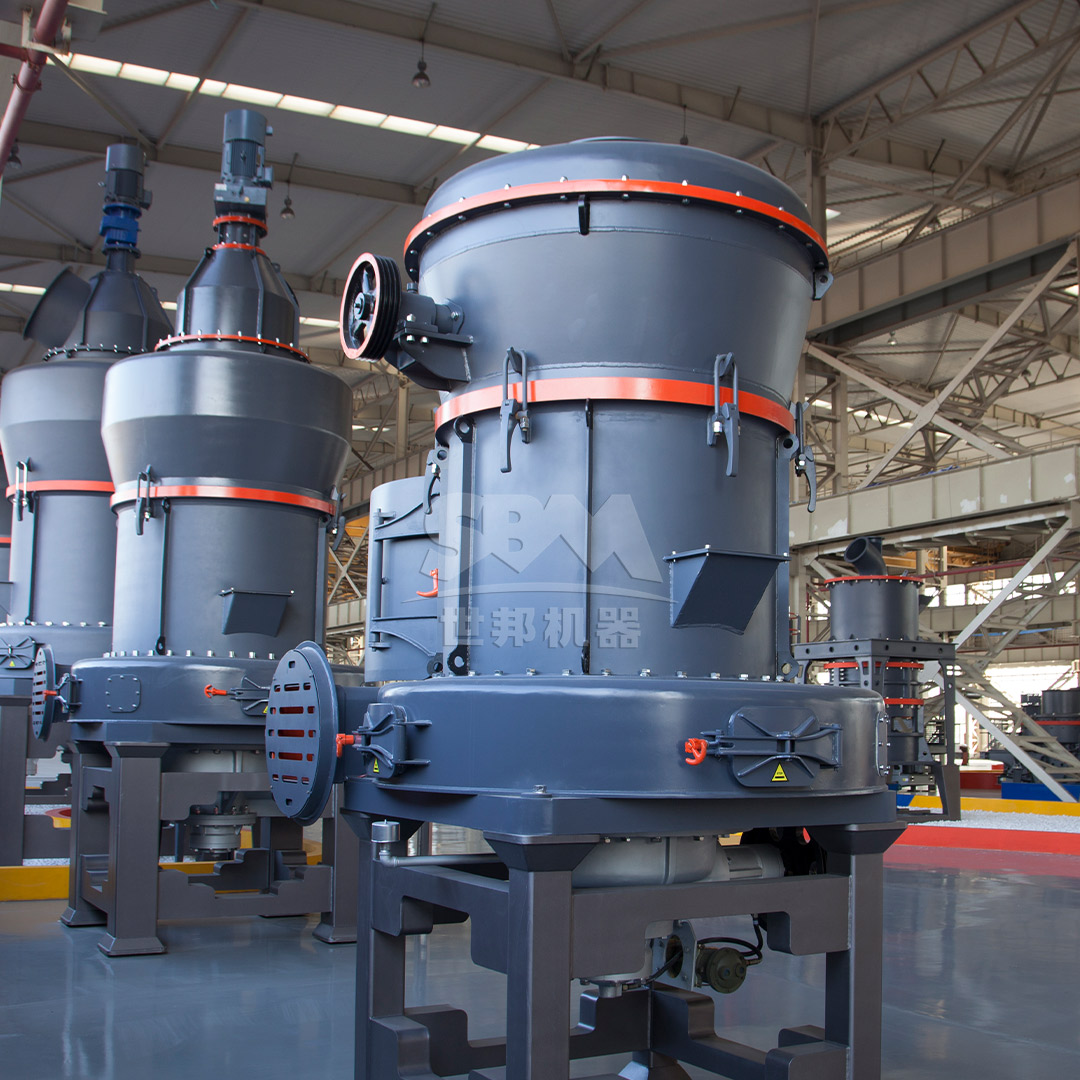
Natural kaolin exists as stacked platelets. Delamination, or particle size reduction, is crucial for enhancing properties like opacity, gloss, and reinforcement in composites. This is where advanced comminution technology becomes paramount. The goal is to efficiently separate the kaolin stacks into thin, individual platelets (delamination) and achieve a narrow, controlled particle size distribution without damaging the platelet structure.
3. Classification and Fineness Control
Following size reduction, precise classification is necessary to remove oversize particles and achieve the target fineness. Advanced air classifiers integrated into milling systems allow for real-time adjustment of the cut point, ensuring product consistency. Products are often categorized by their particle size, such as fine (less than 2μm) or ultra-fine (less than 1μm) fractions, which command premium prices.
4. Surface Modification and Calcination
To expand kaolin’s utility in polymer and rubber matrices, surface modification with silanes or other coupling agents is performed. This improves compatibility, dispersion, and mechanical properties in the composite. Calcination, heating kaolin to high temperatures (1000-1100°C), drives off hydroxyl groups, transforming it into metakaolin or fully calcined kaolin. This process enhances brightness, opacity, abrasiveness, and electrical properties, making it ideal for paper coatings, cables, and high-performance rubber.
The Heart of Deep Processing: Advanced Milling Technologies
The selection of grinding equipment is the most critical decision in a kaolin processing plant. It directly impacts product quality, energy efficiency, and operational cost. The industry has moved beyond traditional ball mills to more efficient, precise, and controllable technologies.
Challenges in Kaolin Milling
Kaolin milling presents unique challenges: the need for gentle delamination to preserve platelet structure, achieving ultra-fine fineness (often down to 2μm or less), maintaining low iron contamination from wear parts, and managing the inherent moisture and stickiness of clay.
Spotlight on Advanced Milling Solutions
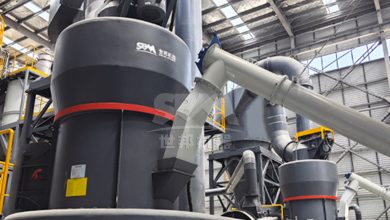
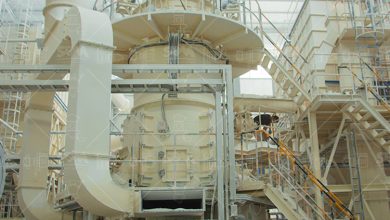
Modern kaolin processors require systems that offer high efficiency, precise classification, durability, and environmental compliance. Two standout technologies that meet these demands are vertical roller mills for high-capacity production of fine kaolin and ultrafine mills for producing high-value, sub-micron products.
Solution for High-Capacity Fine Grinding: The MTW Series European Trapezium Mill
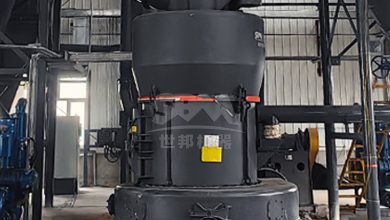
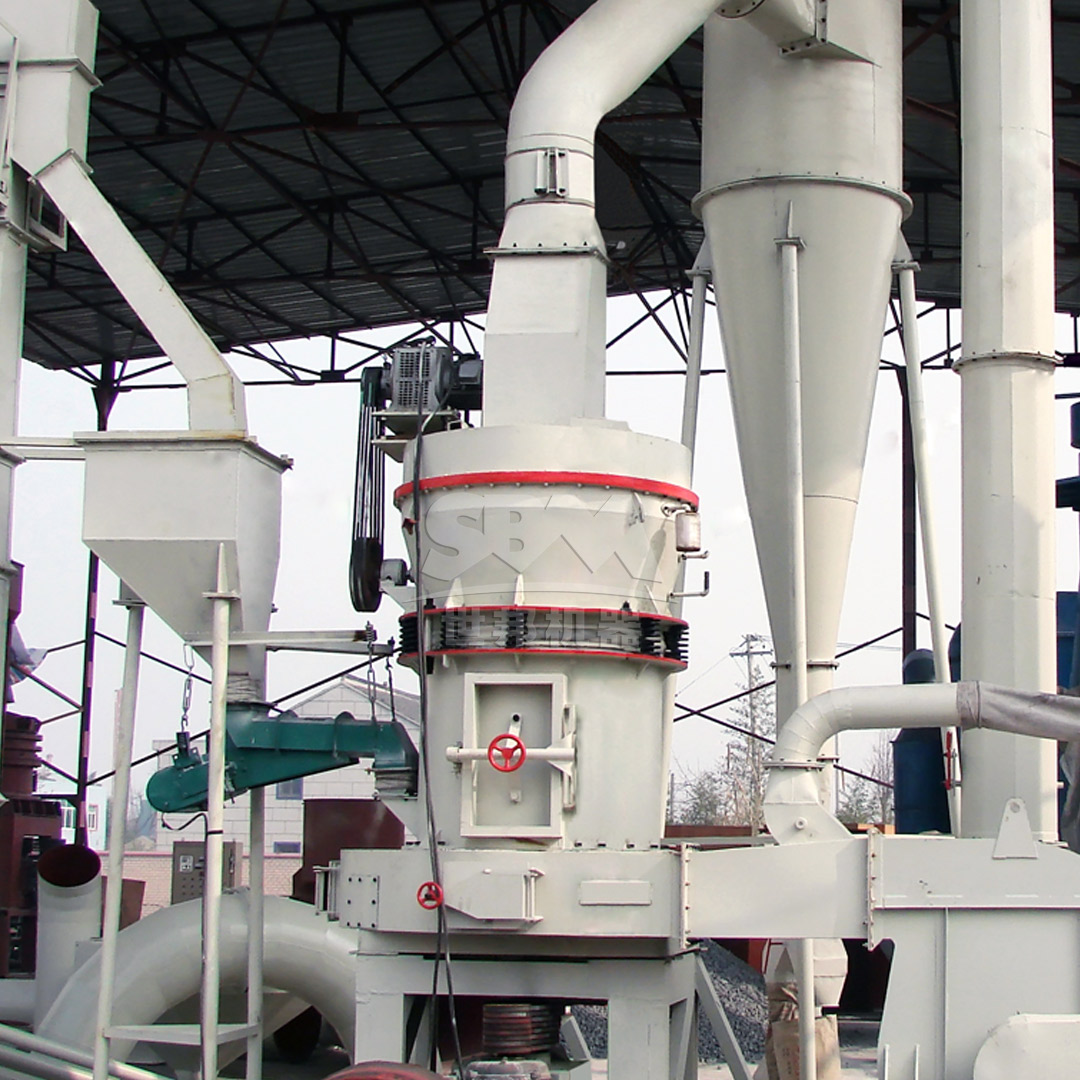
For processing kaolin to fineness levels between 30-325 mesh (600-45μm), particularly in the initial or intermediate grinding stages for calcined or filler-grade kaolin, the MTW Series European Trapezium Mill represents an optimal balance of capacity, efficiency, and reliability. Its curved shovel design ensures efficient feeding of material into the grinding zone, while the integral bevel gear drive achieves a remarkable 98% transmission efficiency, translating directly into lower energy consumption per ton of product. The wear-resistant volute structure and optimized arc air duct minimize pressure loss and maintenance downtime. With models like the MTW215G offering capacities up to 45 tons per hour, this mill is engineered for large-scale, continuous production where consistent quality and operational economy are key.
Solution for Premium Ultra-Fine Kaolin: The SCM Series Ultrafine Mill
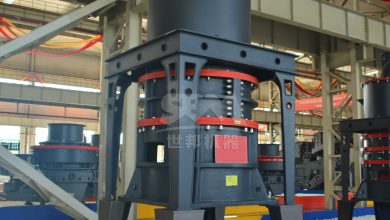
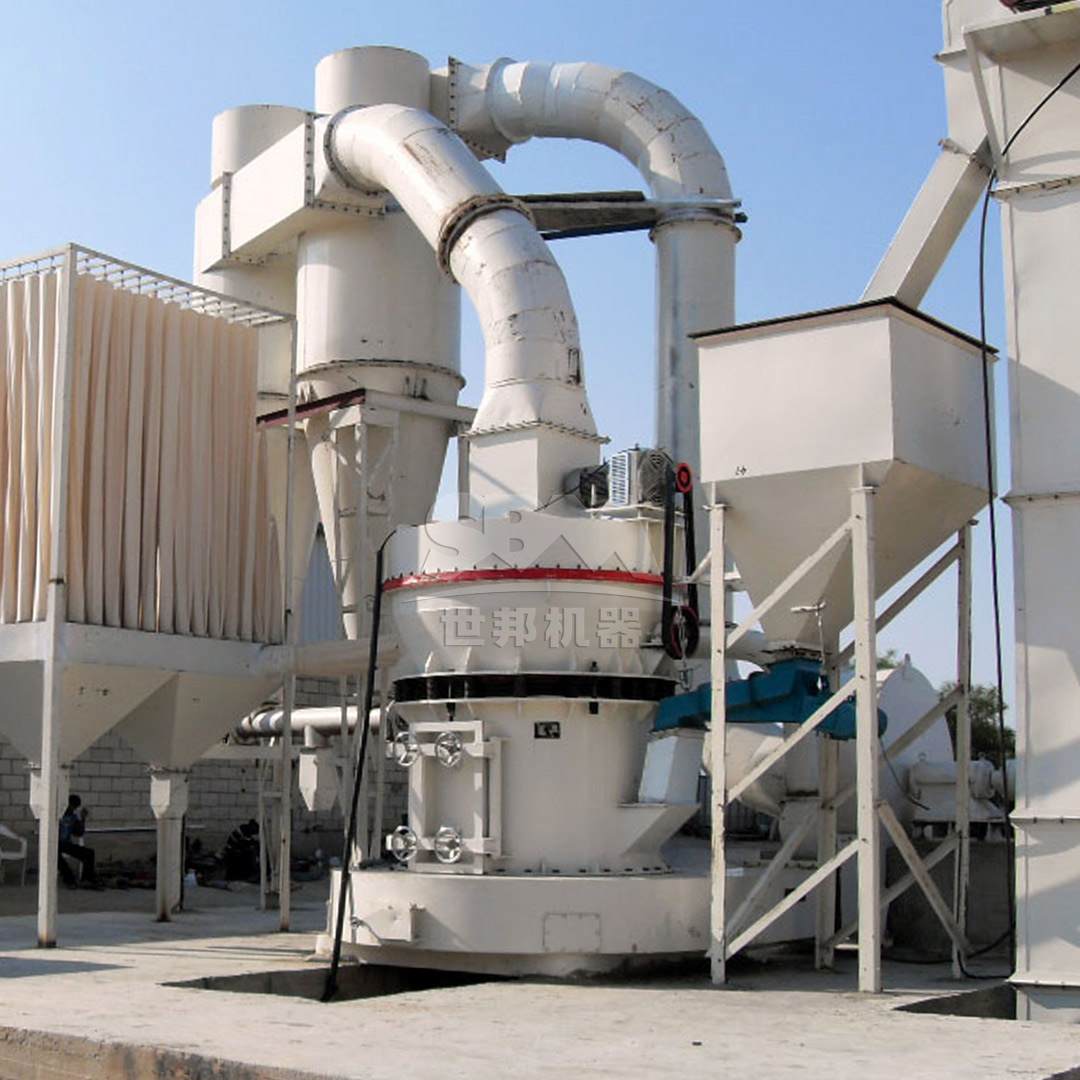
To produce the highest value coating-grade and functional kaolin with fineness reaching 2500 mesh (5μm), the SCM Series Ultrafine Mill is the technology of choice. This mill excels in the gentle yet efficient delamination and ultra-fine grinding of kaolin. Its core advantage lies in the high-precision vertical turbine classifier, which ensures a sharp particle size cut and delivers a uniform finished product free of coarse particles—a critical requirement for paper coating applications. The grinding chamber’s shaftless screw design and special material rollers/rings provide exceptional durability against abrasion. Furthermore, its intelligent control system with automatic granularity feedback ensures stable product quality. With energy consumption reportedly 30% lower than traditional jet mills and capacities ranging from 0.5 to 25 t/h (as in the SCM1680 model), the SCM Series is a cornerstone for producers targeting the premium segment of the market, where product performance and consistency are non-negotiable.
Applications of Deep-Processed Kaolin
The advanced processing techniques enable kaolin to serve as a high-performance material:
- Paper Industry: Ultra-fine, delaminated kaolin provides superior opacity, gloss, and printability as a coating pigment. Calcined kaolin enhances brightness and ink holdout.
- Paints & Coatings: Fine-particle kaolin acts as an extender and opacifier, improving suspension, brushability, and film integrity.
- Polymers & Rubber: Surface-modified kaolin reinforces plastics and rubber, improving tensile strength, tear resistance, and dimensional stability.
- Ceramics: Purified kaolin provides plasticity, strength, and whiteness to porcelain, sanitaryware, and technical ceramics.
- Advanced Materials: High-purity kaolin is a precursor for zeolites and catalysts. Metakaolin is a key supplementary cementitious material (SCM) in high-performance concrete.
Conclusion: The Future is in Precision Processing
The kaolin industry’s future is inextricably linked to advancements in deep processing technology. The shift from being a commodity filler to a high-value, engineered material demands equipment that offers precision, intelligence, and sustainability. Investing in advanced milling systems like the MTW Series for robust, efficient fine grinding and the SCM Series for cutting-edge ultra-fine production is not merely an operational upgrade—it is a strategic move to capture greater market share in the high-margin, technology-driven applications of tomorrow. By mastering these advanced techniques, kaolin producers can fully unlock the latent value within this versatile and essential mineral.