
High-Quality Kaolin Powder Production Process with Vertical Roller Mill Plant
Kaolin, also known as china clay, is a versatile industrial mineral prized for its whiteness, fine particle size, and chemical inertness. Its applications span from paper coating and fillers to ceramics, paints, plastics, and advanced materials. The quality and value of kaolin are intrinsically linked to its particle size distribution (PSD), brightness, and purity. Achieving the precise fineness and consistent quality demanded by modern industries requires advanced grinding technology. This article delves into the sophisticated production process for high-quality kaolin powder, with a particular focus on the pivotal role of the Vertical Roller Mill (VRM) plant as the core grinding solution.
1. From Raw Ore to Refined Feed: Pre-Processing Stages
The journey to premium kaolin powder begins long before grinding. Raw kaolin ore is typically beneficiated to remove impurities like quartz, mica, and iron oxides. This process often involves crushing, blunging, degritting, magnetic separation, and bleaching. The output is a refined kaolin slurry or filter cake with a moisture content suitable for drying. For dry grinding processes, this material is then fed into industrial dryers to achieve a consistent, low moisture feed stock (typically below 2%). Proper pre-processing is critical, as it ensures the grinding system receives a uniform material, maximizing efficiency and final product quality.
2. The Heart of the Process: The Vertical Roller Mill Plant
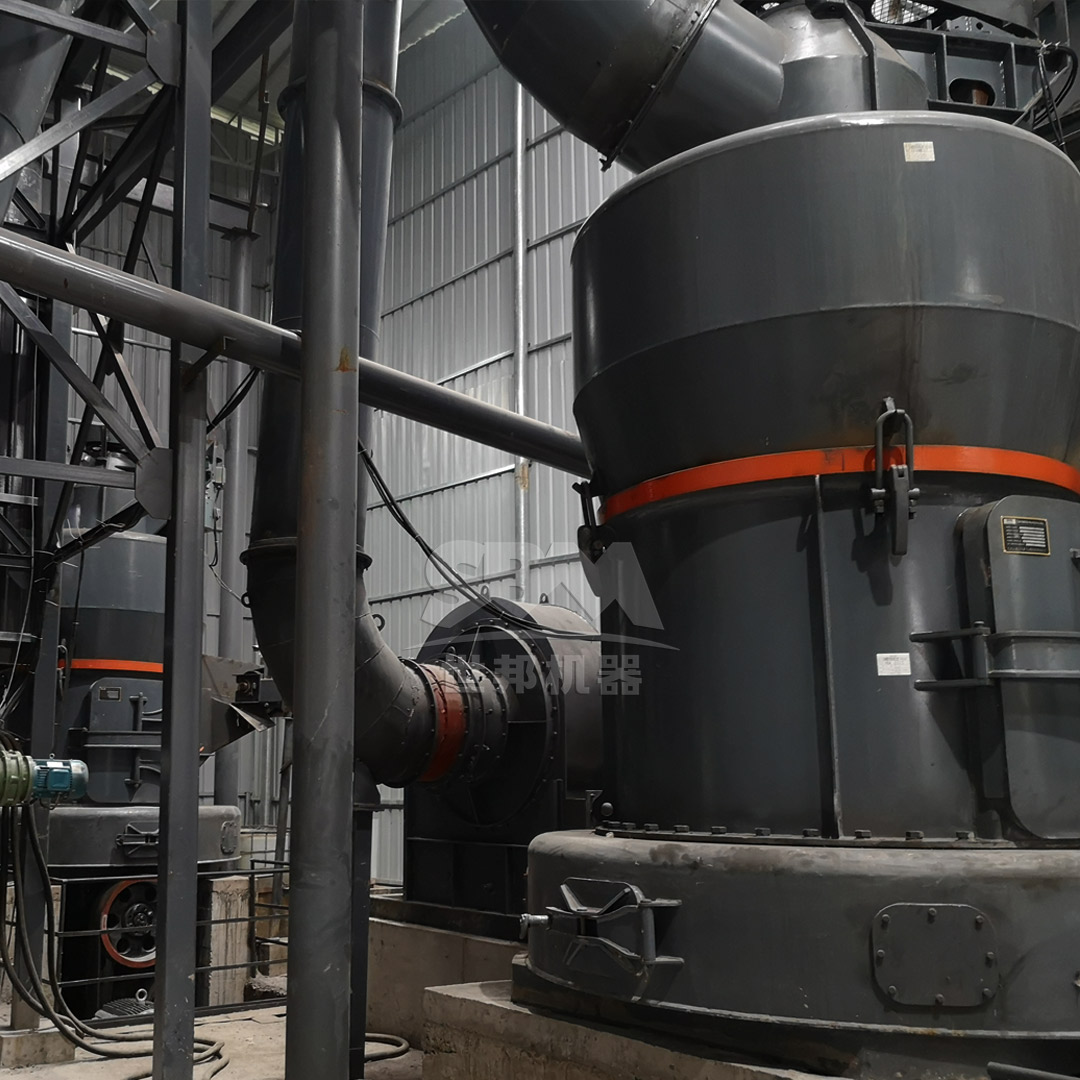
The Vertical Roller Mill (VRM) has emerged as the technology of choice for large-scale, efficient kaolin grinding. Unlike traditional ball mills, a VRM integrates multiple functions—drying, grinding, classification, and material conveying—into a single, compact unit. This integrated design offers unparalleled advantages for kaolin processing.
2.1 Working Principle of a VRM for Kaolin
In a VRM system, the prepared kaolin feed is introduced onto a rotating grinding table via a central feed pipe. Centrifugal force spreads the material evenly under the grinding rollers. These rollers, hydraulically loaded, apply high pressure to the material bed, causing inter-particle comminution—a highly efficient grinding mechanism. Simultaneously, hot gas (typically from a hot air generator) is injected into the mill housing, drying the kaolin as it is ground. The fine, dry particles are entrained in the gas stream and transported upwards to an integrated, high-efficiency classifier.
2.2 Precision Classification: The Key to Fineness Control
The dynamic classifier is the brain of the fineness control system. It uses rotating blades or a turbine to create a centrifugal field. Particles finer than the target cut point pass through the classifier and are carried to the downstream dust collection system (cyclones and bag filters). Coarser particles are rejected by the classifier and fall back onto the grinding table for further size reduction. This continuous internal circulation ensures a narrow, consistent particle size distribution, which is paramount for high-value kaolin applications like paper coating.
3. Why Vertical Roller Mills Dominate Kaolin Grinding
The superiority of VRM technology for kaolin is evidenced by several compelling benefits:
- High Grinding Efficiency & Energy Savings: The bed-compression grinding principle consumes significantly less energy (typically 30-50% less) than ball mills for the same output fineness. This translates to drastically lower operating costs.
- Excellent Drying Capability: The direct contact between the material and large volumes of hot gas within the mill allows for efficient drying of the filter cake in a single step, eliminating the need for a separate, energy-intensive drying plant.
- Compact Footprint & Simple Layout: The integrated design reduces the plant’s footprint by up to 50% compared to a ball mill circuit, leading to lower civil engineering costs.
- Precise Product Control: The dynamic classifier allows for quick and easy adjustment of product fineness (from 30 mesh to 600 mesh) without stopping the mill, ensuring flexibility to meet different market specifications.
- Low Noise & Environmental Compliance: VRMs operate with lower noise levels and, when coupled with high-efficiency pulse jet bag filters, ensure dust emissions are well below international environmental standards.
4. Optimizing the Kaolin VRM Plant: Key Considerations
To maximize the performance of a VRM for kaolin, several factors must be optimized:
- Grinding Pressure & Bed Stability: Optimal hydraulic pressure must be maintained to ensure a stable material bed for efficient grinding without causing excessive vibration.
- Gas Flow & Temperature: The hot gas volume and temperature must be precisely controlled to achieve the required drying rate without overheating the product, which could affect kaolin’s brightness or crystal structure.
- Wear Part Management: While VRMs are designed for low wear, the selection of high-chrome or ceramic materials for rollers and table segments is crucial for longevity, especially when processing abrasive impurities.
- Automation & Process Control: A modern Distributed Control System (DCS) is essential for stabilizing the mill, optimizing production parameters, and ensuring consistent product quality with minimal manual intervention.
5. Recommended Grinding Solutions for Kaolin
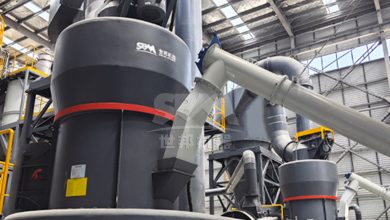
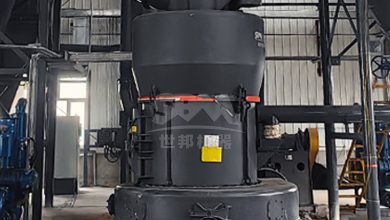
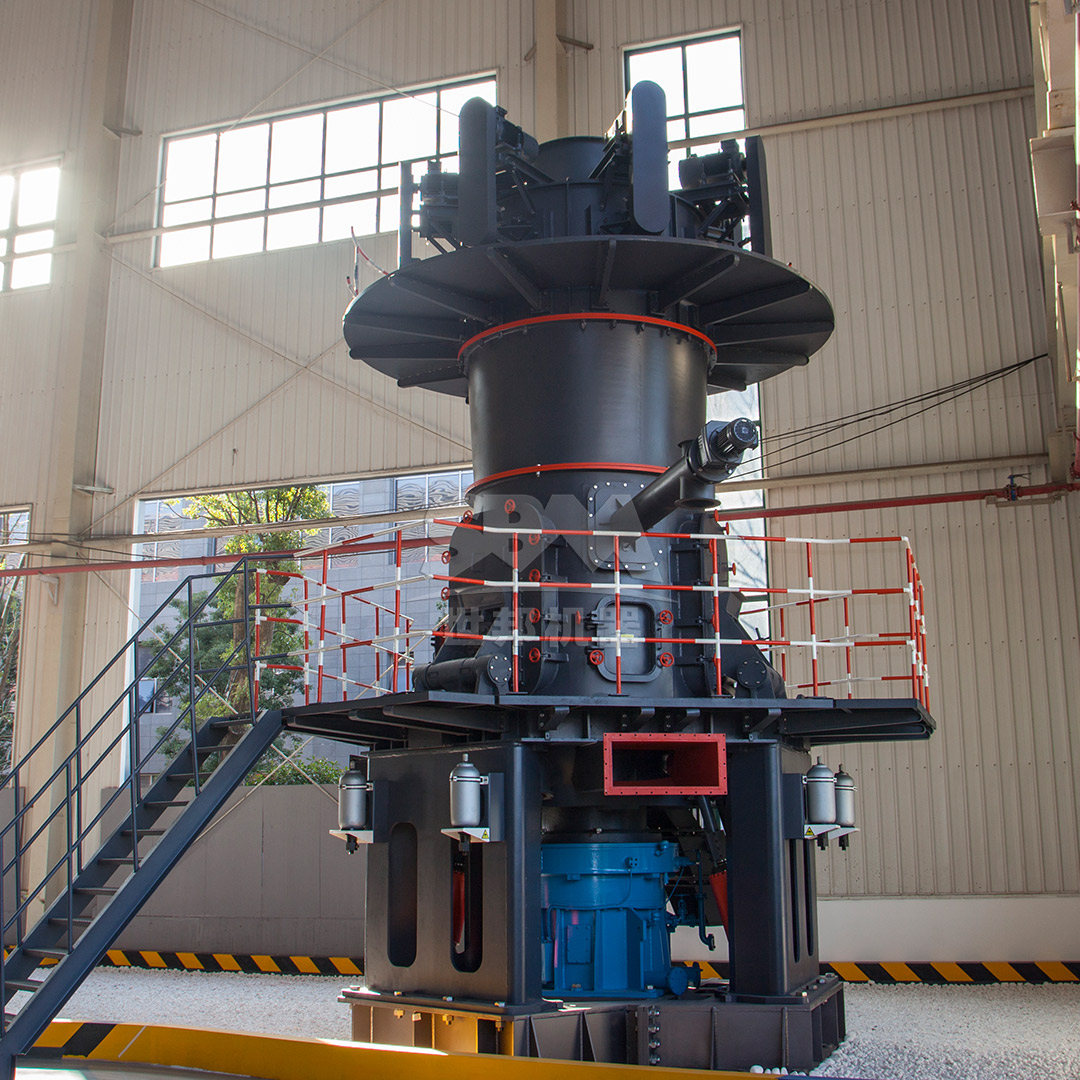
Selecting the right mill is critical for project success. For high-volume production of kaolin powder in the range of 30 to 325 mesh (600-45μm), our LM Series Vertical Roller Mill stands out as an ideal solution. Specifically, the LM190K model offers a perfect balance of capacity and fineness control for mid-to-large scale kaolin plants. With a grinding table diameter of 1900mm, it can process up to 68 tons per hour, achieving fineness between 170-40μm. Its integrated design reduces infrastructure costs by 40%, and its intelligent control system allows for expert-level automation and remote monitoring, ensuring stable, high-quality output with low operational overhead.
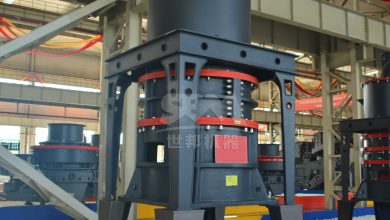
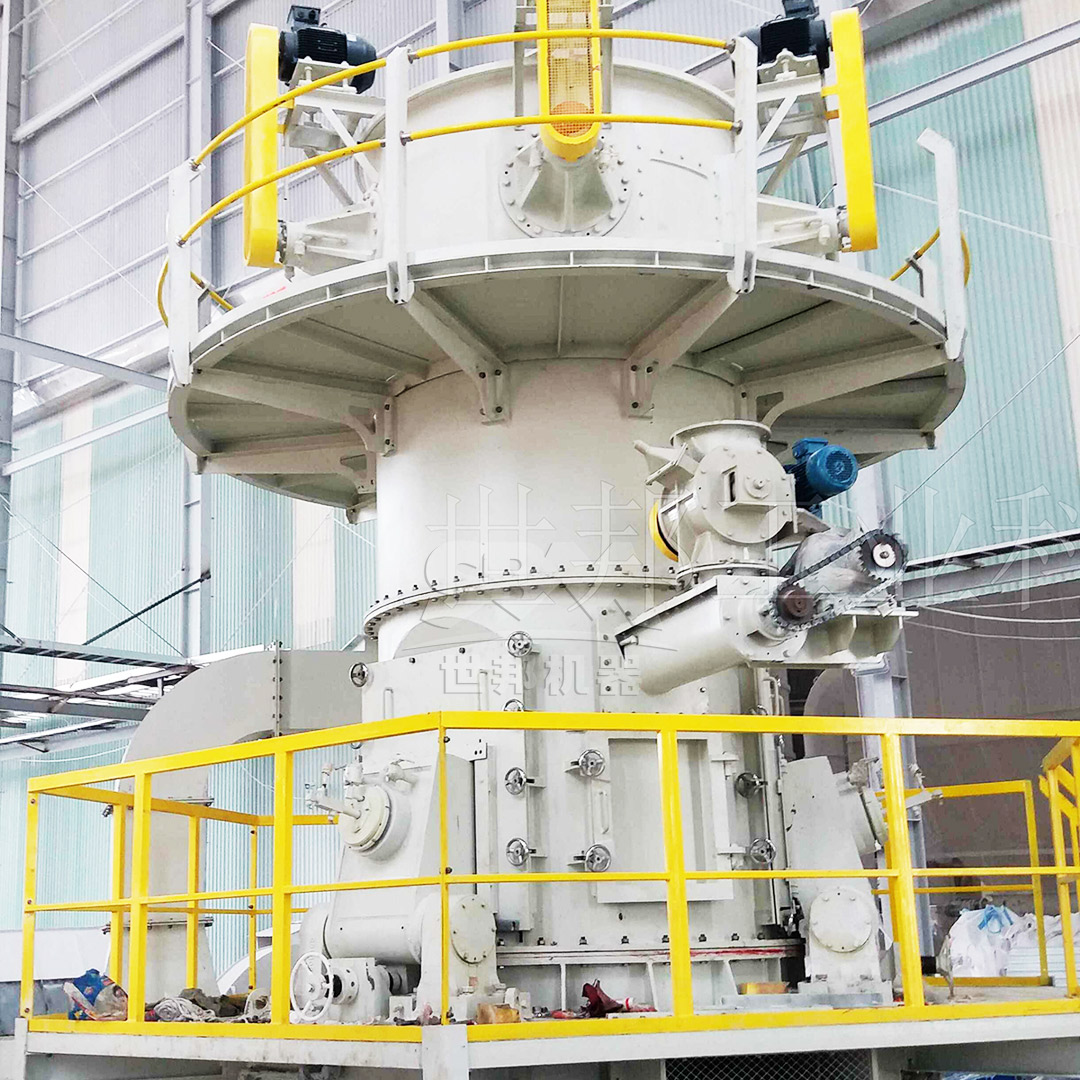
For producers targeting the ultra-fine and high-value kaolin markets (e.g., for high-gloss paper coatings or specialty polymers), where fineness requirements extend to 2500 mesh (5μm), our SCM Series Ultrafine Mill is the superior choice. The SCM1250 model, for instance, combines high-efficiency grinding with a high-precision vertical turbine classifier. It can produce 2.5 to 14 tons per hour of exceptionally uniform powder with no coarse particle mixing. Its energy-saving design consumes 30% less power than traditional jet mills, and its durable construction with special material rollers ensures reliable, long-term operation for demanding ultrafine grinding applications.
6. Conclusion
The production of high-quality kaolin powder is a technologically advanced process where the grinding stage is decisive. The Vertical Roller Mill plant, with its integrated drying, efficient grinding, and precise classification, represents the state-of-the-art solution. It delivers unmatched efficiency, product consistency, and operational flexibility, enabling kaolin producers to meet the stringent demands of global markets while minimizing energy consumption and environmental impact. By investing in advanced VRM technology, such as our LM Series or SCM Series mills, producers can secure a significant competitive advantage in the high-value industrial minerals sector.