High Purity Kaolin Ultrafine Grinding Process Flow and Equipment Selection
Introduction to High Purity Kaolin Processing
High purity kaolin, characterized by its whiteness, brightness, and fine particle size distribution, has become an essential industrial mineral with applications spanning paper coating, ceramics, paints, plastics, rubber, and advanced materials. The value of kaolin is directly proportional to its purity and fineness, making the ultrafine grinding process a critical step in maximizing product quality and economic returns. This comprehensive technical article examines the complete process flow for high purity kaolin ultrafine grinding and provides detailed equipment selection guidance based on operational requirements and final product specifications.
Kaolin Characteristics and Processing Challenges
Natural kaolin deposits vary significantly in mineral composition, with typical impurities including quartz, feldspar, mica, and iron-bearing minerals. The processing of high purity kaolin requires careful consideration of several challenging factors:
- Hardness and Abrasiveness: Kaolin has a Mohs hardness of 2.0-2.5, but associated quartz impurities (Mohs 7.0) significantly increase equipment wear
- Moisture Sensitivity: Kaolin’s plate-like structure makes it susceptible to moisture absorption, affecting flow characteristics and grinding efficiency
- Particle Shape Preservation: The platy structure of kaolin particles must be maintained during grinding to preserve coating and reinforcement properties
- Contamination Control: Iron contamination from grinding media must be minimized to maintain brightness and whiteness indices

Complete Ultrafine Kaolin Grinding Process Flow
Stage 1: Pre-treatment and Beneficiation
Before ultrafine grinding, raw kaolin undergoes several pre-treatment steps to improve purity and process efficiency:
- Crushing and Screening: Primary reduction of kaolin lumps to ≤20mm using jaw crushers or hammer mills
- Dispersion and Slurrying: Formation of kaolin slurry (typically 30-40% solids) with dispersants to separate individual particles
- Magnetic Separation: Removal of iron-bearing impurities using high-gradient magnetic separators (HGMS)
- Froth Flotation: Separation of titanium dioxide and other discoloring impurities
- Delamination: Chemical or mechanical separation of kaolin stacks into individual platelets
Stage 2: Drying and Pre-grinding
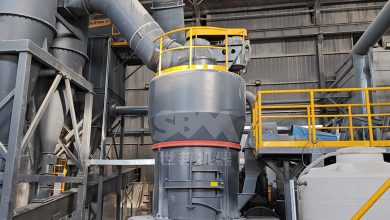
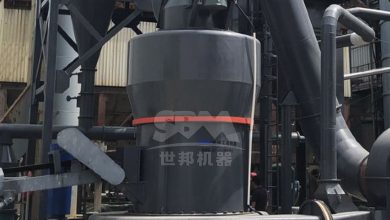
For dry processing routes, the beneficiated kaolin slurry is dried to moisture content below 2% using spray dryers or rotary dryers. Pre-grinding reduces particle size to a consistent feed material for ultrafine grinding equipment. Our MTW Series Trapezium Mill excels in this application with its combination of high capacity and precise particle size control.
Stage 3: Ultrafine Grinding
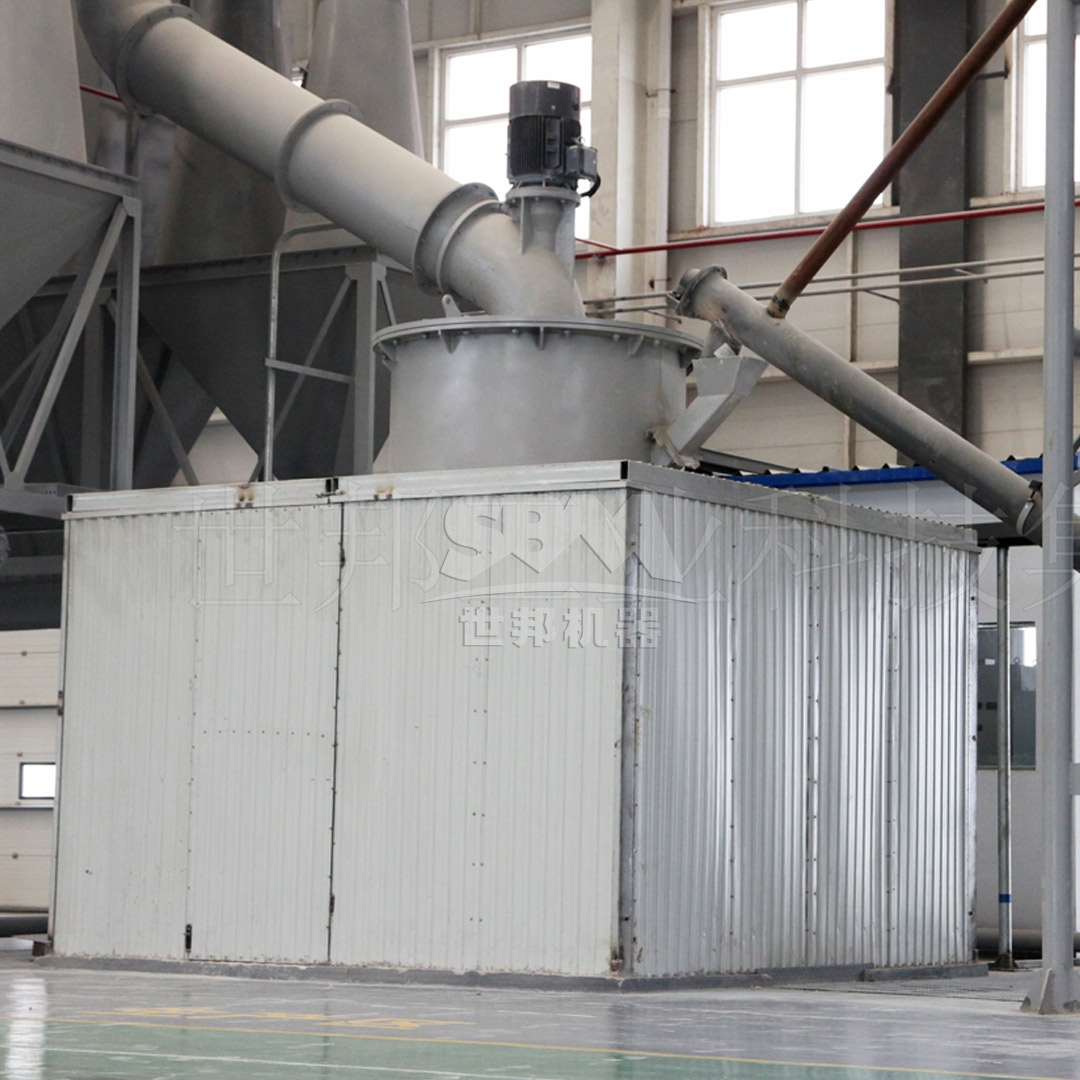
This core processing stage determines the final product quality. Multiple grinding technologies are available, each with specific advantages for kaolin processing:
Equipment Selection for Kaolin Ultrafine Grinding
Critical Selection Criteria
Choosing the appropriate grinding equipment for high purity kaolin requires evaluation of multiple technical and economic factors:
- Target Particle Size Distribution: D50, D97, and top size requirements
- Production Capacity: Hourly throughput and annual production targets
- Product Whiteness Preservation: Iron contamination control and brightness maintenance
- Energy Efficiency: Specific energy consumption (kWh/ton)
- Operating Flexibility: Ability to adjust product fineness and handle feed variations
- Capital and Operating Costs: Total cost of ownership analysis
Recommended Equipment for High Purity Kaolin
Based on extensive industry experience and technical performance data, we recommend the following equipment for high purity kaolin ultrafine grinding applications:
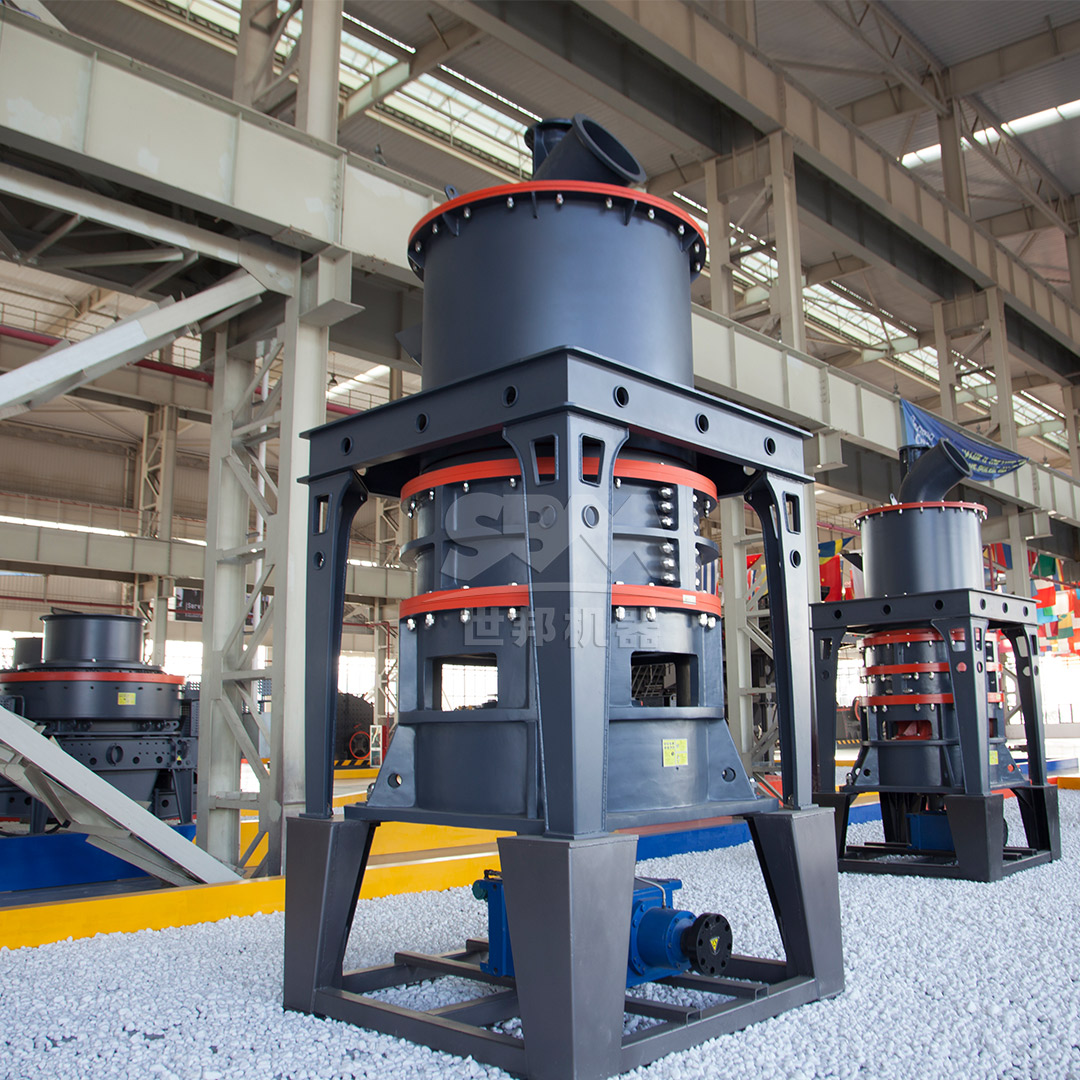
SCM Ultrafine Mill (45-5μm) – Optimal for Premium Applications
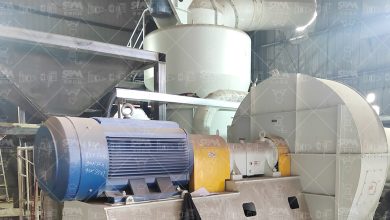
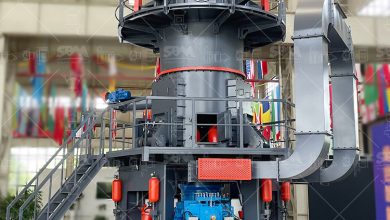
For producing the highest quality ultrafine kaolin with D97 ≤ 5μm, our SCM Ultrafine Mill represents the industry benchmark. This advanced grinding system combines several proprietary technologies specifically beneficial for kaolin processing:
- High Precision Classification: The vertical turbine classifier achieves precise particle size cuts from 325 to 2500 mesh (45-5μm) with exceptional efficiency, ensuring no coarse particles contaminate the final product
- Superior Whiteness Preservation:
Special wear-resistant materials in grinding components minimize iron contamination, maintaining kaolin brightness above 90% ISO - Energy Efficient Operation: With 30% lower energy consumption compared to jet mills and twice the capacity, the SCM series significantly reduces operating costs while maintaining product quality
- Platelet Structure Protection: The layered grinding mechanism preserves the essential platy structure of kaolin particles, critical for coating and reinforcement applications
The SCM series offers multiple models with capacities from 0.5 to 25 tons per hour, making it suitable for both pilot-scale development and full-scale production. The SCM1000 model, with 132kW main motor power and 1.0-8.5 ton/h capacity, represents an optimal balance for medium-scale kaolin producers seeking to enter premium markets.
MTW Series Trapezium Mill (600-45μm) – Cost-Effective Solution
For applications requiring kaolin in the 30-325 mesh range (600-45μm) with high production capacity, our MTW Series Trapezium Mill provides an outstanding combination of performance and economy. Key advantages for kaolin processing include:
- High Capacity Processing: With throughput from 3 to 45 tons per hour depending on model selection, the MTW series supports large-scale production requirements
- Advanced Wear Protection: Curved shovel blade design and special hardfacing technologies extend component life in abrasive kaolin applications
- Optimized Airflow Design: The arc-shaped air channel reduces energy losses and improves powder transport efficiency
- Integrated Drying Capability: The mill can process kaolin with moisture content up to 15%, reducing pre-drying requirements
The MTW175G model, with 160kW main motor power and 9.5-25 ton/h capacity, is particularly well-suited for large-volume kaolin producers targeting the paper filler and ceramic markets.
Ancillary Equipment Selection
Classification Systems
High-efficiency classifiers are essential for achieving tight particle size distributions in ultrafine kaolin. Both turbine classifiers and air classifiers should be evaluated based on cut point requirements and efficiency.
Dust Collection and Product Recovery
Pulse-jet baghouse filters with specialty filter media provide collection efficiency exceeding 99.9% while maintaining product quality. Cyclone collectors may be used as pre-separators to reduce filter loading.
Material Handling Systems
Enclosed screw conveyors, bucket elevators, and pneumatic conveying systems prevent contamination and product degradation during transfer between process stages.
Process Optimization and Quality Control
Key Performance Indicators
Successful kaolin ultrafine grinding operations monitor several critical parameters:
- Particle Size Distribution: Laser diffraction analysis for D10, D50, D90, and D97 values
- Brightness and Whiteness: ISO brightness measurements and CIE whiteness indices
- Particle Morphology: SEM analysis to verify platelet structure preservation
- Specific Surface Area: BET measurements correlating with application performance
- Residue Content: Wet screening to quantify oversize particles
Optimization Strategies
Continuous process improvement should focus on:
- Classifier Speed Optimization: Balancing cut point sharpness with throughput
- Grinding Pressure Adjustment: Maximizing grinding efficiency while minimizing wear
- System Airflow Balancing: Ensuring optimal transport velocities without particle classification in conveying lines
- Preventive Maintenance Scheduling: Regular inspection and replacement of wear components before product quality is affected
Economic Considerations
Capital Investment Analysis
Equipment selection must consider both initial capital investment and long-term operating costs. Our technical team can provide detailed life-cycle cost analysis comparing different grinding technologies for specific application requirements.
Return on Investment Factors
The premium pricing achievable with tightly controlled ultrafine kaolin products typically justifies investment in advanced grinding technology, with payback periods often under 24 months for quality-driven applications.
Conclusion
The selection of appropriate ultrafine grinding equipment is critical for successful high purity kaolin processing. Our SCM Ultrafine Mill and MTW Series Trapezium Mill represent proven solutions across the complete kaolin fineness spectrum, combining advanced technology with practical operating benefits. By understanding the complete process flow and carefully matching equipment capabilities to product requirements, kaolin producers can optimize both product quality and economic returns in this demanding market.
For specific application advice or detailed technical proposals, please contact our mineral processing specialists for comprehensive equipment recommendations tailored to your kaolin processing requirements.