Gypsum Board Production Line Process Flow Explained by a Grinding Mill Manufacturer
Introduction
The modern gypsum board, a ubiquitous material in construction for walls, ceilings, and partitions, is the product of a sophisticated and continuous manufacturing process. At its core lies the transformation of raw gypsum rock into a fine, consistent powder known as stucco or calcined gypsum. The efficiency, fineness, and quality of this powder directly determine the strength, setting time, and overall performance of the final board. As a leading grinding mill manufacturer, we understand that selecting the right grinding and calcining technology is paramount for a profitable and high-quality gypsum board production line. This article provides a detailed, professional breakdown of the entire process flow, highlighting critical stages where advanced milling equipment delivers significant advantages.
1. Raw Material Handling and Crushing
The journey begins with raw gypsum ore, typically mined as calcium sulfate dihydrate (CaSO4·2H2O). The ore is delivered to the plant and undergoes primary crushing to reduce its size to a manageable dimension, usually below 50mm. A primary jaw crusher or impact crusher is commonly employed for this task. The crushed material is then conveyed to a storage area or silo, ensuring a consistent feed for the subsequent stages. Effective pre-crushing is essential for optimizing the energy consumption of the downstream grinding mill.
2. Drying and Grinding: The Foundation of Quality
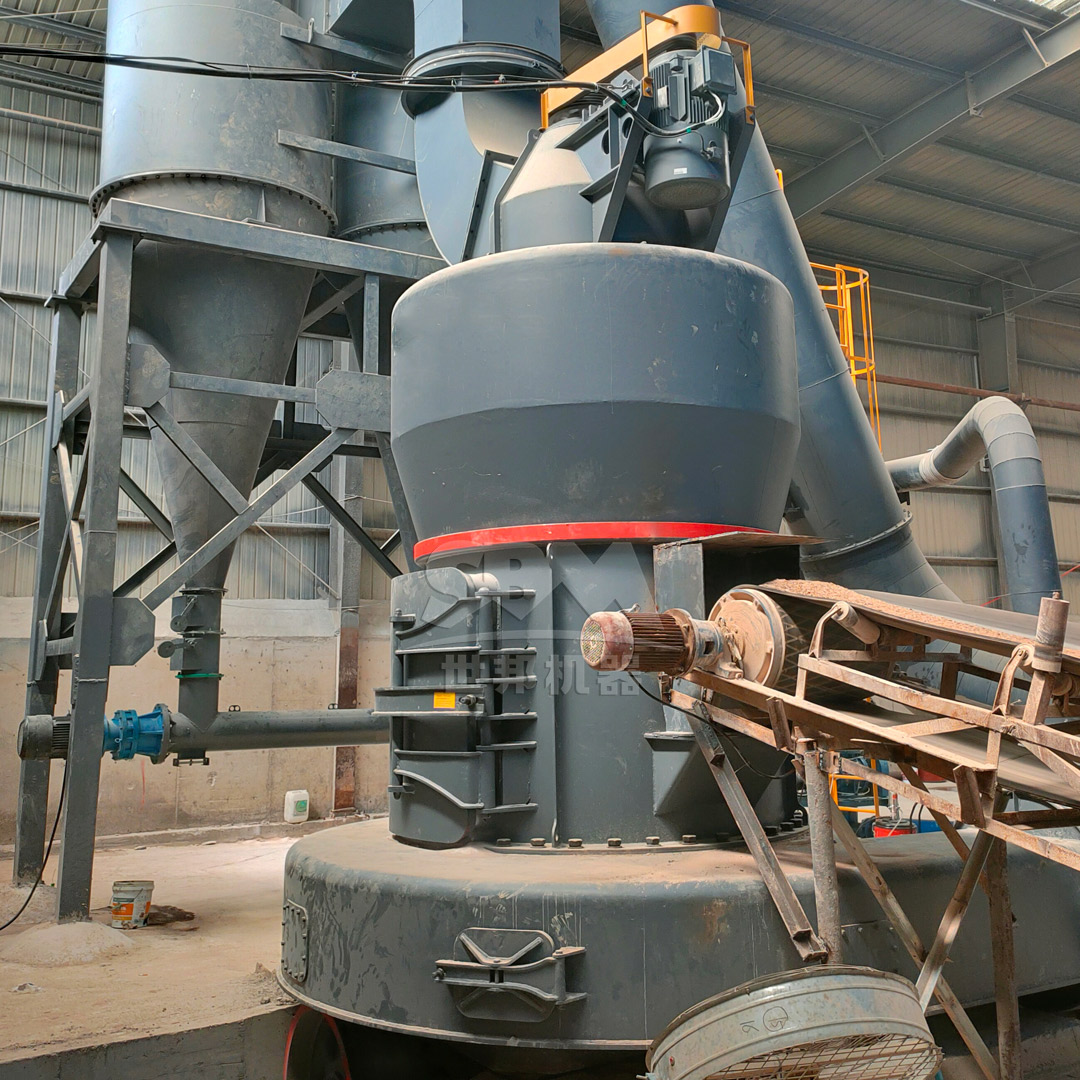
Before calcination, the crushed gypsum often contains inherent or surface moisture. Efficient drying is crucial. In many modern setups, drying and preliminary grinding are integrated. The material is fed into a grinding mill where hot gases (often from the calciner exhaust) simultaneously dry and co-grind the gypsum to a specified fineness, typically around 80-120 mesh. This step prepares a uniformly sized feed for the calciner, ensuring even heat transfer and consistent calcination.
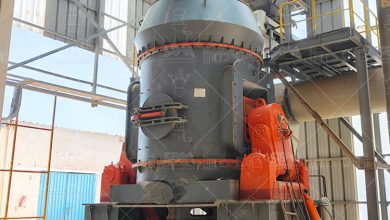
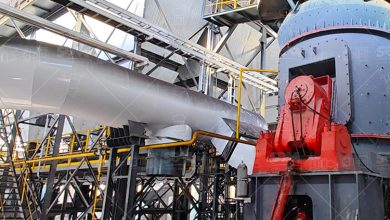
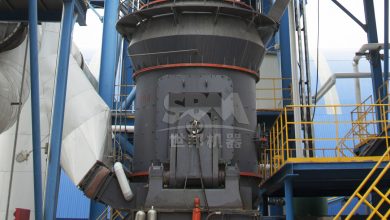
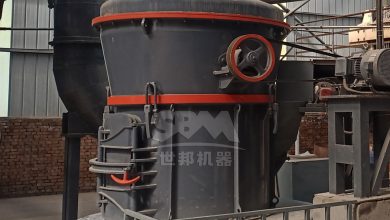
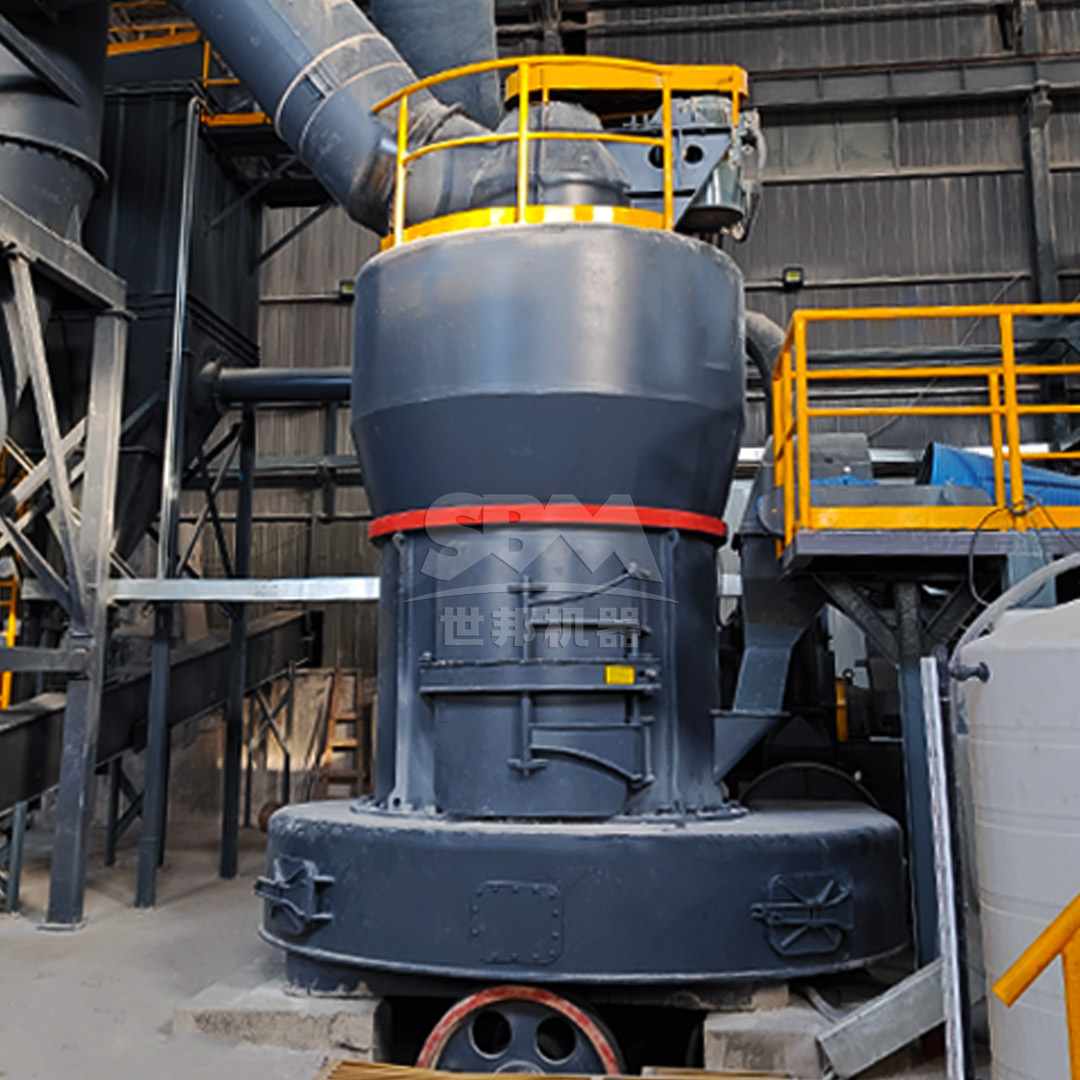
For this preparatory grinding stage, robust and efficient mills are key. Our MTW Series European Trapezium Mill is exceptionally well-suited for this application. Designed to handle feed sizes up to 50mm, it efficiently grinds materials to a fineness range of 30-325 mesh. Its anti-wear shovel design and optimized arc air duct are particularly beneficial for handling abrasive materials like gypsum, significantly reducing maintenance costs and airflow energy loss. The integrated bevel gear drive offers high transmission efficiency (up to 98%), making it an energy-saving choice for large-capacity lines requiring throughputs of 3 to 45 tons per hour.
3. Calcination: Transforming Dihydrate to Hemihydrate
This is the heart of the process, where gypsum (dihydrate) is heated to drive off part of its crystalline water, converting it into calcium sulfate hemihydrate (CaSO4·0.5H2O), also known as stucco or plaster of Paris. There are two primary methods:
- Kettle Calcination: A batch process where ground gypsum is heated in a large kettle. It’s suitable for smaller operations or specific board types.
- Flash Calcination (Continuous): The dominant method in modern, high-volume board plants. The pre-ground gypsum is pneumatically conveyed through a hot gas stream in a flash calciner (like a flash tube or rotary calciner). The material is heated to approximately 150-180°C within seconds, ensuring a uniform and controlled calcination. The rapid heating produces a stucco with consistent setting properties.
4. Stucco Blending and Additive Incorporation
The hot calcined stucco exiting the calciner is cooled and transferred to a blending silo. Here, it is homogenized to ensure batch-to-batch consistency. Critical performance additives are introduced at this stage:
- Accelerators or Retarders: To precisely control the setting time of the slurry.
- Starch: Acts as a binder between the gypsum core and the paper liner.
- Foaming Agents: To create a controlled bubble structure in the slurry, reducing weight and improving nail pull resistance.
- Glass Fibers: For enhanced fire resistance and strength in specialized boards.
Thorough and uniform blending of these additives with the stucco is essential for producing a board with predictable and high-quality properties.
5. Board Forming Line: From Slurry to Green Board
The blended stucco is mixed with water, foam, and other liquid additives in a continuous mixer to form a slurry. This slurry is precisely deposited onto a moving sheet of face paper on a forming table. A second sheet of back paper is laid on top. The edges of the paper are folded and glued, forming a continuous sandwich. The slurry sets rapidly (within minutes) as the hemihydrate rehydrates to form dihydrate crystals, interlocking to create the solid core. This continuous “green” board is then precisely cut to length by an automated shear.
6. Drying and Finishing
The green board, now solid but still containing excess moisture, enters a multi-deck, gas-fired dryer. The board travels through the dryer for 30-60 minutes at controlled temperatures to evaporate the free water, leaving a strong, stable core. After drying, the boards are trimmed to final size, bundled, labeled, and stored for shipment.
7. The Critical Role of Fine Grinding for Specialty Gypsum Products
Beyond standard wallboard, high-value gypsum products like joint compounds, molding plaster, and ultra-smooth finishing plasters require extremely fine and consistent powders. The fineness and particle size distribution (PSD) directly impact workability, smoothness, and final strength. For these applications, traditional mills may not suffice.
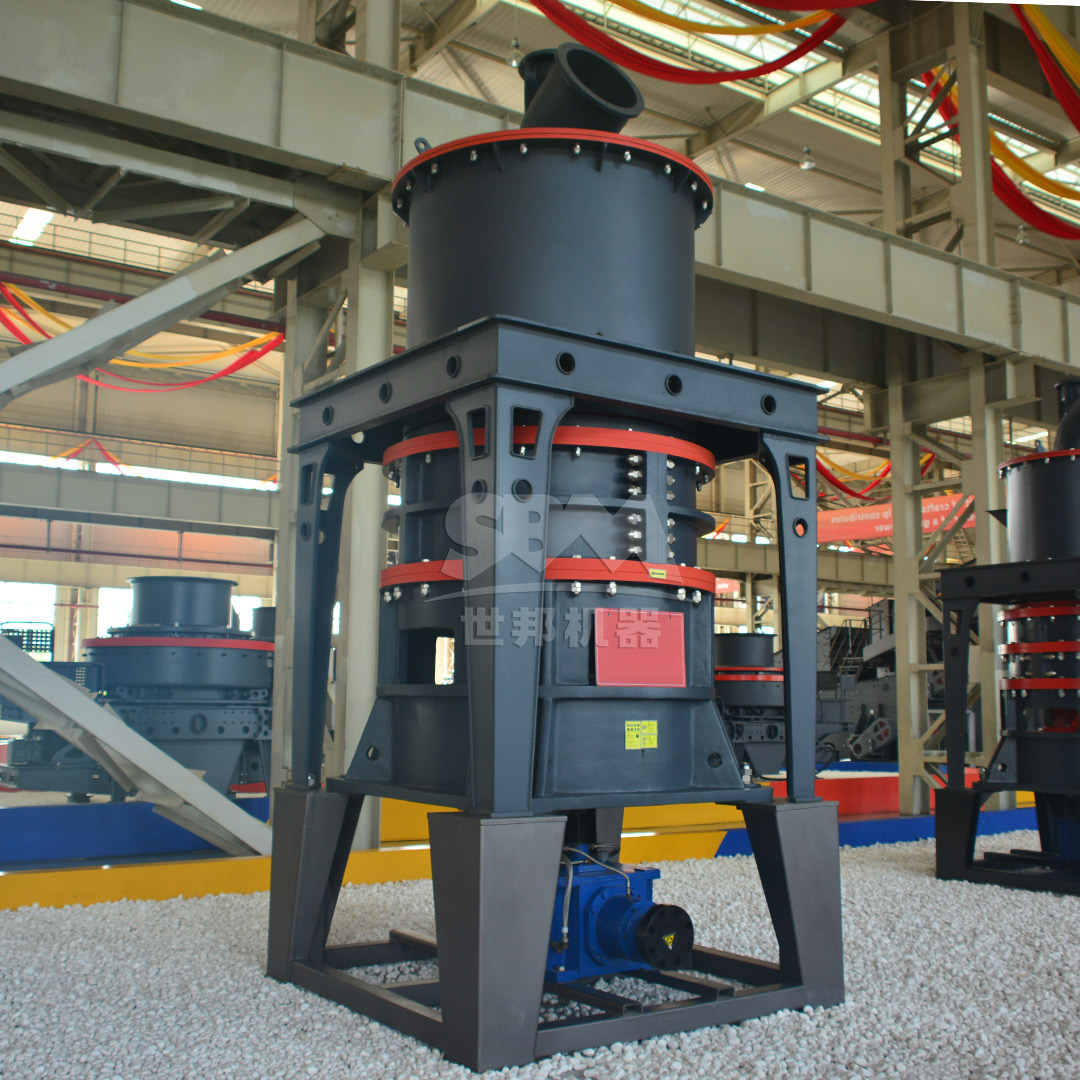
This is where our SCM Series Ultrafine Mill excels. Engineered to produce powders in the range of 325 to 2500 mesh (45-5μm), it is ideal for producing high-grade gypsum fillers and additives. Its high-precision vertical turbine classifier ensures a sharp particle size cut with no coarse powder mixing, guaranteeing a uniform and superior product. The special material rollers and rings offer exceptional durability against abrasive materials, while the integrated pulse dust collection system ensures an eco-friendly operation with dust emission and noise levels well within international standards. For operations requiring capacities from 0.5 to 25 tons per hour of ultrafine gypsum powder, the SCM series provides an efficient, reliable, and high-quality grinding solution.
Conclusion
A gypsum board production line is a marvel of continuous industrial processing, integrating material handling, thermal treatment, chemical transformation, and precision forming. The choice of grinding equipment at both the preparatory and fine-grinding stages is not merely an operational decision but a strategic one that impacts product quality, energy efficiency, maintenance costs, and overall plant profitability. From the robust, high-capacity grinding of raw ore with our MTW Series Mill to the production of premium ultrafine powders with our SCM Series Mill, selecting the right technology partner ensures your production line is built on a foundation of reliability, efficiency, and quality—enabling you to meet the evolving demands of the global construction market.