Guangxi Large Vertical Mill for Calcined Petroleum Coke Grinding
Introduction
The processing of Calcined Petroleum Coke (CPC) is a critical step in the production of anodes for the aluminum and steel industries, as well as in the manufacturing of carbon products. Achieving the desired particle size distribution, high purity, and consistent quality is paramount for downstream applications. In Guangxi, a region with significant industrial activity, the demand for efficient and reliable grinding solutions for CPC is growing. Large vertical roller mills (VRMs) have emerged as the technology of choice for this demanding task, offering superior efficiency, precision, and operational economy compared to traditional ball mill systems.
Challenges in Calcined Petroleum Coke Grinding
CPC is a hard, abrasive material with variable properties depending on the source and calcination process. Effective grinding presents several challenges:
- Abrasiveness: High wear on grinding components, leading to increased maintenance costs and downtime.
- Product Fineness: Requirements often range from coarse (e.g., 30-100 mesh for anode paste) to very fine (e.g., 325-2500 mesh for specialty carbons).
- Thermal Sensitivity: Excessive heat generation during grinding can affect the material’s properties.
- System Efficiency: High energy consumption is a major operational cost driver.
- Dust Control: CPC dust is combustible and requires robust, safe collection systems.
The Vertical Roller Mill Advantage
Vertical roller mills address these challenges through a fundamentally different grinding principle. Instead of relying on impact and attrition from tumbling balls, VRMs utilize a bed-compaction principle where material is ground between a rotating table and hydraulically loaded rollers. This method offers distinct benefits for CPC processing:
- High Grinding Efficiency & Energy Savings: The direct grinding force applied to the material bed minimizes energy losses. VRMs typically consume 30-50% less energy than ball mill systems for the same output.
- Excellent Particle Size Control: Integrated dynamic classifiers allow for precise control over the top cut and particle size distribution, ensuring product uniformity.
- Low Wear Rates: The grinding elements (rollers and table) are designed with wear-resistant materials and often feature a non-contact design under normal operation, significantly extending service life.
- Compact Design & Small Footprint: The integrated grinding, drying, classifying, and conveying functions within a single unit reduce the plant’s overall footprint and civil engineering costs.
- Effective Drying Capability: Hot gas can be introduced into the mill to simultaneously dry moist feed materials, a useful feature for certain coke types.
- Environmental Compliance: The entire system operates under negative pressure, preventing dust escape. High-efficiency bag filters ensure emissions are well below international standards.
Key Considerations for Mill Selection in Guangxi
Selecting the appropriate large vertical mill for a CPC grinding plant in Guangxi requires a detailed analysis of several factors:
- Required Capacity and Product Fineness: Defining the target throughput (t/h) and the final product specifications (e.g., D97 < 45μm, 325 mesh) is the first step.
- Material Characteristics: The Hardgrove Grindability Index (HGI), moisture content, and feed size of the specific CPC source must be evaluated.
- System Integration: The mill must be part of a complete system including feed system, grinding unit, classifier, product collection (cyclone and bag filter), and process control.
- Operational & Maintenance Philosophy: Ease of maintenance, availability of spare parts, and the level of automation desired are crucial for long-term profitability.
- Local Support & Service: Partnering with a supplier that offers strong technical support and service in the Guangxi region is essential.
Recommended Solutions for CPC Grinding
Based on the common requirements for high-capacity, fine to ultra-fine grinding of abrasive materials like CPC, two product lines from our portfolio stand out as ideal solutions.
1. LM Series Vertical Roller Mill for High-Capacity Production
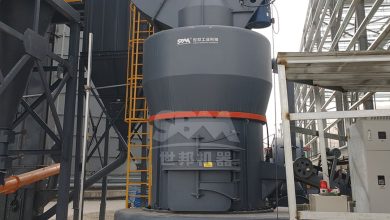
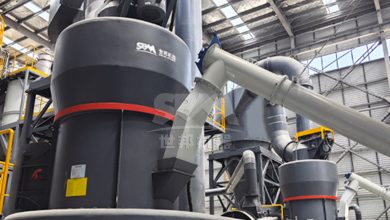
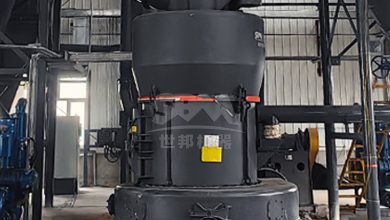
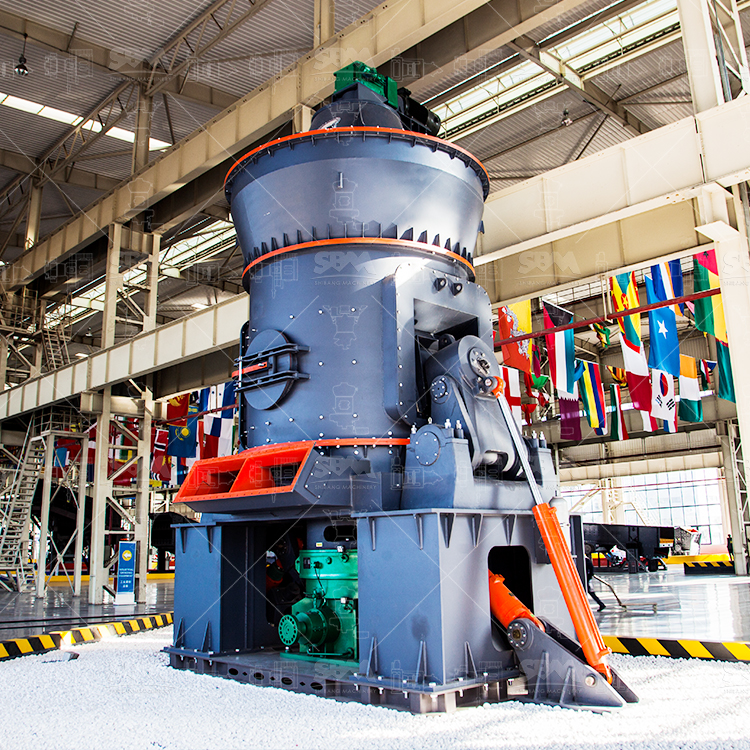
For large-scale production plants requiring capacities from tens to hundreds of tons per hour, the LM Series Vertical Roller Mill is the industry benchmark. Its robust design and proven technology make it perfectly suited for grinding calcined petroleum coke to a range of fineness levels.

Core Advantages for CPC Grinding:
- Integrated Design: Combines crushing, grinding, drying, classifying, and conveying, reducing footprint by 50% and lowering infrastructure costs.
- Low Operational Cost: The non-contact grinding principle and wear-resistant components extend part life and reduce specific energy consumption by 30-40% compared to ball mills.
- Intelligent Control: Features an expert automatic control system for stable operation and optimal efficiency, with remote monitoring capabilities.
- Environmental Performance: Fully sealed negative pressure operation ensures dust emissions < 20mg/m³ and noise levels ≤ 80dB(A).
Recommended Model for CPC: The LM190K or LM220K models are excellent choices for major CPC processing facilities. For instance, the LM220K offers a grinding capacity of 36-105 t/h, handling feed sizes up to 50mm, and can produce powder in the range of 80-325 mesh (170-45μm), perfectly aligning with the needs of anode-grade coke production.
2. SCM Series Ultrafine Mill for Specialty Fine & Ultra-Fine Products
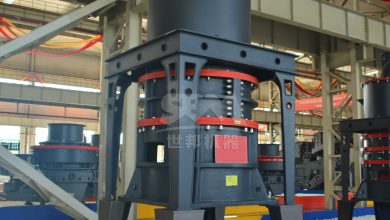
For applications demanding extremely fine or high-purity CPC powder, such as in advanced carbon composites or specialty lubricants, the SCM Series Ultrafine Mill is the superior choice. This mill is engineered to produce powders in the range of 325-2500 mesh (D97 ≤ 5μm).
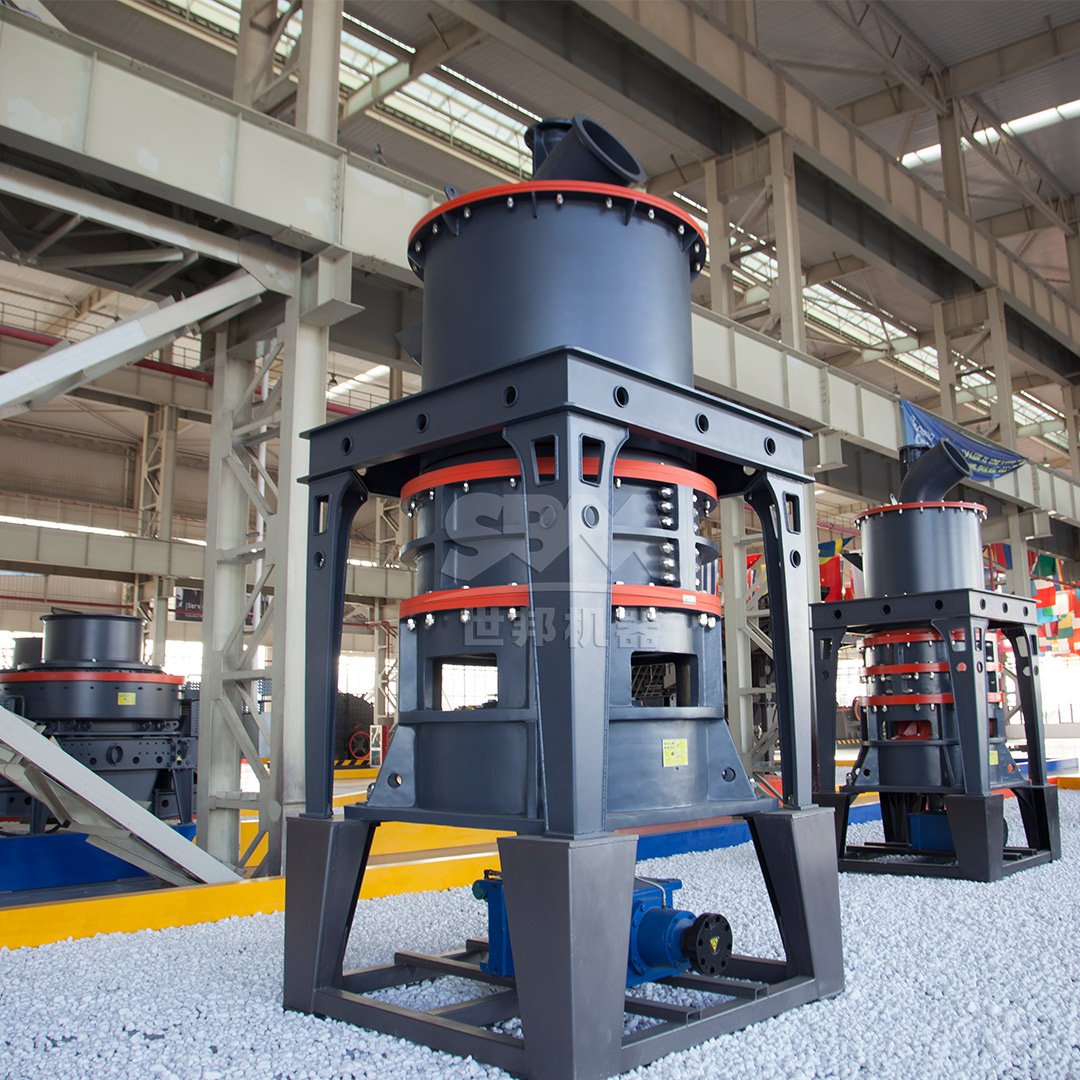
Core Advantages for Fine CPC Grinding:
- High Efficiency & Energy Saving: Delivers twice the capacity of jet mills with 30% lower energy consumption. Its intelligent control system provides automatic feedback on product fineness.
- High-Precision Classification: Equipped with a vertical turbine classifier that ensures precise particle size cut-off and uniform product without coarse grain contamination.
- Durable Design: Features specially hardened grinding rollers and rings that last several times longer than conventional parts. The bearingless screw design in the grinding chamber ensures stable operation.
- Environmental & Quiet Operation: Incorporates a pulse dust collector with efficiency exceeding international standards and an acoustic enclosure for noise levels below 75dB.
Recommended Model: The SCM1000 or SCM1250 models are highly effective for fine CPC grinding. The SCM1250, for example, provides a throughput of 2.5-14 tons per hour, accepting feed material up to 20mm, and can achieve a final fineness of 325-2500 mesh, making it ideal for high-value-added CPC products.
System Design and Best Practices
Successful implementation goes beyond the mill itself. A well-designed system includes:
- Pre-Crushing: A hammer crusher or similar to ensure a consistent and optimal feed size for the VRM.
- Feeding System: A stable, controlled feed rate is critical for stable mill operation and product quality.
- Grinding & Classifying Loop: The heart of the system, where material is ground and instantly classified. The classifier speed is a key parameter for fineness control.
- Product Collection: A combination of high-efficiency cyclones and pulse-jet bag filters ensures maximum product recovery and clean exhaust air.
- Process Control & Automation: A modern PLC-based control system monitors key parameters (pressure, temperature, power, fineness) and adjusts operations for peak performance and safety.
Conclusion
The adoption of large vertical roller mills for calcined petroleum coke grinding in Guangxi represents a significant step towards more sustainable, efficient, and profitable industrial processing. The technology’s inherent advantages in energy efficiency, product quality control, and environmental compliance make it an indispensable solution for modern carbon material producers. By selecting a robust, high-performance mill like the LM Series for high-tonnage operations or the precision-engineered SCM Ultrafine Mill for specialized fine products, and integrating it into a well-designed system, Guangxi-based enterprises can achieve a strong competitive edge in the global market. Investing in advanced grinding technology is not merely an equipment purchase but a strategic decision for long-term operational excellence and growth.