Growing Demand for Aluminum Carbon Anodes Drives Adoption of Intelligent Carbon Grinding Mill Equipment
The Critical Role of Carbon Anodes in Modern Aluminum Production
The global push towards sustainable energy and lightweight materials has placed aluminum at the forefront of industrial demand. As a key component in sectors ranging from electric vehicles and aerospace to construction and packaging, the production of primary aluminum via the Hall-Héroult electrolytic process remains essential. At the heart of this process lies the carbon anode, a consumable electrode that facilitates the reduction of alumina into molten aluminum. The quality, consistency, and physical properties of the carbon material used in these anodes are paramount, directly influencing smelting efficiency, energy consumption, and the purity of the final metal. This has created a significant and growing demand for high-performance carbon grinding equipment capable of producing ultra-fine, uniformly sized carbon powders with exceptional precision and reliability.
The Technical Imperative: Precision Grinding for Superior Anode Performance
Carbon anodes are primarily composed of calcined petroleum coke (CPC) and coal tar pitch. The CPC must be ground to a specific particle size distribution (PSD) to ensure optimal packing density, electrical conductivity, and mechanical strength after baking. A poorly controlled PSD leads to increased porosity, higher electrical resistance, and uneven consumption during electrolysis, resulting in higher energy costs, increased greenhouse gas emissions, and potential anode failures. Therefore, the grinding stage is not merely a size reduction process; it is a critical quality-determining step. Modern anode plants require grinding systems that deliver:
- Ultra-Fine and Consistent Fineness: Achieving target fineness, often in the range of 325 to 2500 mesh (45 to 5 microns), with a tight particle distribution (e.g., D97 control).
- High Throughput with Energy Efficiency: Meeting large-scale production demands while minimizing specific energy consumption per ton of product.
- Intelligent Process Control: Real-time monitoring and automatic adjustment of operational parameters to maintain product consistency despite variations in feed material.
- Robustness and Low Maintenance: Withstanding the abrasive nature of carbon materials and ensuring high availability with minimal downtime.
- Environmental Compliance: Operating with minimal dust emissions and noise pollution, adhering to stringent international standards.
Intelligent Grinding Solutions: Meeting the Industry’s Evolving Needs
Traditional grinding methods, such as ball mills or basic Raymond mills, often fall short in meeting these multifaceted requirements. They can be energy-intensive, offer limited control over final fineness, and struggle with consistency. The industry’s evolution demands a new generation of intelligent grinding mills that integrate mechanical innovation with digital control systems.
These advanced mills typically feature high-precision, forced vortex classifiers that allow for precise “cut-point” control, ensuring no oversized particles contaminate the final product. Wear parts are engineered from special alloys or composite materials to extend service life dramatically when processing abrasive carbon. Most importantly, they are equipped with PLC-based automation systems. These systems can monitor key parameters like motor load, classifier speed, and pressure differentials, automatically adjusting feed rates or grinding force to maintain a set product fineness. This level of intelligence transforms the grinding operation from a manual, variable-output process into a stable, predictable, and optimized unit operation.
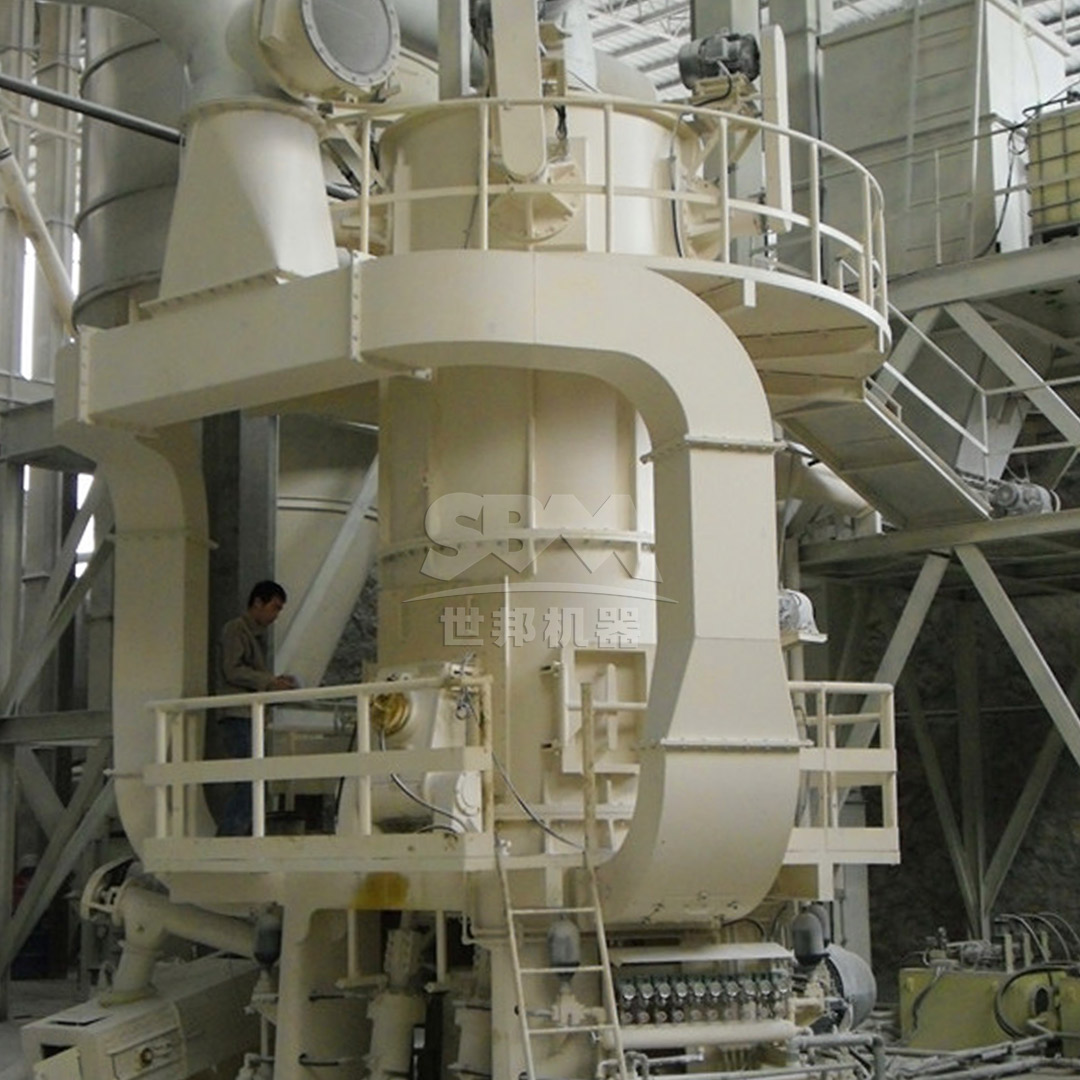
Spotlight on Advanced Mill Technology: The SCM Ultrafine Mill
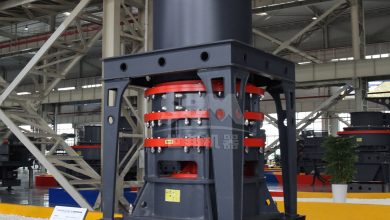
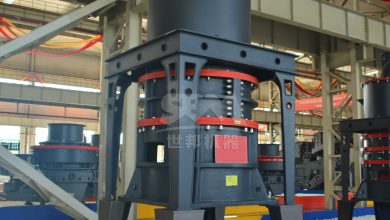
For operations requiring the highest levels of fineness and consistency for premium anode grades, ultrafine grinding technology is indispensable. Our SCM Ultrafine Mill series represents a pinnacle of engineering designed specifically for such demanding applications. This mill is engineered to process materials like calcined petroleum coke into powders ranging from 325 to 2500 mesh (D97 ≤ 5µm), which is ideal for enhancing anode density and reactivity.
Key Advantages for Carbon Anode Production:
- Superior Energy Efficiency: The SCM mill’s grinding mechanism delivers a capacity approximately twice that of a jet mill while reducing energy consumption by up to 30%. Its intelligent control system provides automatic feedback on product fineness, ensuring optimal power use is maintained continuously.
- Unmatched Classification Accuracy: Equipped with a vertical turbine classifier, the mill achieves precise particle size切割. This results in a final product with exceptional uniformity and no coarse powder contamination, directly contributing to a more homogeneous anode structure.
- Exceptional Durability: The grinding rollers and ring are manufactured from special wear-resistant materials, offering a service life several times longer than conventional components when processing abrasive carbon. Its innovative bearing-less screw design in the grinding chamber further enhances operational stability and reduces maintenance frequency.
- Eco-Friendly Operation: The integrated pulse dust collector exceeds international emission standards, ensuring a clean workshop environment. Combined with soundproofing measures, the mill operates at noise levels below 75dB.
The SCM series offers scalable models to match any production need, from the SCM800 with a capacity of 0.5-4.5 tons per hour to the high-capacity SCM1680, which can process 5.0-25 tons per hour. This flexibility makes it suitable for both pilot-scale development and full-scale industrial production of high-quality carbon powders.
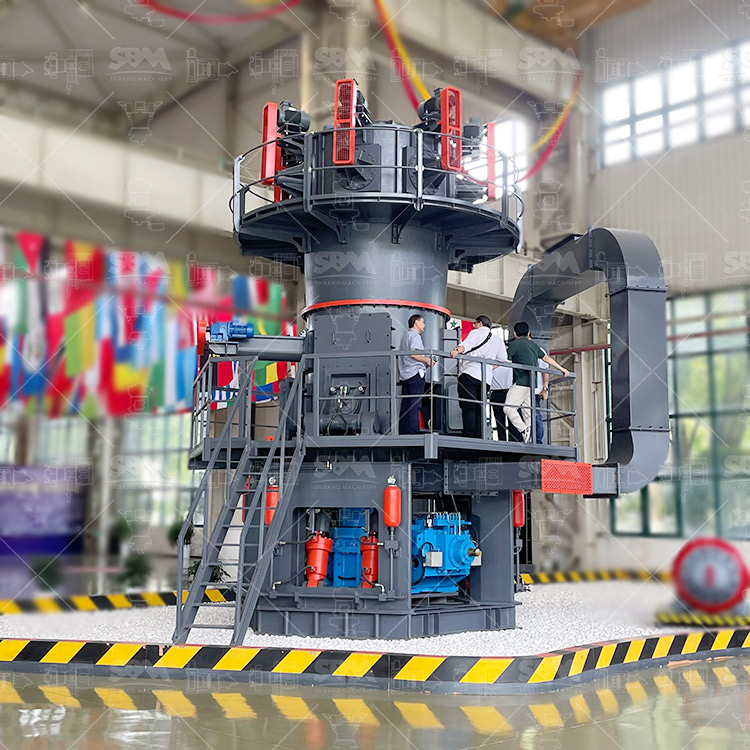
High-Capacity Precision: The MTW Series Trapezium Mill
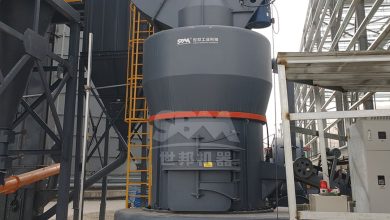
For operations focused on high-volume production of carbon powders in the medium-fineness range (30-325 mesh), which is also critical for certain anode formulations and other carbon applications, a robust and efficient grinding solution is key. Our MTW Series Trapezium Mill is engineered to deliver high throughput with remarkable precision and reliability.
Engineered for High Performance and Low Operating Cost:
- Advanced Wear Protection: Its modular shovel blade design significantly reduces maintenance costs and downtime. The curved blade design also contributes to extending the service life of the grinding rollers.
- Optimized Airflow Dynamics: The mill features a patented curved air duct that minimizes air flow resistance and energy loss, improving overall transmission efficiency. High-strength wear plates protect critical surfaces within the duct.
- Highly Efficient Drive System: The integral bevel gear transmission achieves an efficiency rate of up to 98%, saving space and reducing installation complexity and cost.
- Intelligent and Connected: While maintaining simple operation, the MTW mill is designed for integration into modern plant control systems, allowing for remote monitoring and data collection to optimize the overall production line.
With models like the MTW215G offering capacities up to 45 tons per hour, this mill is an ideal workhorse for large-scale carbon grinding facilities, providing a perfect balance of capacity, fineness control, and operational economy.
The Future of Carbon Processing: Integration and Sustainability
The adoption of intelligent grinding equipment like the SCM and MTW series is more than an upgrade; it’s a strategic move towards fully integrated and sustainable aluminum production. Consistent, high-quality carbon powder leads to longer anode life, reduced frequency of anode changes, and lower net carbon consumption per ton of aluminum produced. The energy savings from both the efficient grinding process itself and the improved anode performance in the smelter contribute significantly to reducing the carbon footprint of aluminum.
Furthermore, the data generated by these intelligent mills can be fed into plant-wide digital twins or AI-driven optimization platforms, enabling predictive maintenance, further process refinements, and a deeper understanding of the relationship between raw material properties, grinding parameters, and final anode quality.
Conclusion
The growing and evolving demand for aluminum directly translates into a heightened need for superior carbon anode materials. This, in turn, drives the necessity for advanced, intelligent grinding solutions. Moving away from traditional, inefficient milling technologies towards precision-engineered systems like the SCM Ultrafine Mill and the MTW Series Trapezium Mill is no longer optional for producers aiming to remain competitive, efficient, and environmentally responsible. By investing in equipment that delivers precise particle control, high energy efficiency, robust durability, and intelligent operation, carbon processors and aluminum smelters can secure a critical advantage in quality, cost, and sustainability for the future.