Graphite Ore Grinding Process: From Crushing to Fine Powder
Introduction to Graphite Ore Processing
Graphite, a naturally occurring form of crystalline carbon, has become increasingly vital in modern industrial applications ranging from lithium-ion batteries to refractory materials. The unique properties of graphite – including its high thermal and electrical conductivity, lubricity, and chemical resistance – make it an essential material across multiple sectors. However, transforming raw graphite ore into usable fine powder requires a sophisticated grinding process that preserves the material’s crystalline structure while achieving the desired particle size distribution.
The journey from raw graphite ore to fine powder involves multiple stages of size reduction, each requiring specialized equipment and precise control parameters. This article provides a comprehensive overview of the complete graphite ore grinding process, highlighting the critical stages from initial crushing to final fine powder production, with particular emphasis on equipment selection and process optimization.
Stage 1: Primary Crushing of Graphite Ore
The graphite ore grinding process begins with primary crushing, where large chunks of raw ore are reduced to manageable sizes. Typically, jaw crushers or gyratory crushers are employed for this initial size reduction phase. The objective is to reduce the ore to particles generally smaller than 50mm, preparing it for secondary crushing and subsequent grinding operations.
Graphite ore characteristics vary significantly depending on the deposit, with flake graphite requiring different handling than amorphous or vein graphite. The primary crushing stage must be tailored to the specific ore type to prevent over-grinding of delicate flake structures while ensuring efficient size reduction of harder materials. Proper primary crushing sets the foundation for optimal downstream processing efficiency.
Stage 2: Secondary Crushing and Preliminary Grinding
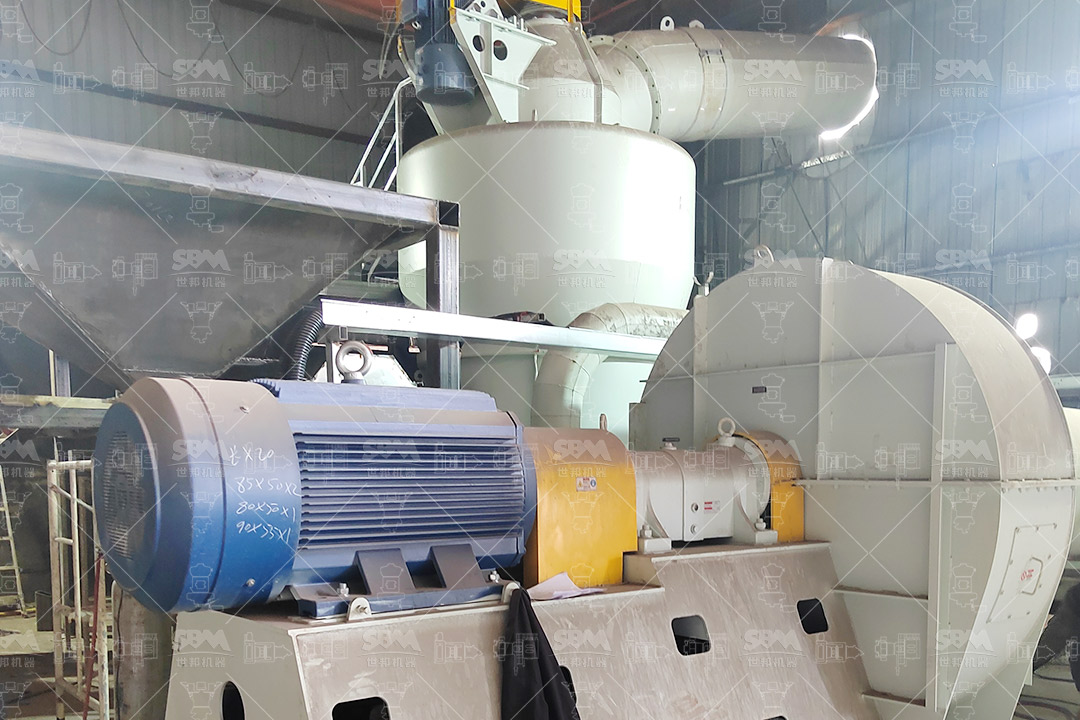
Following primary crushing, the material undergoes secondary crushing to further reduce particle size. Cone crushers or impact crushers are commonly used at this stage to achieve particles typically in the range of 10-20mm. For some applications, hammer mills may be employed for additional size reduction.
Our Hammer Mill series offers exceptional performance in secondary crushing of graphite ore. With input sizes up to 40mm and the ability to produce output as fine as 0-3mm, these robust machines feature optimized cavity designs and high-manganese steel wear plates that withstand the abrasive nature of graphite ore. The PC4012-90 model, for instance, delivers 15-40 tons per hour with a 90kW main motor, making it ideal for medium to large-scale graphite processing operations.
During secondary crushing, it’s crucial to monitor particle size distribution to ensure optimal feed characteristics for the subsequent fine grinding stages. Proper classification at this point can significantly improve overall process efficiency.
Stage 3: Fine Grinding Equipment Selection
Fine grinding represents the most critical phase in graphite processing, where the material is reduced to the target fineness required for specific applications. The choice of grinding equipment depends on several factors including the desired final particle size, production capacity requirements, energy efficiency considerations, and the need to preserve graphite’s crystalline structure.
Several grinding technologies are available for graphite processing:
Ball Mills for Coarse to Medium Grinding
Ball mills have traditionally been used for graphite grinding, particularly when producing powders in the 0.074-0.8mm range. These rotating cylinders containing grinding media (typically steel balls) operate on the principle of impact and attrition. While ball mills offer high capacity and reliability, they are generally less energy-efficient than more modern grinding technologies and may not be suitable for producing the ultra-fine powders required for advanced applications.
Our ball mill series includes models like the GMQG2445 with an 18.2m³ effective volume and 400kW power, capable of processing 55-10.5 tons per hour. These mills feature high chromium alloy steel balls and specialized liner plates designed to minimize contamination while maximizing grinding efficiency.
Vertical Roller Mills for Efficient Fine Grinding
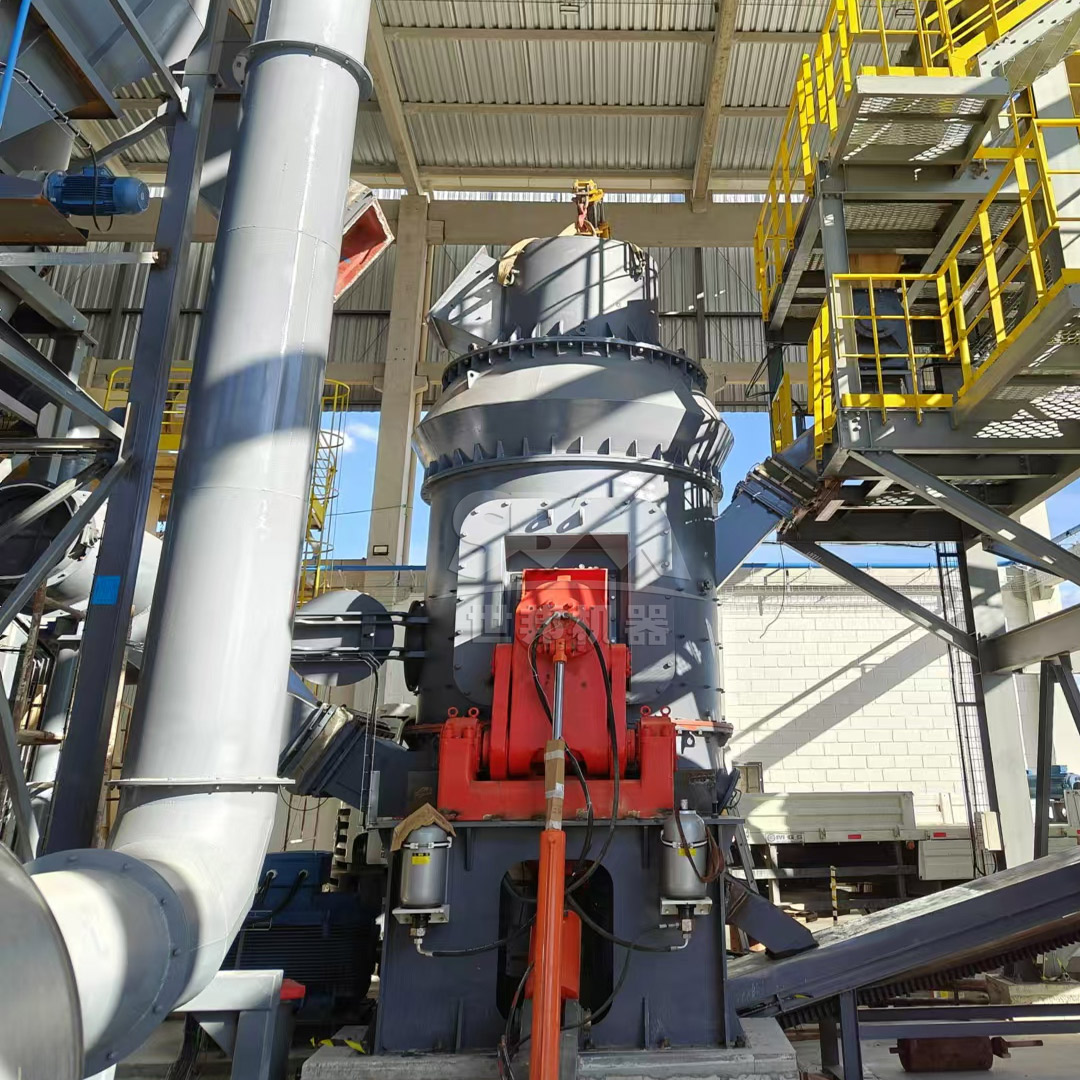
Vertical roller mills (VRMs) have gained popularity in graphite processing due to their superior energy efficiency compared to traditional ball mills. These systems integrate grinding, drying, and classification in a single compact unit, offering significant advantages in terms of footprint and operational simplicity.
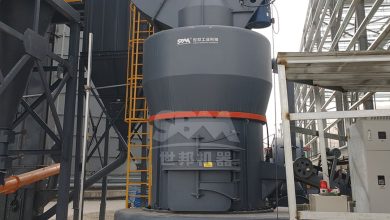
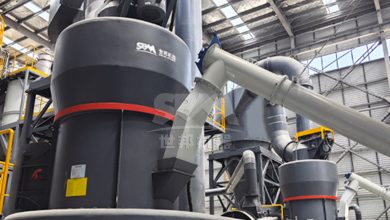
Our LM Series Vertical Roller Mills represent the pinnacle of grinding technology for materials like graphite. These mills feature a unique grinding principle where material is fed centrally onto the grinding table and transported to the grinding track by centrifugal force. The integrated dynamic classifier ensures precise particle size control, while the compact design reduces installation space by up to 50% compared to traditional ball mill systems.
Key advantages of our LM Series for graphite processing include:
- 30-40% lower energy consumption compared to ball mills
- Ability to handle feed materials up to 50mm in size
- Production of powders in the 30-325 mesh range (extendable to 600 mesh with special configurations)
- Capacities ranging from 3 to 250 tons per hour depending on model
- Advanced control systems for consistent product quality
Stage 4: Ultra-Fine Grinding for Specialized Applications
For applications requiring extremely fine graphite powders (typically below 10 microns), specialized ultra-fine grinding equipment is necessary. These applications include conductive coatings, advanced battery materials, and high-performance lubricants where particle size distribution and morphology critically influence performance.
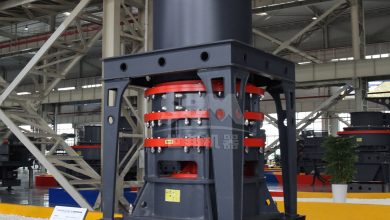
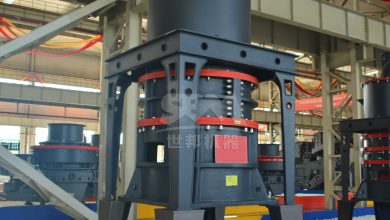
Our SCM Series Ultrafine Mill is specifically engineered for producing ultra-fine graphite powders with exceptional precision. This advanced grinding system operates with input sizes up to 20mm and can produce powders ranging from 325 to 2500 mesh (D97 ≤ 5μm), meeting the most demanding specifications for advanced graphite applications.
Technical Superiority of SCM Ultrafine Mill
The SCM Series incorporates several innovative features that make it ideally suited for graphite processing:
Efficient Energy Utilization: With capacity twice that of jet mills and energy consumption reduced by 30%, the SCM Series represents a significant advancement in grinding efficiency. The intelligent control system automatically adjusts operating parameters based on real-time feedback of product fineness, ensuring consistent quality while minimizing energy waste.
High-Precision Classification: The vertical turbine classifier enables precise particle size切割, eliminating coarse particle contamination and ensuring uniform product quality. This is particularly critical for graphite applications where consistent particle size distribution directly impacts material performance.
Durable Construction: Specially formulated materials for rollers and grinding rings extend service life significantly compared to conventional mills. The innovative bearing-free screw grinding chamber design enhances operational stability and reduces maintenance requirements.
Environmental Compliance: With pulse dust collection efficiency exceeding international standards and noise levels below 75dB, the SCM Series meets the most stringent environmental regulations. The integrated soundproofing chamber design creates a safer, more comfortable working environment.
SCM Series Model Specifications
The SCM Series is available in multiple configurations to match specific production requirements:
- SCM800: Processing capacity 0.5-4.5 tons/hour, 75kW main motor
- SCM900: Processing capacity 0.8-6.5 tons/hour, 90kW main motor
- SCM1000: Processing capacity 1.0-8.5 tons/hour, 132kW main motor
- SCM1250: Processing capacity 2.5-14 tons/hour, 185kW main motor
- SCM1680: Processing capacity 5.0-25 tons/hour, 315kW main motor
Each model maintains the same exceptional output fineness range (325-2500 mesh) while scaling capacity to meet operational needs. The modular design facilitates easy maintenance and future upgrades as production requirements evolve.
Stage 5: Classification and Particle Size Control
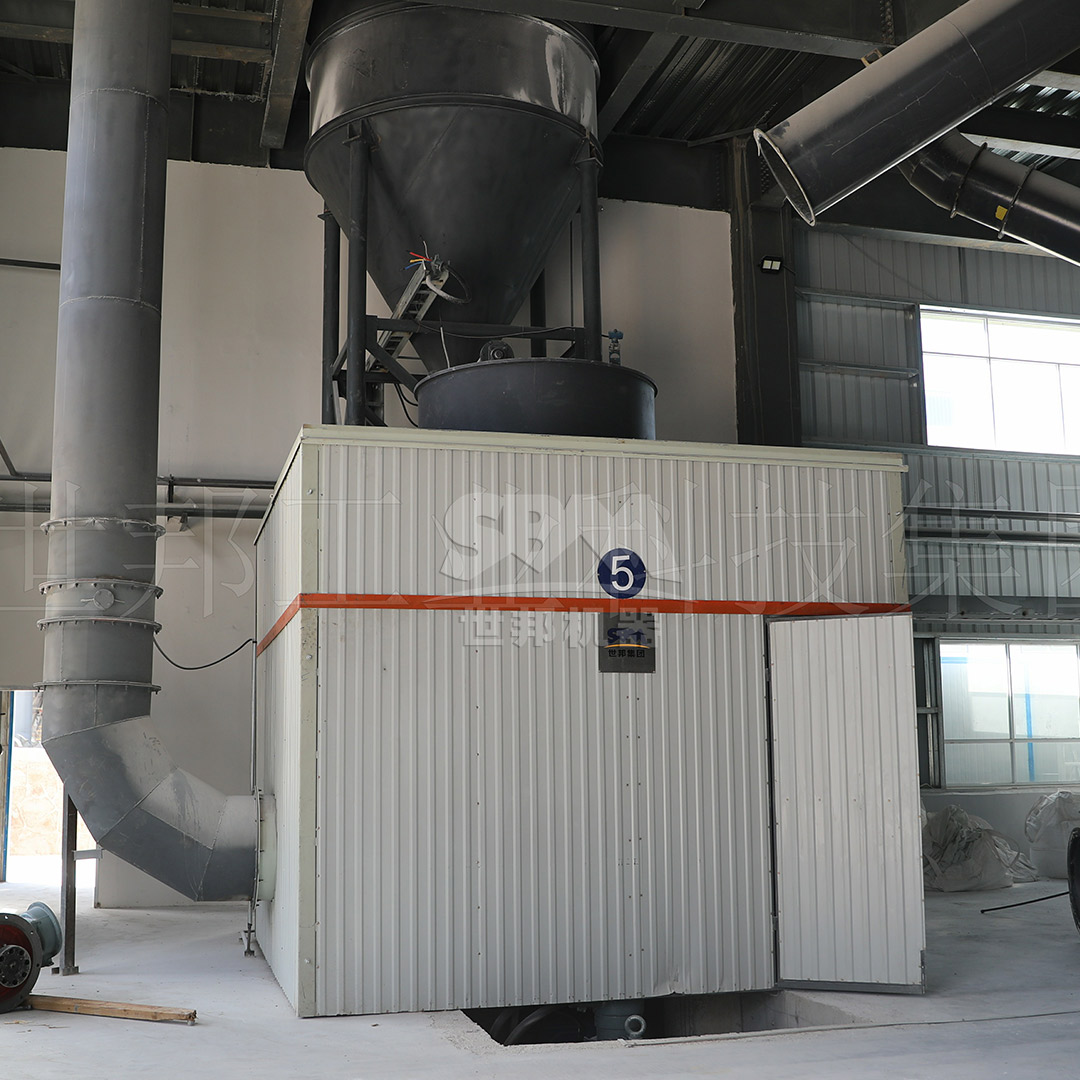
Effective classification is essential for producing graphite powders with specific particle size distributions. Modern grinding systems integrate advanced air classifiers that separate particles based on size, allowing precise control over the final product characteristics.
For graphite processing, both mechanical and air classification technologies are employed, with the choice depending on the target particle size range and production volume. High-efficiency cyclones and baghouse filters typically follow the classification stage to collect the finished product while maintaining clean operation.
Stage 6: Surface Modification and Functionalization
Beyond particle size reduction, many advanced graphite applications require surface modification to enhance compatibility with other materials or impart specific functional properties. Common modification techniques include coating with various substances, oxidation to create expanded graphite, or chemical treatment to improve dispersibility.
While not strictly part of the grinding process, these treatments are often integrated into modern graphite processing lines to create value-added products with enhanced performance characteristics.
Process Optimization Considerations
Optimizing the graphite grinding process requires careful attention to several key factors:
Energy Efficiency
Grinding operations typically account for a significant portion of total energy consumption in graphite processing. Selecting energy-efficient equipment like our SCM Series Ultrafine Mill or LM Series Vertical Roller Mills can reduce operational costs while minimizing environmental impact. Advanced control systems that automatically adjust operating parameters based on feed characteristics and product requirements further enhance efficiency.
Product Quality Consistency
Maintaining consistent product quality is essential for graphite powders used in critical applications. Modern grinding systems incorporate real-time monitoring and control technologies that continuously adjust operating parameters to compensate for variations in feed material or ambient conditions. The high-precision classification systems in equipment like our SCM Series ensure tight particle size distribution control batch after batch.
Contamination Control
Graphite’s purity is critical for many applications, particularly in electronics and battery manufacturing. Grinding equipment must be designed to minimize contamination from wear parts or external sources. Our mills feature specially formulated grinding elements that minimize metal contamination while maintaining long service life.
Environmental and Safety Considerations
Graphite processing presents specific environmental and safety challenges that must be addressed through proper equipment selection and process design:
Dust Control
Graphite dust can pose explosion hazards and respiratory health risks. Modern grinding systems incorporate comprehensive dust collection systems, with our equipment featuring pulse-jet dust collectors that exceed international standards for emission control. Fully enclosed designs prevent dust escape during normal operation.
Noise Reduction
Grinding operations can generate significant noise, potentially exceeding occupational exposure limits. Our mills incorporate advanced noise reduction technologies, with sound levels typically below 75-80dB, creating safer working environments and reducing the need for additional hearing protection measures.
Future Trends in Graphite Grinding Technology
The graphite grinding industry continues to evolve, with several emerging trends shaping equipment development:
Digitalization and Smart Manufacturing
Integration of IoT technologies, predictive maintenance algorithms, and advanced process control systems is transforming graphite grinding operations. Our latest mill designs incorporate connectivity features that enable remote monitoring, data analytics, and optimization based on real-time performance metrics.
Sustainability Focus
Increasing emphasis on sustainability is driving development of grinding technologies with reduced energy and water consumption, lower emissions, and longer service lives. Our equipment designs prioritize circular economy principles, with modular components that can be easily repaired or upgraded rather than replaced.
Conclusion
The journey from raw graphite ore to fine powder involves a sophisticated sequence of crushing and grinding operations, each requiring specialized equipment and precise process control. From initial size reduction through to ultra-fine grinding, the selection of appropriate technology critically influences product quality, operational efficiency, and economic viability.
Our comprehensive range of grinding equipment, particularly the SCM Series Ultrafine Mill and LM Series Vertical Roller Mills, offers graphite processors advanced solutions tailored to the specific challenges of this unique material. By combining energy efficiency, precise particle size control, and robust construction, these systems enable production of high-quality graphite powders meeting the most demanding application requirements.
As graphite continues to find new applications in advanced technologies, the grinding processes that transform this versatile material will undoubtedly continue to evolve, with innovation focused on enhancing efficiency, sustainability, and product performance.