Graphite Anode Material Industry Trends and Graphite Mill Structure Diagram
Introduction to Graphite Anode Material Industry
The global graphite anode material industry is experiencing unprecedented growth, driven primarily by the rapid expansion of the electric vehicle (EV) market and energy storage systems. Graphite remains the dominant anode material in lithium-ion batteries due to its excellent electrical conductivity, layered structure that facilitates lithium-ion intercalation, and relatively low cost compared to alternative materials. The industry is projected to grow at a compound annual growth rate (CAGR) of over 15% in the coming decade, with spherical graphite playing a crucial role in meeting the stringent requirements of modern battery technologies.
Key Industry Trends Shaping Graphite Anode Production
1. Demand for Higher Purity and Consistency
As battery manufacturers push for higher energy densities and longer cycle life, the demand for ultra-pure graphite anode materials has intensified. Modern lithium-ion batteries require graphite with purity levels exceeding 99.95% to minimize side reactions and ensure stable performance. This trend necessitates advanced purification technologies and precise control over the entire production process, from raw material selection to final product packaging.
2. Particle Size Distribution Optimization
The electrochemical performance of graphite anodes is highly dependent on particle size distribution. Optimal battery performance requires a carefully controlled distribution where D50 typically ranges between 10-20μm, with minimal ultrafine particles (below 5μm) that can reduce first-cycle efficiency. Advanced milling technologies are essential to achieve these specifications consistently across large-scale production batches.
3. Sustainable and Cost-Effective Production
With increasing environmental regulations and cost pressures, graphite producers are seeking more energy-efficient milling solutions. Traditional milling processes often consume excessive energy and generate significant waste. The industry is moving toward closed-loop systems that minimize environmental impact while maximizing material utilization rates.
Critical Role of Milling Technology in Graphite Anode Production
The milling process is arguably the most critical step in graphite anode production, as it directly influences key performance parameters including tap density, specific surface area, and electrochemical performance. Proper milling ensures the optimal balance between particle size, morphology, and structural integrity of the graphite crystals.
Graphite Mill Structure and Key Equipment
Primary Crushing Stage
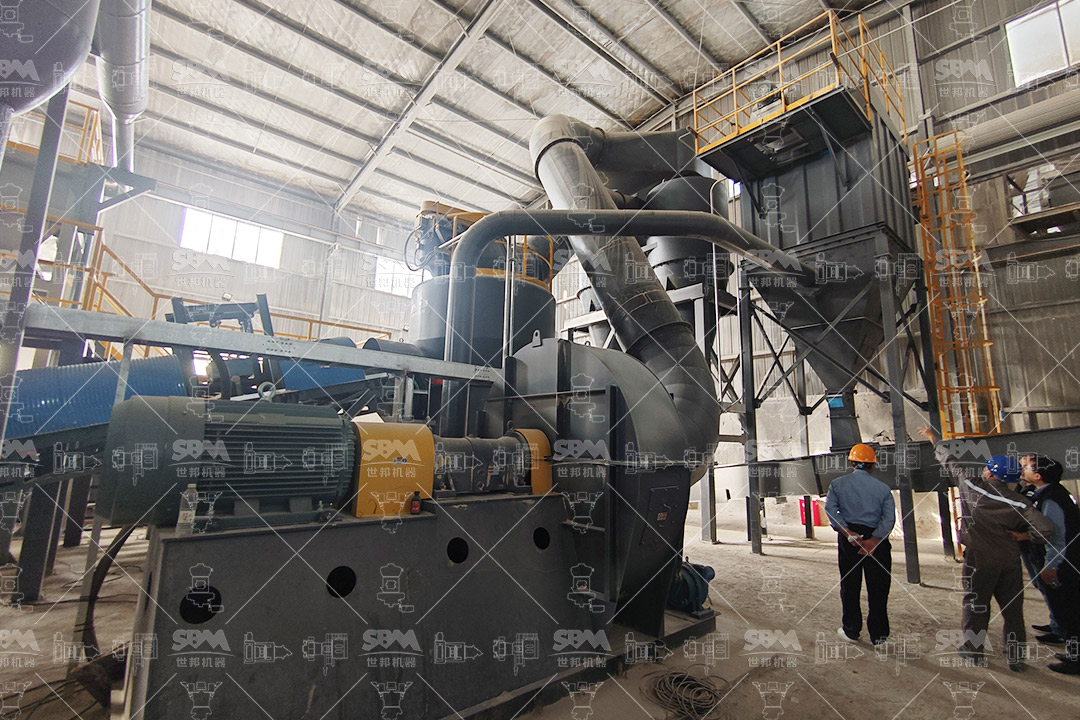
The graphite milling process begins with primary crushing of raw graphite flakes or synthetic graphite blocks. Hammer mills are commonly employed for this stage, reducing large graphite pieces to manageable sizes of 0-3mm. Our PC series hammer mills feature optimized cavity designs and high-manganese steel wear plates that ensure consistent particle size reduction while minimizing contamination.
Intermediate Grinding Stage
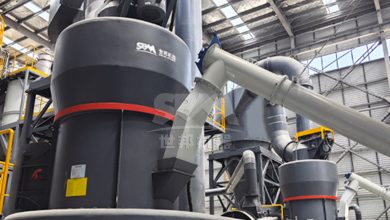
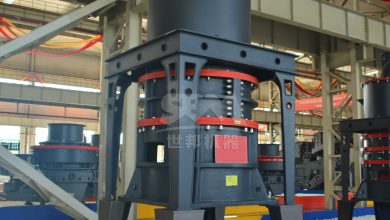
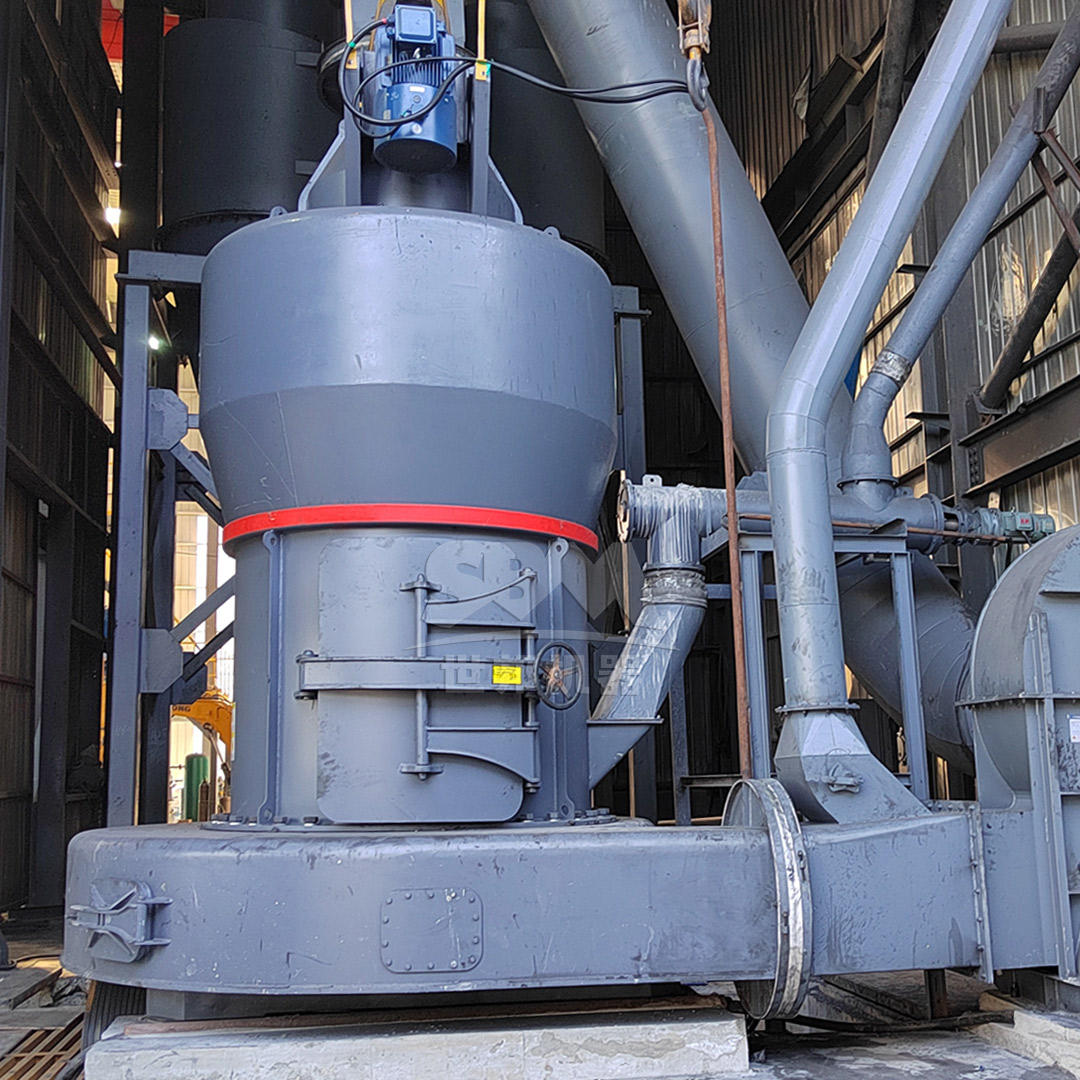
Following primary crushing, intermediate grinding further reduces particle size to the range of 45-600μm. This stage typically employs trapezium mills or vertical roller mills that offer balanced performance between throughput and energy consumption. The MTW Series Trapezium Mill stands out in this application with its innovative curved air channel design that reduces energy loss and combination wear shovel blades that significantly lower maintenance costs.
Ultrafine Grinding for Spherical Graphite Production
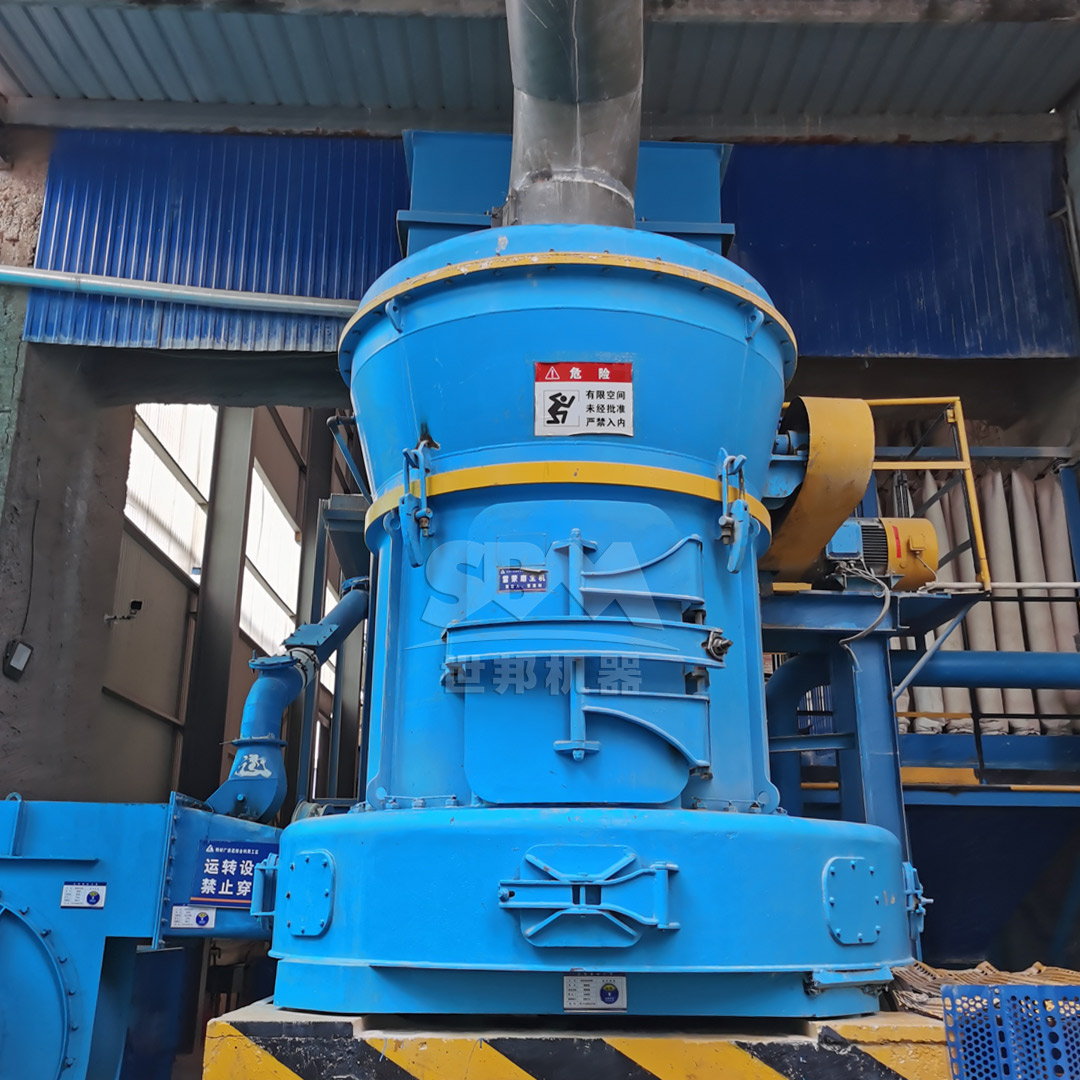
The production of spherical graphite for anode applications requires specialized ultrafine grinding equipment capable of achieving particle sizes between 5-45μm with narrow distribution. This is where our SCM Ultrafine Mill demonstrates exceptional performance. With its ability to produce powders in the range of 325-2500 mesh (D97≤5μm), this mill is ideally suited for high-value graphite anode materials. The vertical turbine classifier ensures precise particle size control, while the intelligent control system automatically adjusts operating parameters to maintain consistent product quality.
The SCM Ultrafine Mill’s energy efficiency is particularly noteworthy – it consumes 30% less energy compared to jet mills while delivering twice the production capacity. For graphite producers targeting the premium battery market, models like the SCM1250 (with throughput of 2.5-14 tons/hour) and SCM1680 (5.0-25 tons/hour) provide the scalability needed for large-volume production.
Classification and Separation Systems
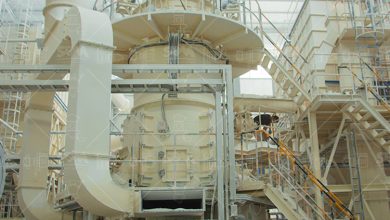
Modern graphite milling plants incorporate sophisticated classification systems to ensure precise particle size control. Turbo classifiers and air classifiers separate particles based on size and density, returning oversize material for further grinding. This closed-circuit approach maximizes production efficiency and product consistency.
Advanced Milling Solutions for Specific Graphite Applications
Natural Flake Graphite Processing
Natural flake graphite requires careful milling to preserve its crystalline structure while achieving the desired particle size. The layered nature of flake graphite makes it susceptible to overgrinding, which can damage the crystal structure and reduce electrochemical performance. Our MTM Series Medium-speed Trapezium Mill with its intelligent pressure regulation system automatically compensates for roller wear, ensuring consistent grinding pressure throughout the operational cycle.
Synthetic Graphite Milling
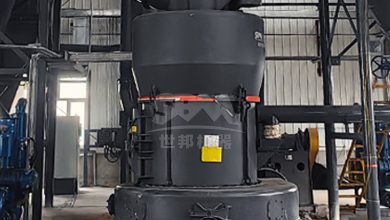
Synthetic graphite, being more isotropic than natural graphite, can withstand more aggressive milling parameters. For high-volume synthetic graphite production, the LM Series Vertical Roller Mill offers significant advantages with its integrated crushing, grinding, and separation functions. The compact design reduces footprint by 50% compared to traditional ball mill systems, while energy consumption is lowered by 30-40%.
Integration of Milling Systems with Downstream Processes
Modern graphite anode production facilities are increasingly adopting integrated approaches where milling systems are seamlessly connected with spheroidization, purification, and coating processes. This integration minimizes material handling, reduces contamination risks, and improves overall process efficiency. Our milling equipment is designed with compatibility in mind, featuring standardized interfaces that facilitate connection with downstream equipment.
Future Outlook: Emerging Technologies in Graphite Milling
AI-Driven Process Optimization
The next frontier in graphite milling involves the implementation of artificial intelligence and machine learning algorithms to optimize milling parameters in real-time. These systems can predict optimal operating conditions based on raw material characteristics and desired product specifications, significantly reducing the need for manual intervention and improving consistency.
Hybrid Milling Technologies
Emerging hybrid technologies that combine mechanical milling with other size reduction methods (such as ultrasonic or electrochemical approaches) show promise for producing graphite powders with unique morphological characteristics. These advanced materials may enable next-generation battery technologies with improved performance characteristics.
Conclusion
The graphite anode material industry continues to evolve rapidly, with milling technology playing a pivotal role in determining final product quality and production economics. As battery manufacturers demand increasingly stringent specifications for particle size, purity, and consistency, advanced milling solutions like our SCM Ultrafine Mill and MTW Series Trapezium Mill will be essential for producers seeking to maintain competitive advantage. The integration of smart control systems, energy-efficient designs, and compatibility with downstream processes represents the future direction of graphite milling technology.
For graphite producers looking to upgrade their milling capabilities, we recommend considering our SCM series for ultrafine applications requiring precise particle size control down to 5μm, or our MTW series for high-volume processing where energy efficiency and low maintenance costs are priorities. Both product lines incorporate the latest technological advancements and are backed by comprehensive technical support to ensure optimal performance in graphite anode production applications.