Graphite Anode Material Grinding Mill | Ultrafine Graphite Powder Processing Equipment
Introduction: The Critical Role of Grinding in Graphite Anode Production
The burgeoning demand for lithium-ion batteries (LIBs), driven by the global shift towards electric vehicles (EVs) and renewable energy storage, has placed unprecedented focus on the quality and performance of anode materials. Among these, graphite remains the dominant anode material due to its excellent electrical conductivity, structural stability, and relatively low cost. However, the electrochemical performance of a graphite anode—including its capacity, rate capability, cycle life, and first-cycle efficiency—is intrinsically linked to the physical characteristics of the graphite powder, most notably its particle size distribution (PSD), morphology, and purity.
Processing natural or synthetic graphite into a high-performance anode material requires precise and efficient grinding technology. The target is to achieve a fine, uniform powder with a tightly controlled PSD, typically in the range of 10-20 microns (D50) with minimal oversized particles. This process must be energy-efficient, environmentally sound, and capable of handling the material without introducing impurities or causing excessive structural damage that could degrade battery performance. This article explores the technological requirements for graphite anode grinding and highlights advanced milling solutions.
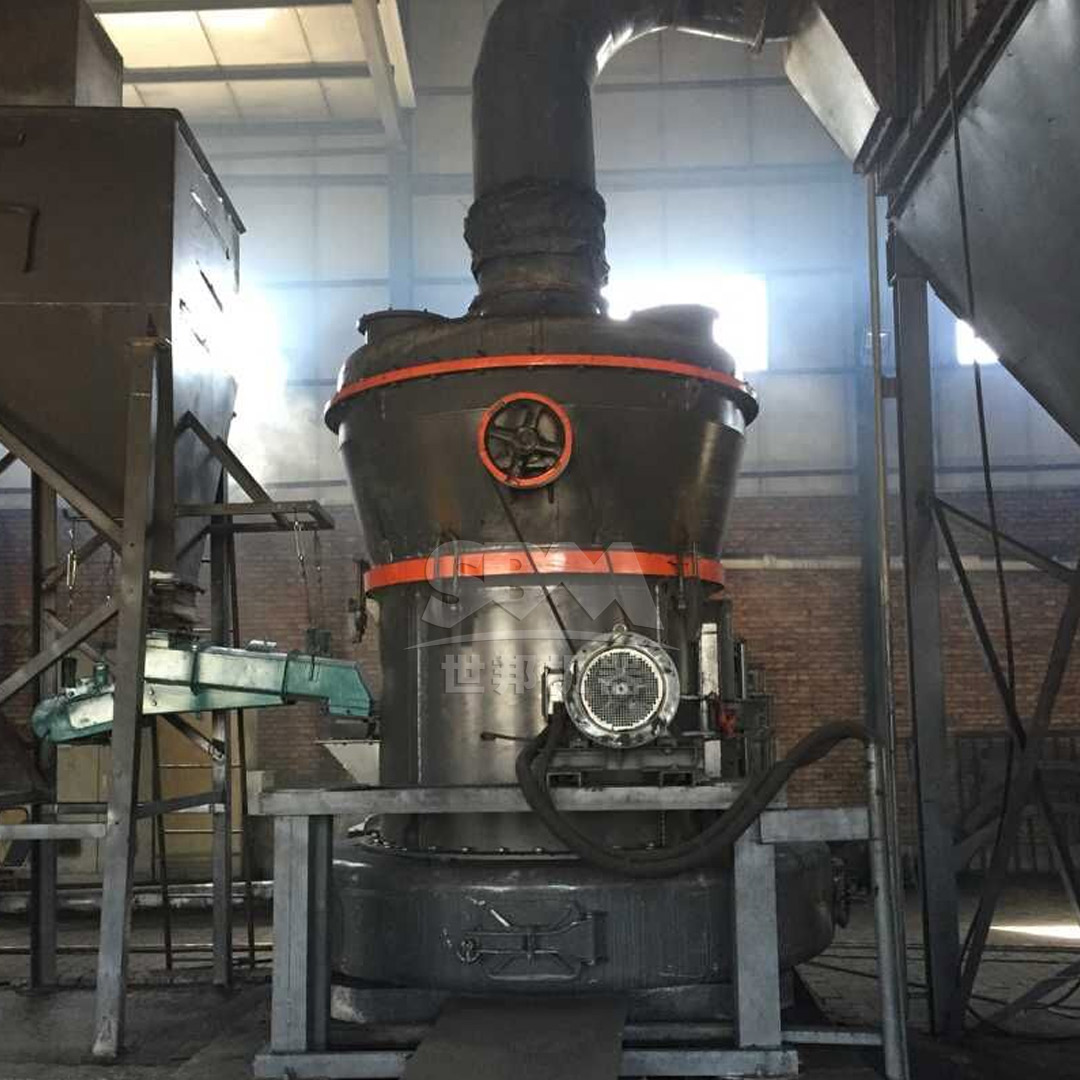
Key Challenges in Ultrafine Graphite Powder Processing
Grinding graphite for anode applications is not a simple size reduction task. It presents several specific challenges:
- Particle Size & Distribution Control: Achieving a consistent D97 of less than 20μm, often targeting 5-15μm, is crucial. A broad PSD can lead to poor packing density in the electrode coating and uneven lithium-ion intercalation.
- Particle Shape Optimization: While initial crushing may produce flaky particles, subsequent processing often aims to spheroidize them. Spherical graphite offers higher tap density, better fluidity for electrode slurry, and improved interparticle contact.
- Minimizing Contamination: The grinding process must not introduce metallic impurities (e.g., from wear of grinding media or liners) as these can catalyze electrolyte decomposition and form detrimental solid-electrolyte interphase (SEI) layers.
- Preserving Crystallinity: Excessive mechanical energy or heat can disrupt the crystalline structure of graphite, reducing its electrical conductivity and lithium-ion intercalation capability.
- Energy Efficiency & Throughput: Given the scale of battery production, the grinding process must be high-capacity and consume minimal energy per ton of product to be economically viable.
Advanced Grinding Technologies for Graphite Anode Materials
To meet these stringent demands, traditional grinding equipment like ball mills or Raymond mills often fall short due to contamination risks, poor energy efficiency, or inadequate fineness control. The industry has moved towards more sophisticated, integrated milling systems.
1. Jet Milling (Fluidized Bed Jet Mills)
This is a contamination-free method where particles are accelerated in high-pressure gas streams and collided with each other. It excels in producing ultra-fine powders (down to 1-2μm) with narrow PSDs and is excellent for final polishing or de-agglomeration. However, its high energy consumption and relatively lower capacity make it costly for primary size reduction in high-volume anode production.
2. Mechanical Mill Systems with Integrated Classification
This category represents the workhorse technology for primary and intermediate grinding of anode graphite. These systems combine a mechanical grinding mechanism (roller, ring, disc) with a highly precise air classifier in a closed circuit. The ground material is pneumatically conveyed to the classifier, where oversized particles are separated and returned to the grinding zone for further processing. This ensures a precise top-cut and a stable, uniform product fineness.
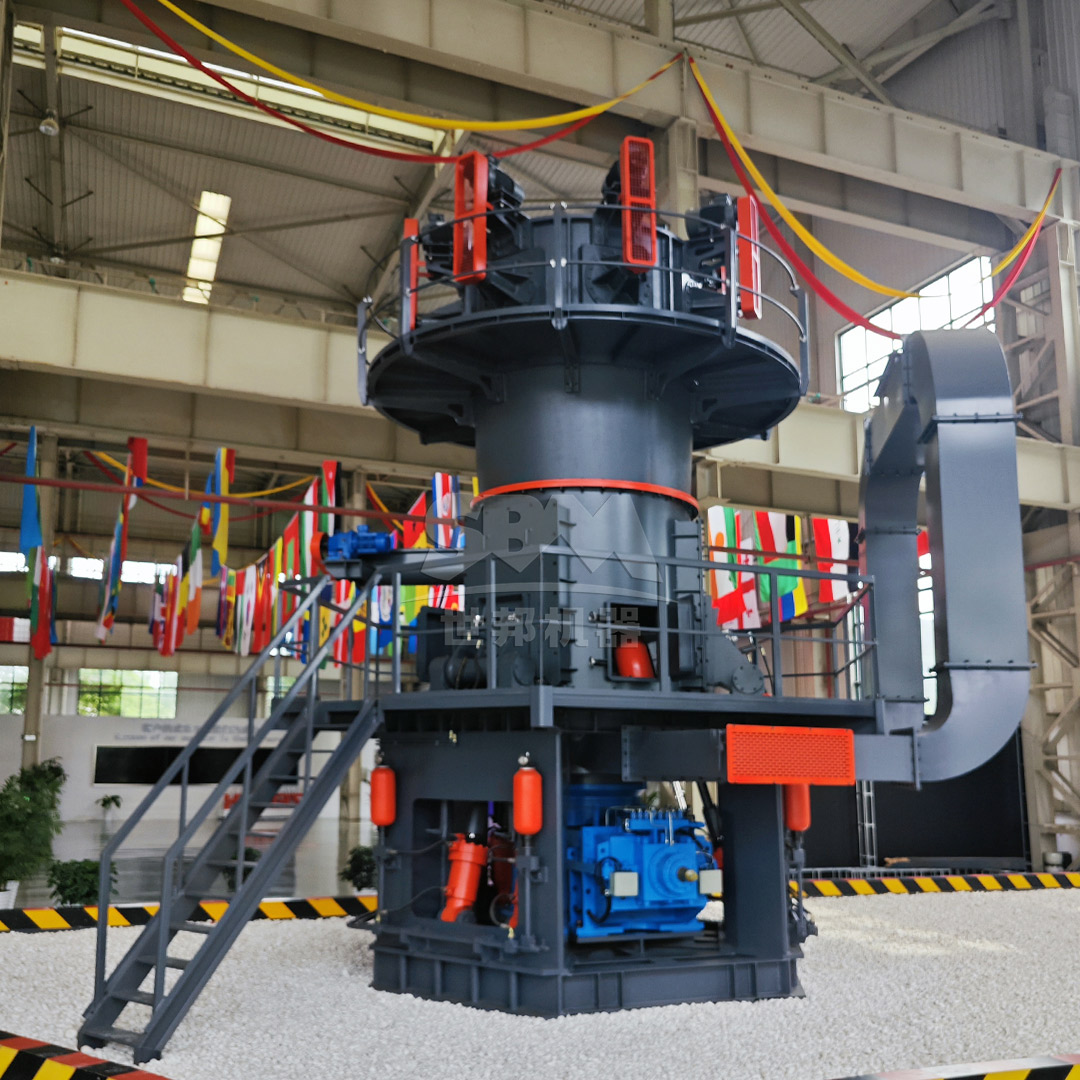
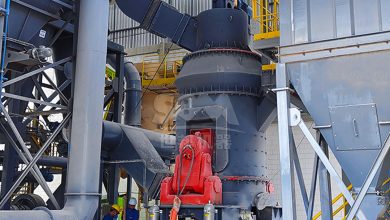
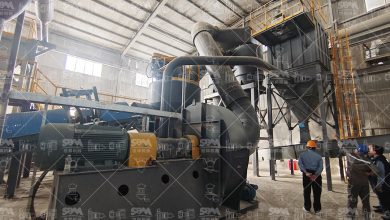
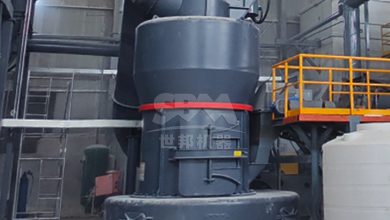
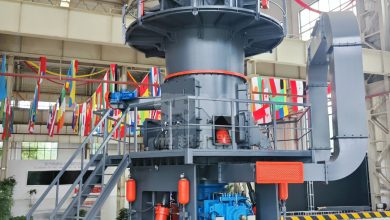
Recommended Solution: SCM Ultrafine Mill for Premium Anode-Grade Graphite
For producers targeting the high-end anode market requiring ultrafine powders with D97 as fine as 5μm (2500 mesh), the SCM Ultrafine Mill series represents an optimal technological choice. This mill is engineered specifically for the challenges of processing advanced materials like battery-grade graphite.
Why the SCM Ultrafine Mill is Ideal for Graphite:
- Ultra-Fine & Consistent Output: Capable of producing powder in the range of 325-2500 mesh (45-5μm), it directly meets the fineness specifications for high-capacity anode materials. Its vertical turbine classifier ensures precise particle size切割, eliminating coarse particles and delivering a uniform product critical for electrode coating.
- High Efficiency & Low Energy Consumption: Compared to traditional jet mills, the SCM series offers approximately double the capacity while reducing energy consumption by up to 30%. This is achieved through its layered grinding principle and optimized mechanical design, making large-scale production economically feasible.
- Minimal Contamination Risk: The grinding rollers and ring are made from special wear-resistant materials, significantly extending service life and reducing the frequency of metallic wear debris generation. Furthermore, the critical grinding zone can be designed with a bearing-less screw structure, enhancing stability and purity.
- Intelligent Control & Stability: The mill features an intelligent control system that can automatically adjust operational parameters based on feedback, maintaining a consistent product fineness (D97) even with slight variations in feed material.
- Environmental Compliance: The integrated pulse-jet baghouse dust collector exceeds international emission standards, ensuring a clean workshop environment. The mill’s design incorporates sound insulation, keeping operational noise below 75dB.
Model Selection Guidance: For pilot plants or medium-scale production, the SCM1000 model (1.0-8.5 ton/h, 132kW) offers an excellent balance of capability and footprint. For large-scale gigafactory supply chains, the SCM1680 model (5.0-25 ton/h, 315kW) provides the necessary throughput to meet massive demand.
Complementary Solution: MTW Series Trapezium Mill for Pre-Grinding and Coarser Grades
Not all anode formulations require the extreme fineness of the SCM mill. For applications using slightly coarser spherical graphite or for the crucial pre-grinding stage that prepares feed material for final ultra-fine milling, the MTW Series Trapezium Mill is a robust and efficient solution.
This mill handles larger input sizes (up to 50mm) and produces powder in the 30-325 mesh (0.6-0.045mm) range. Its advantages for graphite processing include:
- High Capacity & Reliability: With models offering up to 45 tons per hour, it is perfect for high-volume primary grinding. Its curved air duct and wear-resistant components are designed for continuous, stable operation.
- Excellent Wear Protection: The modular design of wear parts like shovel blades reduces maintenance downtime and cost. The curved design of the grinding roller and ring extends their service life.
- Efficient Classification: An internal classifier ensures effective separation, allowing for control over the product’s top size, which is essential for preparing a consistent feed for downstream processes.
Using an MTW mill for initial size reduction followed by an SCM mill for final refinement creates a highly efficient, two-stage grinding circuit that optimizes both capital and operational costs for comprehensive anode material production.

Conclusion: Selecting the Right Tool for Performance and Profitability
The path to superior lithium-ion battery performance is paved with precisely engineered materials. The grinding process for graphite anode powder is a critical step where technology defines quality. Moving beyond conventional milling to advanced systems with integrated classification and intelligent control is no longer an option but a necessity for competitive anode producers.
For operations demanding the ultimate in fineness and purity for high-end anodes, the SCM Ultrafine Mill provides a technologically superior, energy-efficient, and reliable solution. For high-volume pre-processing or producing coarser graphite grades, the MTW Series Trapezium Mill offers unmatched capacity and durability. Together, these technologies form the backbone of a modern, scalable, and high-quality graphite anode production line, empowering the clean energy transition with every ton of powder processed.