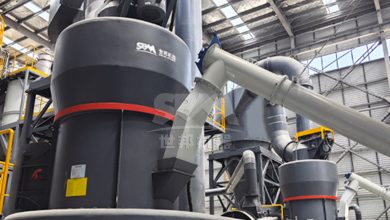
Future Trends of Activated Carbon Industry: Strong Market Demand Driving Growth
Introduction: The Expanding Horizon of Activated Carbon
The global activated carbon market is experiencing unprecedented growth, driven by increasingly stringent environmental regulations, rising demand for water and air purification, and expanding applications in sectors such as food & beverage, pharmaceuticals, and gold recovery. As a porous material with an exceptionally high surface area, activated carbon’s ability to adsorb contaminants makes it indispensable for modern industrial and environmental processes. This article explores the key trends shaping the industry’s future and highlights the critical role of advanced processing equipment in meeting the evolving demands for quality, efficiency, and sustainability.
Key Market Drivers and Future Trends
1. Environmental Regulations and Water Treatment
Governments worldwide are implementing stricter standards for drinking water and wastewater discharge. The need to remove micropollutants, pharmaceuticals, and industrial chemicals is pushing the demand for high-performance activated carbon. This trend necessitates raw materials with consistent quality and advanced activation processes to achieve superior adsorption capacities.
2. Air Purification and Volatile Organic Compounds (VOCs) Control
Industrial air emissions and indoor air quality concerns are fueling demand for activated carbon in gas-phase applications. From automotive cabin filters to large-scale industrial scrubbers, the requirement for carbons with tailored pore structures for specific VOC molecules is growing. This demands precise control over the raw material preparation and activation stages.
3. Growth in Pharmaceutical and Food Industries
Activated carbon is vital for decolorization, deodorization, and purification in pharmaceutical manufacturing and food processing (e.g., sugar refining, edible oil bleaching). These sectors require ultra-pure, food-grade carbon with very fine particle sizes and low impurity levels, placing a premium on fine and ultra-fine grinding technologies.
4. Energy Storage and Emerging Applications
Research into activated carbon for supercapacitors and battery electrodes is opening new frontiers. These applications often require carbon with specific nanostructures and extremely high surface areas, which are achieved through specialized precursor materials and precise thermal/chemical activation, often preceded by meticulous feedstock preparation.
The Critical Role of Precise Size Reduction
The performance of activated carbon is intrinsically linked to its particle size distribution (PSD). Finer powders offer greater external surface area, leading to faster adsorption kinetics, which is crucial for many gas-phase and liquid-phase applications. However, producing fine and ultra-fine powders efficiently and consistently is a major technological challenge. Traditional grinding methods often suffer from high energy consumption, excessive heat generation (which can degrade the carbon structure), and poor control over PSD, leading to product variability and wasted material.
This is where advanced milling technology becomes a cornerstone for competitive advantage. Modern mills must deliver:
- High Precision: Ability to produce narrow, consistent particle size distributions (e.g., D97 ≤ 5μm for specialized applications).
- Energy Efficiency: Lower specific energy consumption (kWh/ton) to reduce operational costs and carbon footprint.
- Product Integrity: Cool operation to prevent thermal degradation of the carbon’s porous structure.
- Scalability & Reliability: Robust design for continuous, high-volume production with minimal downtime.
Meeting Industry Demands with Advanced Milling Solutions
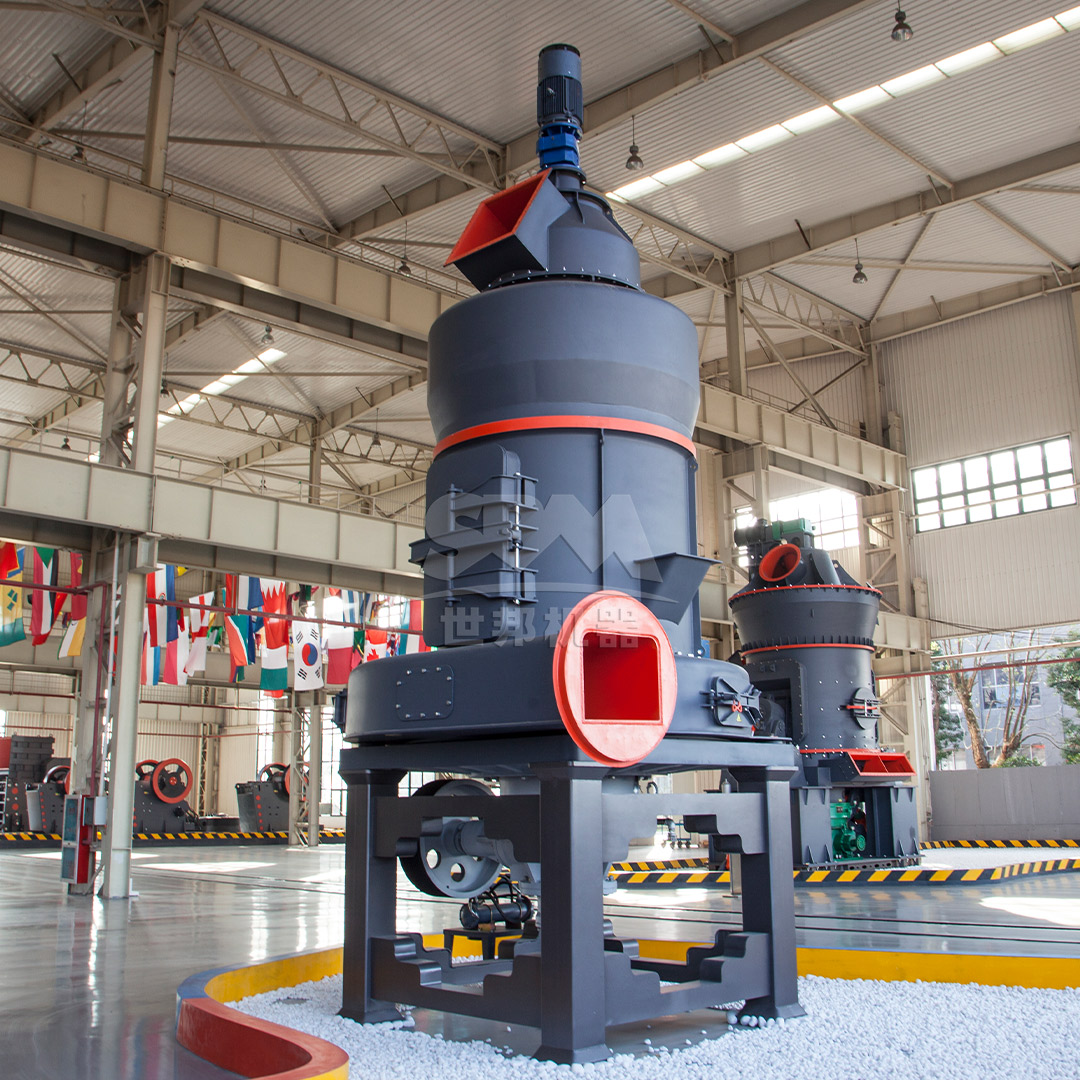
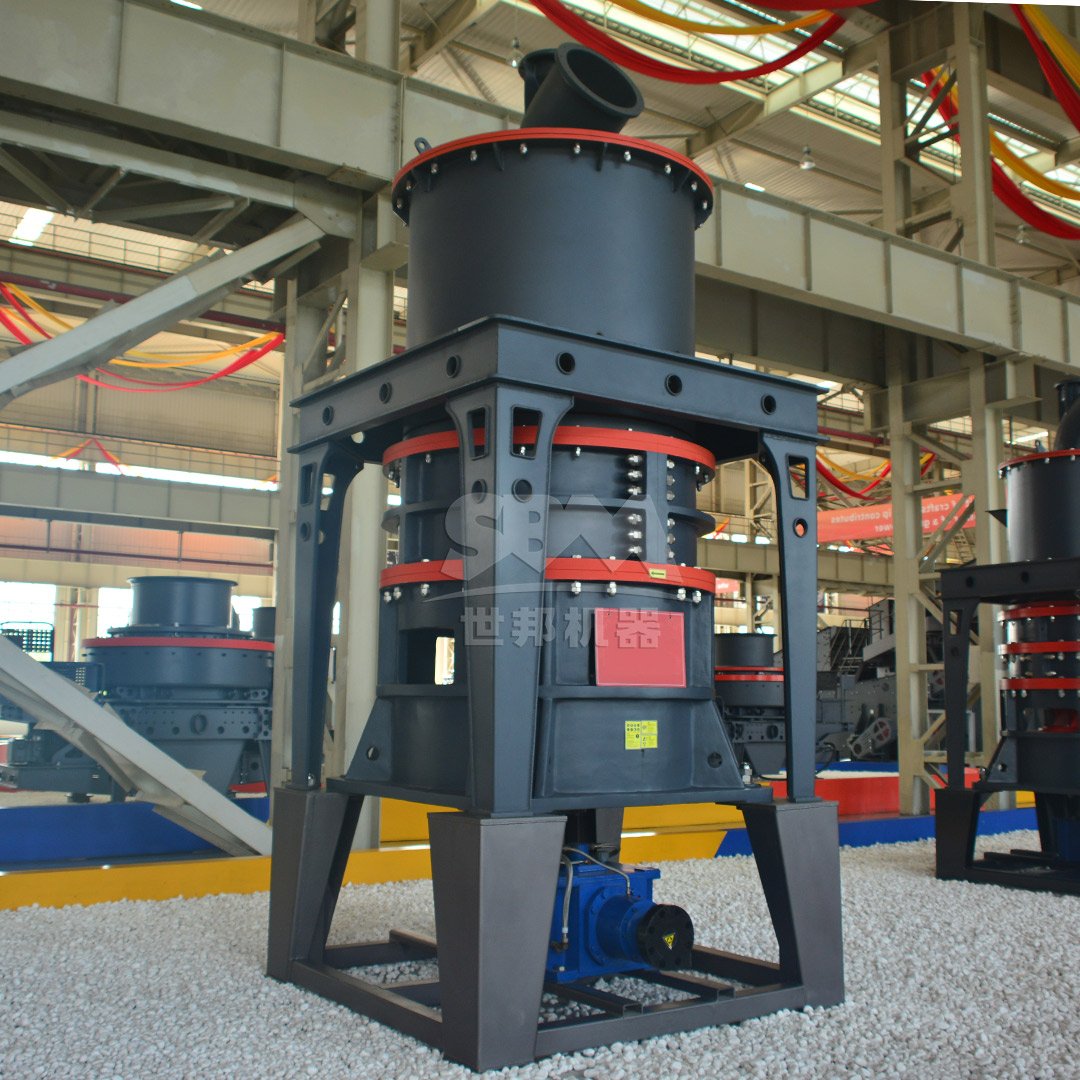
To address these precise needs, equipment manufacturers have developed specialized grinding systems. For instance, our SCM Series Ultrafine Mill is engineered specifically for producing high-value fine powders like activated carbon. It accepts feed material up to 20mm and can produce powders in the range of 325 to 2500 mesh (D97 ≤ 5μm), with capacities from 0.5 to 25 tons per hour depending on the model.
Its technological advantages directly counter the challenges of activated carbon processing:
- Efficient & Energy-Saving: Compared to traditional jet mills, the SCM mill offers double the capacity while reducing energy consumption by 30%. Its intelligent control system provides automatic feedback on final particle size.
- High-Precision Classification: A vertical turbo classifier ensures precise particle size cut-off, preventing coarse particles from contaminating the final product and guaranteeing uniformity.
- Durable & Stable Operation: Specially hardened grinding rollers and rings extend service life significantly. The innovative bearing-less screw design in the grinding chamber enhances operational stability.
- Environmental Compliance: With a pulse dust collector exceeding international standards and a soundproof cabin design keeping noise below 75dB, it meets modern factory environmental requirements.
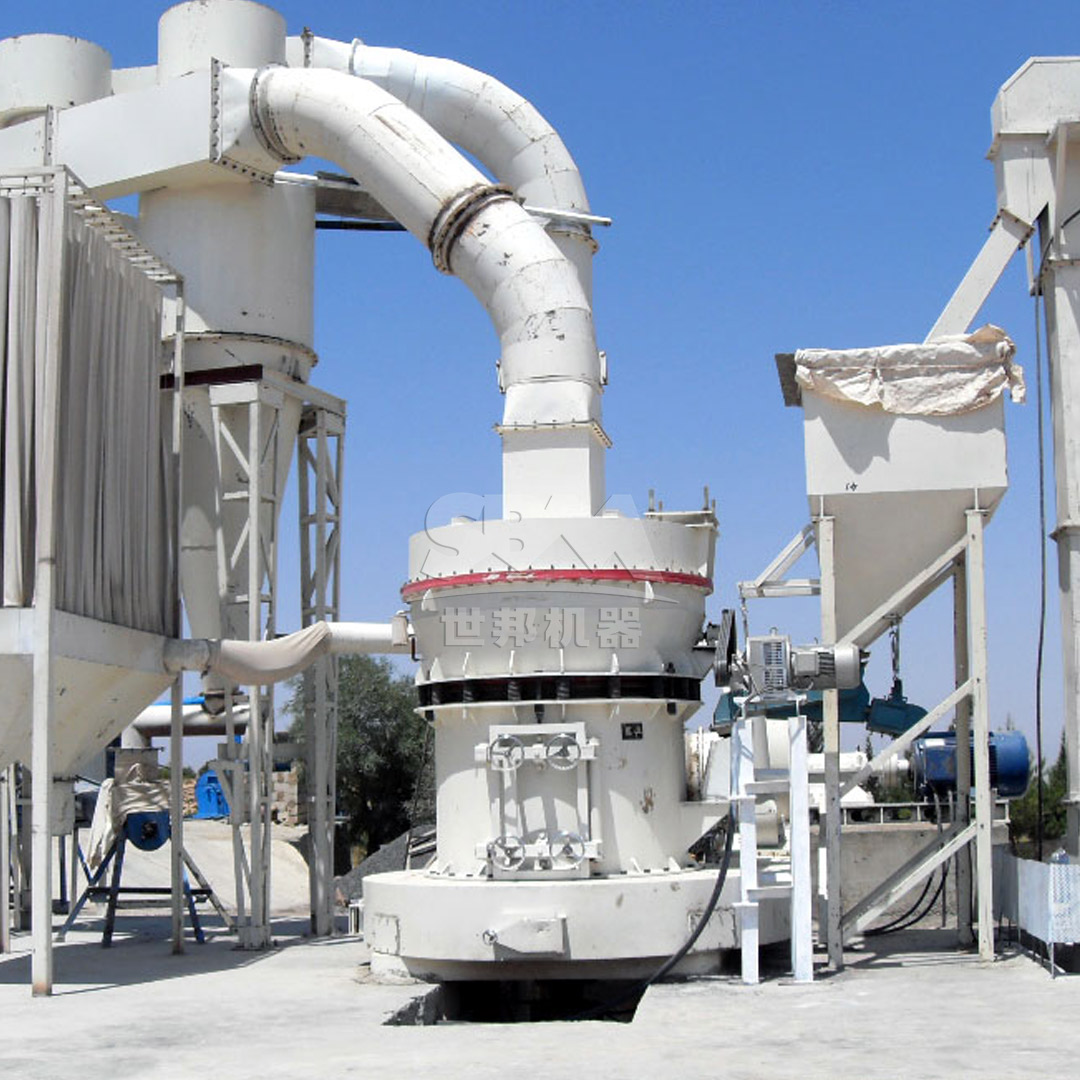
For operations requiring high-capacity processing of activated carbon into slightly coarser grades (e.g., for certain water filtration media), our MTW Series Trapezium Mill presents an excellent solution. It handles feed up to 50mm and produces powders from 30 to 325 mesh, with impressive capacities ranging from 3 to 45 tons per hour. Its advantages include a wear-resistant shovel design, optimized curved air duct for reduced energy loss, and an efficient cone gear transmission system with 98% efficiency, making it ideal for large-scale production lines where reliability and low maintenance are paramount.
Conclusion: Investing in Technology for Sustainable Growth
The future of the activated carbon industry is bright, underpinned by global sustainability goals and technological innovation. Success in this competitive market will belong to producers who can deliver consistent, high-performance products at scale while controlling costs. Investing in the right processing technology—specifically, advanced, efficient, and precise grinding equipment—is not merely an operational decision but a strategic one. It enables manufacturers to adapt to diverse market demands, improve product quality, reduce environmental impact, and ultimately, drive profitable growth in an era defined by strong and evolving market demand.