Fiberglass Grinding Mill: Complete Equipment Guide for Producing Glass Fiber Powder
Introduction to Glass Fiber Powder Production
The production of glass fiber powder is a critical process in numerous industries, including composites, construction, insulation, and filtration. This fine powder, derived from glass fibers, enhances material properties such as strength, thermal resistance, and dimensional stability. The core of this production lies in the grinding and milling stage, where raw glass fiber strands or scrap are transformed into a uniform, fine powder with specific particle size distributions. Selecting the appropriate grinding equipment is paramount, as it directly impacts product quality, production efficiency, energy consumption, and operational costs. This guide provides a comprehensive overview of the grinding process and equipment selection for producing high-quality glass fiber powder.
Key Considerations for Grinding Glass Fiber
Glass fiber presents unique challenges in grinding due to its abrasive nature, fibrous structure, and the need for precise particle size control. The primary goals are to achieve the desired fineness (often in the micron or sub-micron range), maintain a narrow particle size distribution, and preserve the chemical integrity of the glass. Key factors to consider include:
- Target Fineness: Applications range from coarse fillers (30-100 mesh) to ultra-fine functional powders (over 1000 mesh or 5μm).
- Material Abrasiveness: Glass is highly abrasive, demanding mills constructed with wear-resistant materials to ensure longevity.
- Fiber Length Reduction: The process must effectively break down the fibrous structure into a particulate powder.
- Heat Generation: Excessive heat during grinding can affect glass properties; thus, mills with efficient cooling or low heat generation are preferred.
- Contamination Control: The grinding system must minimize contamination from wear parts to maintain product purity.
Types of Grinding Mills for Glass Fiber
Different milling technologies are suited for various stages and fineness requirements in glass fiber powder production.
1. Pre-Crushing and Coarse Grinding
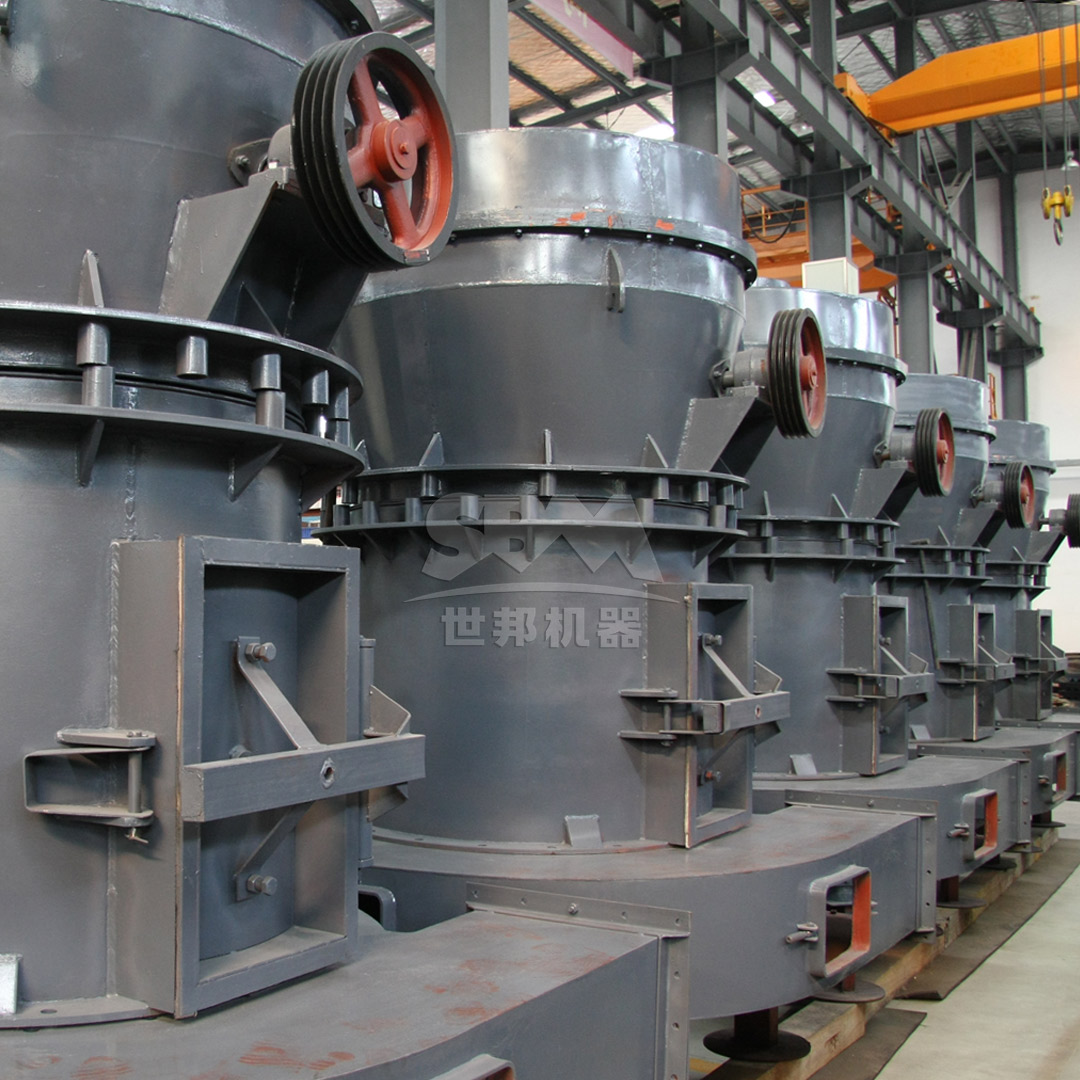
Initial size reduction of glass fiber bundles or scrap is often necessary. Hammer Mills are excellent for this purpose. They utilize high-speed rotating hammers to shatter and crush material against a hardened liner. Models like the PC4012-90, with an input size of 0-40mm and output of 0-3mm, provide high capacity and a high reduction ratio, making them ideal for the first stage of processing.
2. Fine and Ultra-Fine Grinding
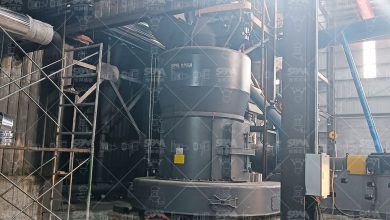
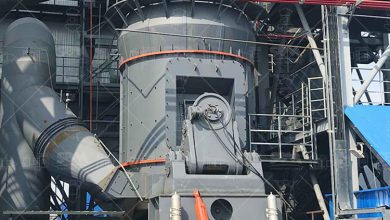
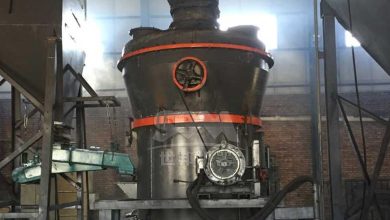
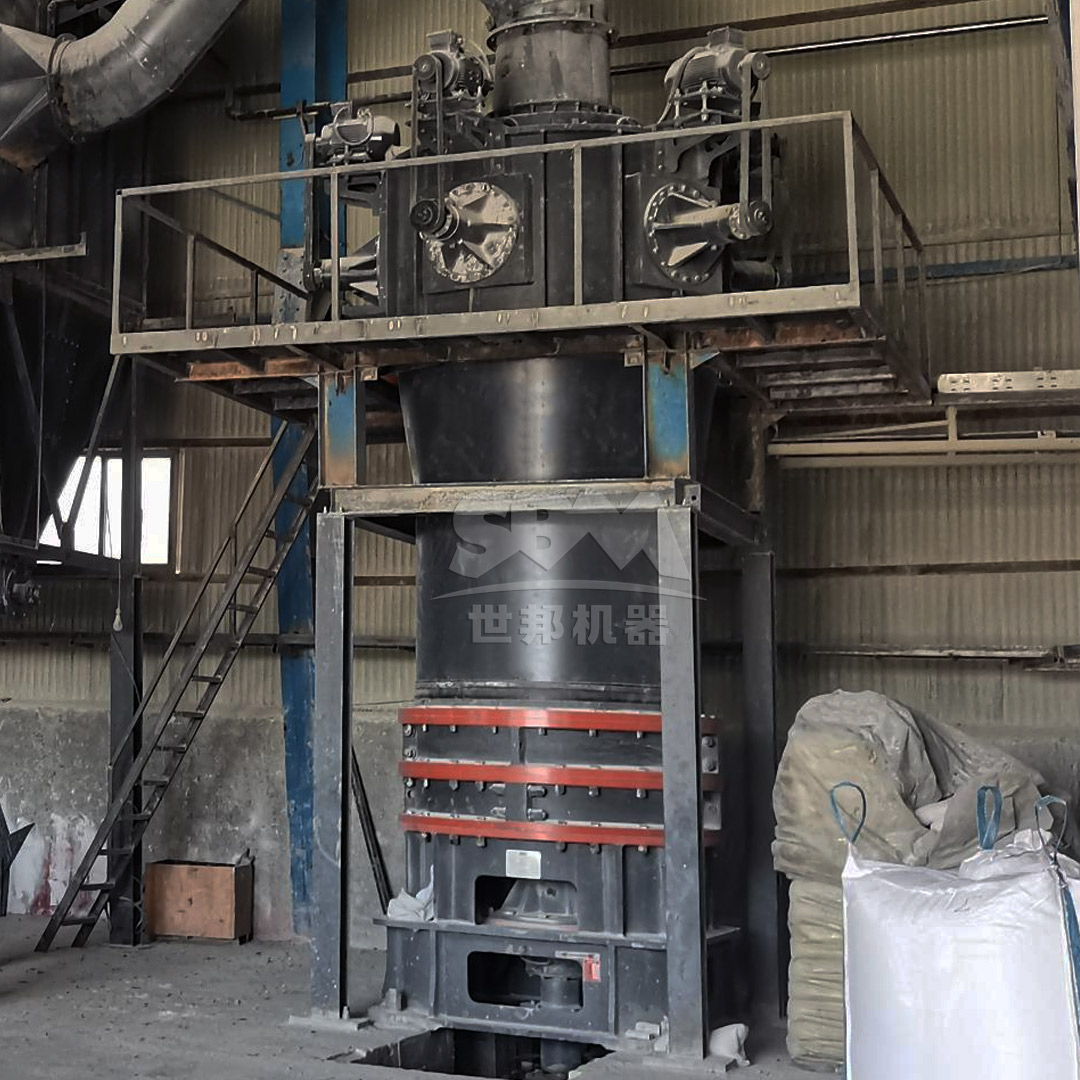
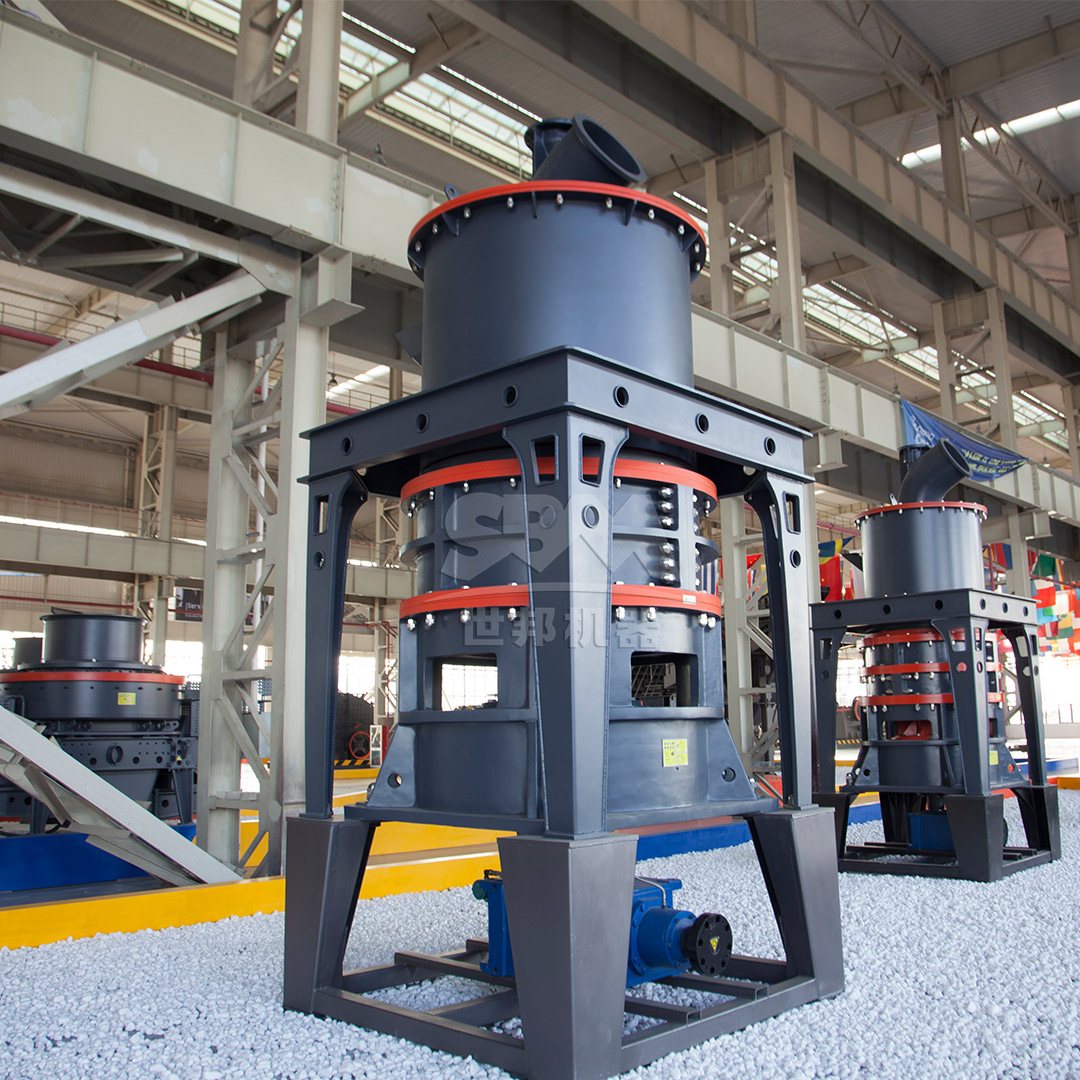
For producing fine (325 mesh / 45μm) to ultra-fine (2500 mesh / 5μm) glass fiber powder, advanced milling systems are required. Here, our SCM Ultrafine Mill series stands out as a premier solution. Engineered specifically for high-precision, high-efficiency fine powder production, it addresses the core challenges of grinding glass fiber.
The SCM Mill operates on a layered grinding principle. The main motor drives multiple grinding rings to rotate. Material is fed into the mill and dispersed by centrifugal force into the grinding path, where it is repeatedly compressed and ground between rollers and rings. Its integrated high-precision vertical turbo classifier ensures precise particle size切割, allowing for consistent output in the range of 325 to 2500 mesh (D97 ≤5μm).
Why the SCM Series is Ideal for Glass Fiber Powder:
- Efficiency & Energy Savings: It offers twice the capacity of jet mills while reducing energy consumption by 30%, thanks to its intelligent control system that auto-adjusts based on product fineness feedback.
- Superior Wear Resistance: The rollers and grinding rings are made from special wear-resistant materials, extending service life several times over when processing abrasive glass. Its bearing-less screw grinding chamber design further enhances operational stability.
- Exceptional Product Quality: The精准的分级系统 prevents coarse particles from mixing into the final product, guaranteeing uniformity—a critical factor for downstream composite applications.
- Environmental Compliance: With a pulse dust collection system exceeding international standards and soundproofing that keeps noise levels below 75dB, it ensures a clean and quiet operation.
With models like the SCM1000 (1.0-8.5 ton/h capacity, 132kW) or the larger SCM1680 (5.0-25 ton/h, 315kW), the SCM series can be scaled to match any production requirement for high-quality glass fiber powder.
3. Large-Scale and Versatile Grinding
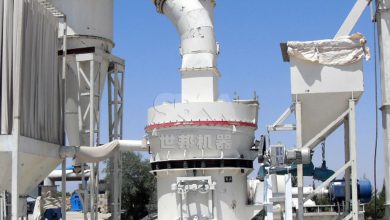
For operations requiring high capacity and flexibility to process a range of materials including glass fiber to medium fineness, the MTW Series Trapezium Mill is an excellent choice. This European-style mill is renowned for its robustness and efficiency.
Its working principle involves磨辊 revolving around a central axis while rotating on its own. Shovels throw material into the space between the grinding roller and ring, where it is crushed by挤压. The curved air duct design minimizes energy loss, and the锥齿轮整体传动 system achieves a remarkable 98% transmission efficiency.
Key Advantages of the MTW Mill for Glass Fiber:
- High Capacity & Durability: Models like the MTW215G offer capacities up to 45 tons per hour, suitable for large-volume production. Its wear-resistant components, including combined shovel blades, reduce maintenance costs.
- Precise Classification: An efficient internal powder classifier allows for adjustable fineness from 30 to 325 mesh (down to 0.038mm).
- Reliable Operation: The patented inner oil lubrication system and advanced pulse dust removal technology ensure smooth, low-maintenance, and environmentally friendly operation.
Complete System Integration
A successful glass fiber powder production line involves more than just the grinding mill. A complete system typically integrates several key components:
- Feeding System: A controlled feeder (e.g., vibrating or screw feeder) ensures a consistent and regulated supply of material to the mill.
- Grinding Mill: The core unit (e.g., SCM Ultrafine Mill) where size reduction and primary classification occur.
- Classification System: An integral or external classifier (like the turbo classifier in the SCM mill) separates fine powder from coarse particles, which are returned for further grinding.
- Collection System: This includes a cyclone separator for primary collection and a high-efficiency pulse-jet baghouse dust collector (standard in our SCM and MTW mills) to capture ultra-fine particles, ensuring >99.9% collection efficiency and clean exhaust air.
- Control System: An automated PLC control panel monitors and regulates the entire process, including feed rate, mill load, classifier speed, and temperature, ensuring optimal and stable operation.
Conclusion and Recommendation
Producing high-quality glass fiber powder demands a grinding solution that combines precision, durability, energy efficiency, and cleanliness. While various mills can perform the task, the specific requirements for fine and ultra-fine grades make advanced mills like the SCM Ultrafine Mill the optimal choice. Its ability to deliver consistent, contamination-free powder down to 5μm, coupled with significant energy savings and low wear, provides an outstanding return on investment for specialized powder producers.
For larger-scale operations where the target fineness is in the medium range (30-325 mesh), the robust and high-capacity MTW Series Trapezium Mill offers a reliable and efficient alternative. Ultimately, partnering with a supplier that provides not just equipment but complete system engineering and support is crucial for establishing a successful and profitable glass fiber powder production line.