Environmentally Friendly Limestone Calcium Powder Production Equipment: A Complete Guide
Introduction to Modern Limestone Processing
The production of limestone calcium powder has evolved significantly in recent years, driven by increasing environmental regulations and the demand for higher quality products across various industries. From construction materials to pharmaceuticals, food additives to industrial fillers, the requirements for limestone powder have become more stringent in terms of purity, particle size distribution, and environmental compliance. This comprehensive guide explores the latest technologies and equipment designed to meet these challenges while maintaining operational efficiency and sustainability.
Key Considerations in Equipment Selection
Environmental Compliance Standards
Modern limestone processing facilities must adhere to strict environmental standards, particularly regarding dust emissions and noise pollution. Equipment selection should prioritize systems with integrated dust collection and noise reduction technologies. The latest regulations typically require dust emissions below 20mg/m³ and operational noise levels under 85dB, with many facilities opting for even stricter internal standards.
Energy Efficiency Requirements
With energy costs representing a significant portion of operational expenses, energy-efficient equipment has become essential. Advanced grinding systems now incorporate intelligent control systems that optimize power consumption based on feed material characteristics and desired output specifications. Modern mills can achieve energy savings of 30-50% compared to conventional systems while maintaining or improving production capacity.
Product Quality Parameters
The quality of limestone calcium powder is determined by several critical parameters including particle size distribution, whiteness, chemical purity, and moisture content. Different applications require specific particle size ranges, from coarse powders for construction applications to ultra-fine powders for specialized industrial uses. Equipment must provide precise control over these parameters while ensuring consistent quality throughout production runs.
Advanced Grinding Technologies
Ultra-Fine Grinding Systems
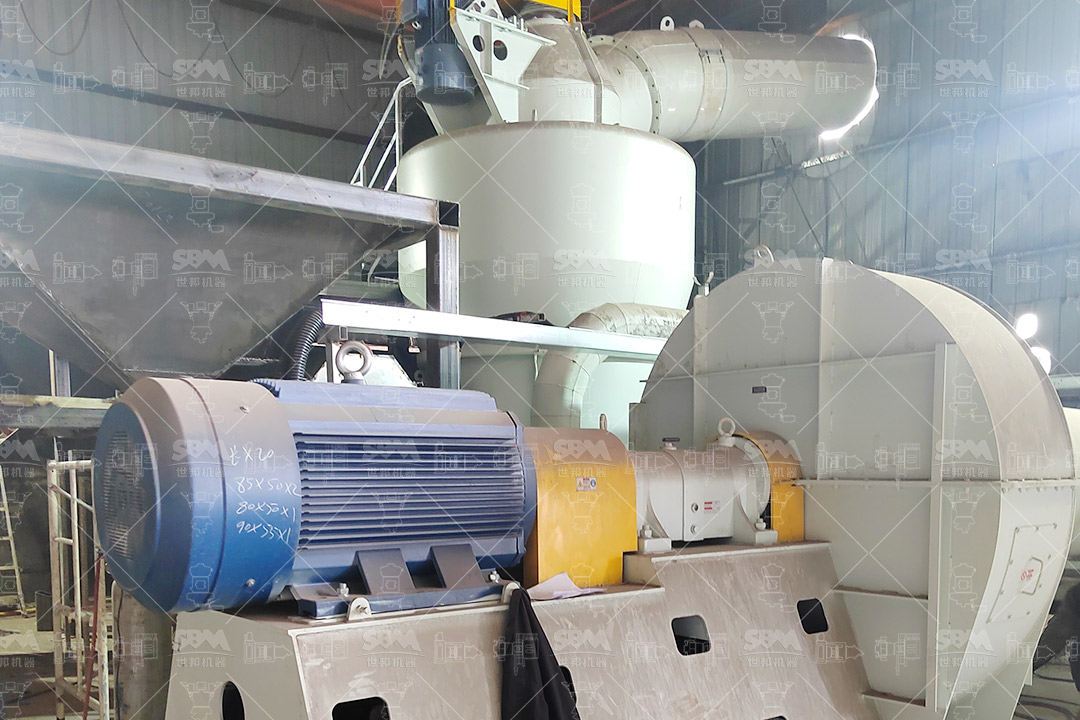
For applications requiring extremely fine limestone powders (typically below 10μm), specialized ultra-fine grinding equipment is essential. These systems employ advanced classification technology to achieve precise particle size control and narrow size distribution. The grinding mechanisms in these systems typically combine impact, compression, and shear forces to efficiently reduce particle size while minimizing energy consumption.
Medium-Fine Grinding Solutions
For general industrial applications requiring powders in the 45-325 mesh range, medium-fine grinding systems offer the optimal balance between production capacity, energy efficiency, and product quality. These systems typically feature robust construction, simplified operation, and lower maintenance requirements compared to ultra-fine grinding equipment.
Featured Equipment: SCM Series Ultrafine Mill
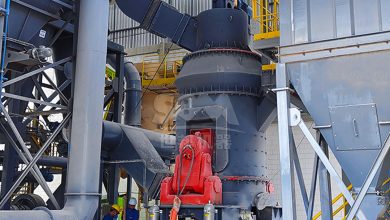
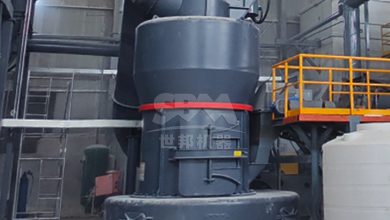
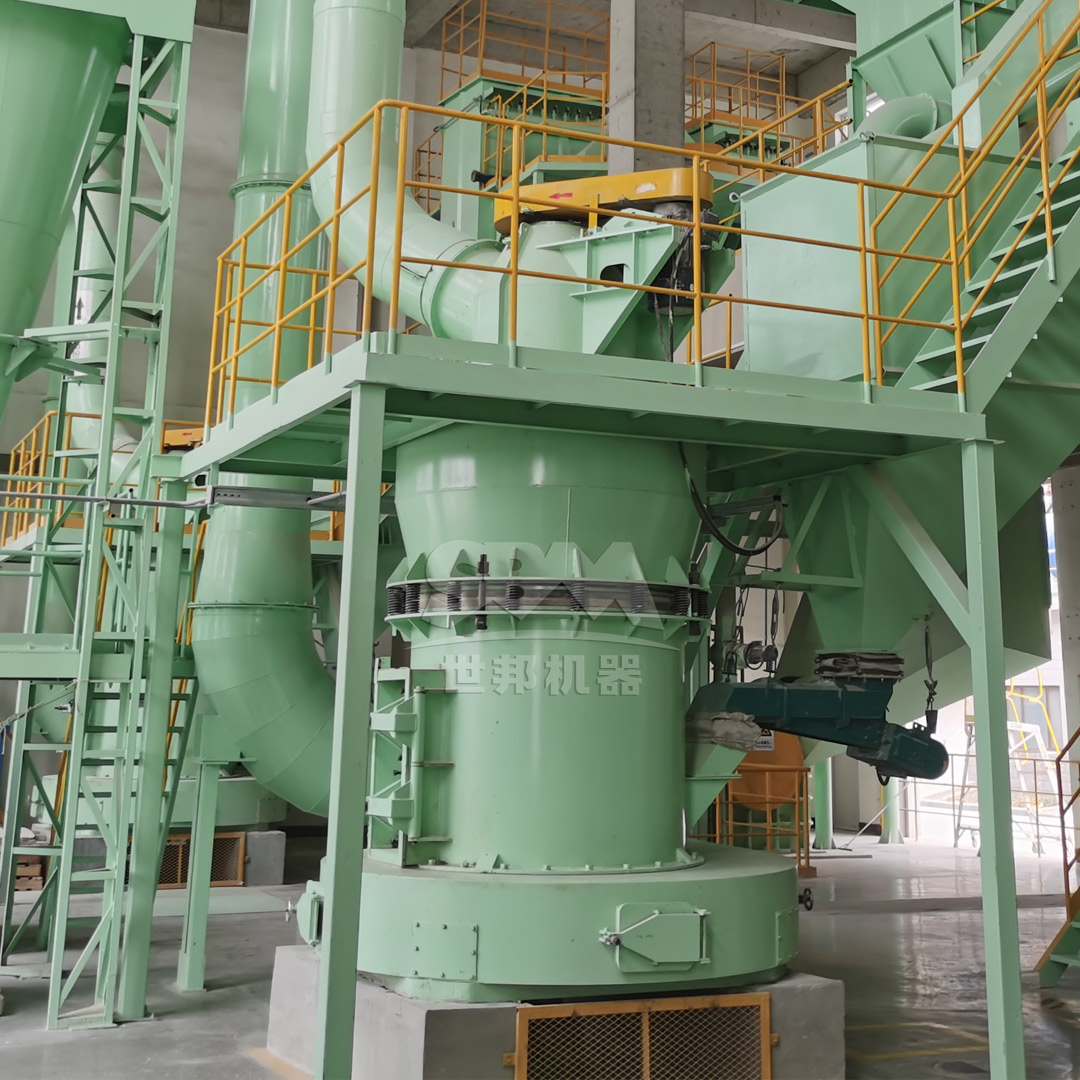
For operations requiring high-quality ultra-fine limestone powder, our SCM Series Ultrafine Mill represents the pinnacle of grinding technology. This advanced system produces powders ranging from 325 to 2500 mesh (D97≤5μm) with exceptional consistency and efficiency.
Technical Advantages
The SCM Ultrafine Mill incorporates several innovative features that set it apart from conventional grinding systems. Its high-efficiency design delivers production capacity twice that of jet mills while reducing energy consumption by 30%. The integrated intelligent control system automatically monitors and adjusts operational parameters to maintain consistent product quality. The vertical turbine classifier ensures precise particle size distribution without coarse particle contamination.
Environmental Performance
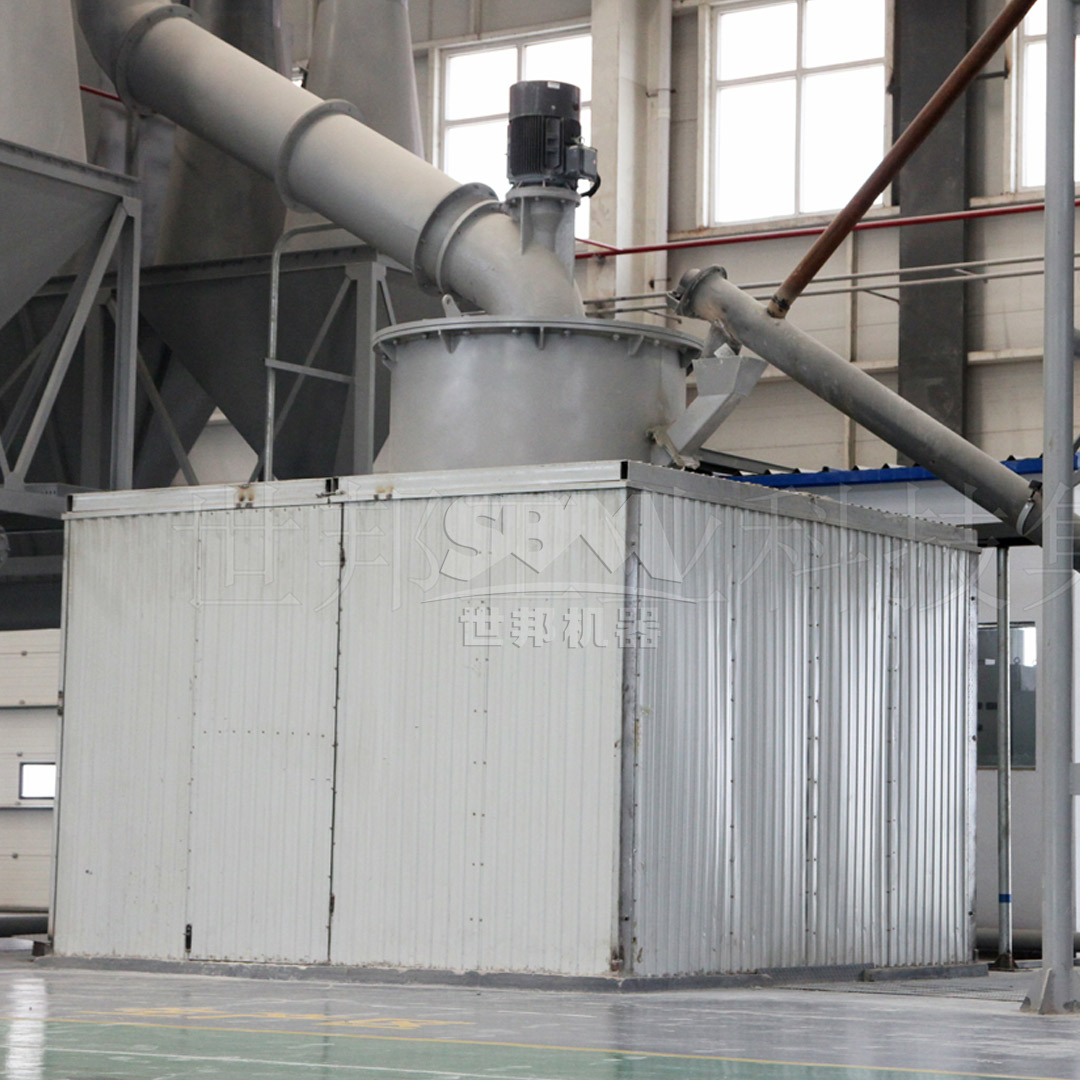
Environmental considerations were central to the design of the SCM series. The pulse dust collection system exceeds international standards for emission control, while the integrated soundproofing chamber reduces operational noise to ≤75dB. The durable construction features special material rollers and grinding rings that extend service life significantly, reducing waste generation from frequent component replacement.
Model Specifications
The SCM series offers multiple models to match various production requirements. The SCM800 model processes 0.5-4.5 tons per hour with a 75kW main motor, while the flagship SCM1680 handles 5.0-25 tons per hour with a 315kW power rating. All models accept feed material up to 20mm and produce powder in the 325-2500 mesh range, providing flexibility for diverse application requirements.
High-Capacity Solution: MTW Series Trapezium Mill
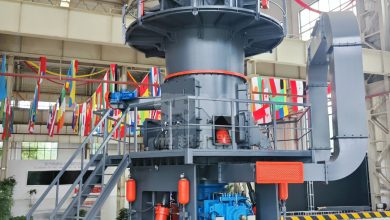
For large-scale production of medium-fine limestone powder, our MTW Series Trapezium Mill delivers exceptional performance and reliability. This European-style grinding mill processes up to 45 tons per hour with output fineness ranging from 30-325 mesh.
Innovative Design Features
The MTW series incorporates several patented technologies that enhance performance and reduce operating costs. The wear-resistant shovel design features combined shovel blades that significantly reduce maintenance requirements. The curved air channel optimization minimizes air flow energy loss, improving transmission efficiency. The integrated cone gear transmission system achieves 98% transmission efficiency while saving space and reducing installation costs.
Operational Efficiency
The MTW series is engineered for continuous high-volume operation with minimal downtime. The wear-resistant volute structure eliminates flow resistance, improving air classification efficiency and reducing maintenance costs by 30%. Multiple models are available to match specific production needs, from the MTW110 processing 3-9 tons per hour to the high-capacity MRN218 handling 15-45 tons per hour.
Auxiliary Equipment for Complete Production Lines
Crushing Systems
Proper preparation of limestone before grinding is essential for optimal mill performance. Hammer crushers and jaw crushers reduce raw limestone to the appropriate feed size for grinding mills. Modern crushers feature advanced designs that minimize dust generation and reduce energy consumption while maintaining high reduction ratios.
Classification and Separation
Advanced classification systems are critical for producing limestone powder with precise particle size distributions. Modern classifiers use multiple rotor technology to achieve sharp particle size cuts and eliminate coarse particles from the final product. These systems can be adjusted during operation to produce different product grades without stopping production.
Dust Collection and Environmental Control
Comprehensive dust collection systems are mandatory for modern limestone processing facilities. Pulse-jet baghouse filters with automatic cleaning cycles ensure emissions remain below regulatory limits. These systems are typically integrated with the grinding equipment to capture dust at the source, maintaining a clean working environment and maximizing product recovery.
System Integration and Automation
Centralized Control Systems
Modern limestone powder production facilities increasingly rely on automated control systems to optimize operations. PLC-based control systems monitor and adjust equipment parameters in real-time, ensuring consistent product quality while minimizing operator intervention. These systems can typically be operated remotely, providing flexibility in plant management.
Material Handling and Storage
Efficient material handling is essential for continuous operation in limestone powder production. Automated conveyor systems, storage silos with level monitoring, and precision feeding equipment ensure consistent mill operation. Modern facilities often incorporate automated packaging and palletizing systems to streamline the final stages of production.
Maintenance and Operational Best Practices
Preventive Maintenance Programs
Implementing comprehensive preventive maintenance programs significantly extends equipment service life and reduces unexpected downtime. Regular inspection of wear parts, lubrication system maintenance, and monitoring of critical operational parameters help identify potential issues before they lead to equipment failure. Many modern grinding systems include condition monitoring technology that alerts operators to developing problems.
Optimizing Grinding Efficiency
Several factors influence grinding efficiency in limestone powder production. Proper feed size distribution, optimal classifier settings, and appropriate grinding pressure all contribute to maximizing production while minimizing energy consumption. Regular analysis of operational data helps identify opportunities for process optimization and efficiency improvements.
Future Trends in Limestone Powder Production
Digitalization and Industry 4.0
The limestone processing industry is increasingly adopting digital technologies to enhance operational efficiency. IoT sensors, data analytics, and predictive maintenance algorithms are becoming standard features in new equipment. These technologies enable real-time performance monitoring, remote troubleshooting, and data-driven decision making for process optimization.
Sustainability Initiatives
Environmental sustainability continues to drive innovation in limestone processing equipment. Energy recovery systems, water recycling in wet grinding processes, and carbon footprint reduction strategies are becoming increasingly important considerations in equipment selection and plant design. Manufacturers are developing new technologies to further reduce the environmental impact of limestone powder production while maintaining economic viability.
Conclusion
Selecting the appropriate equipment for environmentally friendly limestone calcium powder production requires careful consideration of multiple factors including product specifications, production capacity, energy efficiency, and environmental compliance. Modern grinding systems like the SCM Ultrafine Mill and MTW Trapezium Mill incorporate advanced technologies that deliver superior performance while meeting stringent environmental standards. By understanding the available technologies and their applications, producers can optimize their operations for quality, efficiency, and sustainability in an increasingly competitive market.