Electrolytic Manganese vs Manganese Powder: Key Differences and Production Equipment Cost Analysis
Introduction
The global manganese market is a critical component of modern industry, driven primarily by the steel sector which consumes over 90% of production. Within this market, two distinct product forms hold significant importance: Electrolytic Manganese (EMM) and Manganese Powder. While both originate from manganese ore, their production processes, physical and chemical properties, applications, and associated costs differ substantially. This article provides a comprehensive analysis of these two key manganese products, with a particular focus on the production equipment required for manganese powder and the associated capital and operational expenditure (CAPEX & OPEX) considerations. For producers looking to enter or optimize their manganese powder operations, selecting the right grinding and milling technology is paramount to achieving profitability and product quality.
1. Defining the Products: Fundamental Differences
1.1 Electrolytic Manganese (EMM)
Electrolytic Manganese is a high-purity metallic manganese produced through an electrowinning process. Manganese ore is first leached with sulfuric acid to produce a manganese sulfate solution. This solution is then purified through a series of steps to remove impurities like iron, cobalt, and nickel. The purified electrolyte is fed into electrolytic cells, where manganese ions are reduced and deposited onto stainless steel cathodes as thin, brittle plates, typically with a purity exceeding 99.7% Mn.
Key Characteristics:
- Form: Solid plates or flakes.
- Purity: Extremely high (>99.7%).
- Structure: Dendritic, metallic crystal structure.
- Primary Use: As an alloying agent in the production of specialty steels (e.g., 200-series stainless steel), aluminum alloys, and copper alloys. Its high purity is essential for precise metallurgical control.
1.2 Manganese Powder
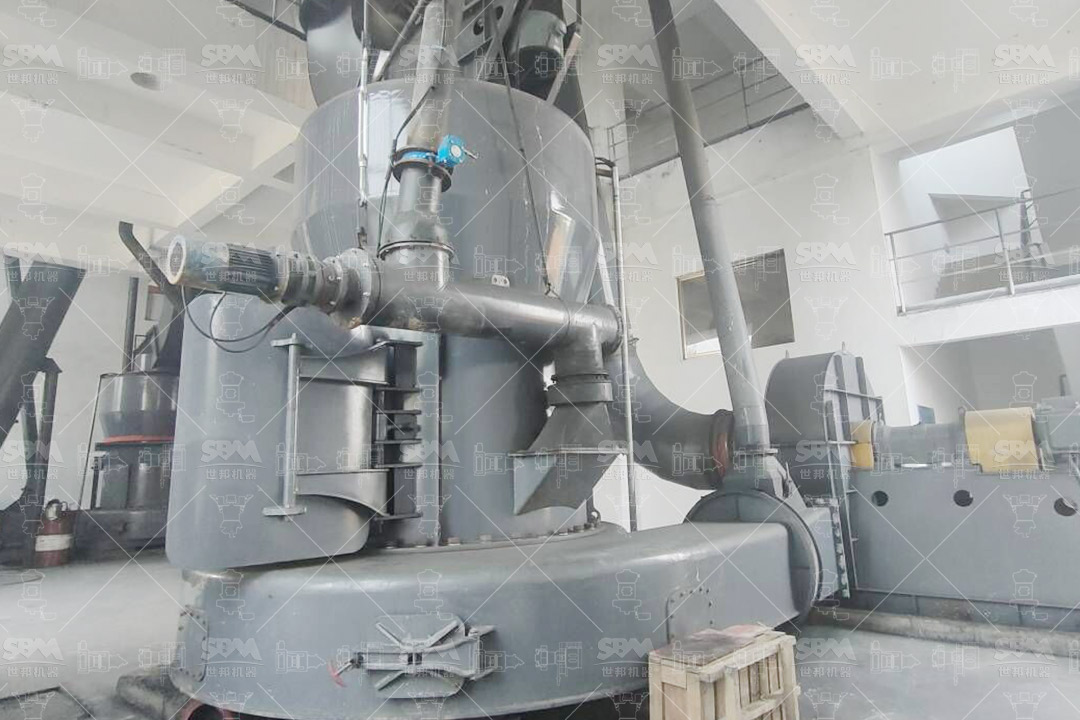
Manganese Powder refers to finely divided particulate manganese, which can be produced from various sources, including electrolytic manganese flakes, ferromanganese, or directly from manganese ore. The defining characteristic is its particulate nature, with particle size distribution being a critical quality parameter. It is primarily produced through mechanical comminution processes like crushing and grinding.
Key Characteristics:
- Form: Fine powder, with fineness ranging from coarse granules (several mm) to ultrafine particles (a few microns).
- Purity: Varies widely depending on the source material (e.g., 95-99.7% from EMM flakes).
- Structure: Irregularly shaped particles resulting from mechanical fracture.
- Primary Use: Welding electrode coatings, chemical catalysts (e.g., in hydrodesulfurization), fertilizer micronutrients, and as a precursor for manganese chemicals. Its high surface area is crucial for these applications.
2. Production Process & Equipment: A Comparative Overview
2.1 Electrolytic Manganese Production
The EMM process is complex, capital-intensive, and heavily chemical/electrochemical in nature. The core equipment includes:
- Leaching & Purification Tanks: For ore digestion and impurity removal.
- Filter Presses: For solid-liquid separation.
- Electrowinning Cells: The heart of the process, consisting of rectifiers, cathodes, anodes, and cell houses.
- Stripping, Washing, & Drying Equipment: To recover the manganese plates.
- Wastewater Treatment Plant: Essential for managing acidic and heavy metal-laden effluent, a significant cost driver.
Cost Drivers: High electricity consumption (for electrolysis), chemical reagents (H2SO4, NH3, SeO2, etc.), and stringent environmental control systems.
2.2 Manganese Powder Production
The production of manganese powder from EMM flakes or other manganese metal is predominantly a physical process centered on size reduction. The process flow is generally: Raw Material (EMM flakes) → Primary Crushing → Intermediate Grinding → Fine/Ultrafine Grinding → Classification → Packaging.
The selection of grinding equipment is the single most critical factor determining product quality (fineness, particle shape), yield, and operational economics. The choice depends heavily on the target particle size distribution.
3. In-Depth Analysis of Manganese Powder Grinding Equipment & Cost
For investors and plant managers, understanding the capabilities and cost structures of different grinding systems is vital. Below is an analysis of common mill types applicable to manganese powder production.
3.1 For Coarse to Medium Fineness (30-325 mesh / 600-45μm)
Applications: Welding electrodes, certain chemical processes.
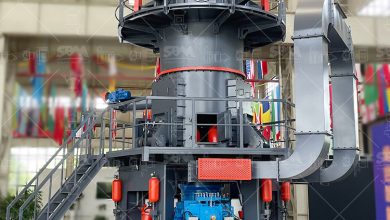
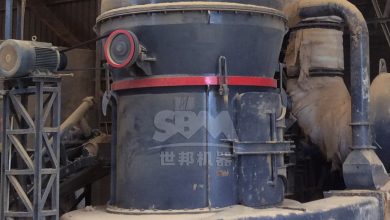
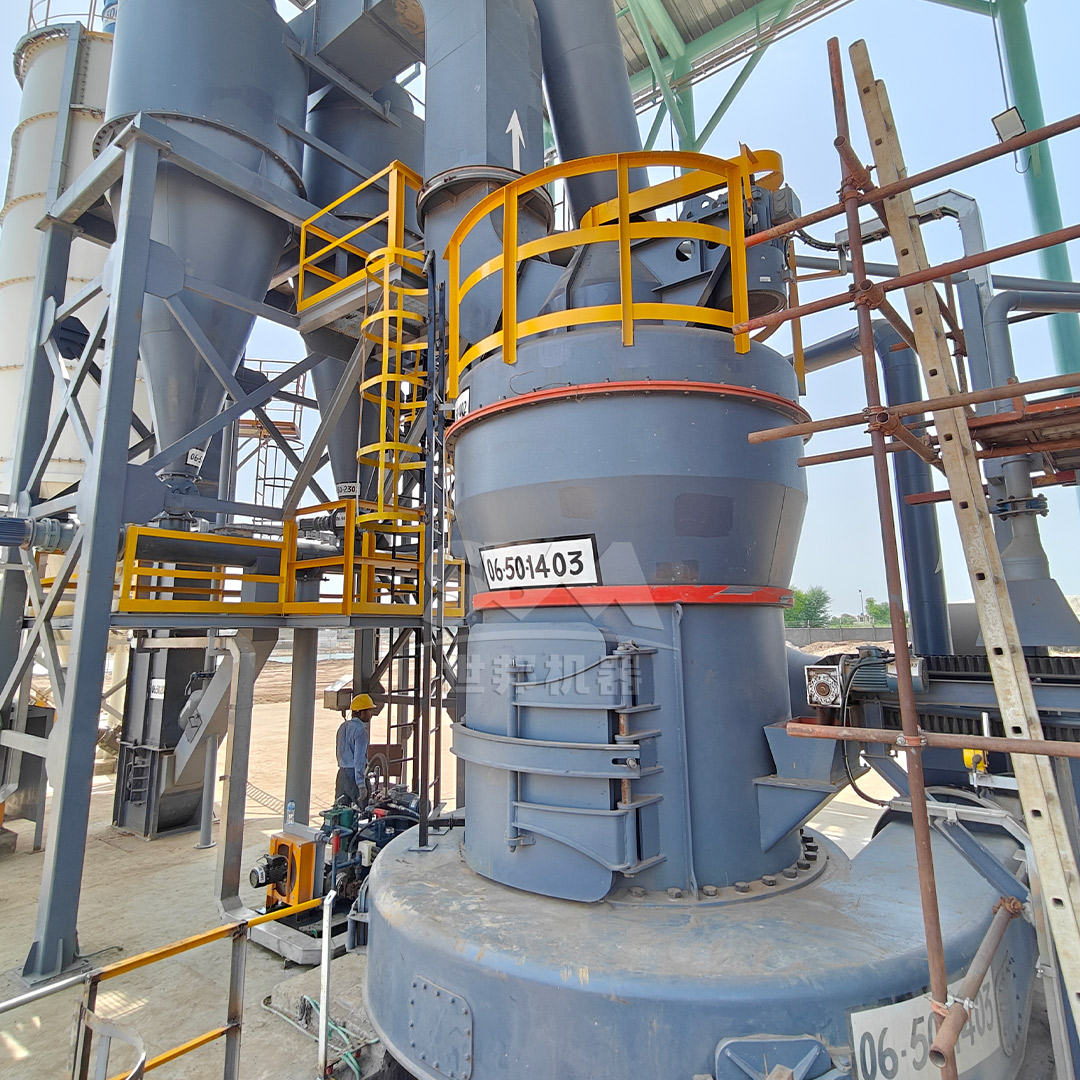
Recommended Equipment: MTW Series European Trapezium Mill
This mill series represents an advanced generation of ring-roller mills, offering an excellent balance of capacity, energy efficiency, and product control for the medium-fineness range. Its design is particularly suited for the hard and abrasive nature of manganese metal.
- Cost Advantages:
- High Transmission Efficiency (98%): The integral bevel gear drive reduces energy loss directly impacting OPEX.
- Reduced Maintenance Costs: Features like the anti-wear shovel design and wear-resistant volute structure extend component life, lowering spare parts inventory and downtime costs.
- Optimized Airflow: The arc air duct design minimizes system resistance, reducing the power demand of the ancillary fan, a significant secondary energy consumer.
For a manganese powder plant targeting the 100-325 mesh range with capacities from 15 to 45 tons per hour, the MTW215G model is a standout choice. Its robust construction (280kW main motor, handling feed up to 50mm) and ability to precisely control fineness make it a reliable and cost-effective workhorse for primary grinding circuits.
3.2 For Fine to Ultrafine Fineness (325-2500 mesh / 45-5μm)
Applications: High-performance catalysts, advanced battery materials, specialty ceramics.
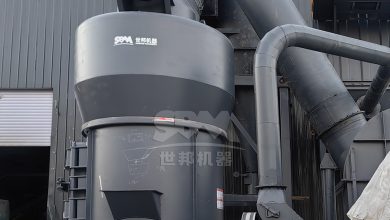
Recommended Equipment: SCM Series Ultrafine Mill
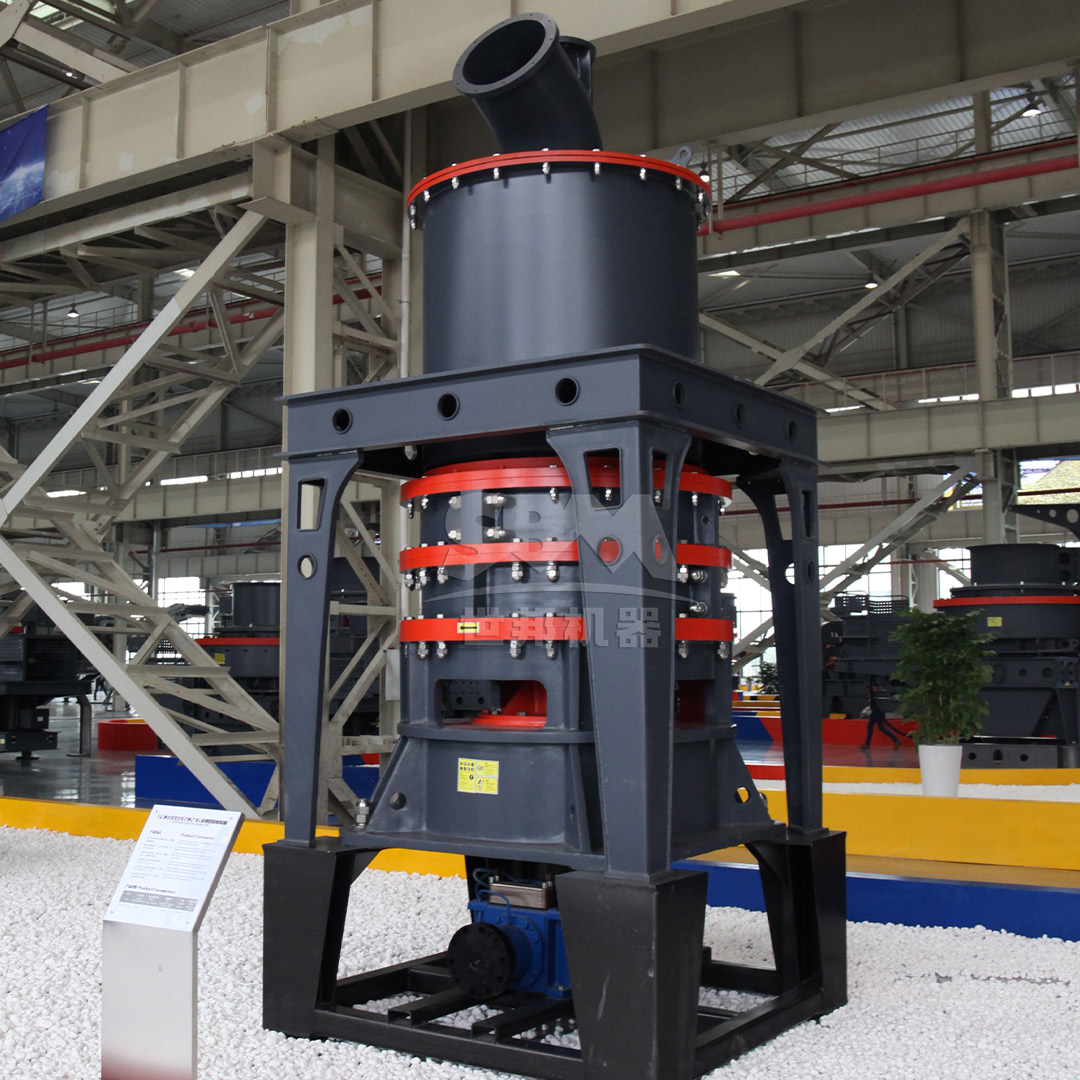
When the product specification calls for micron or sub-micron sized manganese powder, ultrafine grinding technology becomes essential. The SCM Series is engineered for this demanding task, combining high grinding efficiency with precise classification.
- Cost Advantages:
- Superior Energy Efficiency: It consumes approximately 30% less energy than traditional jet mills while offering double the capacity, dramatically reducing the cost per ton of ultrafine product.
- High-Precision Classification: The vertical turbine classifier ensures a narrow particle size distribution without coarse tailings. This increases product value and reduces waste from off-spec material.
- Durable Grinding Components: The special material rollers and rings have a service life several times longer than standard parts, mitigating a major operational cost in abrasive ultrafine grinding.
- Low Operational Overhead: The integrated pulse dust collector (efficiency >99.9%) and soundproof design eliminate the need for additional, expensive environmental abatement equipment and reduce community noise compliance issues.
For producers aiming at the high-value ultrafine manganese powder market, the SCM1680 model is a powerhouse. With a capacity range of 5.0-25 t/h and the ability to produce powder from 325 to 2500 mesh, it enables large-scale, economical production of premium-grade material. Its intelligent control system with automatic granularity feedback ensures consistent quality, minimizing product giveaway and customer rejections.
4. Total Cost of Ownership (TCO) Comparison for Powder Production
Choosing equipment based solely on purchase price is a common pitfall. A prudent analysis considers the Total Cost of Ownership:
| Cost Factor | Ball Mill (Traditional Choice) | Advanced Ring-Roller Mill (e.g., MTW Series) | Ultrafine Mill (e.g., SCM Series) |
|---|---|---|---|
| Capital Expenditure (CAPEX) | Moderate | Moderate to High | High |
| Energy Consumption (kWh/t) | High (40-50% higher than advanced mills) | Low | Very Low for target fineness |
| Wear Parts Cost (per ton) | High (balls, liners) | Low to Moderate | Moderate (but long life) |
| Footprint & Installation | Large, complex foundation | Compact, simpler foundation | Integrated system, moderate footprint |
| Product Control & Flexibility | Limited, wider PSD | Good, adjustable | Excellent, precise PSD control |
| Environmental Compliance | Requires add-on dust collection | Integrated system available | Fully integrated, high-efficiency system |
Key Takeaway: While advanced mills like the MTW and SCM series may have a higher initial investment, their significantly lower energy consumption, reduced maintenance, and superior product quality lead to a lower TCO and higher profitability over a 3-5 year period, especially for continuous, large-scale operations.
5. Conclusion and Strategic Recommendations
Electrolytic Manganese and Manganese Powder serve distinct market segments with fundamentally different production philosophies—one electrochemical, the other mechanical. For manganese powder producers, the grinding circuit is the core of their business.
The evolution of grinding technology offers clear paths to efficiency gains. For medium-fineness production, modern trapezium mills like the MTW Series set a new standard for energy efficiency and reliability. For entering the lucrative ultrafine powder market, the SCM Series Ultrafine Mill provides a technologically advanced and economically viable solution that can produce high-value products at a competitive cost.
Strategic equipment selection, focused on Total Cost of Ownership rather than just purchase price, is crucial for building a sustainable and profitable manganese powder business in an increasingly competitive global market. Partnering with an equipment supplier that provides not only robust machinery but also process expertise and support can be a significant strategic advantage.